Chinese organized crime with suspected ties to the Chinese Communist Party (CCP) has taken over an estimated 75 percent of the marijuana black market in the United States, a federal narcotics expert said.
Rob Roggeveen, national deputy coordinator of the Marijuana Impact Group within the High Intensity Drug Trafficking Areas program, said that the black-market marijuana trade has grown exponentially into an estimated $300 billion-a-year industry.
“This stuff is being exported out of the country, whether it’s to Canada, France, England. It’s an international business for them,” Roggeveen told The Epoch Times.
“They’re not growing in the U.S. just to keep it within the United States—it’s going international.”
A pound of marijuana bought for $450 to $500 or less, in California, for example, will sell in New York for much more, and in some countries where marijuana is illegal with more severe penalties, it sells for “exponentially more,” ranging from $5,000 to $20,000 a pound, Roggeveen said.
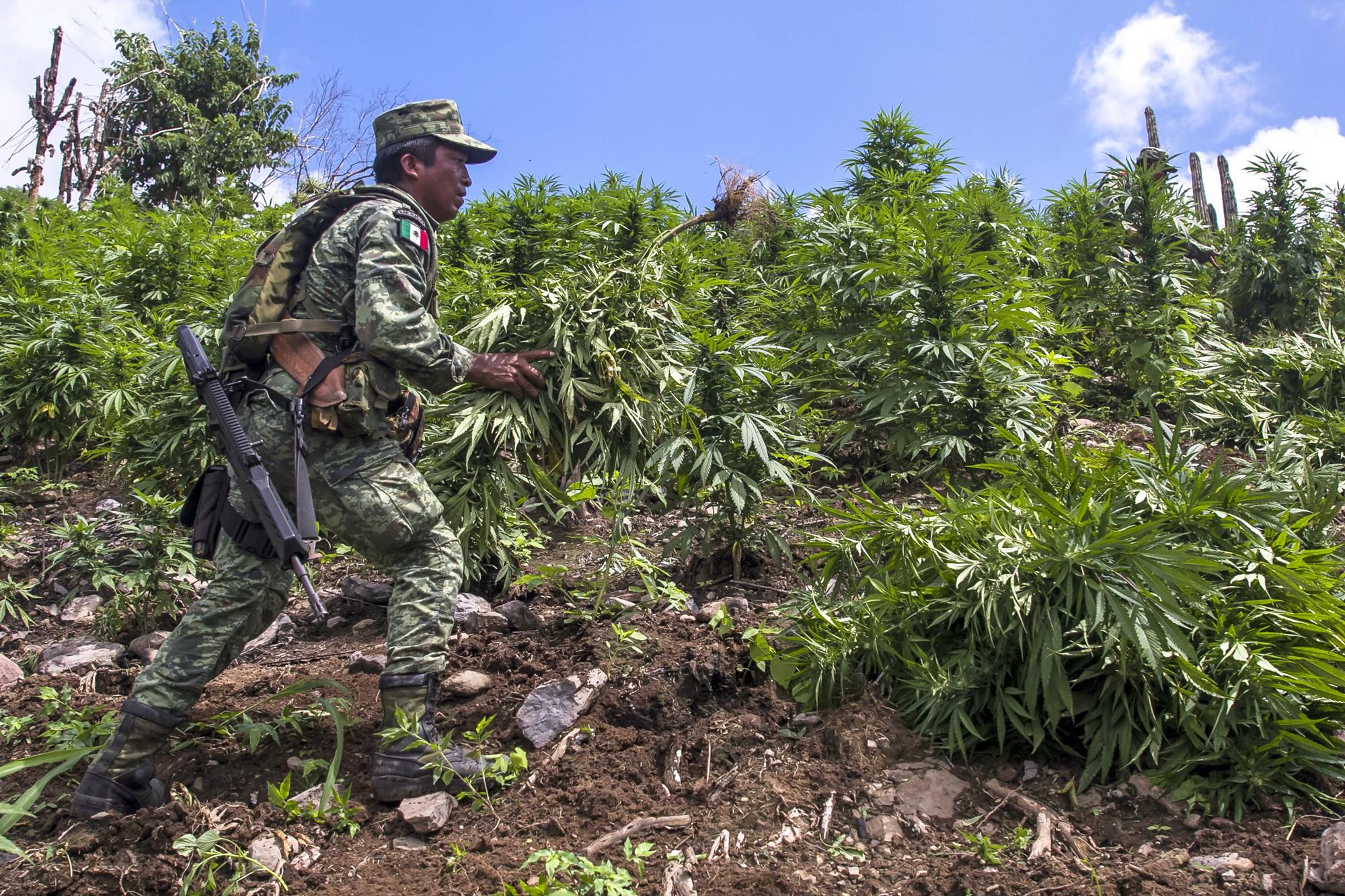
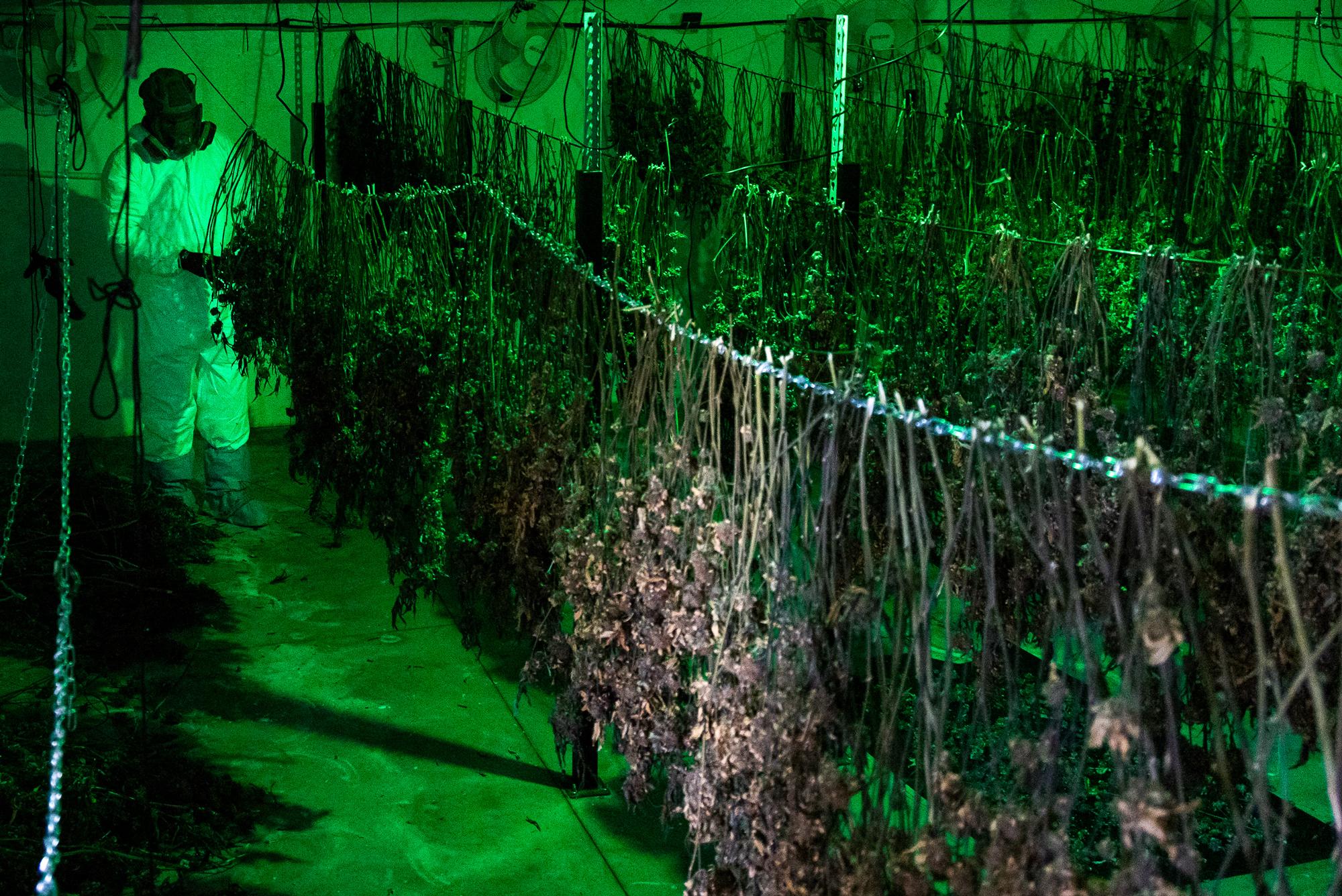
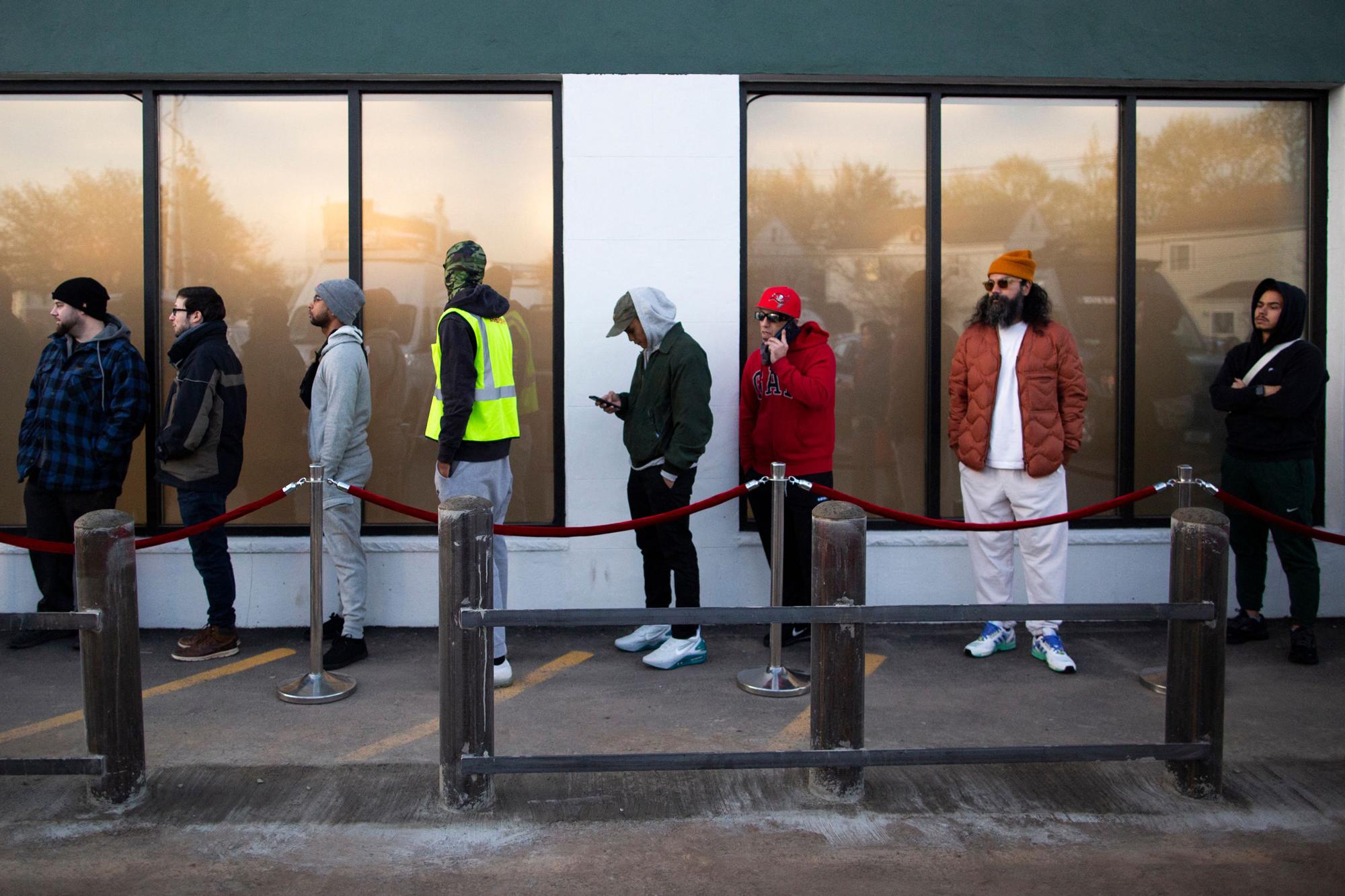
In the past, Mexican cartels hid outdoor marijuana grows on U.S. public lands such as national forests, but in recent years, Chinese syndicates have brazenly moved into states that legalized the medicinal and recreational use of marijuana and reduced penalties for illegal cannabis cultivation, he said.
“A decade ago, you rarely saw anything other than the Mexican cartels running marijuana, and generally that was being brought across the border,” Roggeveen said. “Somewhere along the line, it changed, and that trade changed hands from the Mexican cartels to the CCP.”
How and why it happened remains somewhat of a mystery, he said, especially because there is no real evidence of clashes between Chinese and Mexican cartels.
“We don’t see them warring amongst each other over the marijuana trade. Why isn’t there any Hispanic-on-Chinese violence? Usually it’s Hispanic on Hispanic, Chinese on Chinese, or Chinese on some other Asian group,” Roggeveen said. “There’s a lot of theories out there, but the bottom line is they’re operating together.”
Christopher Urben, a former agent with the Drug Enforcement Administration who now works for global investigations firm Nardello & Co., told the subcommittee the CCP is now doing most of the laundering for Mexican cartels and is using the Chinese-controlled app WeChat and cryptocurrency to do it.
Urben called for increased use of the Racketeer Influenced and Corrupt Organizations (RICO) Act—originally enacted in 1970 to target the Italian Mafia—to prosecute Chinese and Mexican organized crime and advocated the creation of a new, well-funded federal task force with the tactical ability to move from state to state.
Experts at the hearing said Chinese organized crime, allegedly linked to the CCP, poses a national security threat to the United States.
Oklahoma Bureau of Narcotics Director Donnie Anderson testified that some illegal marijuana grow operations are located near critical infrastructure, including military bases and pipelines.
“It is my belief that the CCP maintains access to these sites, particularly through its known practices of controlling expatriates via so-called ‘police stations,’” Anderson said.
Although Oklahoma law requires marijuana business owners to be state residents with at least two years of residency, Anderson said nearly all Chinese-operated grows “circumvent this requirement through fraud and straw ownership” facilitated by consulting firms, real estate agents, and attorneys who helped establish these shell operations.
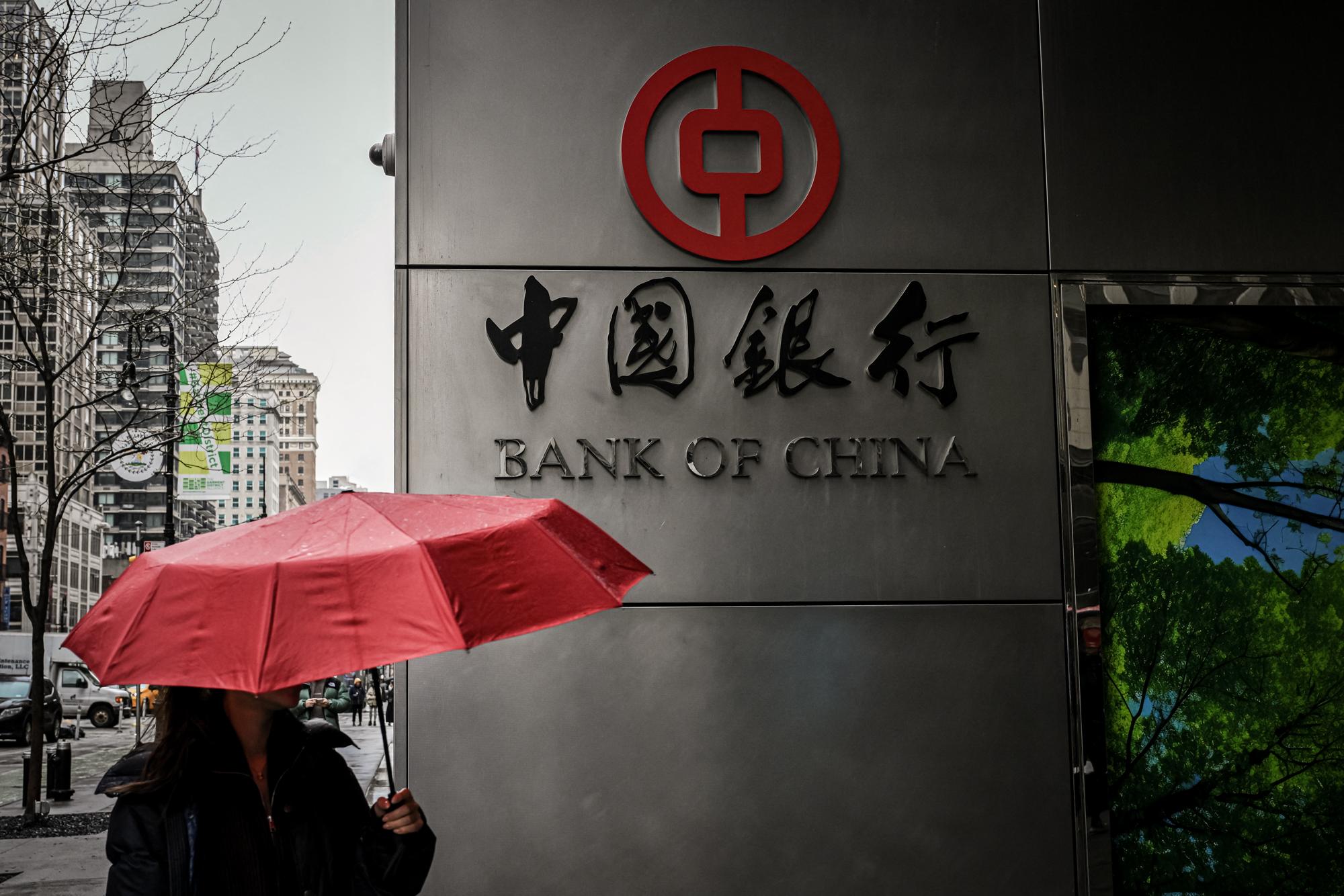
Anderson said investigators have documented evidence of financial transfers to the Bank of China and connections to businesses owned by the Chinese regime.
Circumstantial Evidence
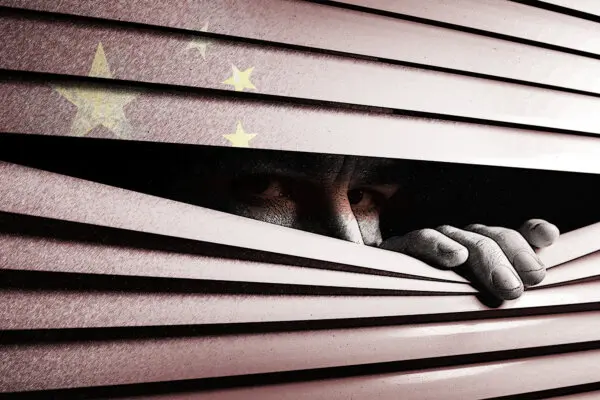
Paul Larkin of The Heritage Foundation told the subcommittee that because China is the most heavily surveilled nation in the world, “it’s difficult to believe that the CCP is unaware of people who are engaged in criminal activities in other nations, like what’s happening here with Chinese organized crime.”He said enough circumstantial evidence exists to show that the CCP is “helping out organized crime” for the U.S. Supreme Court to justify a guilty verdict for conspiracy to engage in this activity.
Many marijuana businesses in states that have legalized medicinal and recreational marijuana are run by Chinese organized crime, “with a tacit knowledge and acquiescence by the People’s Republic of China and the Chinese Communist Party—two entities that are sworn enemies of the United States,” Larkin said.
Larkin later told The Epoch Times that if the U.S. government does have evidence of direct CCP involvement, it would be “highly classified” and wouldn’t be released to the public.
He said the federal government “has the tools,” including through the RICO Act, to deal with the problem of illicit marijuana, but “it’s not clear if they have the will.” Larkin suggested that many elected officials are dodging the cannabis issue because they don’t want to lose the support of younger voters.
“There are a massive number of cannabis stores operating in New York City that aren’t complying with regulations,” he said.
“There’s so many of them that the police couldn’t keep up, and it’s not clear the district attorneys want to charge them anyway.”
Short of invoking the RICO Act, the Department of Justice could arrest and prosecute suspected criminals for non-cannabis-related crimes such as fraud and “involuntary servitude or slavery,” Larkin said.
Roggeveen said investigators have uncovered large numbers of illegal immigrants who are victims of labor trafficking living in tents, rundown trailers, and makeshift plywood shacks at squalid camps, but they don’t want to talk because they fear for their own lives and those of their friends and families in the United States or in China.
“[The cartels are] treating human beings like trash,” he said. “It’s horrible.”
In California, the black market has “bypassed the legal market,” Roggeveen said. Legal growers who get licensed, pay taxes, and abide by the law are upset because there is a “massive black market ... and it’s so big that it can’t be enforced properly,” he said.
Invoking the RICO Act
Roggeveen said the Department of Justice under the current administration is looking at the RICO Act because it has worked well in the past to target cartel leaders who see themselves not as drug lords but as CEOs of “Fortune 500-style” companies.“The CCP operates that way, the Russian mafia operates that way, there’s Thai groups, there’s Laotian groups—all of them run like organized crime,” he said.
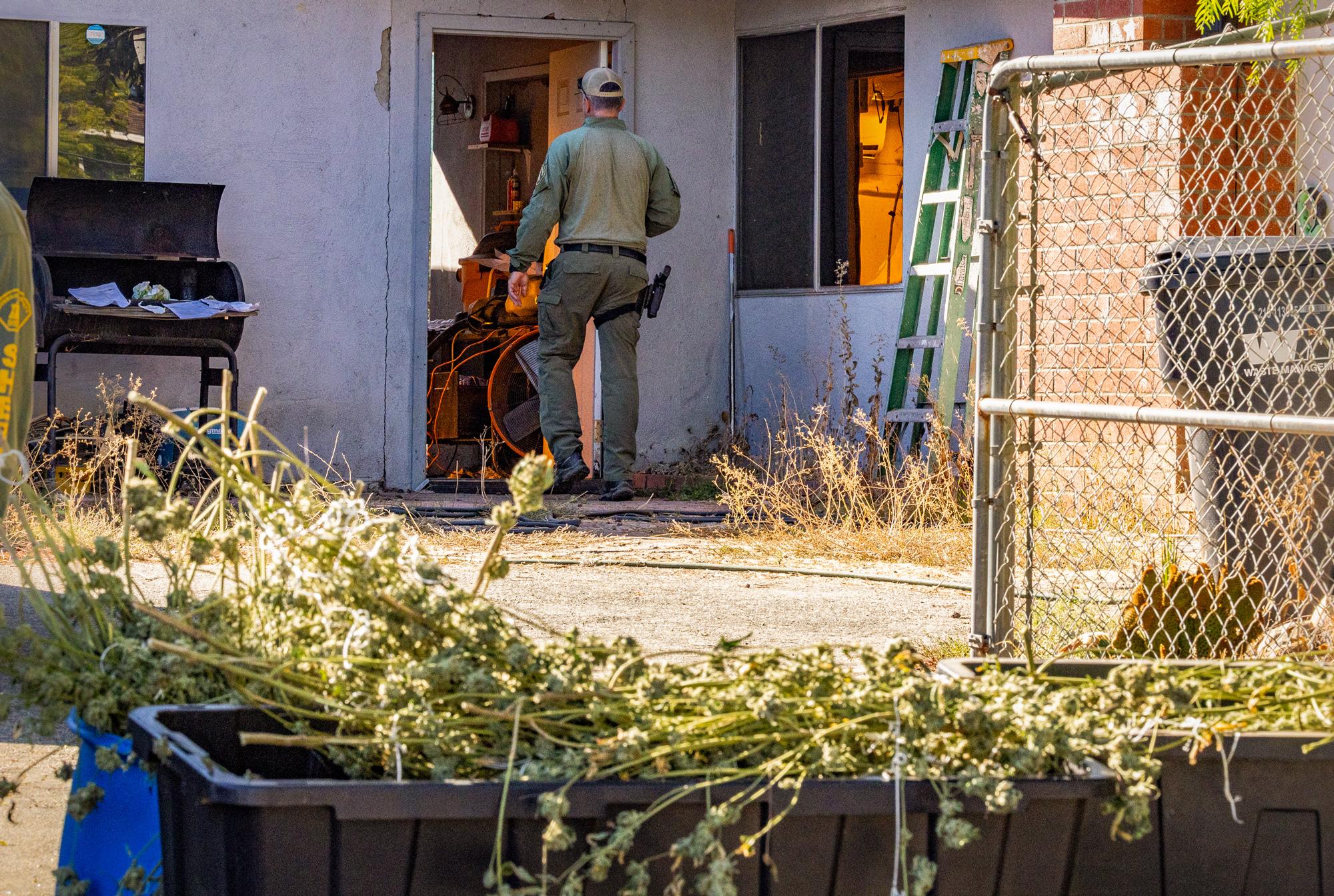
“We received a significant amount of [such] money at the sheriff’s department, and it paid off in the eradication efforts that our teams did,” Roggeveen said.
Despite promises from politicians that legalizing cannabis would eliminate the black market, in California, the cartels saw it as an opportunity to hide illegal operations among legal ones and moved into “basically every region of the state,” he said.
He said that “whether it’s the Mexican cartels or the Chinese—the CCP—they moved into those regions and began cultivating” and are now shipping massive amounts of black-market weed across the country to higher-priced markets in New York and Florida.
Law enforcement agencies diverted resources away from marijuana enforcement in states that legalized marijuana for both medicinal and recreational use, prosecutors weren’t prosecuting, and penalties were reduced for illegal cultivation, Roggeveen said.
The lapse gave rise to Chinese, Laotian, Thai, Mexican, and Russian cartels and other organized crime groups that have inundated those states.
“They’re getting absolutely crushed,” he said.
Police are now playing “catch-up” with the cartels, “but it’s like putting a Band-Aid on a sucking chest wound,” he said.
“What we’re seizing is not significant to what is actually out there,” Roggeveen said.
Chinese Operations
Since Oklahoma legalized the cultivation and sale of cannabis for medicinal use in 2018, it has become one of the main hubs of the marijuana black market in the United States, according to the Oklahoma Bureau of Narcotics.

Mark Woodward, a spokesman for the Oklahoma Bureau of Narcotics, told The Epoch Times that most fraudulently licensed marijuana farms in the state had connections with Chinese owners or operators during the height of the COVID-19 pandemic near the end of 2022.
“We still see some farms that have ties to cartels in Mexico, Armenia, Serbia, Bulgaria, Russian, and even the Italian mob, but I’d say 85 percent of the black market farms in Oklahoma at the peak were linked to Chinese organized crime,” he said.
Woodward confirmed that in March 2024, Consul General Zhu Di, a Chinese embassy official, twice visited a cultural association suspected of having ties to Chinese organized crime and met with known criminals but said he couldn’t release further details.
‘A Perfect Storm’
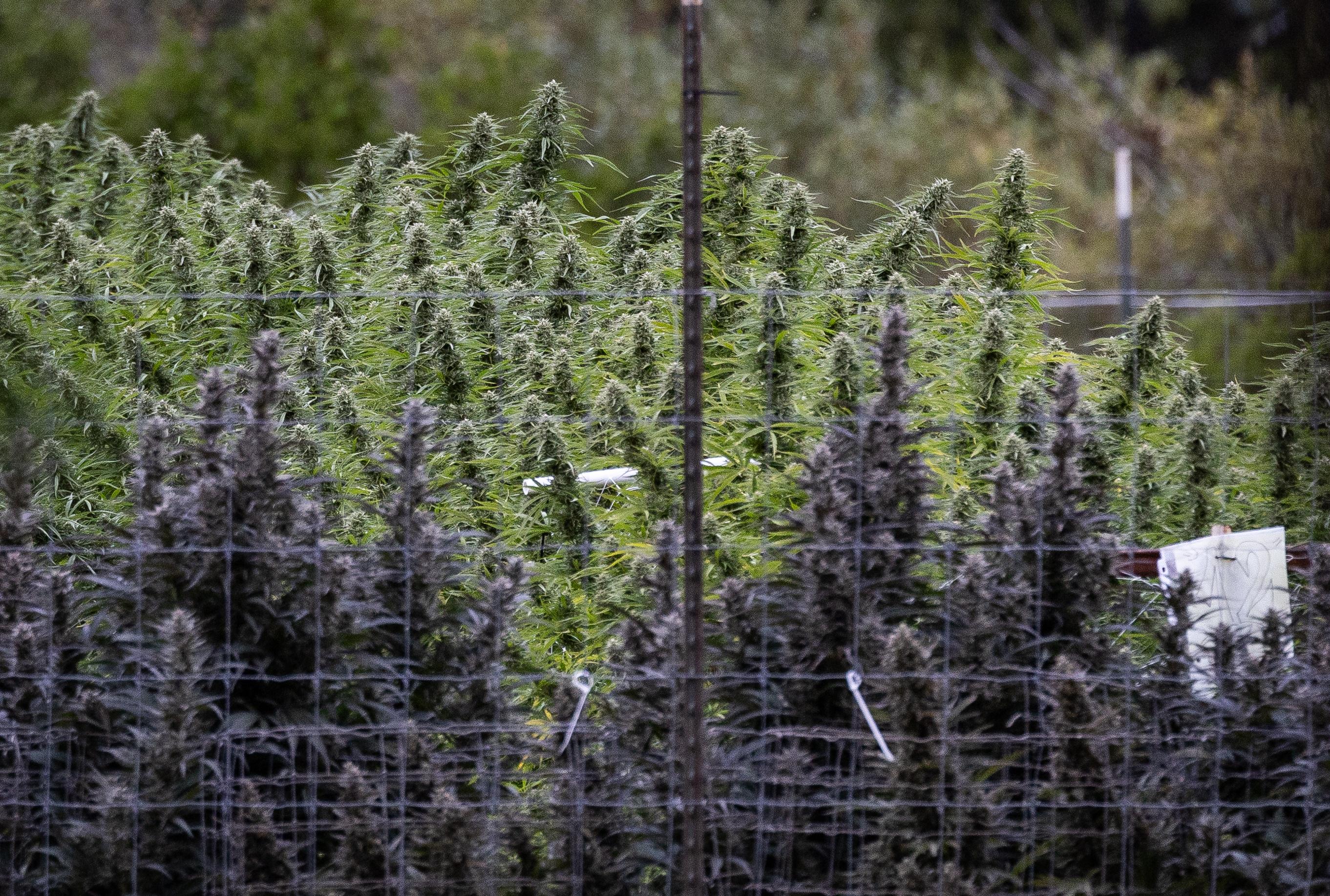
Even though 40 states have legalized marijuana in some way, one of the reasons Oklahoma became a hot spot for illegal growers is that it was an “open state” during the COVID-19 pandemic, when other states, including California, were locked down.Lured by the lax laws, cheap land, low-priced licenses, and easy money, Chinese growers—with the help of unscrupulous Oklahoma-based businesses—came in droves, and the black-market marijuana exploded “almost overnight,” Woodward said.
The state has since indicted lawyers and brokers who, for a fee, allegedly helped illegal growers connect with straw owners to get licenses. The “ghost owners” signed legal documents claiming that they were 75 percent owners of properties really owned by Chinese nationals. In one case, the same person was listed as the owner of nearly 300 marijuana farms in the state, Woodward said.
“You had law firms ... advertising on Cantonese and Mandarin Fujianese websites because they knew the Chinese controlled the black-market marijuana,” he said.
Oklahoma emerged as a more centralized hub for exporting “incredibly cheap” and “high-grade” illegally grown weed.
“It was just a perfect storm,” Woodward said.
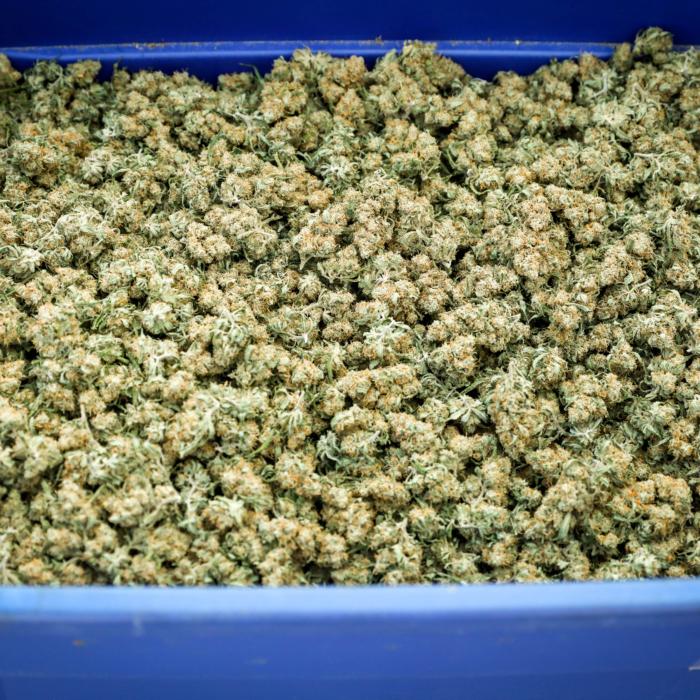
The Oklahoma Bureau of Narcotics stopped a semitruck bound for New Jersey and New York in 2023 that was hauling 7,000 pounds of black-market marijuana valued at $28 million, and between 2021 and 2024, multiple semis loaded with illegal marijuana were likely leaving Oklahoma City and the state every night, he said.
In a one-year period, about 87 million pounds of marijuana had been grown according to the state’s tracking system, but the Oklahoma Bureau of Narcotics documented only about 1.9 million sold, Woodward said.
“That means there were over 85 million pounds unaccounted for, and we knew that was untaxed black-market marijuana,” he said.
Oklahoma went from 2,000 farms in 2019 to about 8,400 farms by about the end of 2022, and many of them were tied to organized crime and the “black-market pipeline,” he said.
The Oklahoma Bureau of Narcotics has since shut down nearly 7,000 cannabis farms, and about 1,350 remain in the state, Woodward said.
The state had 2,200 medical marijuana dispensaries, and more than 380,000 people—nearly 10 percent of Oklahoma’s population—had medical marijuana patient cards around the end of 2022, he said.
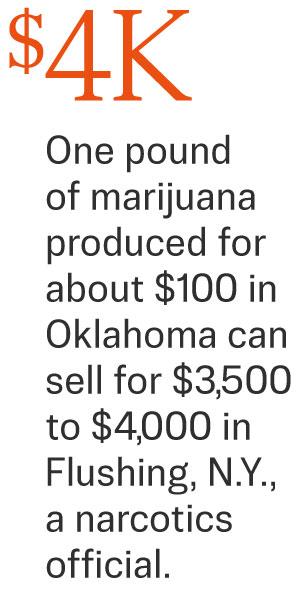
“We’ve had some black-market growers in Oklahoma say they can grow for as little as $100 a pound using undocumented Chinese workers,“ Woodward said. ”They cut costs, and if that one pound produced for $100 makes it to Flushing, New York, they can sell it for $3,500 to $4,000.”
‘Hide in Plain Sight’
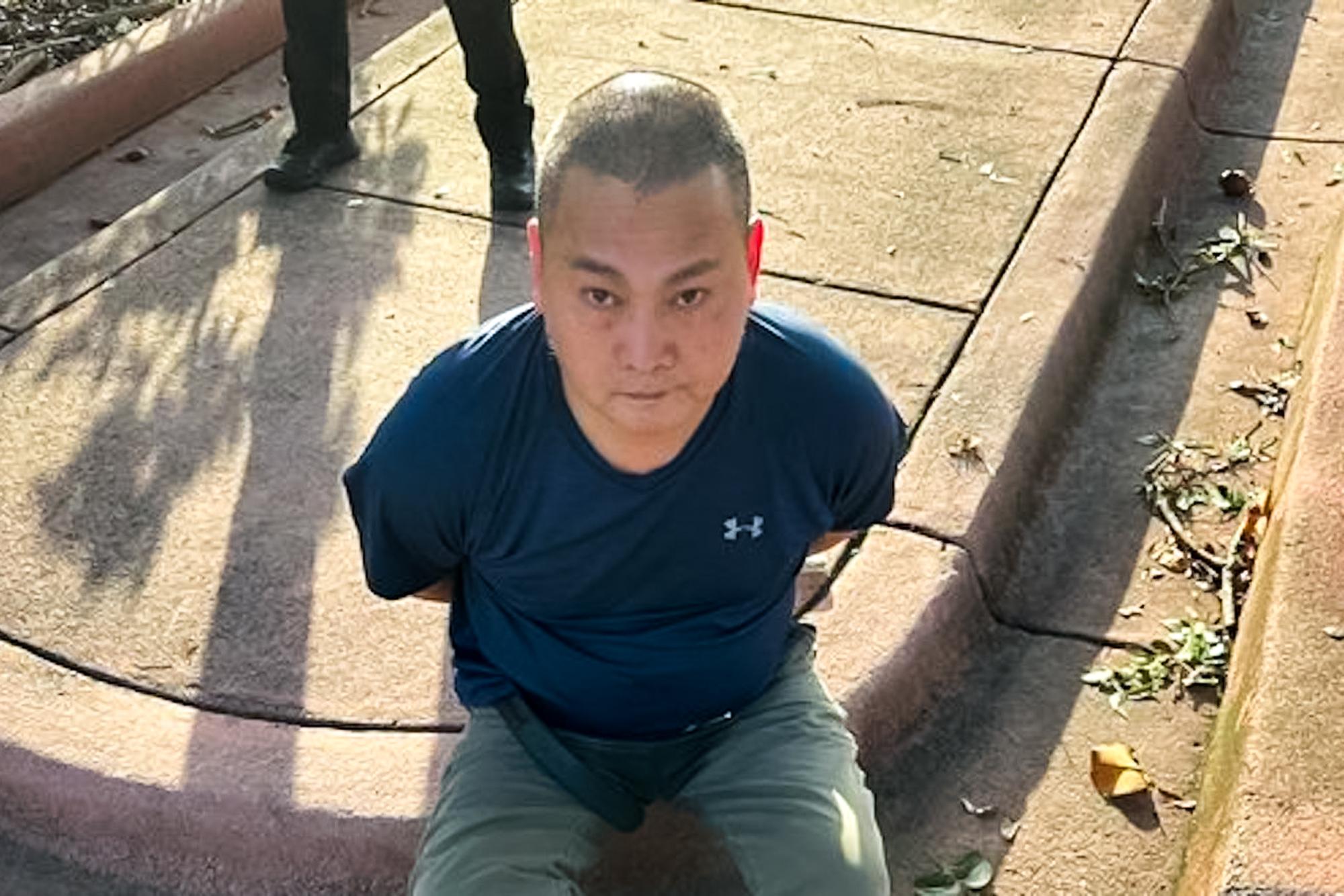
The “number one rule” among illegal growers is to “look legitimate,” be “nice neighbors,” and get a license so that they don’t raise suspicion and can “hide in plain sight,” Woodward said.But in 2022, a man named Chen Wu, allegedly tied to Chinese organized crime, went to a 10-acre illegal marijuana grow site about 55 miles northwest of Oklahoma City to collect $300,000. He demanded money owed to the criminal organization, and when marijuana farm workers didn’t pay on the spot, Wu opened fire.
“He shot and killed four people, and shot a fifth person who escaped,” Woodward said.
The illegal grow operation had fraudulently obtained a medical marijuana license, according to the Oklahoma Bureau of Narcotics, and others associated with the operation were later arrested.
At the congressional hearing, Rep. Josh Brecheen (R-Okla.), subcommittee chairman, said it was clear from the witness testimony that the CCP is involved in “a coordinated attack” against the United States, and he called for increased federal law enforcement to combat “this convergence” of organized crime.
“Whether it’s through their trafficking network, the cyberattacks, or facilitation of the Mexican cartels, they have declared an asymmetric war on this country, and it’s time that we fight back with all the tools and resources that we have at our disposal,” Brecheen said.
The United States has enabled foreign criminal organizations “with potential links to the CCP” to build up a sophisticated network that presents a national security threat and exceeds the capabilities of state and local law enforcement agencies to unravel, he said.
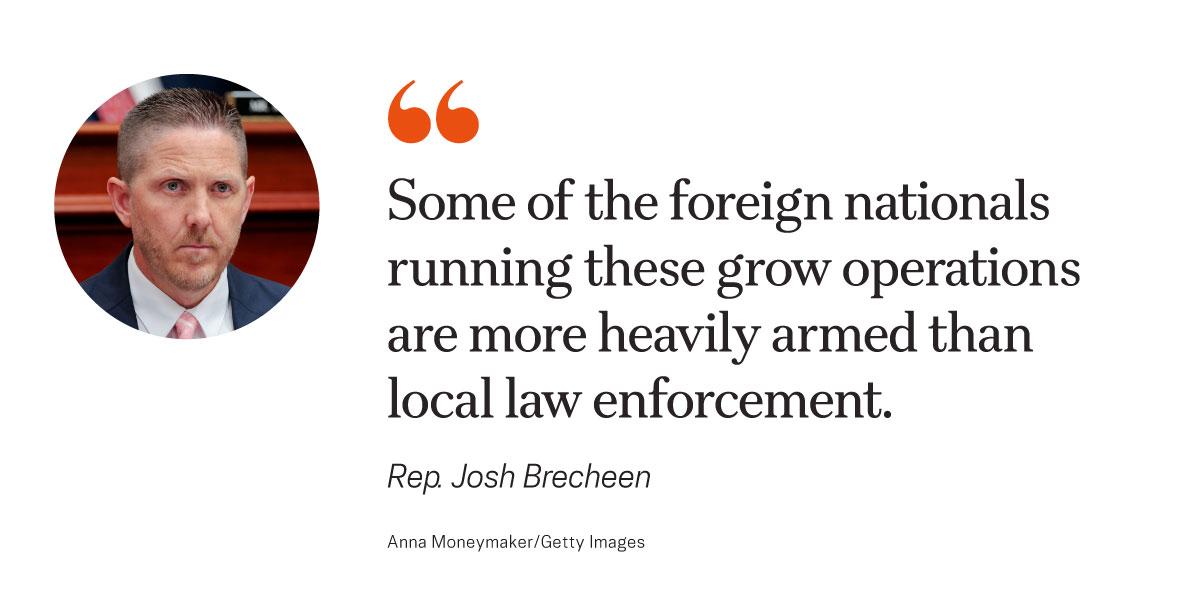
“Some of the foreign nationals running these grow operations are more heavily armed than local law enforcement,” Brecheen said.