PARIS, France—A year after massive strikes and unrest in the French Carribean islands of Guadeloupe and Martinique, and despite new protests on January 10 against the rising of price of goods, French Guiana and Martinique will remain French departments.
The two regions were asked by a referendum on January 10th whether they were willing to accept more autonomy in what would have been the first step toward independence. Both have been operating under mostly French regulations and laws since World War II.
The unexpected massive refusal—69.8 percent in French Guiana and 78.9 percent in Martinique—comes as a slap in the face for local politicians who have long been lobbying for more autonomy from France.
Particularly significant is the fact that more than 55 percent of people voted, an unusually strong participation judged by local standards.
In Dec. 2003, the last time the French Caribbean islands were asked to express their views on the question of autonomy, the “no” vote prevailed by a thinner margin, indicating that in the context of an economic crisis, the social and economic support offered by France is seen by locals as a guarantee of stability.
According to the French government, the decision “shows that Guyanans and Martiniquans remain attached to a status close to that of their continental counterparts ; they have affirmed the strong link uniting them to the [French] Republic.”
Independent leaders had no choice but to recognize that they had been rejected by public opinion. In Martinique, Alfred Marie-Jeanne, president of the regional council, accepted his defeat. He nonetheless claimed to Le Monde newspaper that “the victory is the result of frightening people in an insidious and rampant way. Yet the walk toward independence must remain at the forefront of our requests.”
For French Overseas Minister Marie-Luce Penchard however, “this vote will put a lid on the issue of autonomy for a while, as it was polluting the debate on an essential question—that is, economic development. This issue is not the answer to problems. The proof is provided when during social crisis, there is no expressed willingness to break ties with the continent.”
Earlier in the week, local union leader Elie Domota denied he had called for a general strike in Guadeloupe starting January 20.
“I don’t know where this comes from. We have only called for a protest and announced we would discuss how to organize other actions,” explained Domota to France Info radio, arguing it was a misunderstanding about a statement he made to Le Parisien newspaper.
French media pundits have said Domota had received early news about vote results and knew his call to strike would not be answered.
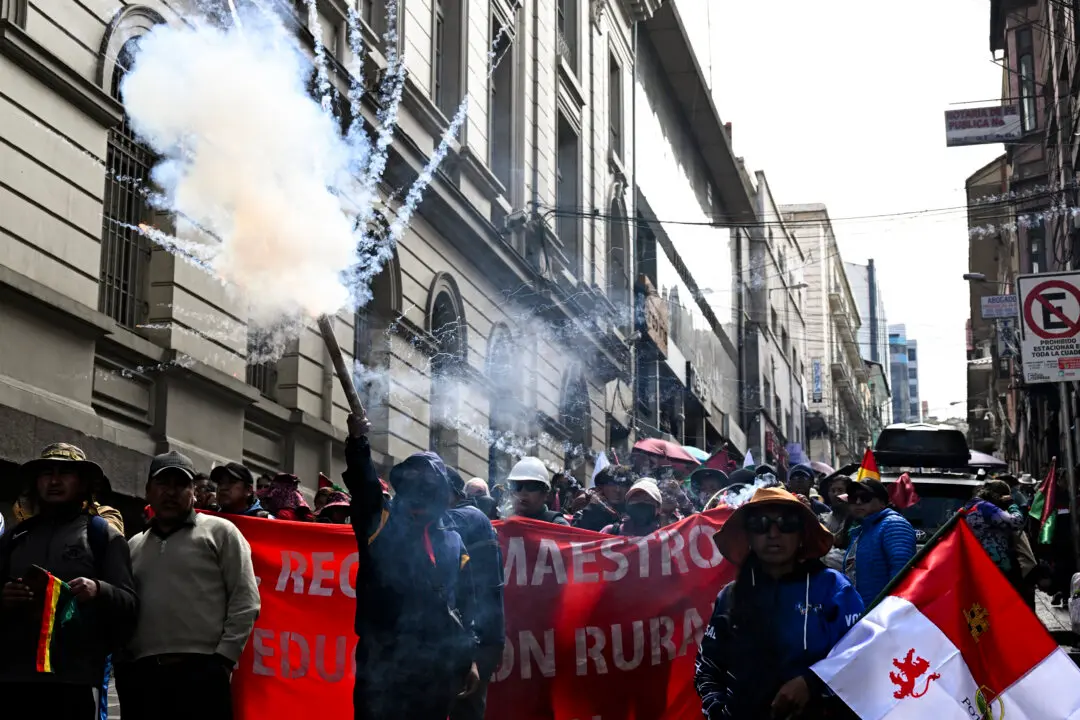
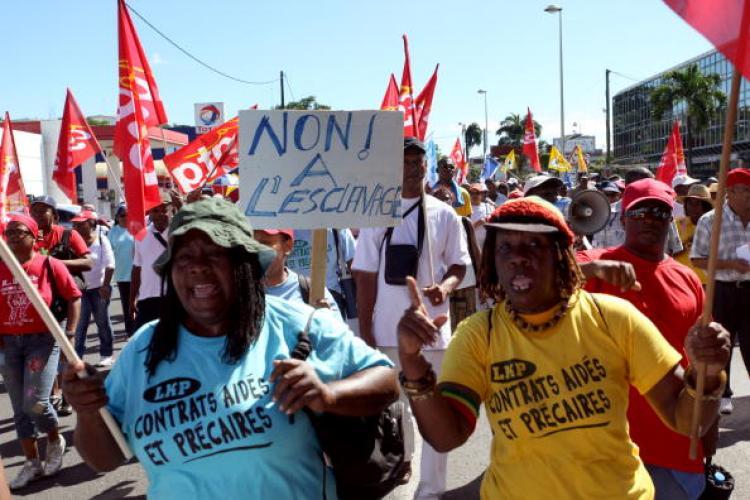
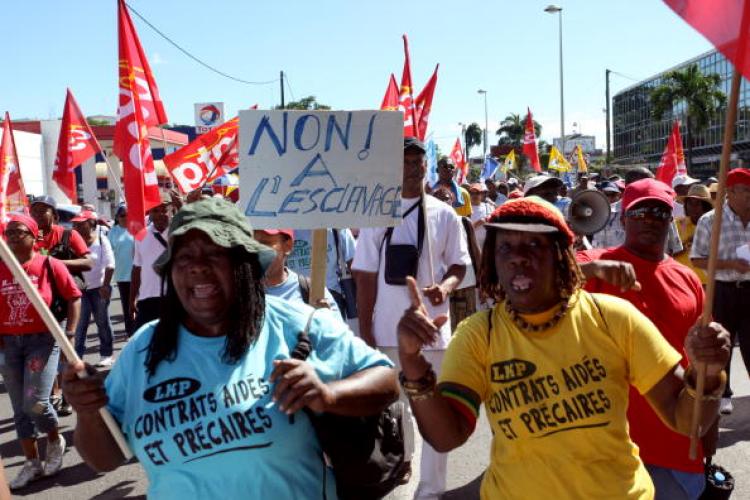
Domota’s Collective Against Exploitation (LKP) led 35 days of protest in Guadeloupe in January and February 2009. Precisely one year later, following a 4 cent increase of oil prices announced on Dec. 30, LKP called for new street protests, the first of which occurred on December 10 and was joined by approximately 7,500 people.
The two regions were asked by a referendum on January 10th whether they were willing to accept more autonomy in what would have been the first step toward independence. Both have been operating under mostly French regulations and laws since World War II.
The unexpected massive refusal—69.8 percent in French Guiana and 78.9 percent in Martinique—comes as a slap in the face for local politicians who have long been lobbying for more autonomy from France.
Particularly significant is the fact that more than 55 percent of people voted, an unusually strong participation judged by local standards.
In Dec. 2003, the last time the French Caribbean islands were asked to express their views on the question of autonomy, the “no” vote prevailed by a thinner margin, indicating that in the context of an economic crisis, the social and economic support offered by France is seen by locals as a guarantee of stability.
According to the French government, the decision “shows that Guyanans and Martiniquans remain attached to a status close to that of their continental counterparts ; they have affirmed the strong link uniting them to the [French] Republic.”
Independent leaders had no choice but to recognize that they had been rejected by public opinion. In Martinique, Alfred Marie-Jeanne, president of the regional council, accepted his defeat. He nonetheless claimed to Le Monde newspaper that “the victory is the result of frightening people in an insidious and rampant way. Yet the walk toward independence must remain at the forefront of our requests.”
For French Overseas Minister Marie-Luce Penchard however, “this vote will put a lid on the issue of autonomy for a while, as it was polluting the debate on an essential question—that is, economic development. This issue is not the answer to problems. The proof is provided when during social crisis, there is no expressed willingness to break ties with the continent.”
Earlier in the week, local union leader Elie Domota denied he had called for a general strike in Guadeloupe starting January 20.
“I don’t know where this comes from. We have only called for a protest and announced we would discuss how to organize other actions,” explained Domota to France Info radio, arguing it was a misunderstanding about a statement he made to Le Parisien newspaper.
French media pundits have said Domota had received early news about vote results and knew his call to strike would not be answered.
Domota’s Collective Against Exploitation (LKP) led 35 days of protest in Guadeloupe in January and February 2009. Precisely one year later, following a 4 cent increase of oil prices announced on Dec. 30, LKP called for new street protests, the first of which occurred on December 10 and was joined by approximately 7,500 people.