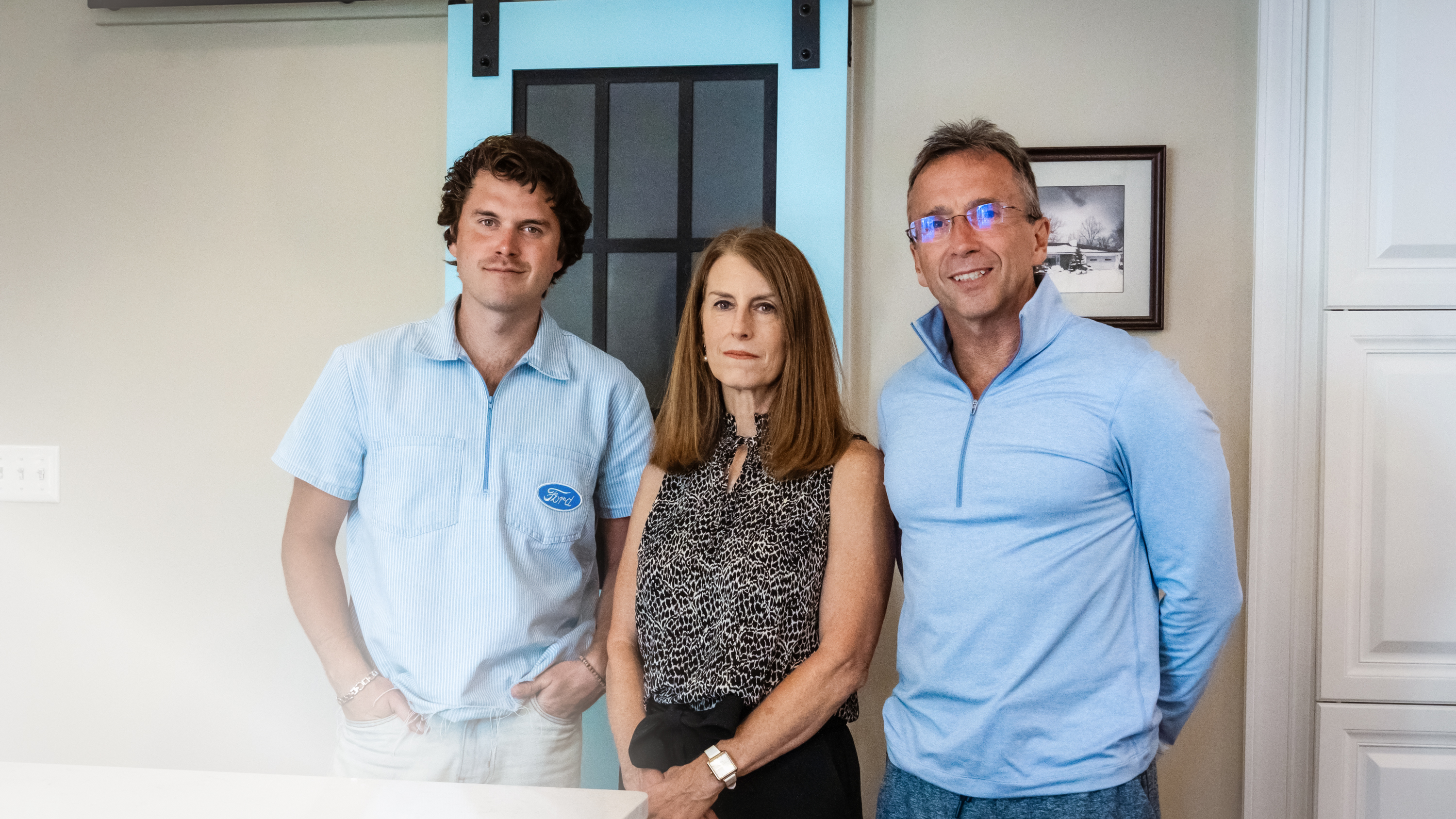

MIDLOTHIAN, Va.—When Cameron Francis was a 22-year-old student at a Christian college, he thought he had found a near-miraculous, innocuous alternative to alcoholic drinks.
An athlete featured on posters promoting Liberty University’s cross-country runners, Francis took his sport seriously. But he would occasionally drink with his buddies. His girlfriend, a teetotaler, disapproved.
So Francis searched online for something else that would help him feel more social at weekend parties.
“And that’s where I came across kratom,” Francis told The Epoch Times.
He said he regrets that discovery now, eight years after he first got his hands on the imported, opioid-like substance derived from a tropical evergreen.
At the time, kratom was relatively obscure in the United States. The federal government didn’t even survey drug users about it until 2018, a year after Francis encountered kratom.
Since then, kratom products have surged in popularity, availability, and controversy.
This summer, citing continuing concerns about toxicity and addiction, federal agencies took steps to ban a synthesized kratom-type product. Known as 7-OH, it’s 13 times more powerful than morphine, the Food and Drug Administration said.
Francis said that based on his experience, even those types of kratom are dangerous.

The Allure of Kratom
No form of kratom is government-approved for medical use in the United States, but millions of people take it.When Francis searched for an alcohol substitute, he learned that Southeast Asians have chewed and brewed leaves from the kratom (Mitragyna speciosa) tree for centuries. Users reported few, if any, ill effects; they touted its energizing, pain-relieving, and mood-enhancing qualities.
Francis recalled when he first used a powdered version of kratom, mail-ordered from California. Mixed with water, it tasted “terrible,” he said, but made him feel “way better” than alcohol ever had.
Kratom’s effects amazed him.

In school, it helped him focus on homework and test-taking.
Francis remembers friends wondering at parties why he seemed content to sip his “tea”—a kratom-laced elixir.
“They had no idea that whatever alcohol is doing for them, this is doing way more for me,” he said.
But instead of serving as Francis’s secret weapon, that green powder became his kryptonite.
Francis and his parents shared his story with The Epoch Times as a cautionary tale.
A Virginia treatment center that helped him is seeing a surge in kratom-addicted patients. Its CEO is joining Francis’s father in his crusade to get kratom banned nationwide.
At the same time, kratom advocates and some scientists say more research is needed to decipher its potential to help—or to harm.
Paradoxical Qualities
Kratom is a botanical enigma; researchers don’t quite understand it.
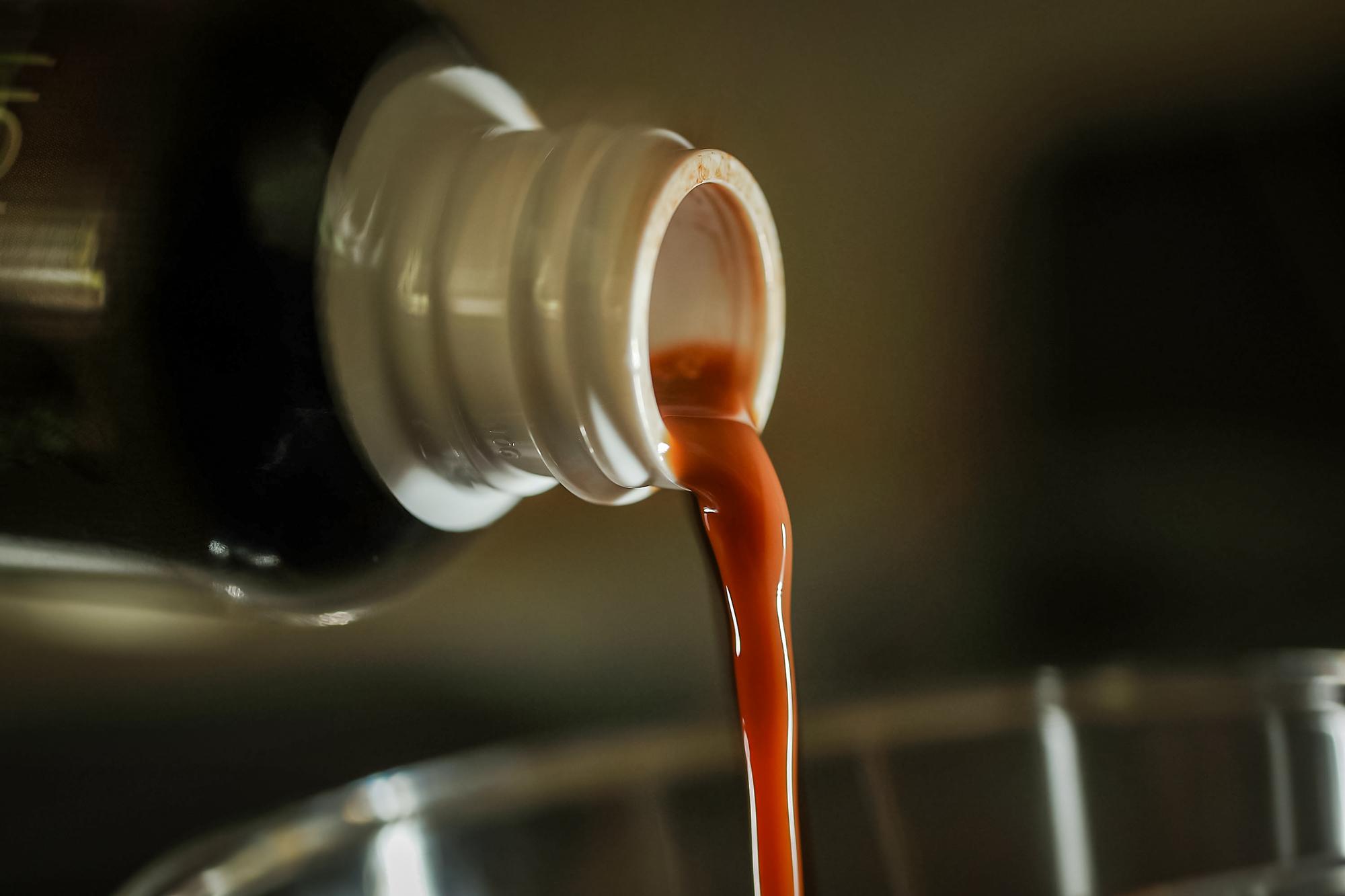
At low doses, kratom acts as a stimulant; at higher doses, it becomes a sedative, the DEA said, and it also can cause “psychotic symptoms, and psychological and physiological dependence.”
Debate Over Kratom
Dean Francis, Cameron Francis’s father, told The Epoch Times that talk of such studies does not change his opinion of kratom.“Kratom promoters want to talk about lab research only to distract from the insidious truth of its high addiction risk,” he said. “It operates just like an opioid and can destroy your life. The issue is most buyers have no idea.”
He said that kratom has powerful allies.

The American Kratom Association’s board chairman is Matt Salmon, a former five-term Arizona congressman, and Paul Pelosi Jr. was serving as the association’s director in 2016 while his mother, Rep. Nancy Pelosi (D-Calif.) served as House minority leader.
The kratom association, which did not respond to The Epoch Times’ request for comment, says on its website that it is “dedicated to protecting the rights of all Americans to legally consume safe kratom to better manage their overall health and well-being.”
Dean Francis rejects any suggestion that kratom is safe.
“The one fact that does not change, no matter the study, is that if you get addicted, you risk losing years of your life to utter torment, or worse,” he said.
The Florida researchers noted that Southeast Asians have used kratom for generations, apparently “with no major casualties reported.” Yet Western nations report increasing problems with kratom.
Differences in consumption habits and product types could explain why, according to the researchers.
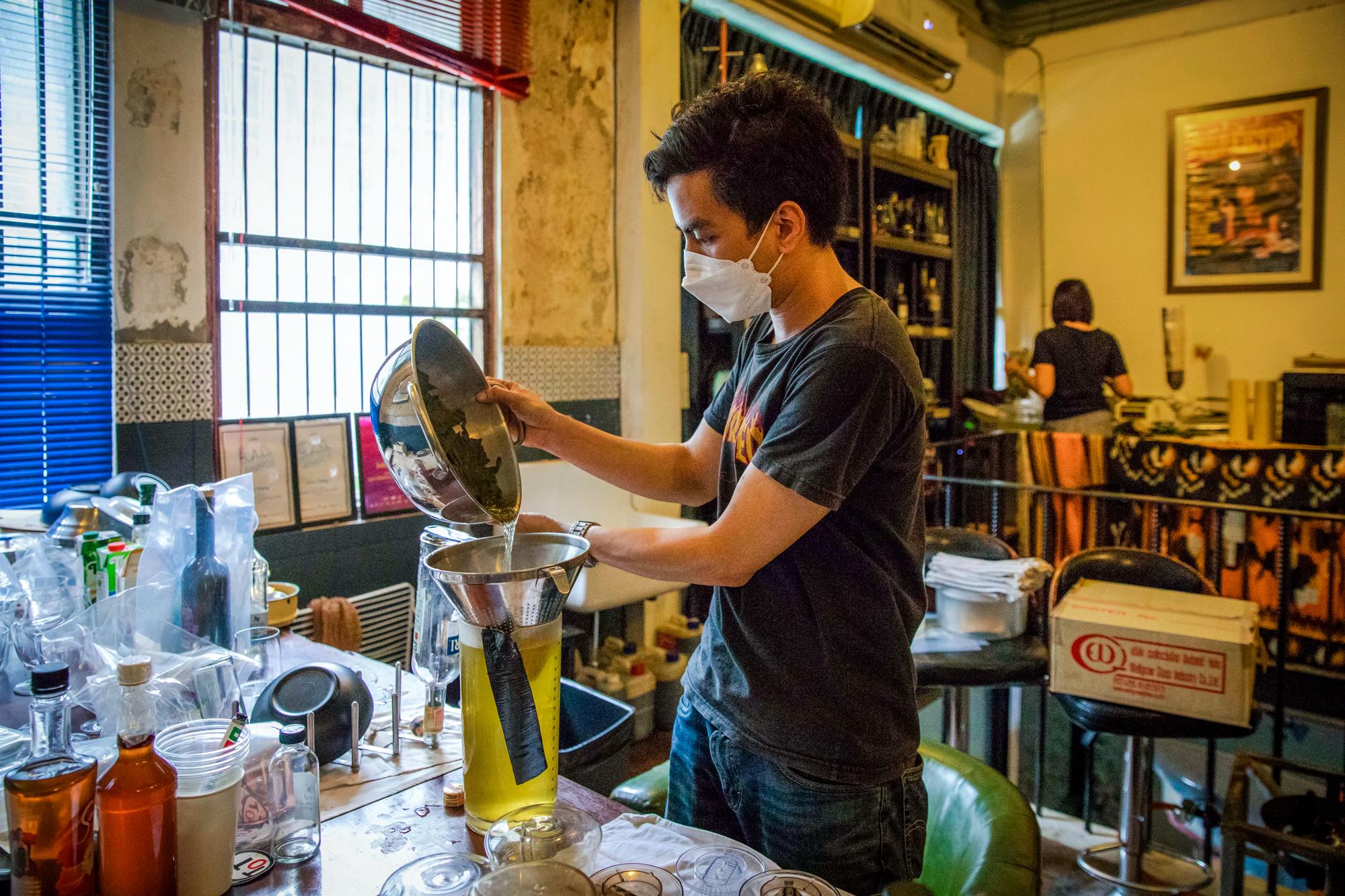
While Asians chew or boil the leaves, users in the United States and Europe are ingesting processed kratom—in powders, concentrated extracts, pills, and gel capsules.
And U.S. users are more likely to combine kratom with other substances.
That is what Cameron Francis did.
Higher Highs, Lower Lows
After he clashed with his new running coach and suffered a breakup with his girlfriend, Francis saw no reason to hold back on alcohol. He was thrilled to find that, when he combined it with kratom, his feelings of euphoria multiplied.“This is so incredible,” he recalls thinking then.
“I was completely hooked,” he said.



His drive to get kratom and alcohol began to dominate his life. Between the stellar highs, Francis said he “felt like garbage.”
“I would wake up, and it would be just like every good chemical had been completely removed from my brain ... and the only solution was more—more alcohol, more kratom,” he said.
He said he felt incapable of functioning without these substances and went broke buying them, while trying to run his own fledgling video production business.
Francis said he got into car wrecks, got fired from a job, and once got belligerent with police, leading to criminal charges.
Those behaviors were out of character.
“It’s not who I am; it’s not the real me,” he said.
He said he grew up in a Christian family with two loving, supportive parents and four siblings.
Now, Cameron Francis says kratom “hijacked” his brain, heart, and soul. It changed the trajectory of his life.
When asked whether he would have tried kratom if he had any inkling that he might become addicted, he responded:
“No, no, no, no—I would never want to touch it,“ he said. “I wish I could go back to the day where I didn’t know what kratom was, or what it was like to feel that euphoria.”
So do his parents.
Signs of Trouble Surface
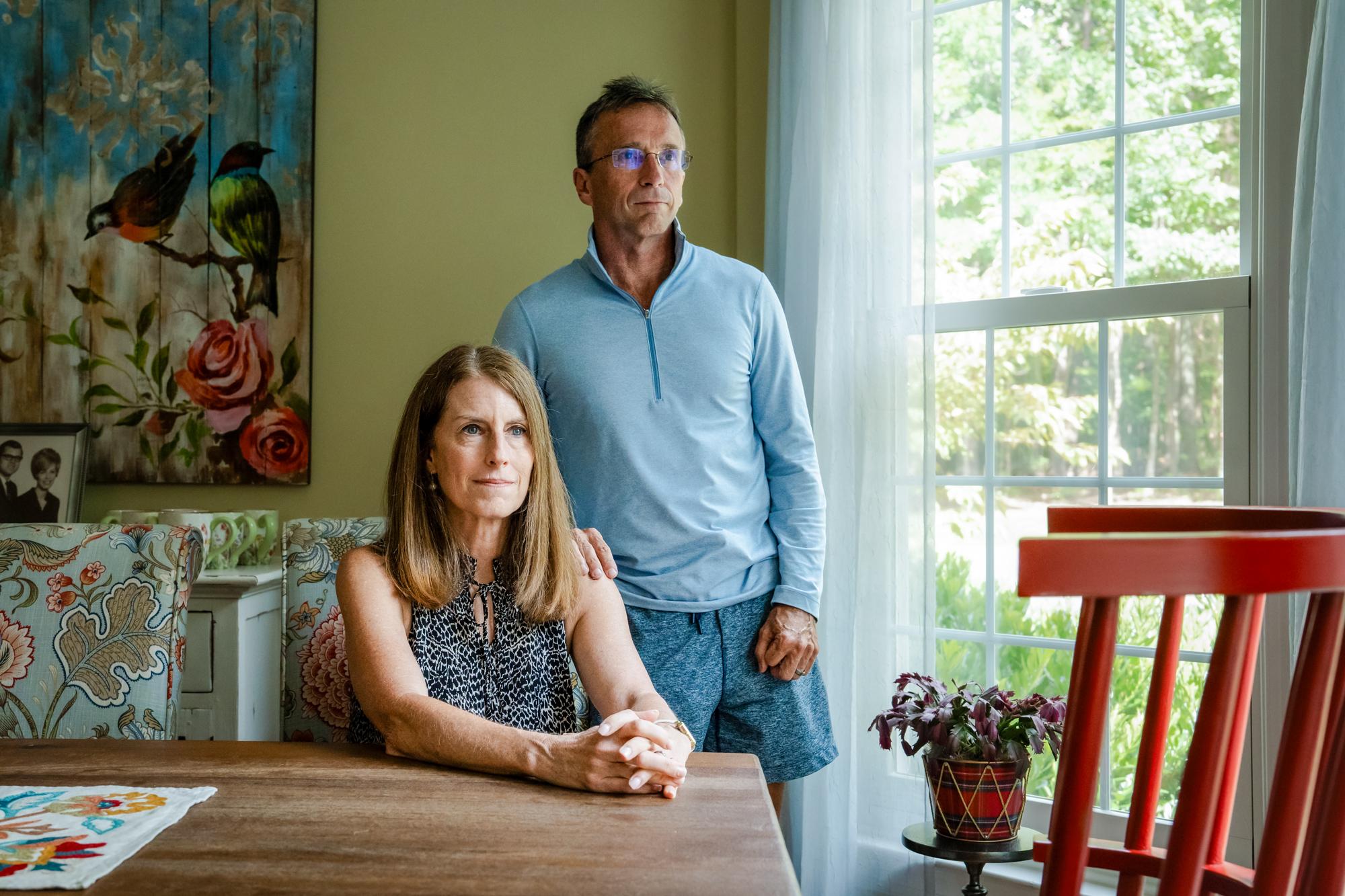
Sarah Francis, a stay-at-home mom, loved cheering for her son at his college track meets. He had been a dedicated, medal-winning runner.But suddenly, during his junior year, “he wasn’t doing well,” she said. He would half-heartedly cross the finish line.
During a heart-to-heart talk with his dad, he admitted to major problems with his new running coach and said that being in the sport was the main reason that he was even attending college.
After learning how severe the clashes were, Dean Francis—an alumnus of Liberty University—told his son that it was OK to quit school and pursue his dream of creating music.
Relieved, Cameron Francis left the school in 2018, his senior year. He intended to pursue a career playing or producing music and would play keyboards and guitar for hours on end, his parents said. But for a few months after leaving school, he remained in off-campus housing with friends.
“He had no school, no athletics, no job—just time,” his mother said.
Months after their son moved back home, a disturbing incident exposed his alcohol abuse.
On Dec. 1, 2019, two police officers showed up at the Francis home during the wee hours. A vehicle registered to that address had crashed head-on into a tree nearby.
The officers wanted to ensure that the missing driver was OK; they said alcohol is usually involved in such situations.
Consultation with the family pastor and meetings at Alcoholics Anonymous followed. Such interventions proved futile.
Nearly two agonizing years later, a medical emergency brought the underlying culprit to light after a doctor tried a new strategy.
By prescription, Cameron Francis took Naltrexone, a medication that reduces urges for alcohol or opioids by blocking effects on brain chemistry. At the time, he and his parents still believed that alcohol—not kratom—was his main problem.
The young man didn’t know that Naltrexone would interact with kratom, too, “blocking receptors in the brain so you don’t get any high from it,” Dean Francis said.
That triggered “a full state of withdrawal, which is extremely dangerous,” he said.
The young man knocked on his parents’ bedroom door. His body was shaking and contorting; his heart was racing.
His mother took him to the hospital.
Recognizing signs of withdrawal, an emergency room doctor pressed for answers about substance abuse.
After Cameron Francis disclosed kratom use, the doctor was puzzled. He needed “to go and do a little research” before he could even help, Sarah Francis said.
Treatment Center Sees Surge
He went to the Richmond-based Coleman Institute for Addiction Medicine. Its CEO, Jennifer Pius Gifford, now owns the center where she began working as a medical assistant 25 years ago.
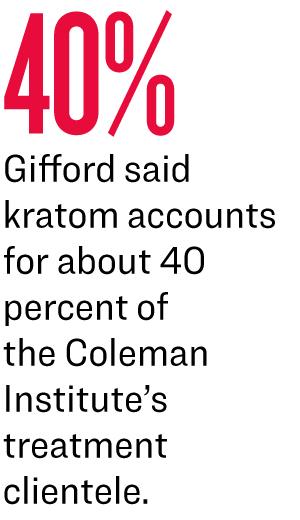
She said kratom accounts for about 40 percent of the center’s treatment clientele—an eightfold increase since 2024. And about 70 percent of phone calls to the center involve kratom.
She said that because of the surge, she believes “all forms of kratom should be Schedule I.”
The DEA classifies drugs as Schedule I if they have “no currently accepted medical use and a high potential for abuse.” It is the most restricted category and includes heroin, marijuana, and peyote.
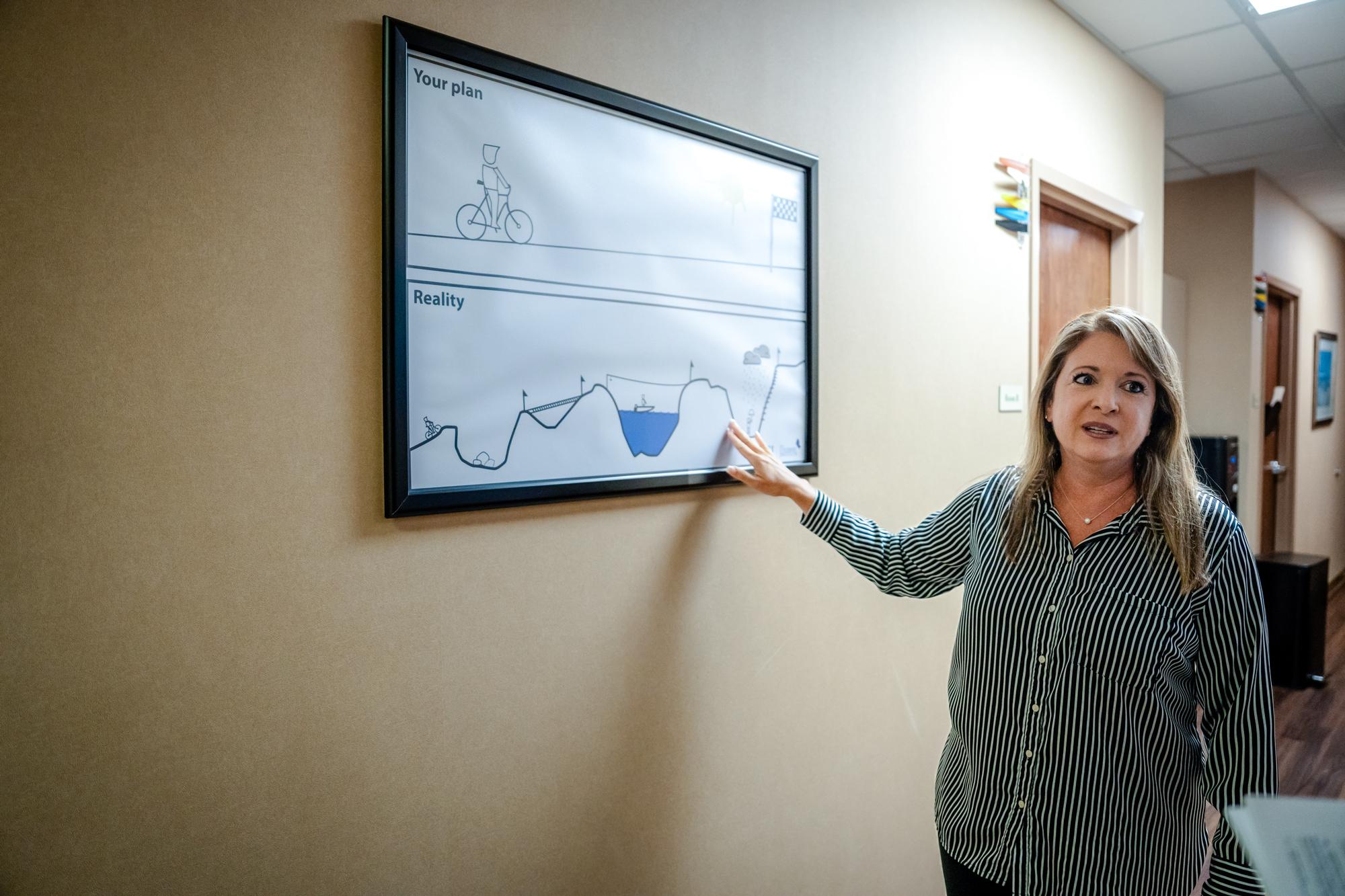
Gifford said most people using 7-OH become physically dependent but that some people on regular kratom have also become dependent.
People who use regular kratom may never become dependent if they use smaller amounts, she said.
Gifford said she thinks her facility is among only a handful in the United States offering kratom-specific detoxification.
One woman told Gifford that other treatment centers responded: “There’s no such thing as a kratom detox. You don’t need a detox off that.”
Using a protocol that the clinic’s founder, Dr. Peter Coleman, spent years developing, the institute uses medications to remove addictive substances such as alcohol, kratom, and opioids from people’s systems.
The rapid detoxification is done on an outpatient basis and takes five days or less, increasing the likelihood of completion compared with a 30-day traditional inpatient treatment with a price tag of $20,000 or more.
The Coleman Institute has affiliates in several cities, including in California, where one woman paid only a $20 insurance copay to undergo detox, Gifford said.

After detox, “the work isn’t done,” she said.
The institute, which handles several hundred cases per year, connects patients and their families with other services to tackle addiction-related issues. For more than 90 percent of patients, that means facing unresolved trauma that caused them to self-medicate, Gifford said.
Some people are more vulnerable to addiction than others, perhaps because of life experiences or differences in brain chemistry. Gifford said their loved ones need to understand that addiction “is a disease that is going to be with them for the rest of their lives.”
Dr. Craig Swainey, a former cancer doctor who became addicted to opiates, tells clients at Coleman up front: “I’m in recovery. Relapse is part of my story. I just tell you that because I don’t want you to think I’m looking down on you.”
He told The Epoch Times that he has treated people from all walks of life, including other medical professionals and even priests.

Addicts’ loved ones have a hard time understanding why addicts cannot use common sense and quit habits that cause so much harm to themselves and to everyone around them.
But the addict may be unable to see the problems clearly because addiction causes “major changes” in how the brain works, Swainey said.
Relapse becomes part of the recovery process when patients “don’t learn how to manage stress and how to cope with everything they’ve been through,” he said.
Detoxification is more complicated with polysubstance abuse, which often accompanies kratom. In addition, kratom comes in many varieties. Those factors add to the complexity of treating kratom addiction—often unbeknownst to its users, Swainey said.
Repeat Customers
Gifford and her husband, Neal Gifford, told The Epoch Times about their experiences in a Richmond-area shop that sells kratom.When a clerk in his 20s showed them an array of kratom products filling a 20-foot space, Neal Gifford asked whether the 7-OH type was addictive.
He said the young man replied: “No, not at all. ... People love it so much that they will come in sometimes two or three times a day to buy it!”
Some patients who beat heroin addiction regret taking kratom because they became addicted to that, too, Jennifer Gifford said. Some reported spending more than $100 per day on 7-OH to stave off withdrawal symptoms that they say are worse than quitting heroin.
Compassion for Addicts
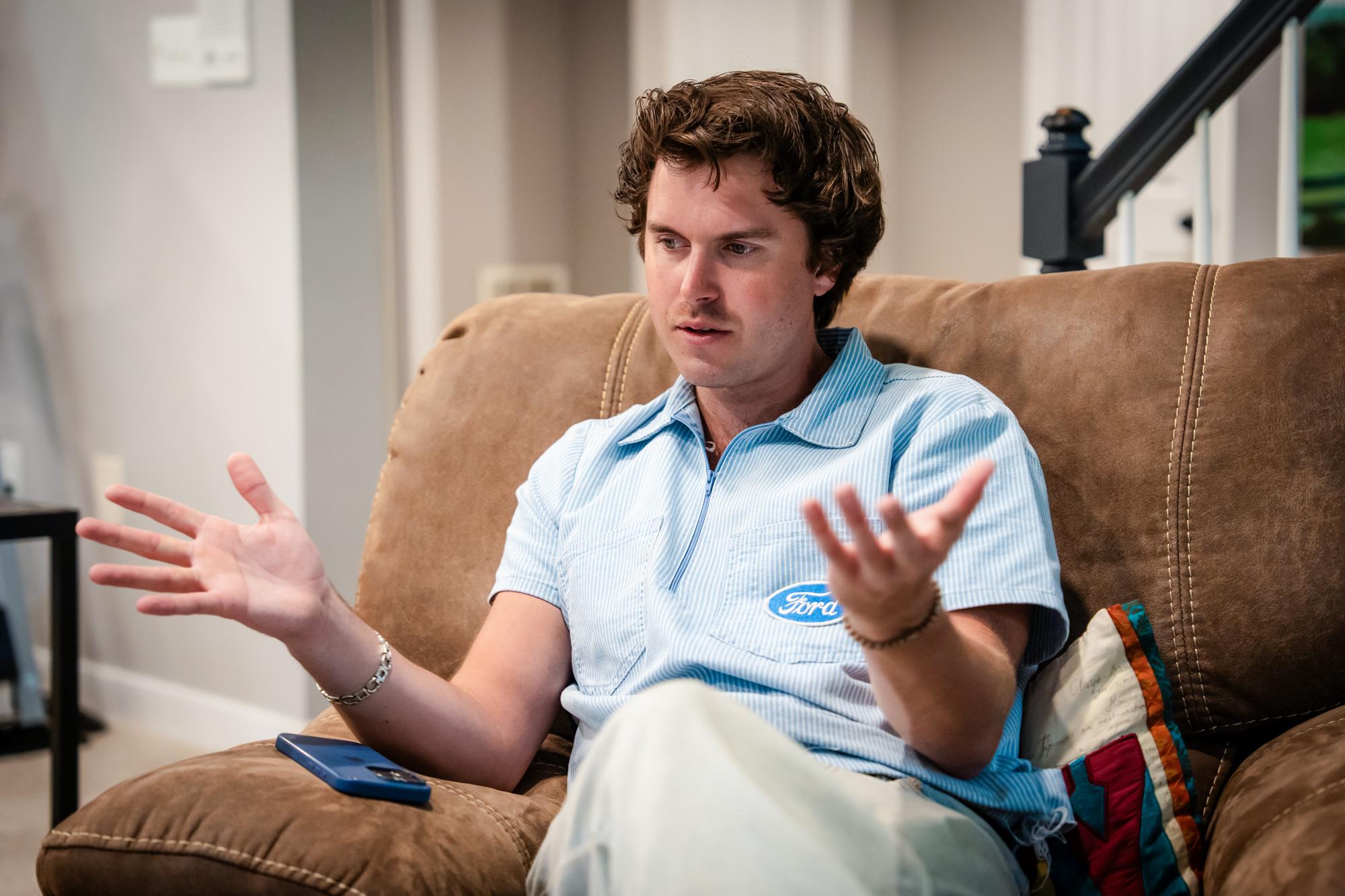
After a five-day outpatient detox at Coleman in 2024, Cameron Francis continued to fight “massive cravings and setbacks,” his father said.The 30-year-old described withdrawal, saying: “You can’t get comfortable. You can’t take a deep breath. ... Your nose is running. Your eyes are watering. It’s painful. It’s mental pain. And psychological terror, physical pain. It’s everything. It’s like the worst pain you can go through.”
He said he thought he could “white-knuckle” his way out of addiction.
That didn’t work.
“It’s not the same as just working hard, having a hard work ethic or discipline,” Cameron Francis said. “It’s your own body fighting against you. ... And willpower is not something that can help you fight it.”
Like many people, he once looked down on addicts. He had previously believed “they’re just choosing to do this, ... they’re not strong enough to make the right decision, ... just unintelligent lowlifes.”
He said he learned that is a false stereotype. Although he has met addicts from “a really rough background,” he said, others were “very upstanding, good, intelligent people” from a “solid family” much like his own.
Asked what he would say to a person considering taking kratom, Cameron Francis offered this advice: “Know that this is what you’re getting into. ... You’re going to enjoy it—a lot.”
But that will be followed by wanting more and more of it, he said he'd advise.
As the habit becomes increasingly unaffordable, the effects also become less pleasurable, he said, warning, “You’re going to be a miserable person as your life goes into shambles.”
He said he hopes that society can learn an important lesson from stories like his.
When addicts are behaving badly, people ought to remember, “There’s a real person under there that needs help.”
“Anytime I felt judged ... or I was upsetting someone because of my choices, it made me want to dive deeper into addiction,” he said.
Thus, he said, the closest thing he has seen to a “cure” for addiction is “compassion and kindness.”
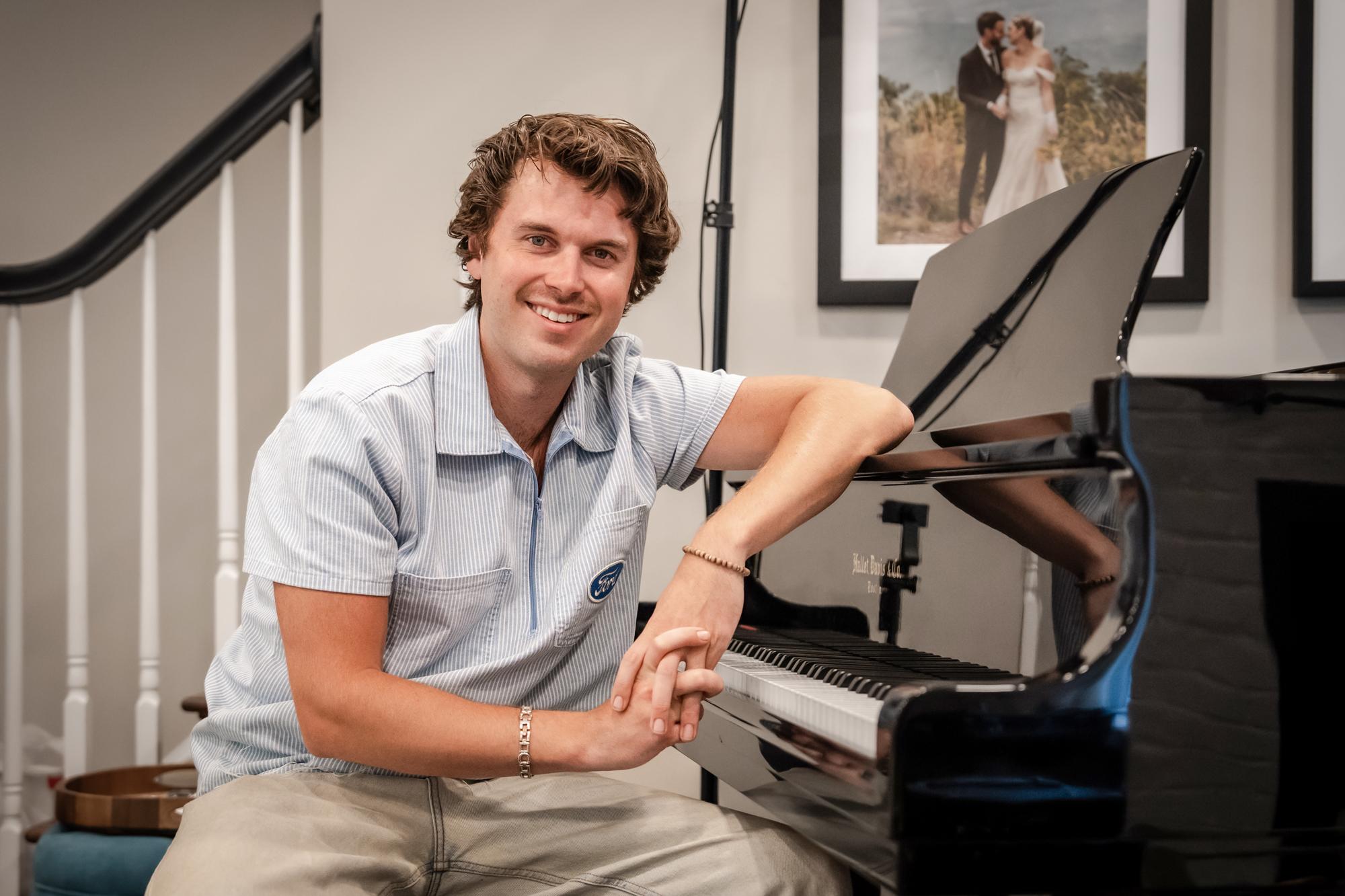
It’s a message that Cameron Francis said he hopes to convey with his music someday.