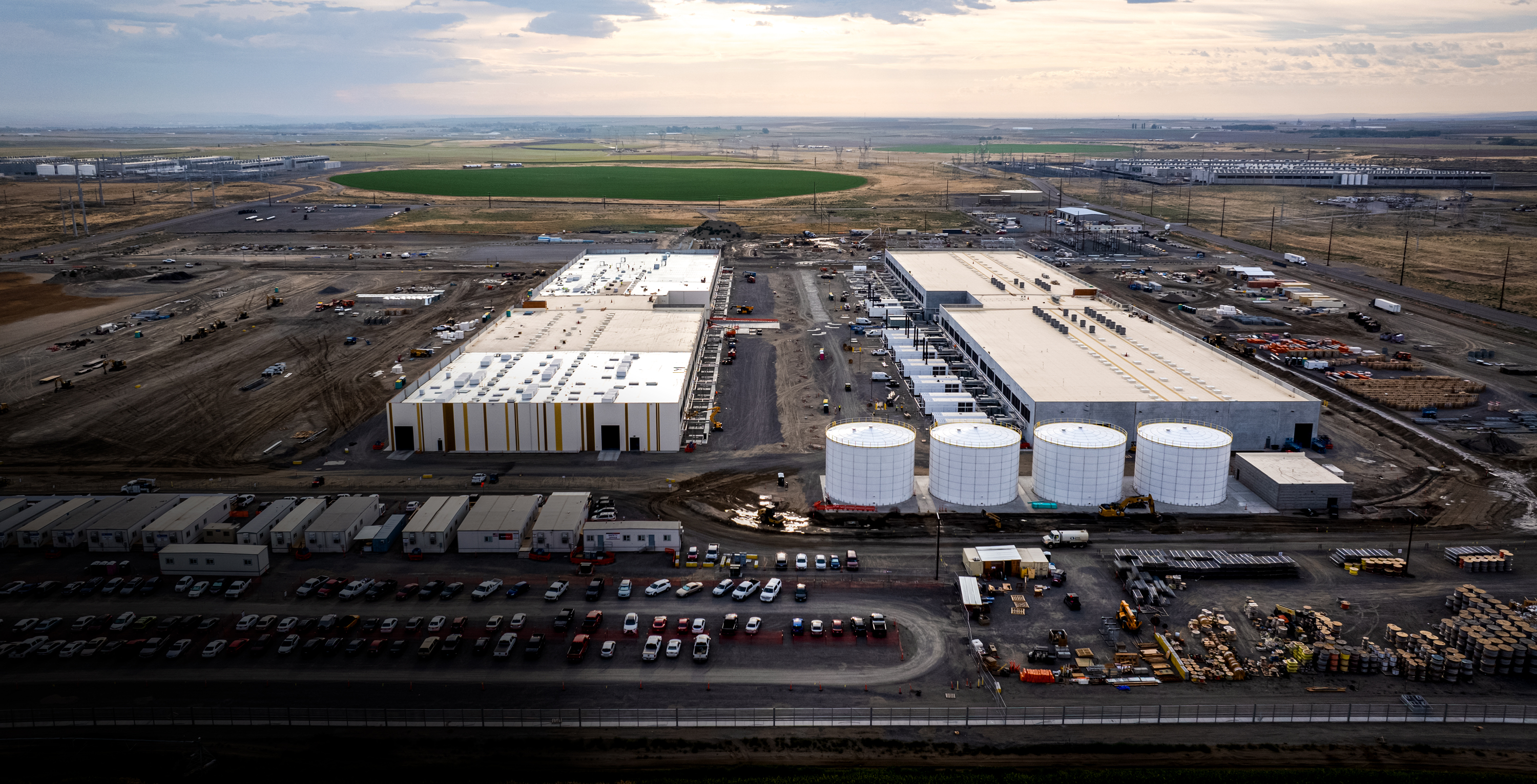

But assessing how many data centers—a ubiquitous term for “server farms,” supercomputer networks, and bitcoin and crypto “mines”—exist right now in the United States is, in itself, a quixotic foray into computing.
And yet, as Interior Secretary Doug Burgum said during the April 30 Hill & Valley Forum, an annual gathering of congressional lawmakers and Silicon Valley venture capitalists, the need to build out the nation’s electric grid to power more data centers is “one of two existential threats we face as a country,” the other being Iran’s development of a nuclear weapon. If that need is not met, the nation will “lose the AI race with China.”
These “load growth” assessments, coming after years of relative stagnation in electricity usage, were issued after the late-2022 advent of OpenAI’s ChatGPT. That shockwave rattled utilities, regional transmission operators, and state public utility commissions, sending them scrambling to scale up electrical grids to accommodate this projected growth in data centers.
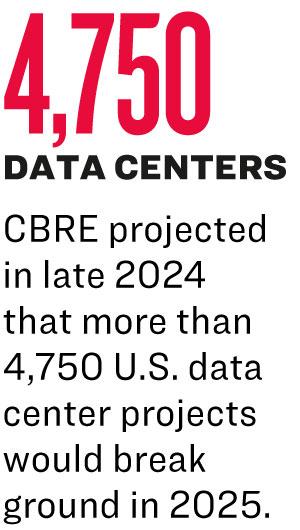
However, there is no single-source registry documenting how many proposed data centers are now being reviewed before local planning boards.
That vagary was the genesis of Data Center Watch, a research firm tracking the trend and opposition to it, according to founder Robert McKenzie, a former Columbia University adjunct professor of international and public affairs.
Much of the media coverage of data centers was “very specific, anecdotal” local news and social media reports, McKenzie told The Epoch Times.
“We hadn’t seen anybody pull together all the data,” he said. “So we thought, ‘What would happen if you looked across the whole country?’ We weren’t sure what we were going to find.”
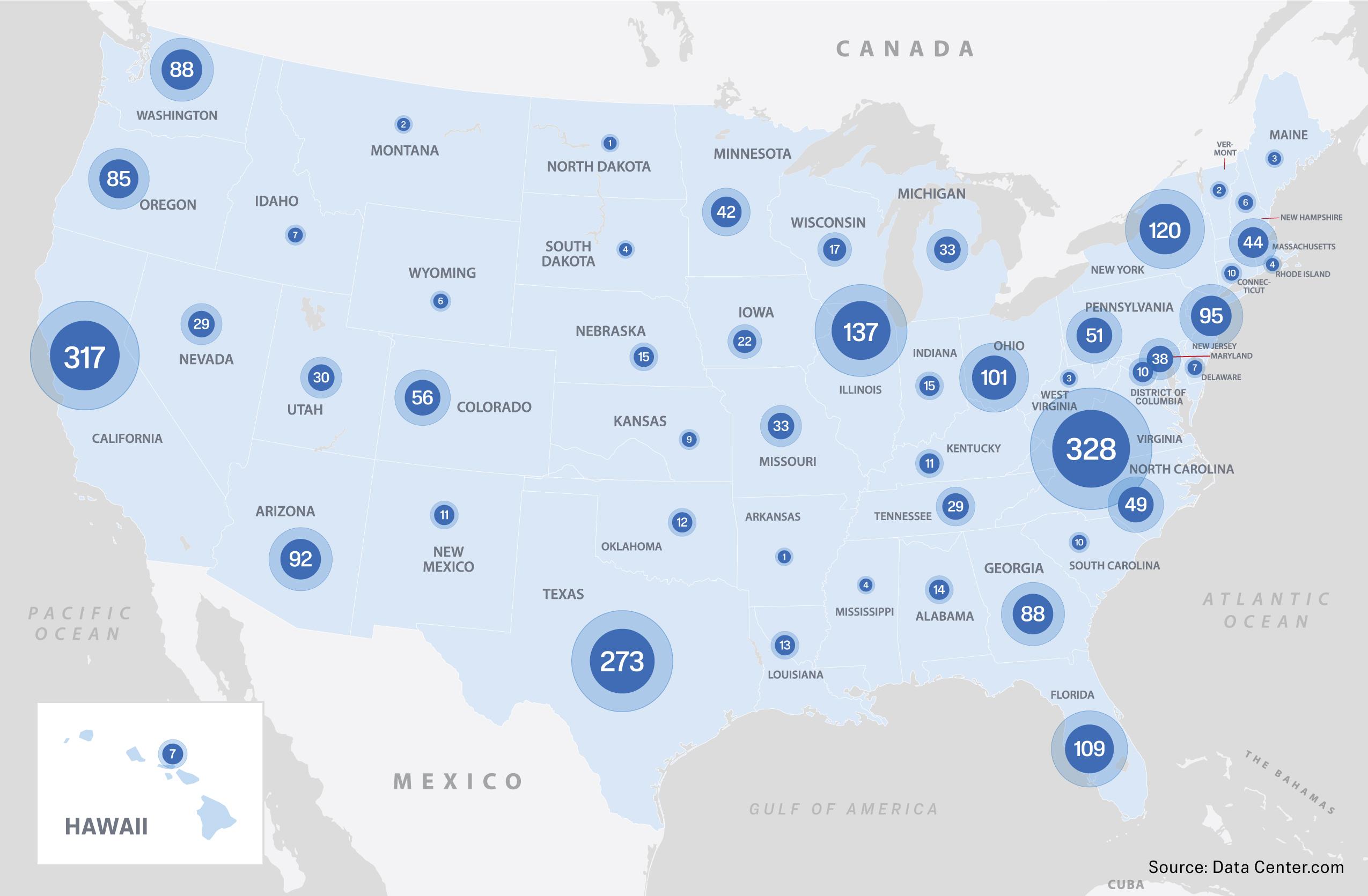
The second trend is local opposition, which also helps track new data center projects.
“There’s lots of anecdotal reporting from many, many outlets and bloggers about ... local pushback here, pushback there; there’s more local opposition than certainly we would have imagined,” he said. “In other words, we keep hearing how these projects are coming, but they’re already here.”
Not in My Backyard
The rapid expansion of data centers is facing resistance from locals across the nation.McKenzie acknowledged that the report, like Data Center Watch’s weekly updates, is an incomplete tabulation. It’s derived from “public statements or what’s happening at a town hall meeting, if there’s ... a press release, or if there’s media coverage,” he said.
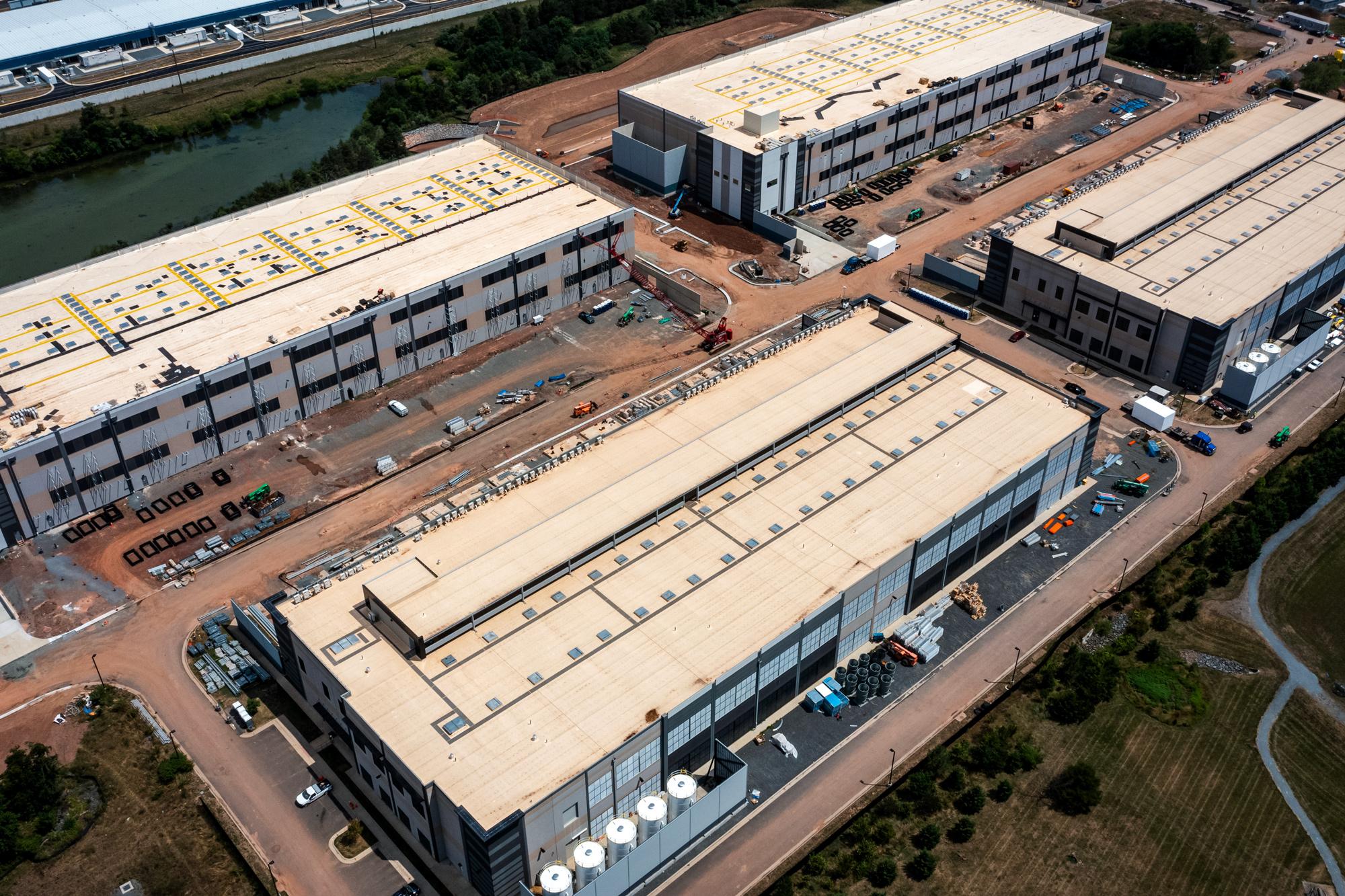
Nonetheless, what emerges is a tip-of-iceberg indication that data center proposals are roiling communities nationwide.
“Candidly, when we did [the March report], we thought, ‘Holy smokes, $64 billion in blocked or delayed?’” he said. “That gives you a sense of how much pushback there is at the local level.”
But only 35 percent of those queried in the survey “would vote ‘yes’ to data center construction in their hometown” if such a proposition were presented to them.
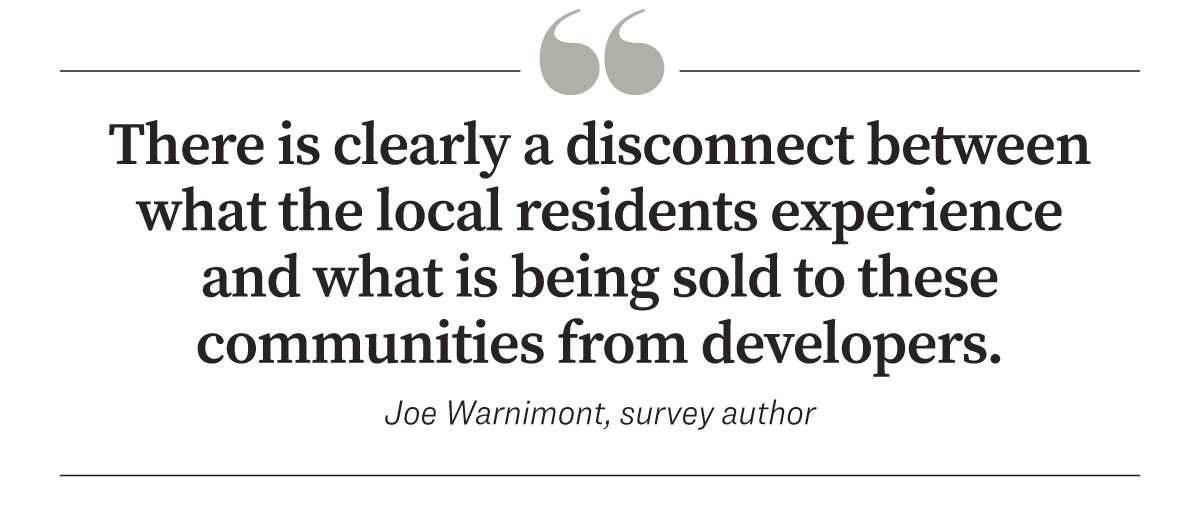
“There is clearly a disconnect between what the local residents experience and what is being sold to these communities from developers,” survey author Joe Warnimont told The Epoch Times.
“It’s not necessarily about opposing technology in their communities. It’s more that people in these communities want to maintain control over resources and development, whereas that’s clearly not necessarily the case right now.”
The Data Center Watch report, the HostingAdvice.com survey, and a Google search unspool a gamut of objections. Some are unique to specific sites in specific communities, but most cite common concerns such as demand for electricity, need for water, noise complaints, and possible devaluation of nearby property values.
Opponents generally question whether the projects will generate the jobs others could create. They often allege that local governments are being seduced by developers into offering tax breaks and incentives—shielded by nondisclosure agreements. Or they report that local governments are being preempted by state legislatures that limit municipal planners from rejecting or modifying proposals.
Bipartisan Backlash
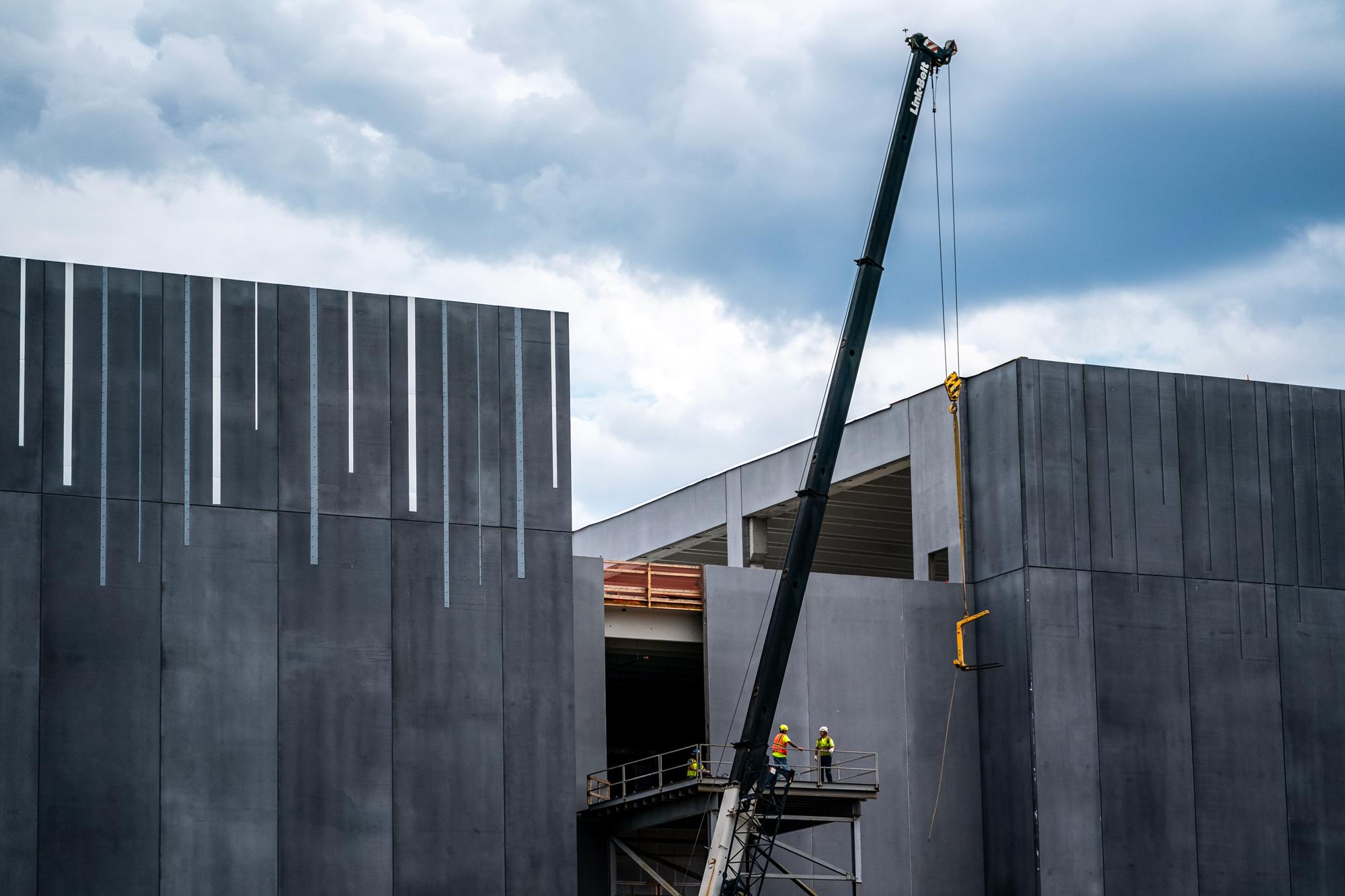
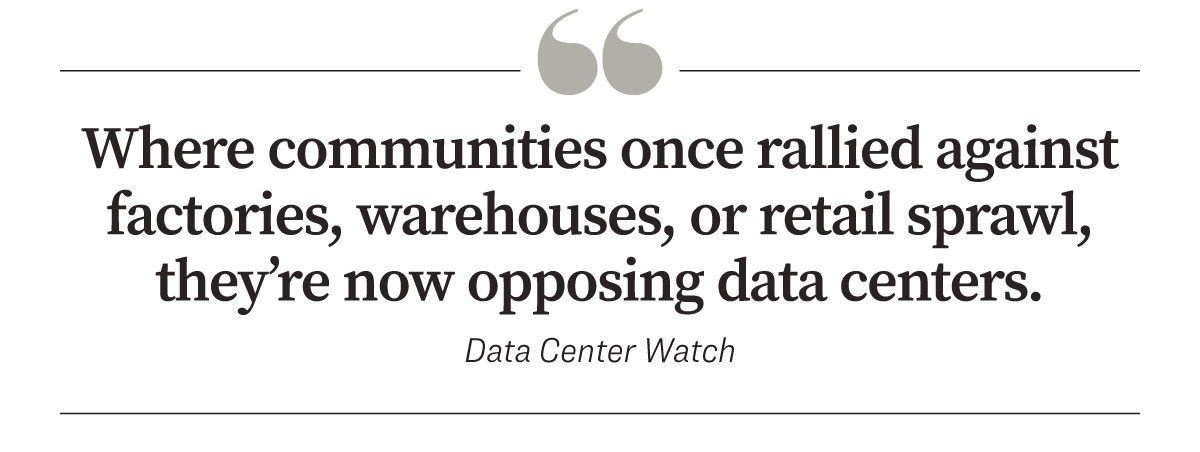
The backlash against the projects is bipartisan. Locals don’t welcome data center projects despite enthusiasm for AI, making data centers the new not-in-my-back-yard flashpoint, the Data Center Watch report concluded.“Where communities once rallied against factories, warehouses, or retail sprawl, they’re now opposing data centers,” the report reads.
“From noise and water usage to power demands and property values, server farms have become a new target in the broader backlash against large-scale development. The landscape of local resistance is shifting—and data centers are squarely in the crosshairs.”
Warnimont said: “I don’t know if [local opposition] has anything to do with political affiliation. It’s just, ‘Do I want this in my backyard or not?’”
“This is absolutely across-the-aisle stuff,” Kamil Cook, a climate and clean energy associate with Public Citizen Texas, said about local opposition to data center development in the Lone Star State.
In rural Texas, that means that data center opponents are typically bright-red Republicans.
4 Waves



Data Center Coalition communications director Jon Hukill said most criticisms leveled at data center projects are standard land-use challenges, which would surface regardless of what the specific proposal was.
Hukill’s six-year-old, 36-member, Washington-based trade association represents “hyperscalers”—corporations such as Meta, AWS, and Microsoft—and “co-location” companies, such as Equinix, which own data centers leased to operators.
“I think what you’re seeing is reflective of the increasing number of states and communities where data centers are developing,” he told The Epoch Times.
He said that not only are these operations new in public perception, but also, many are being proposed and built in “secondary” and “tertiary” markets that historically have had little industrial development.
Hukill said there have been four general waves in the evolution of data centers, which emerged in the 2000s with the growth of the internet.
The first wave, he said, was in New York and New Jersey, “because of the closeness to Wall Street—the need for very fast transactions.”
The second wave took root in California’s Silicon Valley and in northern Virginia, which is commonly referred to as “Data Center Alley” and has the world’s most dense concentration of data centers, according to Hukill.
The third wave is unfolding in secondary markets, such as suburban or exurban communities in Ohio and Georgia, he said, and increasingly in tertiary markets as well.
“Really, just in the past couple of years, we’ve seen the development of tertiary markets where there’s really been very little history of data center development whatsoever. Think of places like Mississippi, Alabama, Iowa, and Indiana,” Hukill said. “This is where the opposition is coming from.”
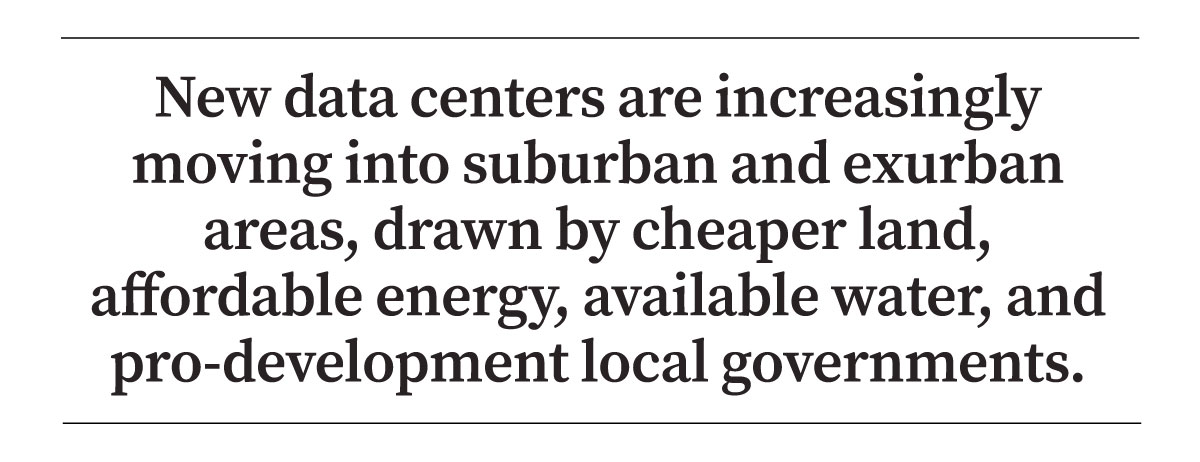
There are numerous reasons for that development, such as less expensive land, affordable energy, water availability, and local governments eager for economic development.
“There’s been much more interest in [tertiary markets] where you’re starting to see more and more investments—you know, ‘billion-with-a-B' type investments—in some of those states where, typically, those were only happening in those primary markets,” Hukill said. “It’s important to understand the data center industry is not monolithic.”
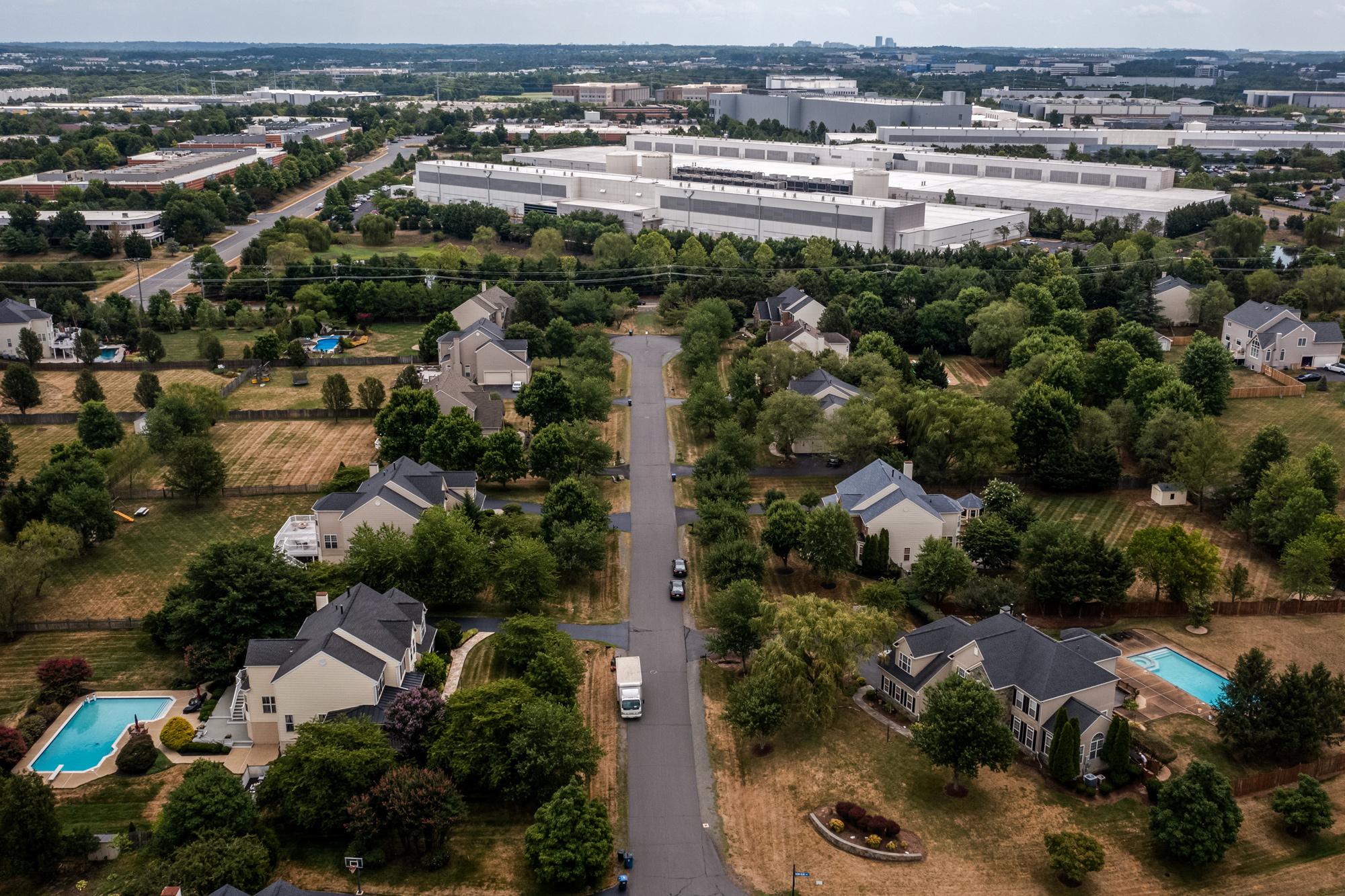
“You know, some of the challenges data centers have are contextual,” Gillis told The Epoch Times. “Where’s it located? What’s the visual or compatibility impact there?”
Gillis said that in some jurisdictions where, for instance, the population growth is rapid, traffic is a challenge, and school building or school capacity is a challenge, criticism is general angst over growth and development, not necessarily specifically about data centers.
Developers have recognized that these local challenges are legitimate, she said.
Point Counter Point
The most commonly cited issues with proposed data center projects are their voracious demand for electricity and water, resulting noise, and job generation.Electricity
Fast-tracked data center development will cost ratepayers in 13 Midwest states as much as $9.4 billion beginning this year, according to Monitoring Analytics, the grid’s independent market monitor. Those 65 million consumers span 1,100 member utilities within the PJM Interconnection regional transmission organization.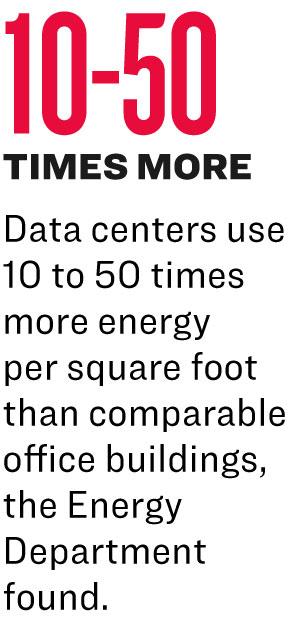
Goldman Sachs Research forecasts that global power demand from data centers will increase by 50 percent by 2027 and by as much as 165 percent by the end of the decade.
Protect PT Executive Director Gillian Graber, whose nonprofit opposes a proposed data center project in Westmoreland County, said that among the reasons local residents are concerned is “the demand that data centers will bring onto the grid.”
“Pennsylvanians could see an increased cost in utilities as a result—electric and gas utilities,” she told The Epoch Times.
“The availability of power is the pacing challenge of industry, and that’s true of the data center industry, but it’s also true of all 21st-century industries,” Hukill said.
“Part of the reason [to expand the grid] is because of the demand for data center services. Partially, it’s because of reshoring and manufacturing. It’s the electrification of everything, businesses, electric vehicles, appliances. These are large loads, too.”
Many data center developers prefer renewable energies such as wind, solar, and nuclear to natural gas and coal but cannot wait for small modular nuclear reactors to become widely available. They’ll go where energy is available, according to Aaron Tinjum, vice president of energy policy for the Data Center Coalition, speaking during a February energy policy conference in Washington.
Many are also seeking to “co-locate” on utility power plant sites or retired coal-fired plants or to build their own electric generators that, instead of tapping into the grid, can add capacity.
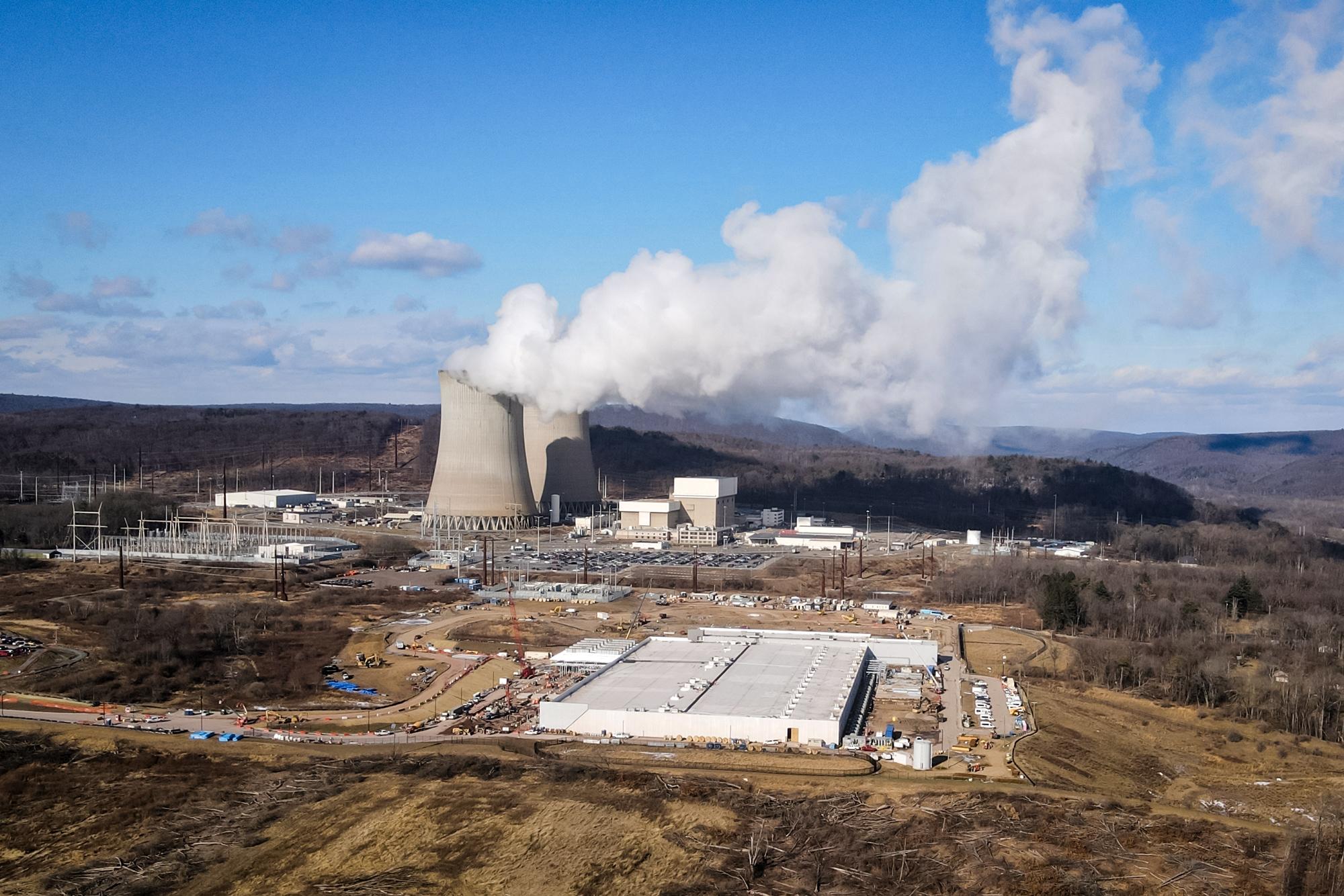
“We’ve got clients who said: ‘You know, look, it’s going to take you too long to get the power to us. We‘ll figure out self-generation between now and then [and] whatever we don’t need, we’ll sell back to you,’” Gillis said.
Renewables aren’t sufficient for data center needs, he said.
“The average data center would require 1,000 acres of solar panels,” he said, noting that the 62-turbine wind energy plant on Martha’s Vineyard would provide only enough juice to support about 10 of Loudoun County’s data centers.
Water
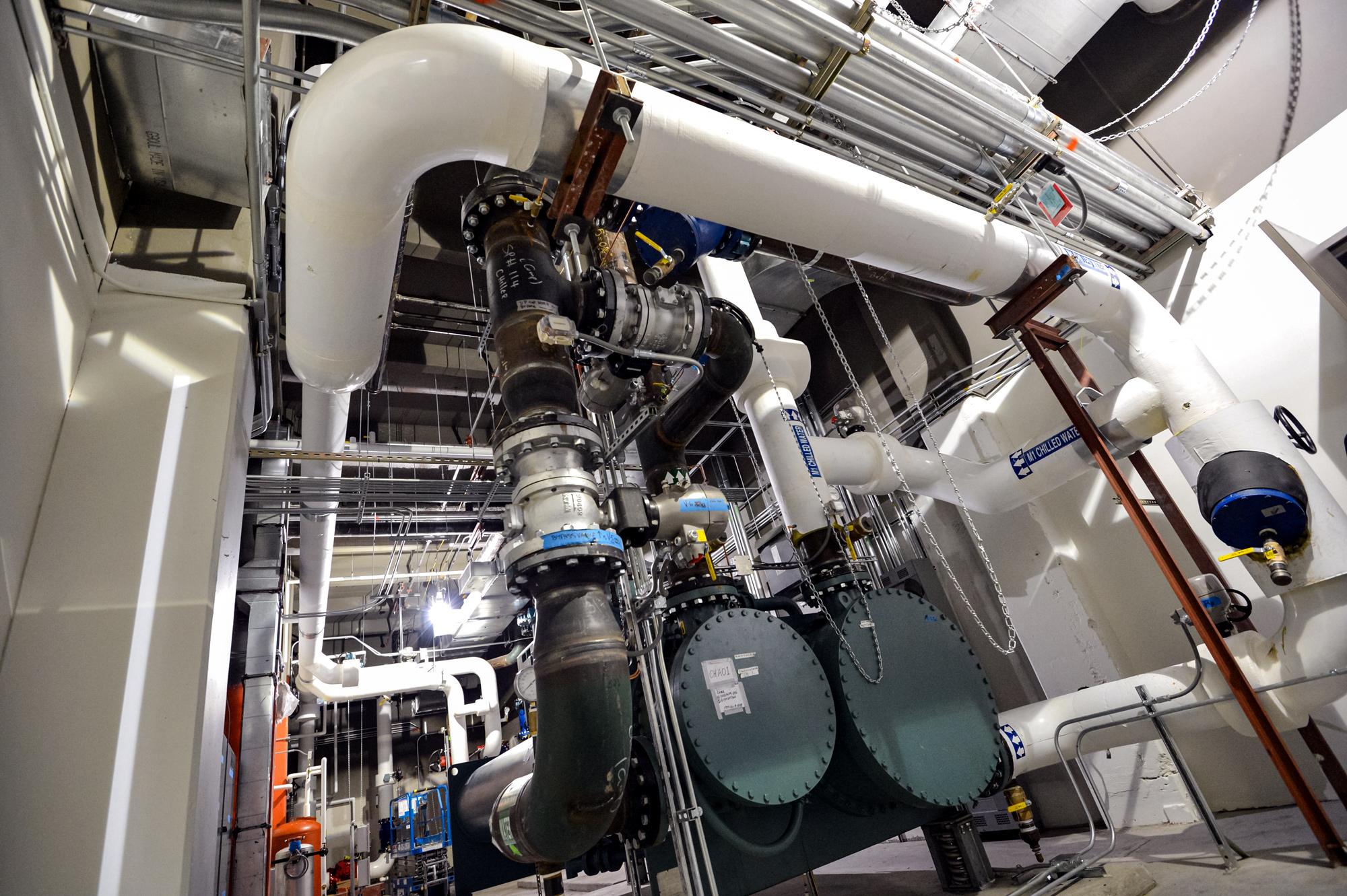
Data centers consume a great deal of water to cool servers. According to a July 2024 University of Tulsa analysis, a single data center can consume up to 5 million gallons of water per day.“[That’s] enough to supply thousands of households or farms,” the analysis reads.
But data center technology is evolving, and few “data centers 2.0 and 3.0” need that type of water use, with most recycling water and using different technologies to cool servers, according to Gillis.
“A couple of years ago, all the data centers [used] evaporative cooling,” she said. “That meant that they used a lot of water to cool down the data center.”
Few do that now, she said.
Citing Virginia’s Joint Legislative Audit & Review Commission report, Hukill said in 2023 that 83 percent of data centers in Virginia used the same amount of water as—or less than—the average large office building.
However, in the same tertiary markets where energy is often available and relatively inexpensive, such as outside Phoenix, where dozens of data center campuses were operating in December 2024, water can be scarce.
Data center water use can be a factor even in areas with abundant water resources, such as western Pennsylvania.
“In addition to your typical site location, noise, light pollution, those kind of things, water usage is a big concern,” Graber said. “These data centers will be run by gas-fired power plants, and gas-fired power plants need gas, and we already have a tremendous amount of water usage from the fracking industry on our local resources.”
In Pennsylvania’s Westmoreland County, Beaver Run Reservoir, a major regional source of drinking water, was affected by extended periods of drought “at least two years in a row,” Graber said.
“Fracking companies were still withdrawing our water,” she said. “So while everyday Pennsylvanians were asked to conserve water, the fracking industry was still taking the water.”
Water used to cool data center servers can be used for other things, such as golf courses. It eventually finds its way back into creeks and streams and is processed through the water cycle, according to Graber.
Noise
Generators, HVAC cooling systems, and drawing power from energy from the grid can produce a buzz “comparable to the noise of a lawnmower or a busy city street.” At up to 96 decibels, that could lead to hearing loss at sustained exposure, according to a Sensear study.Data centers are actually “quieter than many common sounds—jets, lawn-mowers, conversations at three feet,” Hukill said. Data center sound “is not harmful to human hearing and is rarely loud enough to violate noise ordinances.”
“A large majority of data centers do not generate noise complaints,” he said.
That claim is documented in the Virginia Legislature analysis, according to Hukill.
“There are now sound dampeners,” he said. “If a community says that the chilling units that sit on top of a data center [are] maybe too loud, data center companies have worked to put in sound dampeners to reduce that noise.”
Job Generation
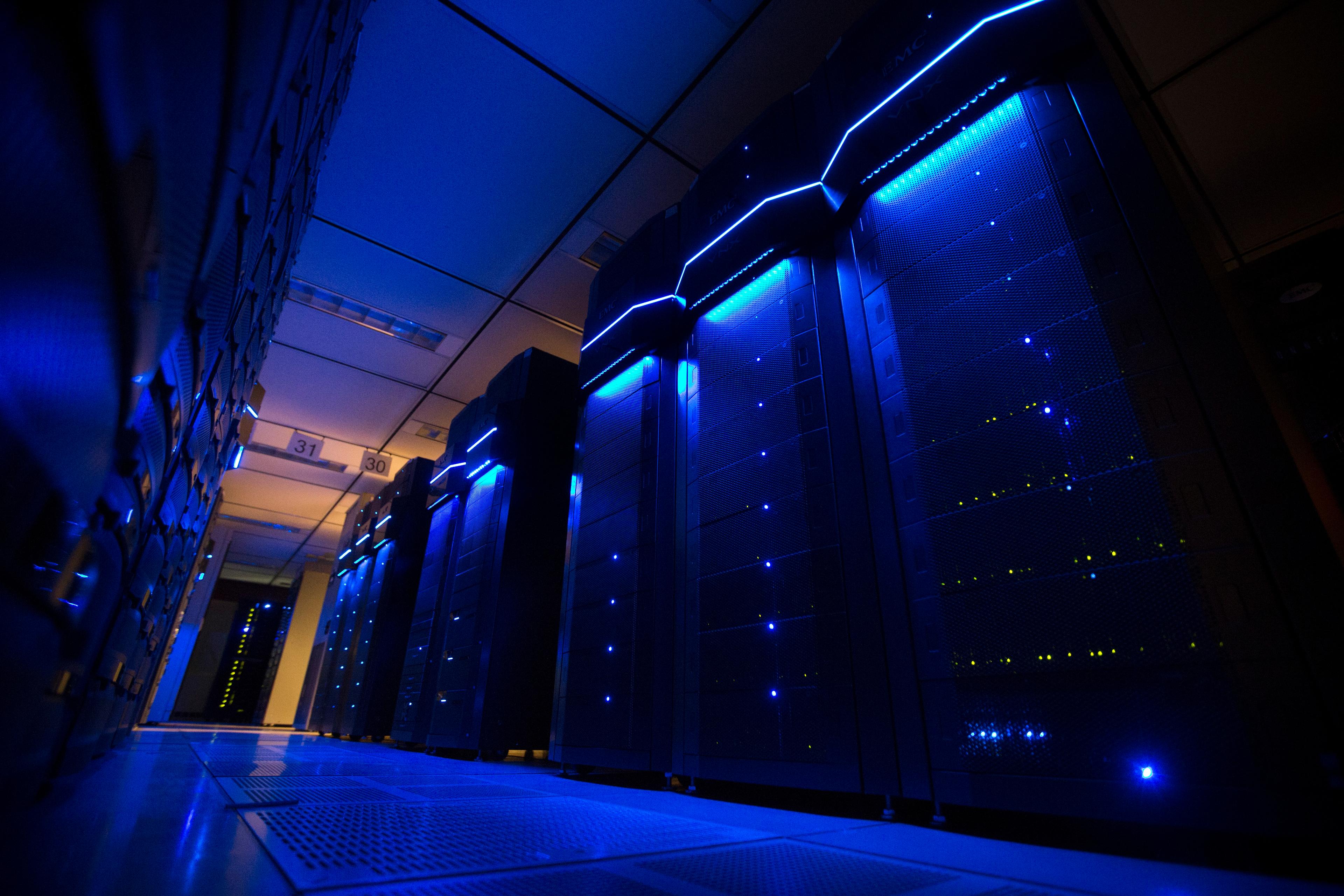
According to Area Development Magazine, building a typical data center creates hundreds of jobs for skilled trades such as electricians and engineers. But long-term, on-site employment generated by data centers is generally lower than that of other industries such as manufacturing and corporate headquarters, according to an August 2024 Pro Publica report.The report reads: “Data centers employ relatively few people on a permanent basis. Overseeing the servers doesn’t take much labor compared with other large industrial outfits, and the facilities are easy to distinguish from other hulking manufacturing buildings because of their small or mostly empty parking lots.”
The relatively few jobs—some describe data centers as “one job for every two acres occupied”—was a recurring criticism in the HostingAdvice.com survey, Warnimont said.
“There might be this common conception out there that if you go to an average data center, it may have 50, maybe 100, full-time badged employees,” he said. “But those numbers really don’t capture the scope of the number of jobs that are supporting that data center.”
For instance, Hukill said, a co-location or “colo” data center that leases space to computer network operators, similar to the way a retail shopping works, adds another layer of employees who manage and maintain the property.
Transparency
Objections vary from proposal to proposal and site to site. But a common claim is that state and local governments offer data center projects tax incentives, often shielded from public scrutiny through nondisclosure agreements under the guise of proprietary corporate intelligence.The lack of transparency fosters suspicion and anger, according to Cook.
“Just from our experience, it seems like one of the big concerns is that, yeah, there is no community outreach,” he said.
“There’s no method by which the community can be informed in a way that actually makes it seem like their voice is valued and that they have a choice in these matters.”