Southern China has seen a COVID-19 infection peak amid a nationwide surge in the summer, according to published data, a top Chinese virologist, and local residents. Meanwhile Hong Kong health officials reported a 15.6 percent death rate among severe cases.
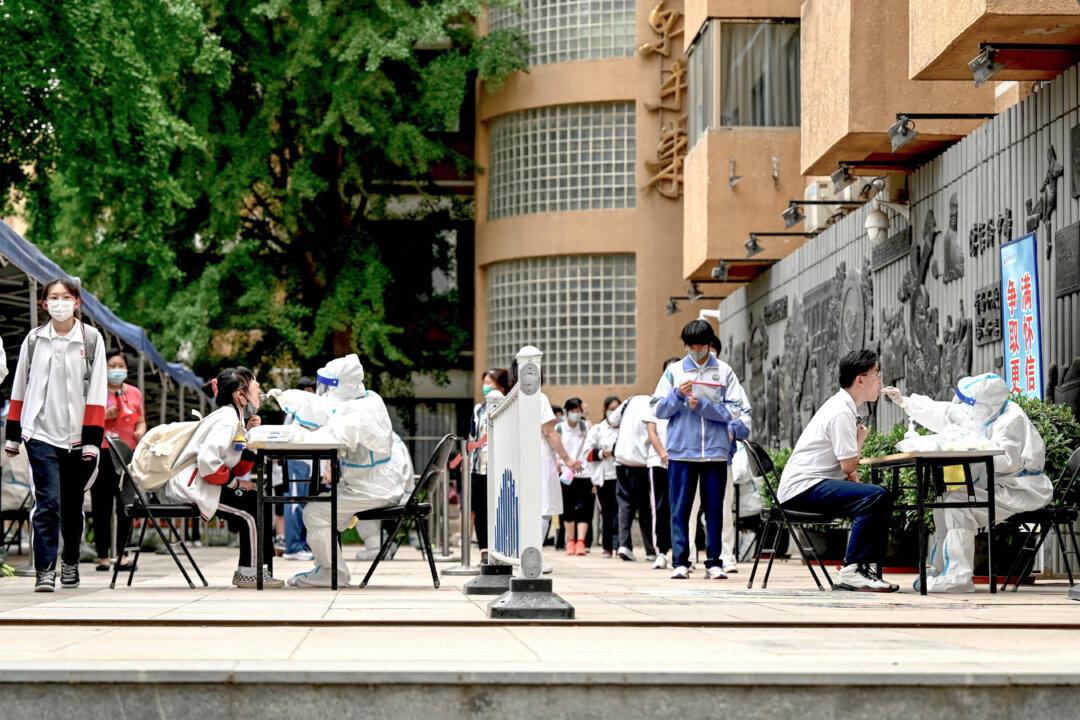
The SARS-CoV-2 infection rate nationwide rose to 11.9 percent among outpatients and emergency patients with influenza-like symptoms July 6-12, a jump from 1.1 percent in late April, according to the latest data released on July 16 by the Chinese Center for Disease Control and Prevention.
All locally reported cases in June were caused by the Omicron variant; the dominant strain was NB.1.8.1 and its sub-lineages, accounting for over 95 percent of cases, according to Chinese health authorities.
On July 20, Zhang Wenhong, China’s top virologist and Director of the National Medical Center for Infectious Diseases, revealed to Chinese media that the data had been compiled since the beginning of 2026 by the National Medical Center for Infectious Diseasees’ clinical pathogen microbiology laboratory network. This network aggregates data from 30 flagship general hospitals across the Chinese mainland, spanning more than 20 provinces.
The data indicates a significant rise in COVID-19 positive cases since June. A total of 1,316 clinically confirmed positive cases were monitored within the network from June 1–30, a sixfold increase compared to early 2026. Case numbers continued to rise in July, suggesting an upward trend in the epidemic. Among the 1,316 patients treated at general hospitals, 689 received antiviral therapy, and 16 required ICU care.
Orders for COVID-19-related medications via Chinese major e-commerce platform JD.com’s instant delivery service saw week-on-week growth exceeding 110 percent in the week from July 6–13, according to Chinese media.
Data from another major Chinese e-commerce platform Meituan Pharmacy shows that from July 6–13, the nationwide weekly demand for COVID-19-related medicine rose by 32 percent, while demand for influenza-related drugs continued to climb. This demand was concentrated primarily in the Pearl River Delta, Yangtze River Delta, and other regions in the southern part of China, with cities such as Wuhan, Xiamen, and Kunming recording week-on-week order growth exceeding 40 percent.
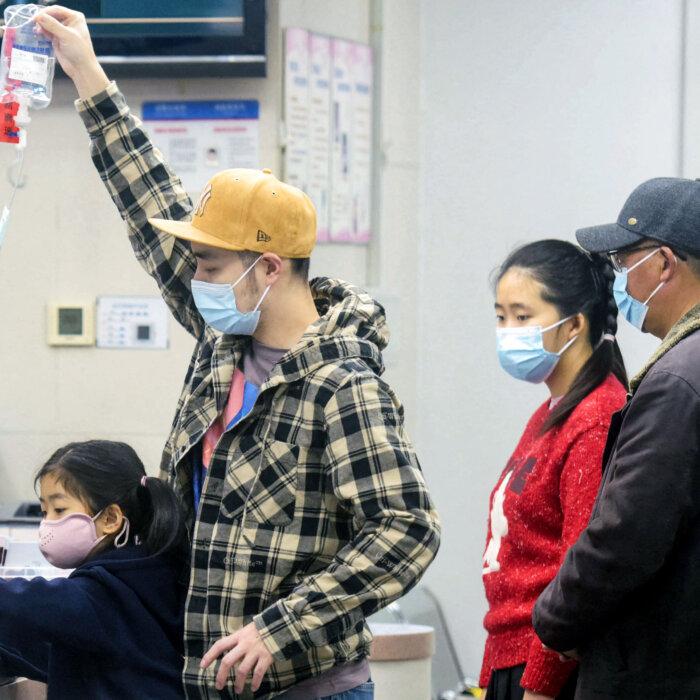
Meanwhile, Chinese media outlet Nanfengchuang, which operates under the Chinese state media Guangzhou Daily Newspaper Group, reported on July 19 that a wave of COVID-19 infections has emerged in southern China, with the number of COVID-19 patients reported visiting fever clinics at hospitals across the region having risen again since the start of July.
Local residents reported that different people may experience different symptoms. Some initially suffer from a lasting sharp throat pain described as “razor blades throat,” followed by a cough and fever the next day. Others do not develop a significant high fever but report feeling aching limbs and fatigue, while some suffer for days from high fever, but no other symptoms, according to the report.
Since July 19, headlines such as “COVID-19 is back” and “COVID-19 is back: a new wave hits southern regions” surged onto Chinese social media platform Weibo’s trending list as videos showed crowded hospitals, drawing widespread attention with people sharing accounts of infections occurring near them.
Because of the Chinese communist regime’s record of publishing unreliable data, including its underreporting of COVID-19 infections and related deaths since early 2020, anecdotal accounts by local medical workers and residents have provided helpful supplementary information for understanding the situation on the ground in the authoritarian country.
Infections in Hong Kong
Meanwhile, in Hong Kong, which is adjacent to Guangdong Province in southern China, its Centre for Health Protection announced that 45 severe adult COVID-19 cases were recorded over the past four weeks, with seven deaths, making the percentage of deaths among severe cases approximately 15.6 percent.
Hong Kong health authorities are independent from the Chinese communist regime’s health authorities and publish their data separately.
Cheng Yuan-yu, an infectious disease specialist in Taiwan, told The Epoch Times that the data released by Hong Kong’s Centre for Health Protection maintains a high level of transparency; in addition to raw statistical data. The center publishes weekly consolidated analysis reports.
“Compared to outbreak statistics from the Chinese regime on the mainland, Hong Kong’s data is more credible and serves as a window into the epidemic situation in the country, offering some insight into the overall trajectory of the outbreak,” he said.
Cheng said the current increase in severe cases and deaths may be a cyclical recurrence after the last wave of infection in mid-2025, when herd immunity drops to a certain level.
The dominant viral strain, NB.1.8.1, and its descendant lineages, primarily PQ.16.1.1, collectively account for 94.3 percent of cases, Cheng said of the Hong Kong report. PQ.16.1.1 represents 65 percent of analyzed samples from severe and fatal cases and 69 percent of samples from non-severe cases, indicating that this strain is not associated with a higher rate of severe disease.
According to public information, PQ.16.1.1 is a highly mutated, rapidly spreading SARS-CoV-2 Omicron sublineage (a descendant of NB.1.8.1) that emerged in early 2026. It is primarily expanding across Southeast Asia and mainland China. The variant is characterized by key spike protein mutations.
Although the 15.6 percent death rate of severe cases in Hong Kong is high, the pathogen’s effect and the situation in Hong Kong are different from mainland China, Dr. Feng, who is working within China’s disease control and prevention sector, told The Epoch Times.
Feng, who gave only his last name out of fear of reprisal, said earlier that PQ.16.1.1, is also the main strain that is causing infections in China now.
“While the mortality rate of PQ.16.1.1 is less than 1 percent for someone who [has] contracted COVID-19 for the first time, if someone has already had COVID-19 three or more times, a subsequent infection of this strain can lead to severe symptoms or even death,” Feng said.
“COVID cases have quadrupled recently. This particular strain is deadly because people have had multiple cumulative infections, and they’ve reached a critical tipping point.”