Happy New Year! Thanks for joining us for a whirlwind of a year. 2024 being an election year promises to be full of drama, and we can’t wait to take you along with us for what’s sure to be a wild ride.
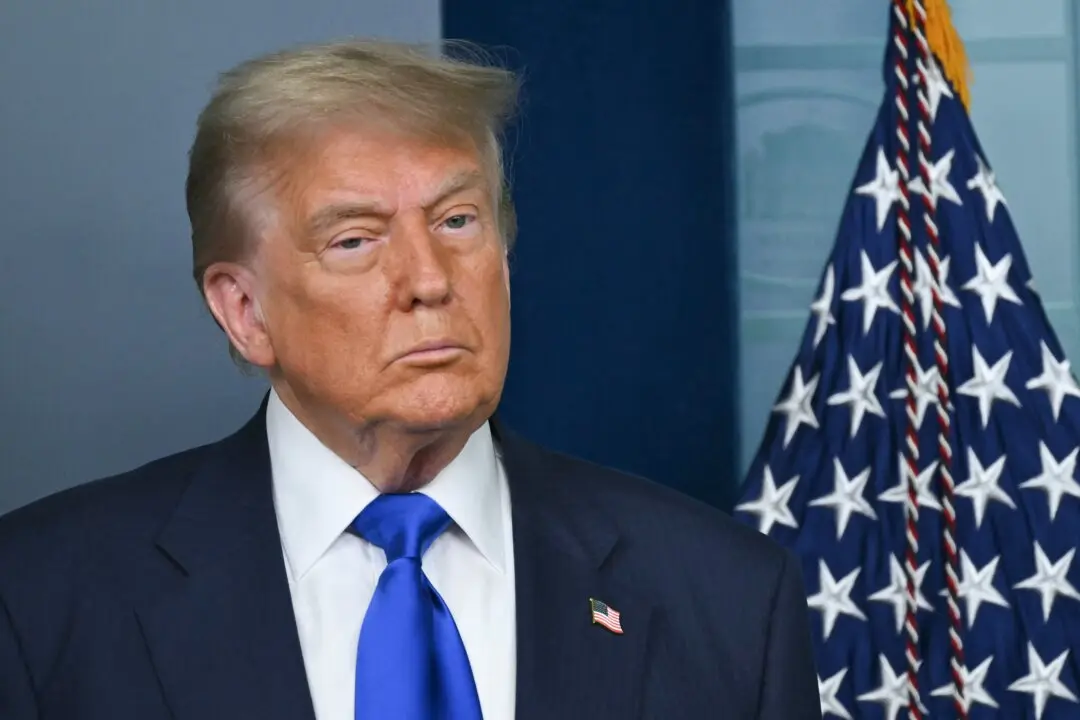
A series of conflicting rulings on President Donald Trump’s ballot challenges has made it increasingly likely that the U.S. Supreme Court will weigh in on whether he can be disqualified under the 14th Amendment.
Colorado’s Supreme Court had already ruled he could and should, conflicting with other rulings in Michigan and Minnesota declining to remove Trump from their ballots. Maine’s secretary of state, Shenna Bellows, complicated matters further on Dec. 28 when she found that Trump was disqualified under the 14th Amendment.
The Colorado GOP has already challenged the state court’s disqualification by asking the U.S. Supreme Court on Dec. 27 to review its ruling.
The Colorado and Maine rulings were based on a reading of Section 3 of the 14th Amendment, which bars from office those who have engaged in “insurrection or rebellion” who have “previously taken an oath” to the Constitution. Section 3 was enacted after the Civil War as a way to prevent Confederates from holding office.
Bellows’s actions not only underscored the debate over whether Trump engaged in an insurrection, but raised questions about who can enforce Section 3 as well. The Colorado Supreme Court said the amendment was “self-enforcing,” or enforceable by courts, while others have argued that courts need further clarification from Congress before disqualifying someone over actions related to the events on Jan. 6, 2021.

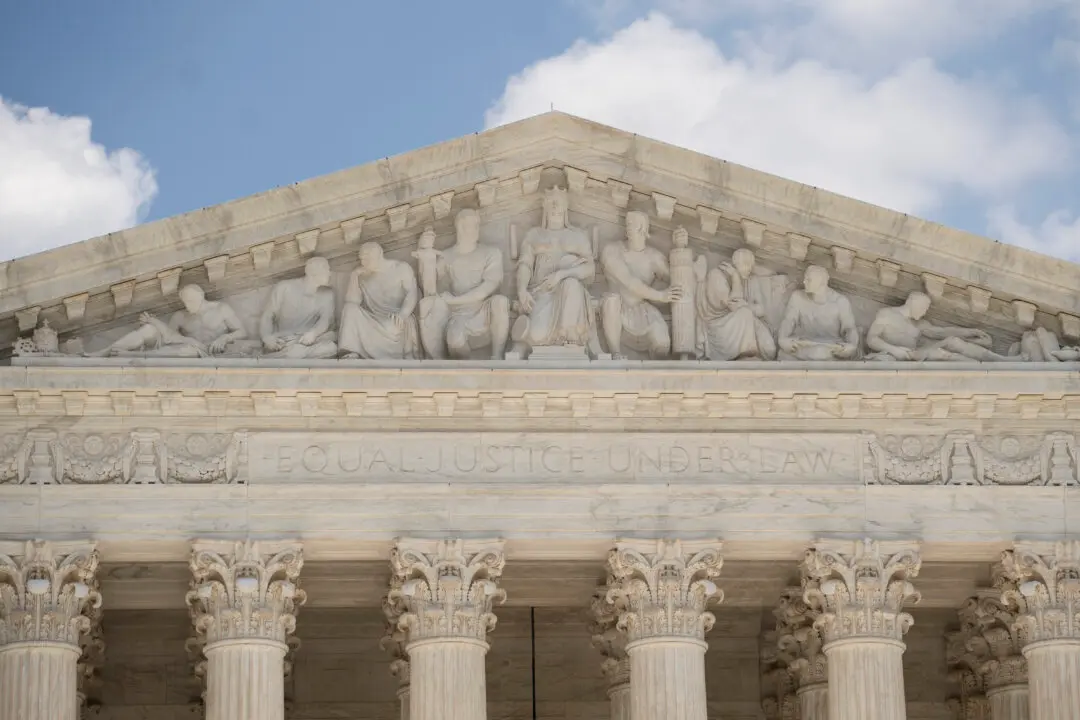
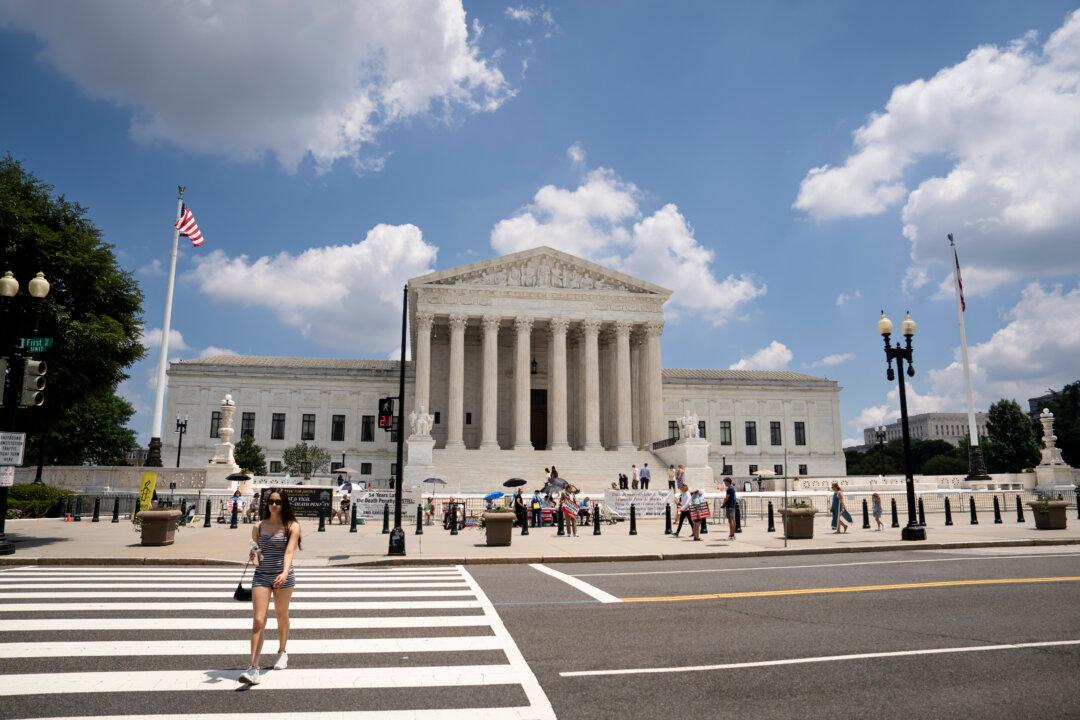
It’s unclear how and when the Supreme Court will act, but their place in the judicial hierarchy usually leaves the nine justices with more complex legal questions arising from conflicting decisions across the country. Their role as the nation’s highest court also indicates they have a role in settling debates over relatively untested legal questions, such as the one presented by Trump’s ballot challenges. The nation’s highest court has never ruled on Section 3.
A variety of options are available to the Supreme Court, including refusing to rule on the merits or core legal questions involved in Colorado’s ruling. Instead, they could wait until after Colorado’s primary election certification on Jan. 5 and declare the issue “moot,” or effectively state there is no longer a controversy for them to review.
Colorado Secretary of State Jena Griswold said in a press release that she agreed with the state supreme court’s decision but would allow Trump to remain on the ballot “unless the U.S. Supreme Court declines to take the case or otherwise affirms the Colorado Supreme Court ruling.” Bellows’ decision is similarly conditional as she suspended its effect until Maine’s Superior Court ruled on the issue. The Trump campaign has already said it will fight the decision in state court.
Jonathan Turley, a law professor at George Washington University, has opined that it’s unlikely the Supreme Court will either affirm the Colorado Supreme Court decision or refrain from reviewing it. On Dec. 28, he published an article stating that Griswold could keep Trump on the ballot past Jan. 5 if the Supreme Court doesn’t act before certification—thus making the issue moot for Colorado Republicans, who say removal violates their constitutional rights.
A mootness argument could be leveraged by some justices to avoid a bigger decision in the case, Turley said. “Some like Chief Justice John Roberts,“ Turley said, ”are incrementalists who prefer to avoid divisive issues when possible ... An exit ramp offered by a mootness argument might be an irresistible temptation for Roberts as well as the three liberal justices. Others like Justice Bret Kavanaugh could also agree that the Court can wait to see if this matter will arise again before the general election.”
Turley accused Bellows of adding “her name to the ignoble list of Democratic officials claiming to defend democracy by preventing its exercise for millions of Trump supporters.” By contrast, Harvard Law Professor Laurence Tribe suggested she and other secretaries of state were “unfairly attacked by critics on both sides.”
Whatever their decision, it could have substantial ripple effects on primary elections across the country. According to Lawfare’s tracker, at least 36 of these lawsuits have been filed in 32 states with more than half (19) being dismissed in some way.
Some have speculated that Maine’s and Colorado’s ballot disqualifications aren’t a huge threat to Trump because they’re likely to vote for a Democrat in 2024. He’s also far ahead of other GOP contenders in polling, meaning it’s likely he could win most of the states’ primaries.
Lawsuits are currently pending, however, in battleground states like Nevada, Arizona, and Wisconsin—each of which are considered key states that could swing the election. Another court could, as Maine’s secretary of state did, cite Colorado’s ruling in disqualifying Trump in another state.