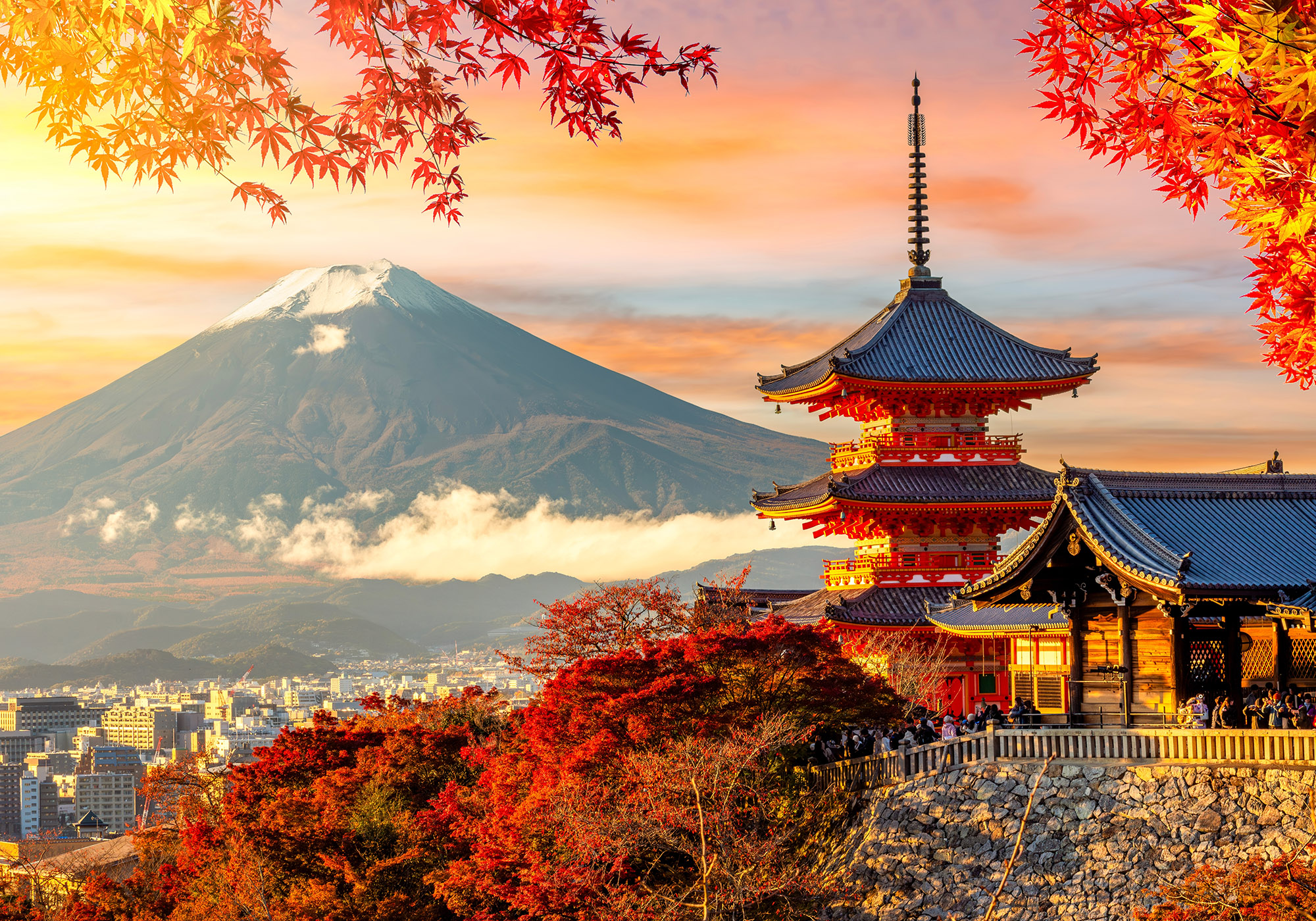
Spiritual and so beautiful that it borders on the mystical, Kyoto, Japan, enchants like few destinations can. This city of about 1.5 million people was the capital of imperial Japan for more than 1,000 years. That legacy of wealth and regal power is apparent in so many places, including its 17 UNESCO World Heritage Sites.
The shrines and temples are colorful, ornate, graceful, and historic, and the green, meticulously designed and tended gardens are perfect for a lovely walk. The palaces are suitable for an emperor. No wonder it has a number of nicknames that all nod to its marvels: “the eternal city,” “the city of flowers” and, perhaps most evocative, “the city of 10,000 shrines.”
Arrival
Somewhat surprisingly, Kyoto doesn’t have its own international airport. Instead, visitors have two main arrival options. Osaka’s Itami Airport is the closest place to land, and it takes about 45 to 50 minutes to transfer over by “limousine bus.” However, Itami Airport handles only domestic flights, so if you’re coming from North America, you’ll probably connect at one of Tokyo’s major international airports (Haneda or Narita).The other choice is to fly to Kansai International Airport. Built on a pair of artificial islands, this is the main overseas gateway for Osaka and Kyoto, as well as Kobe. Nonstop flights land here from across Asia and Europe, as well as several U.S. cities, including Los Angeles and San Francisco. From the on-site airport station, the Limited Express Haruka delivers passengers to Kyoto in about 70 minutes. Trains depart every half hour, and a single, one-way ride costs less than $20.
Morning
Japan’s railway stations rank as some of the busiest in the world, and hundreds of thousands of riders pass through Kyoto Station every day. Many of them are hungry. In this dynamic society, many Japanese eat while on the move.On arrival, join the masses and search out a good breakfast to fortify yourself for a busy day.

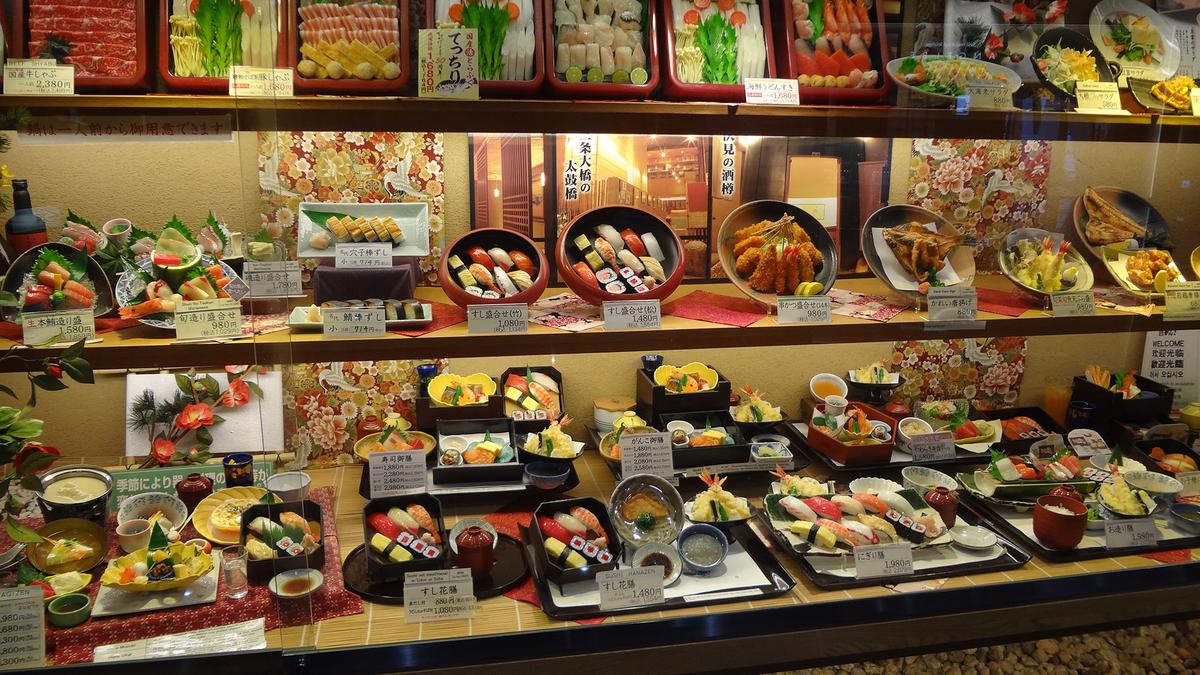
The food outlets at the station are seemingly endless, something I experienced on one visit when I connected with a friend who was searching for one specific and relatively obscure restaurant. For hours we walked, concourse after concourse, and must have passed literally hundreds of eateries. They all seemed busy, with delicious scents emanating from each one.
In the end, we got lost a couple times and never actually found the restaurant my friend was seeking. But of course, we ate well anyway. In the morning, Kyoto Station has plenty of coffee and many choices for sustenance, whether you’re feeling like a steaming bowl of udon noodles or French toast for a little taste of home.
If in doubt, seek out a 7-Eleven. (Yes, seriously.) The convenience store chain is wildly popular in Japan, with more than 22,000 outlets serving up (again, seriously) quality food. Popular options include tamago sando, an egg-salad sandwich made with Kewpie mayo on milk bread, and onigiri, sticky rice balls made with a number of fillings such as pickled plum and cod roe.
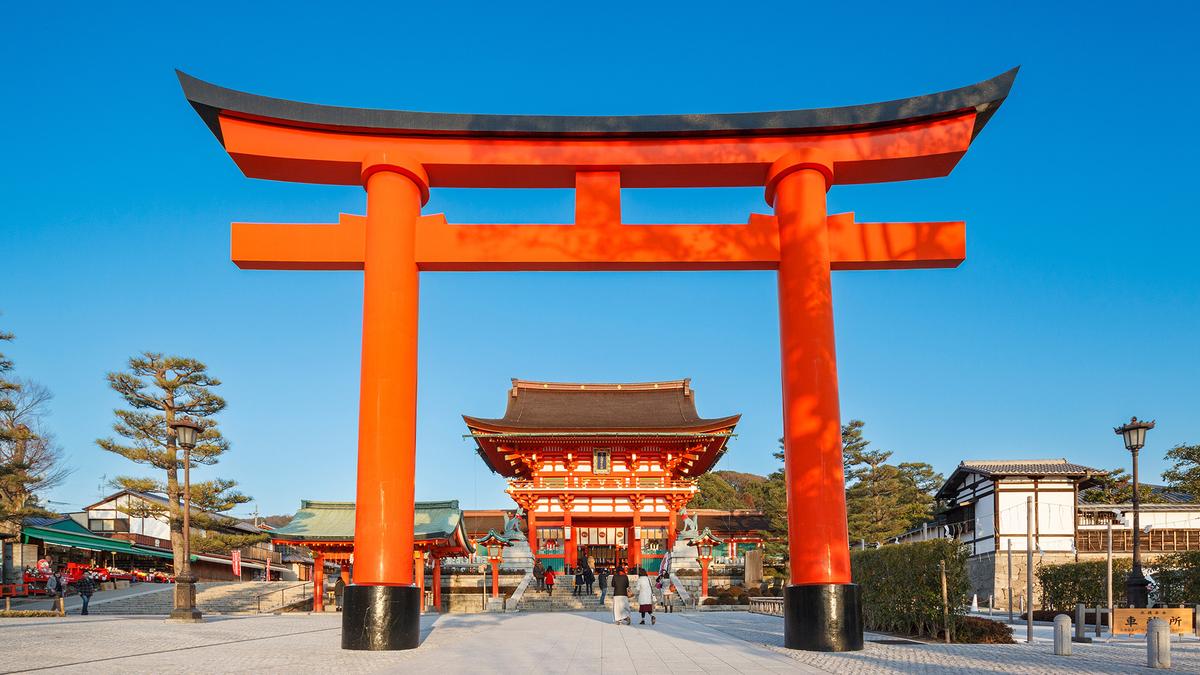
In a city with literally thousands of temples and shrines, you’ve got to be selective. One of the most famous—and certainly the most photographed—is just nearby. Hop on the JR Nara Line commuter train and, five minutes later, disembark at Fushimi Inari Taisha Shrine.
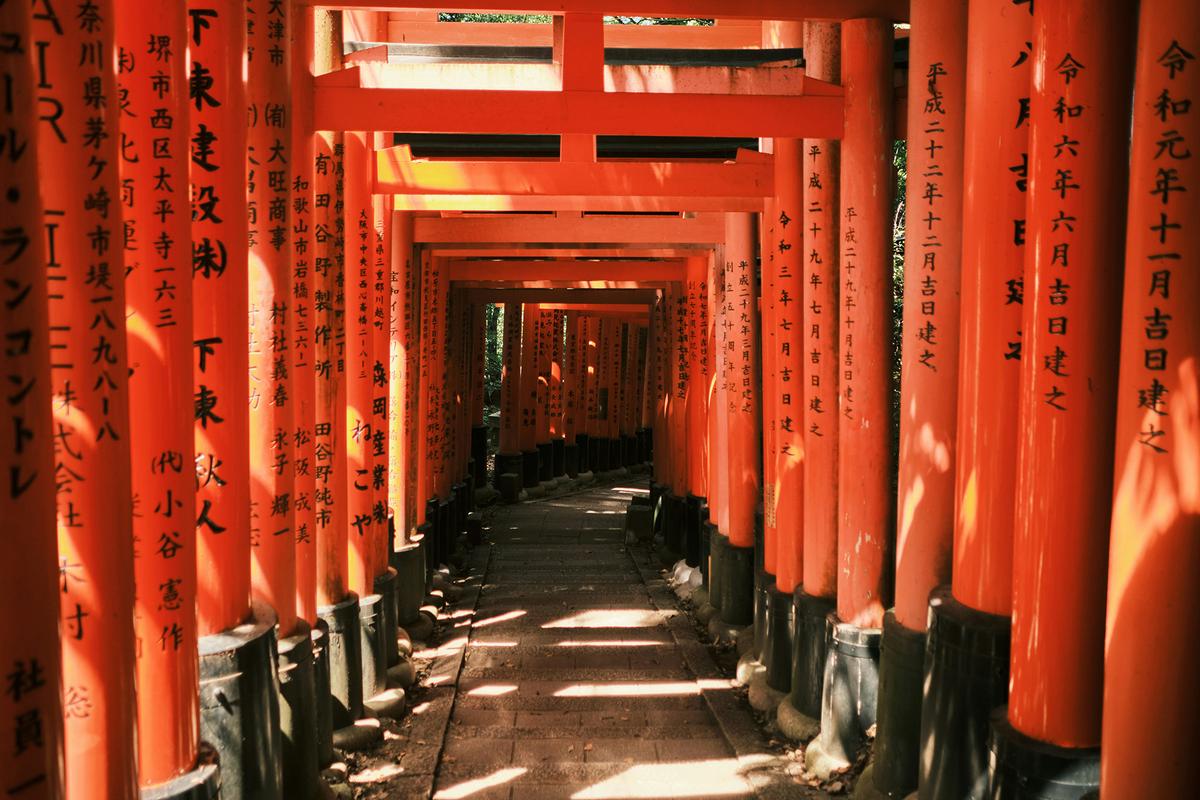
The visit here will probably take the rest of the morning, and you could easily stay all day. The Shinto shrine dates back to the eighth century. Most of the fun comes from walking around the area. Paths ascend up Mount Inari, passing a number of stone altars, ponds, tea houses, dance stages, and waterfalls. The absolute highlight is the 10,000-plus bright torii gates that form a famous and mesmerizing tunnel over the pathways.
Afternoon
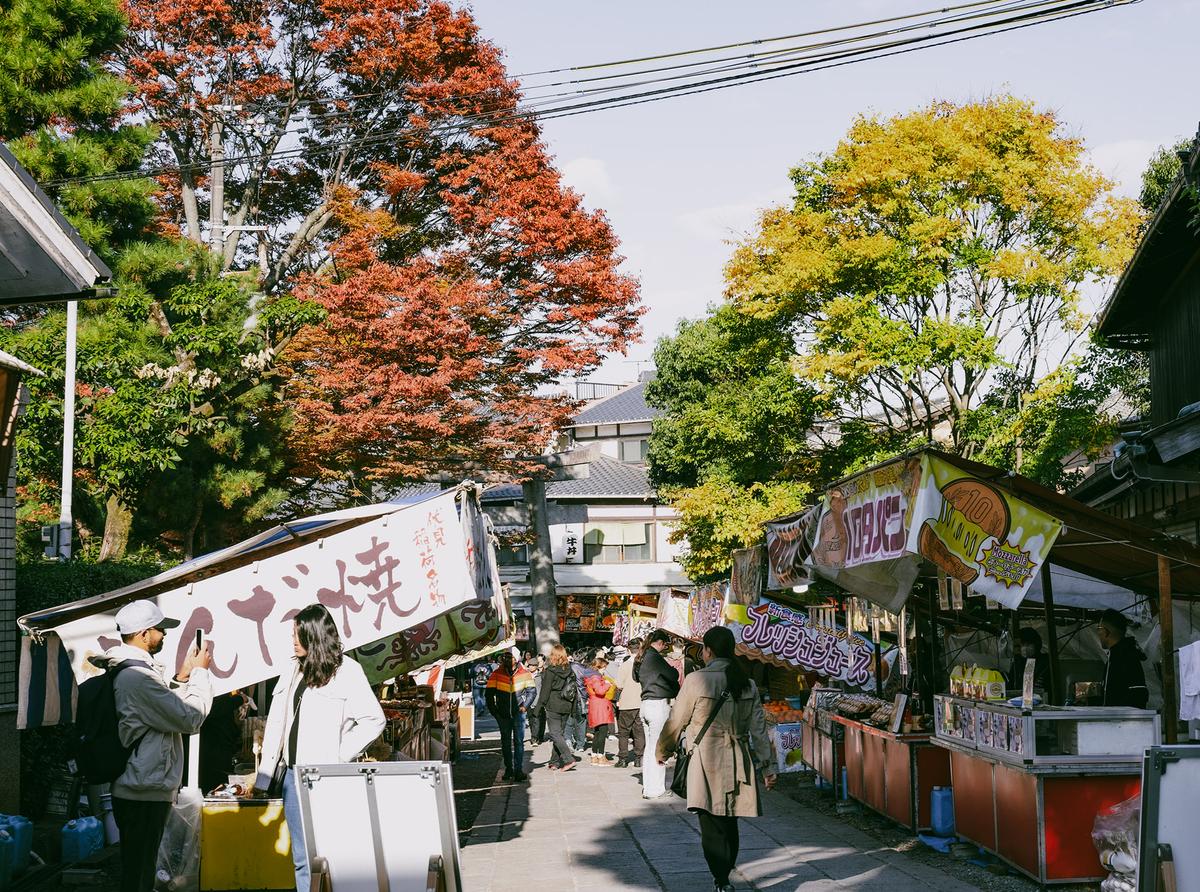
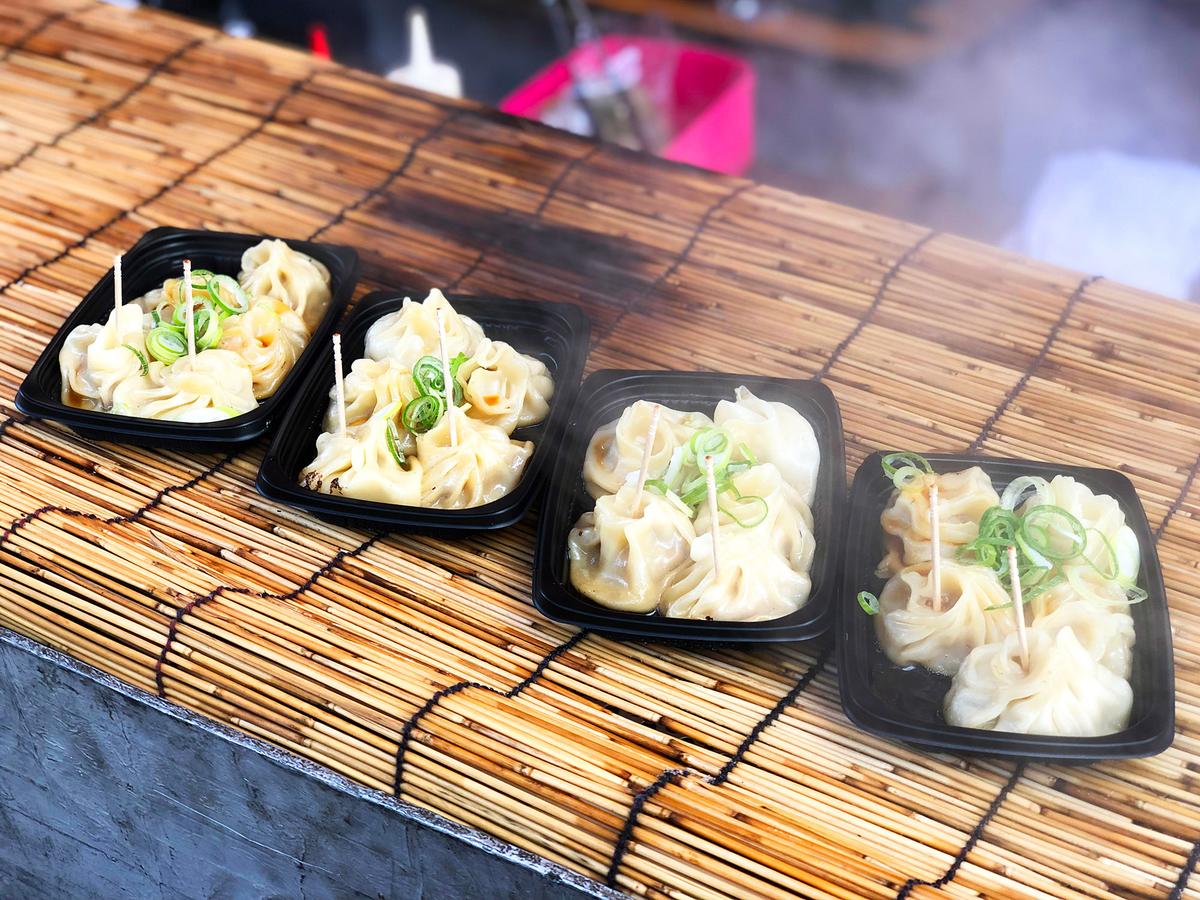
Your morning walk, which will probably take two or three hours, will consume a whole lot of calories. All the posing and picture-taking under those bright torii gates is enough to work up an appetite. Time for lunch.Because breakfast wasn’t so long ago, you can keep it light. Try aburaage, a deep-fried tofu served at tea houses. Top dishes include inari sushi, which is aburaage stuffed with rice, and kitsune udon, broth in a bowl steaming with noodles.
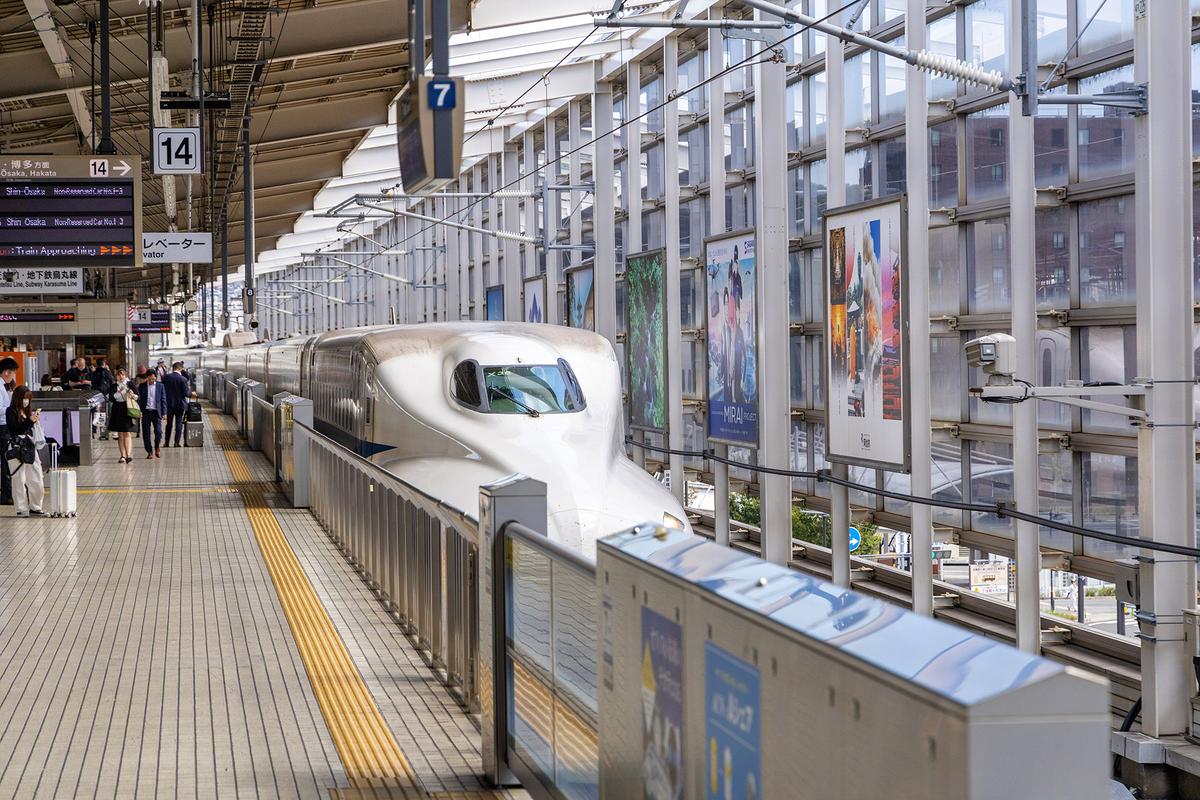
Following the destruction of World War II, while many other countries invested heavily in highways, Japan went all-in on trains. In the process, they built the most astonishing rail system on earth. Of the top 20 busiest train stations in the world, many are in this country.
Every year in Japan, some 9 billion people ride on more than 19,000 miles of track. In the 1960s, the first Shinkansen introduced the world to super-high-speed train travel. Today, these “bullet trains” spirit passengers over banked tracks all over the country at up to 200 miles per hour. Riding one, even just for fun, is an essential Japanese experience.
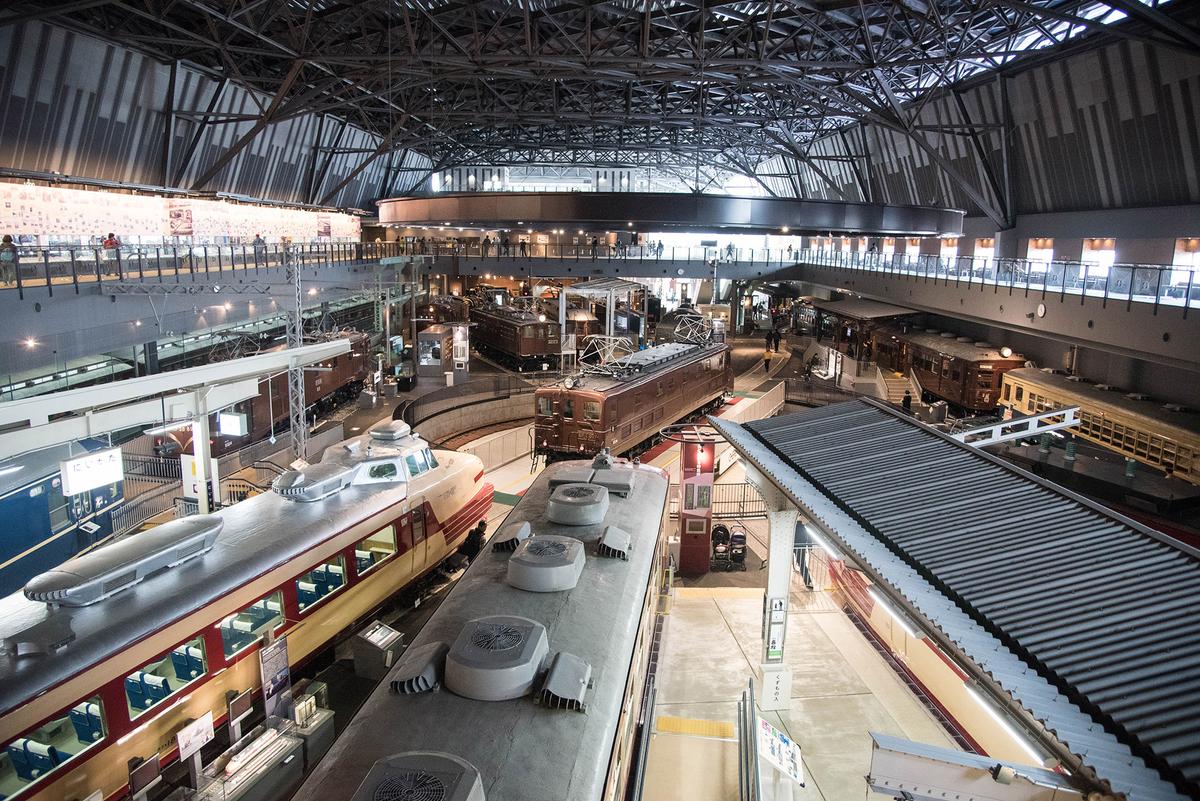
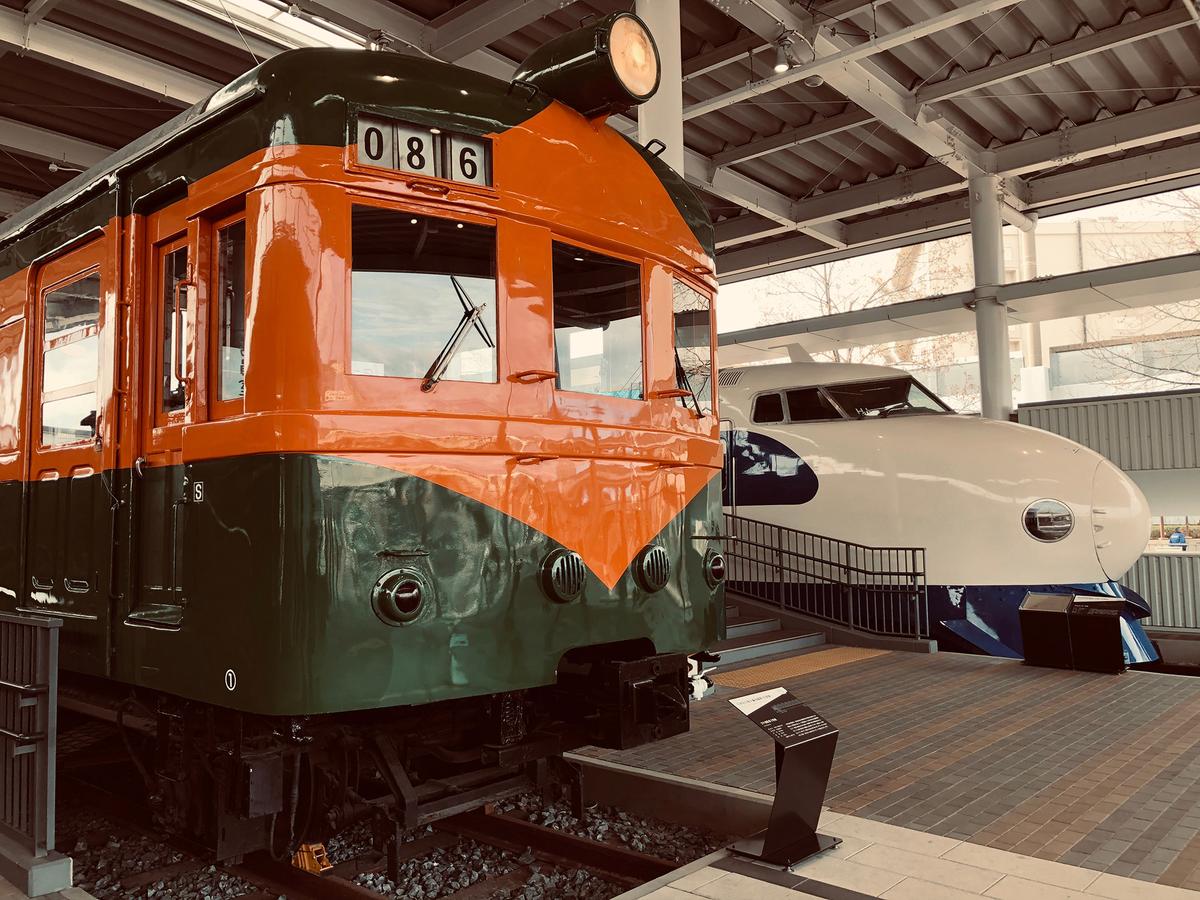
This history and legacy are commemorated and celebrated at the Kyoto Railway Museum. The site is huge, covering some 300,000 square feet, and is home to more than 50 retired trains. Inside, in a bright, airy space, huge locomotives clearly illustrate the evolution of Japanese rail travel over the decades.
You can get hands-on by driving a train simulator. Then head outside to the roundhouse, which dates back to 1914 and is home to the country’s largest collection of steam engines. You can even ride a train. For a small additional fee, board a steam train for a 10-minute ride you won’t soon forget.
Visit a Zen Buddhist temple before the afternoon ends. The JR is again an option, and a taxi ride to Kinkaku-ji takes about 20 minutes. A Japanese cab is an experience in itself, with the formal, white-gloved driver steering you there in a spotless car.
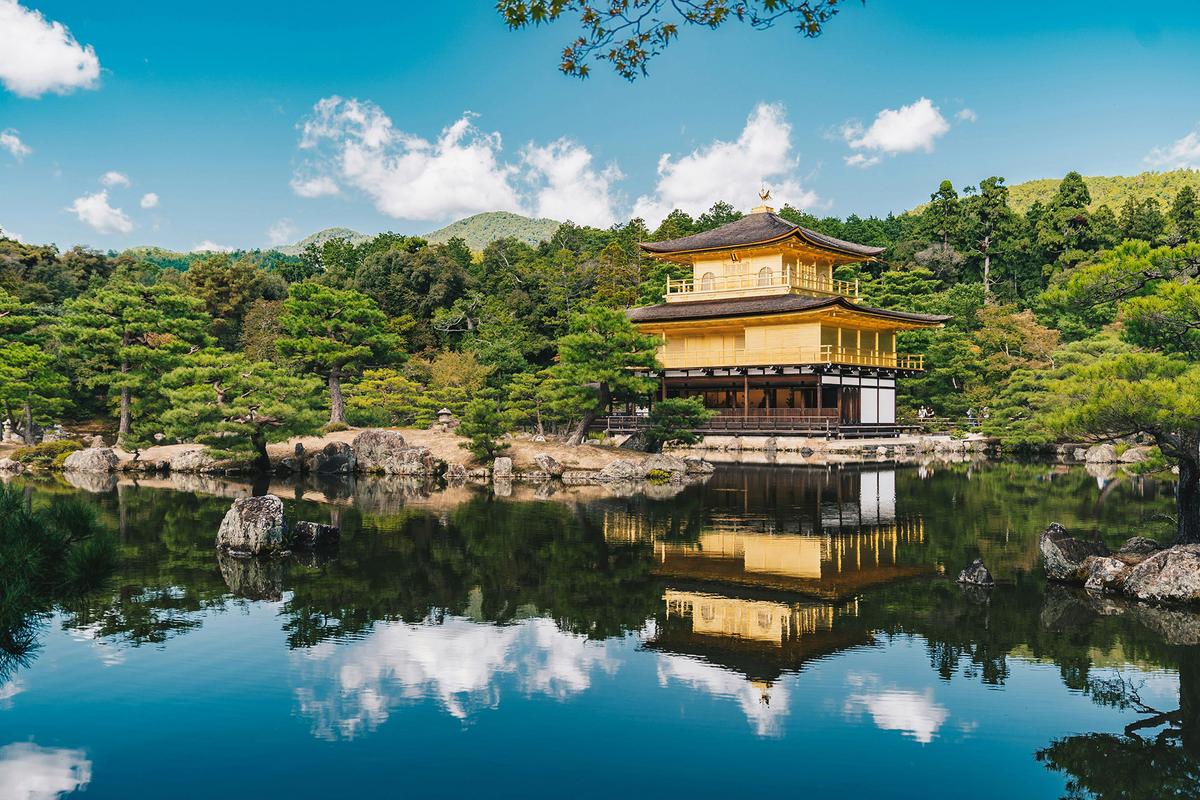
Formally called Rokuon-ji and often known by Westerners as the Golden Pavilion, the structure, which has burned down and been rebuilt several times, was originally created as a retirement villa for a shogun. Navigate the lush, meticulously manicured gardens, whose designs have remained the same for centuries. A path will take you to a pond. And across the way, Kinkaku-ji, whose top two floors are covered in gold leaf, will shimmer above the waters in the late afternoon light.
Evening
A visit to Kyoto wouldn’t be complete without experiencing geisha culture. Geishas are entertainers who train for many years in arts such as dance and music, as well as effective communication. Their roots date back to the major cities of the Edo period. Most people will tell you that these traditions continue most strongly in the former capital, Kyoto.Visitors can experience the geisha (which means “person of art”)—better known as geiko in Kyoto—at a dinner show in the Gion district. The whole extraordinary experience will last a couple hours. You’ll experience a dance show and the opportunity to interact with the geisha and ask questions.
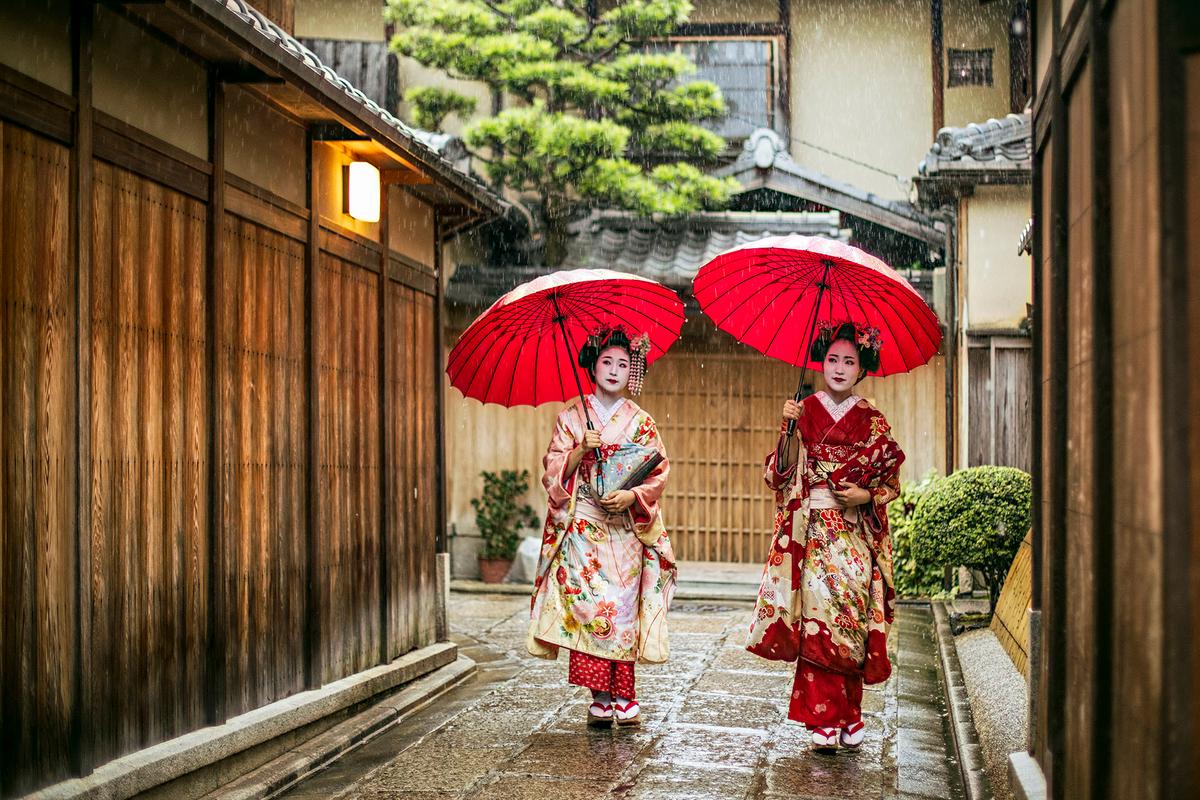
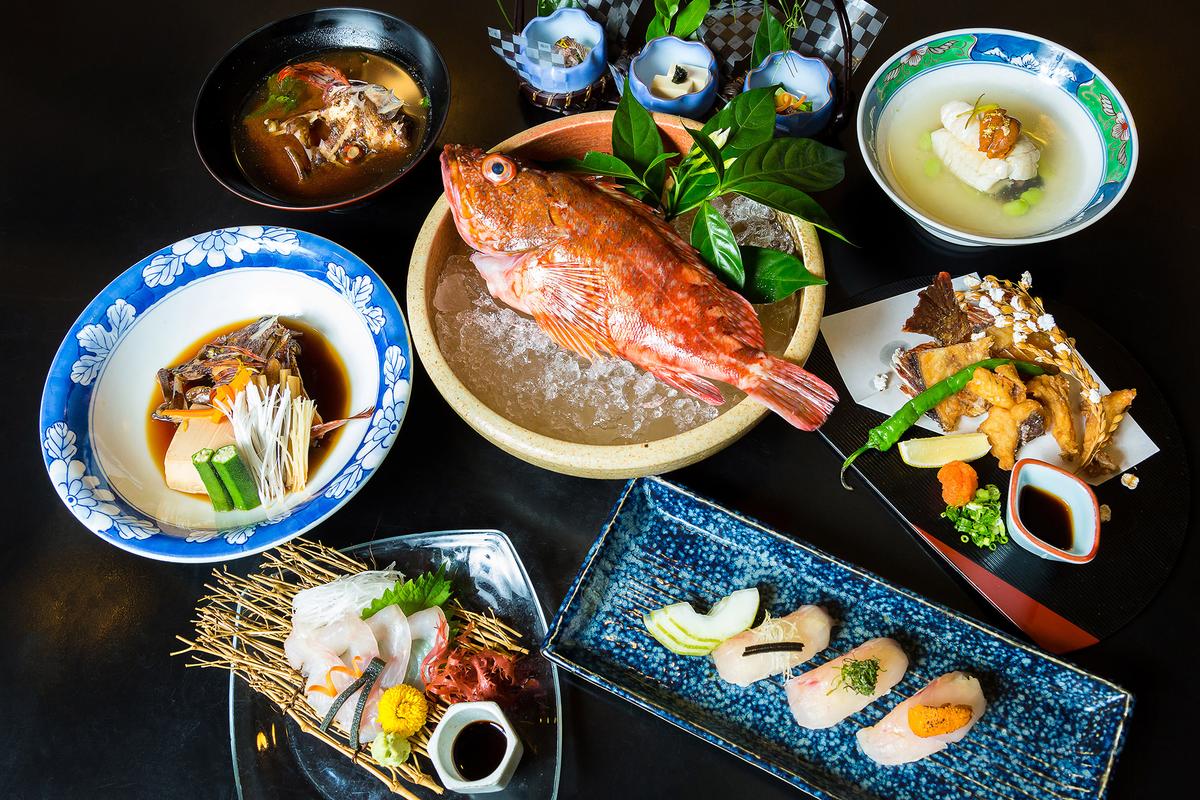
An emcee will also explain the significance of the geisha outfits and interpret the performance. The evening includes a kaiseki meal, which will include fish, fried vegetables, and rice.
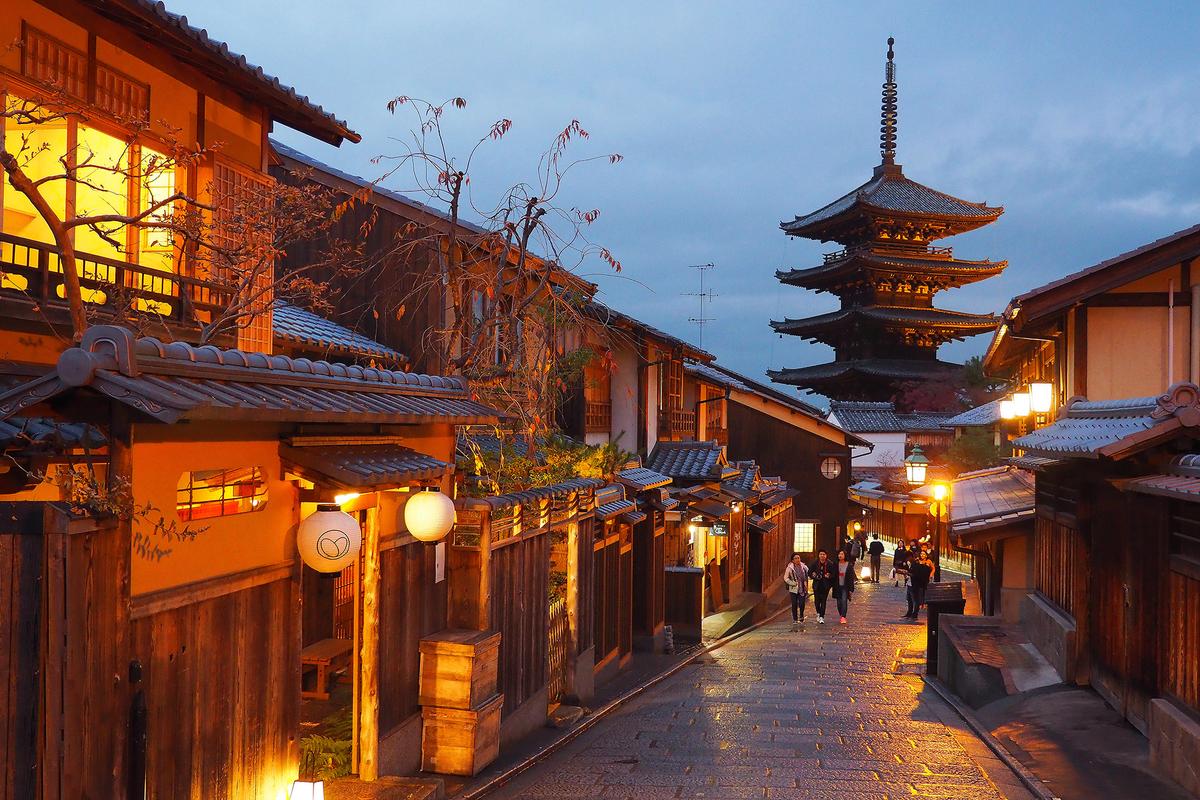
After you emerge from the tea house, wander around the Gion district. It’s simply lovely at night. Stroll down little lantern-lit lanes lined with historic wooden houses. Take in the Yasaka Shrine, all lit up. Pop into a little pub for a nightcap—perhaps the local Kyoto take on a martini, which includes gin, dry vermouth, and lemon liqueur. It’s a graceful way to end a big day in the city of 10,000 shrines.