This copy is for your personal, non-commercial use only. Distribution and use of this material are governed by our Subscriber Agreement and by copyright law. For non-personal use or to order multiple copies, please contact The Epoch Times Reprints.

The Epoch Times
The Epoch Times
AD
The Epoch Times
Australia News

Younger People Feeling Lonelier Than Their Grandparents, Study Finds

‘Social media can make you feel very alone,’ one of the authors noted.
Google LogoMark Us Preferred on Google
Younger People Feeling Lonelier Than Their Grandparents, Study Finds
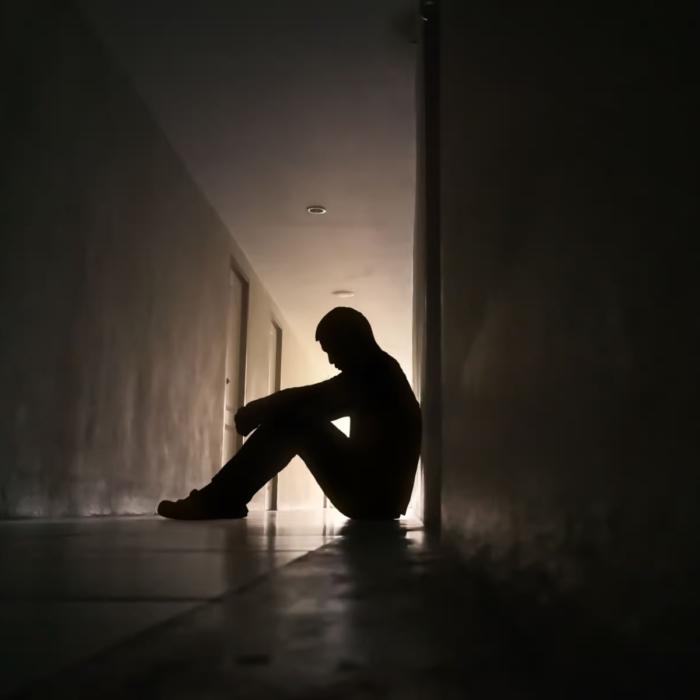
Human beings need social connection the way we need sunshine and nutritious food. We might survive if deprived, but we won't be well. Aleshyn_Andrei/Shutterstock
Monica O’Shea
Monica O’Shea
2/11/2024|Updated: 2/11/2024
0:00

A new University of Melbourne report shows younger Australians between 15 and 24 are more lonely than elderly Australians over 65.

The research considered data from 2001 to 2021, tracking more than 17,000 people in over 9,000 homes.

Researchers found that from 2001 to 2009, those over 65 were the loneliest, but by 2021, this trend had reversed.

Co-author of the Household, Income and Labour Dynamics in Australia (HILDA) study Ferdi Botha said there was a “clear trend” of younger people becoming lonelier and feeling more isolated.

“If there aren’t actions taken or policies implemented to intervene, we may see loneliness and psychological distress increasing in the younger generations and this may lead to lower mental and physical wellbeing and other wider societal issues,” he said.

Mr. Botha noted loneliness rose during the COVID-19 pandemic years of 2020 to 2021, but there was already an existing long-term trend among young people.
Related Stories
The Epoch Times
San Mateo County 1st in US to Declare Loneliness a Health Emergency
The Epoch Times
Loneliness and Insomnia Linked to Work With AI Systems

“Loneliness increased in the first two years of the COVID-19 pandemic, but for young people, there is a longer-term trend increase apparent. It may be that this is partly connected to growth in smart phones and social media use,” he said.

Women in the 15- to 24-year-old age group were found to be the most lonely, with a mean loneliness score of 3.3, while men had a score of 3.0. Meanwhile, among women and men in the 65-year-old and over age bracket, these scores were 2.6 and 2.4 respectively.

“It used to be the case that older people were most lonely, but there is a turning point around 2008 to 2009 when we see rates of loneliness for the 15 to 24 age group start to rise. There has been a continuous increase since then,” Mr. Botha said.

Explaining the rise in loneliness, Mr. Botha observed it could be that young people are now more likely to “report and admit they have emotional issues,” adding “That’s a good thing.”

“Higher levels of loneliness may have to do with younger people not having as many friends now. Perhaps young people today don’t have the same levels of social connections that their parents or grandparents had at that age,” he said.
“Social media can also make you feel very alone—you scroll through people’s social media accounts and everyone is at a party or seems to be having a great life and there you are, at home and alone.”

Psychological Distress Levels

The researchers found psychological distress levels fell as people got older. Youths between 15 and 24 had the highest distress scores on average in 2021.

They also found that overall psychological distress has risen over time, according to the data.

Women were more psychologically distressed than men between 2007 and 2021. In men, psychological distress rose by 51 percent in this time frame. However, among women, it rose by 63 percent.

Psychological distress in young people aged 15 to 24 rose to 42.3 percent in 2021, more than double the 18.4 percent recorded in 2011.

The study also found 14.1 percent of people aged over 15 have tried electronic cigarettes and vaping devices.

Further, it found that marriage has fallen from 56.3 percent in 2001 to 50.3 percent in 2021. De facto relationships have increased from 9 percent to 14.7 percent in this timeframe.
Google LogoMark Us Preferred on Google
Monica O’Shea
Monica O’Shea
Author
Monica O’Shea is a reporter based in Australia. She previously worked as a reporter for Motley Fool Australia, Daily Mail Australia, and Fairfax Regional Media. She can be reached at monica.o'[email protected]
Author’s Selected Articles
One Nation Abortion Bill Defeated in SA Lower House
Jun 19, 2026
One Nation Abortion Bill Defeated in SA Lower House
Victorian Labor Introduces Bill to Lock in Work From Home 2 Days a Week
Jun 16, 2026
Victorian Labor Introduces Bill to Lock in Work From Home 2 Days a Week
Victoria Tops Australia for Car Theft Claims With $243 Million in Losses
Jun 05, 2026
Victoria Tops Australia for Car Theft Claims With $243 Million in Losses
South Australia’s Debt to Surpass $53 Billion by 2030 as Hiring Freeze Announced
Jun 04, 2026
South Australia’s Debt to Surpass $53 Billion by 2030 as Hiring Freeze Announced
Related Topics
Australia
youth
study
elderly
loneliness
health
AD
Add to My List
Save
The Epoch Times
Copyright © 2000 - 2026 The Epoch Times Association Inc. All Rights Reserved.