Cuba is on the verge of economic collapse, and there’s no immediate relief on tap from longtime patron Russia or Cuba’s biggest trading partner, China.
Its tenuous ties to nearby Mexico are likely to be severed soon, leaving the island nation seemingly out of options for replacing the discounted oil it imported from Venezuela to fuel its economy and provide the communist regime with hard currency.
“The people in control in Cuba have a choice to make,“ Rubio said. ”They can either have a real country with a real economy, where their people can prosper, or they can continue with their failing dictatorship that’s going to lead to systemic and societal collapse.”
‘Things Falling Apart’
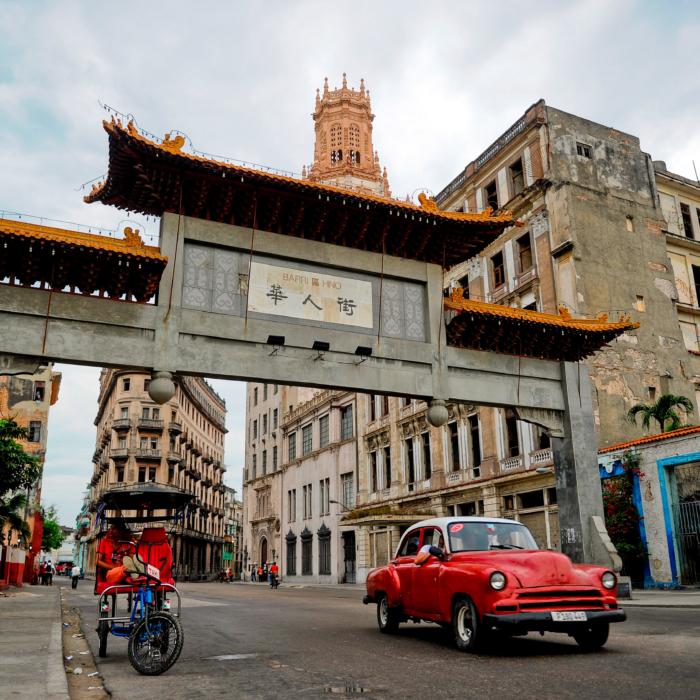
Because heavily discounted crude oil from Venezuela is now under the management of the Trump administration, since the Jan. 3 raid that captured Venezuelan leader Nicolás Maduro, Cuban leader Miguel Díaz-Canel Bermúdez’s choices are limited.Food, medicine, and fuel shortages are a fact of daily life.
Rolling blackouts often cripple its antiquated grid for hours, forcing “non-essential” workplaces and schools to close, straining its struggling agricultural and tourism industries, Cuban state-run news website Cubadebate reported.
“So you’ve got all these things falling apart, and it gets to be connected with, ‘Well, OK, how long is the government of Cuba going to last?’” said Gregory Copley, president of the Washington-based International Strategic Studies Association and an opinion contributor to The Epoch Times.
“Like Venezuela, the answer to that is ‘not very long.’”
Cuba has survived decades of U.S.-imposed sanctions since Fidel Castro led a 1959 revolution that established communist rule.
Although there was widespread unrest in 2021 in response to food and fuel shortages, no organized opposition to the Díaz-Canel regime has materialized.
“We saw protests, but there were only 100 arrests, and it really wasn’t something big enough to overthrow the government,” said Anders Corr, publisher at Journal of Political Risk and another Epoch Times opinion contributor.
“So it’s difficult. I’m not sure that economic sanctions at the moment are able to do much,” he told The Epoch Times.
“Ultimately, it has to come from the people. They have to overthrow their government in Cuba, and the government in Cuba just seems to be propagandizing them.”
He said that because of such propaganda, many Cubans believe the United States is the source of all their woes.
US–Cuba Trade
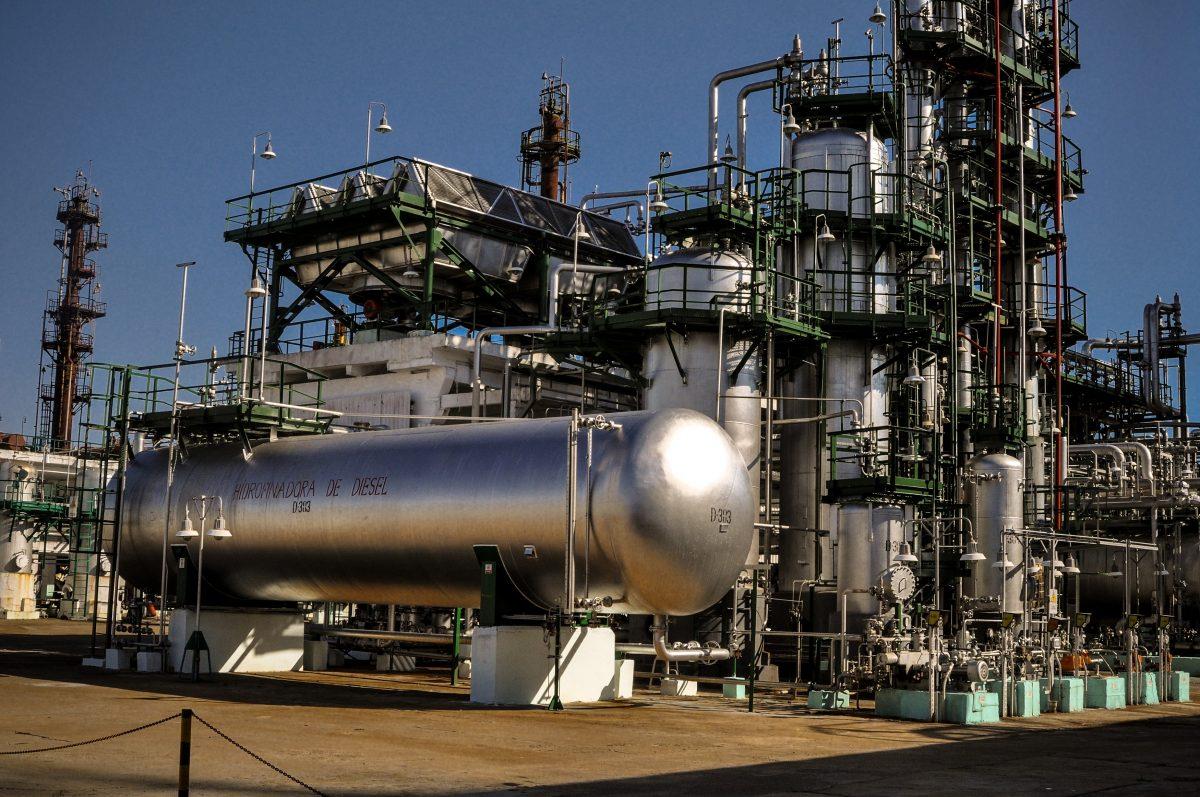
Despite that it has placed embargoes on Cuba since the early 1960s, the United States is among Cuba’s leading sources for chicken, pork, cereals, and oils.Under the Trade Sanctions Reform and Export Enhancement Act, there are 52 companies—more than 40 in South Florida—licensed to conduct cash-only transactions in Cuba.
This makes the United States Cuba’s third-largest trading partner.
Cuba mainly imports food, cereals, fuel, diesel engines, vehicles, motor parts, and vegetable oils.
Its primary exports are nickel, cane sugar, cigars, rum, metallic ores, and fish.
Tenuous Mexico Oil Link
Mexico is now Havana’s largest and last reliable oil supplier. But that lifeline may soon be severed by the Trump administration’s pressure.In the first nine months of 2025, Mexico shipped 19,200 barrels of oil a day to Cuba, according to state-owned Petróleos Mexicanos.
Mexican President Claudia Sheinbaum said on Jan. 7 that Petróleos Mexicanos is shipping the same amount of oil to Cuba that it is contracted to send as part of a “humanitarian aid” exchange between the countries.
Between August and mid-December 2025, she said, Mexico sent 55 oil tankers “worth more than $3 billion, for free” to Cuba and “accepted more than 3,000 Cuban doctors in exchange for over $100 million paid directly to the Cuban regime, not to the doctors themselves.”
When the United States–Mexico–Canada trade pact is renegotiated in 2026, Mexico will be reminded that the pact prohibits “forced labor,” Salazar said.
Constrained Russia
Moscow was Cuba’s ideological and economic patron for more than 30 years until the 1991 collapse of the Soviet Union and ensuing economic upheaval.Russia’s limited engagement in the Caribbean for a decade after the fall of the Soviet Union constrained its capacity to materially aid Havana until the early 2010s.
Since the Soviet era, when heavily subsidized Ural crude was shipped to the island in support of its Marxist ally, Russia has changed, but Cuba hasn’t.
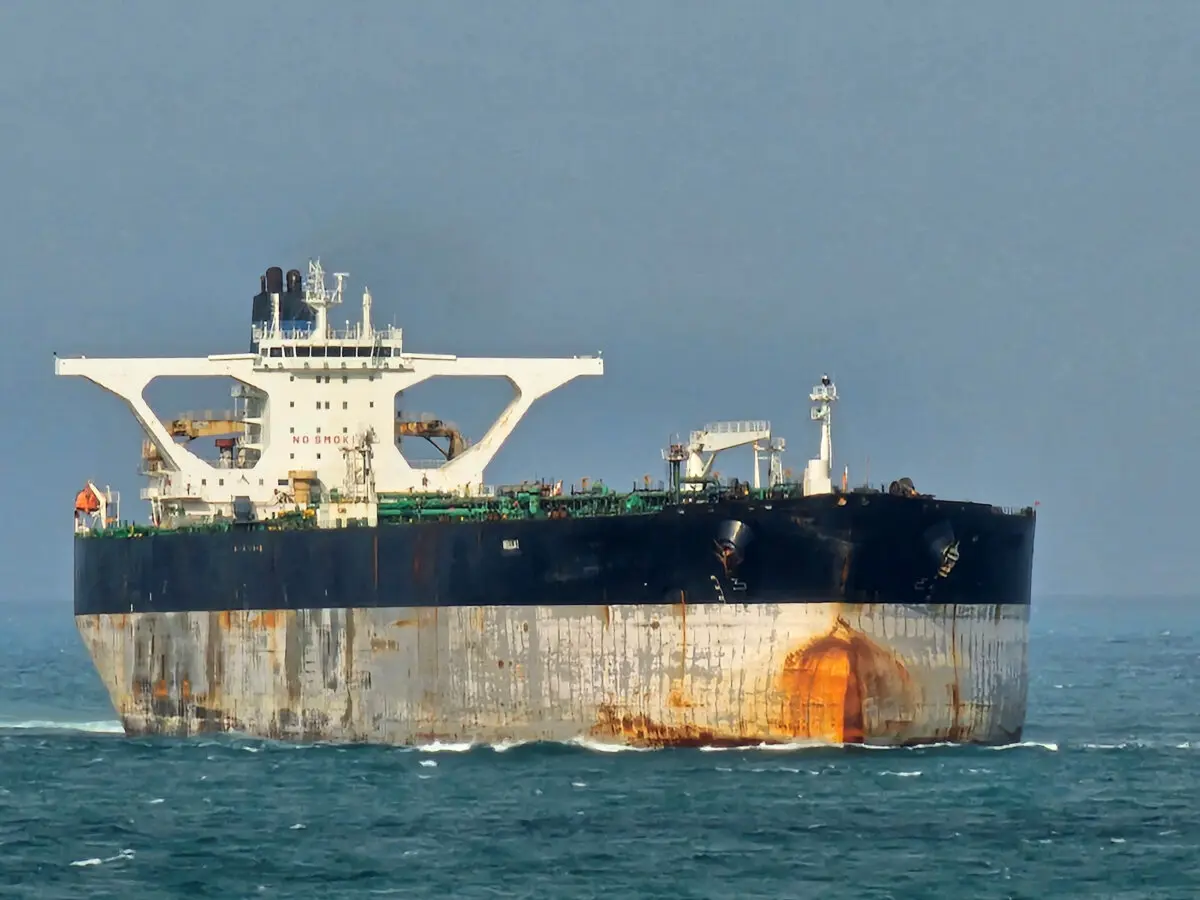
Russian President Vladimir Putin’s regime, still financing its war in Ukraine, cannot afford to give away oil, and Cuba cannot afford to buy it.
Logistics also play a part. It can take 40 days for a tanker to travel from the Baltic Sea to Cuba, preventing Russia from reliably replacing Venezuelan oil, especially when it can get better prices in Asian markets.
There are multi-layered sanctions imposed on Russian oil exports by the United States, the European Union, and the G7 over its invasion of Ukraine.
In October 2025, the United States also imposed new sanctions on Russian producers Rosneft and Lukoil, which account for roughly half of Russia’s oil exports, blacklisting them from making transactions with U.S. dollars and, thus, deterring international banks, including those in China and India, from conducting trade deals with these companies.
Russia, however, has signed several pacts with Cuba since 2023 after resuming sporadic oil shipments the year before: 4.4 million barrels, half of Cuba’s annual demand, in 2022; 1.5 million barrels in 2023; and 750,000 barrels in 2024, before virtually none in 2025.
Those shipments have not materialized and, because Rosneft is now blacklisted, are unlikely to manifest in a consistent, reliable manner.
Chernyshenko also pledged that Russians would reignite Cuba’s ailing tourist industry, which has not rebounded since the COVID-19 pandemic and the Trump administration’s 2019 ban on visits to the island by U.S. cruise ships.
From a 2018 peak of 4.7 million tourists, only 2.2 million visited Cuba in 2024, according to Cuban regime and industry data.
The number of Russian tourists, however, increased from less than 55,000 in 2022 to nearly 185,000 in 2023, and Chernyshenko said that more than 200,000 Russians would book flights to Havana in 2025 and that even more would in the coming years.
Although it is not a formal component of the covenant, according to the Miami-based Assembly of the Cuban Resistance, at least 20,000 Cubans have joined the Russian army since 2022.
Cautious China
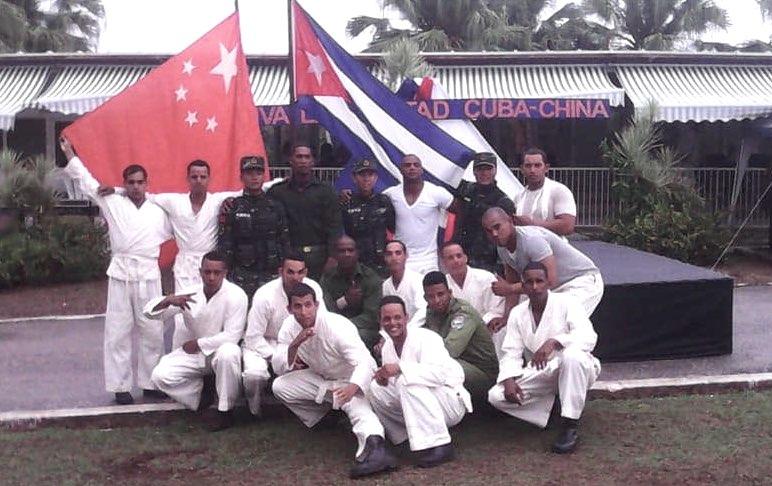
China has been one of Cuba’s most significant trading partners since the early 2000s and its largest in the past decade, according to Trading Economics, which calculates that Chinese–Cuban trade topped $1.1 billion in 2022.Cuba has been a Belt and Road Initiative signatory since 2016.
Chinese technology corporations, including U.S.-blacklisted Huawei and ZTE, manage the island’s telecommunications infrastructure.
In 2024, direct flights between China and Cuba were established, and 27,000 Chinese visitors flew to the island.
China, one of the largest purchasers of Venezuelan oil, has no petroleum to offer Cuba, but state-sponsored corporations are financing 94 solar electricity projects that, by 2028, could provide enough electricity to meet nearly two-thirds of Cuba’s power demand.
China, which has been critical of how Havana’s old school communist regime runs the island’s economy and suggested reforms allowing more private ownership, has issued boilerplate condemnations of U.S. actions in Venezuela but otherwise said or done little.
China has become South America’s largest source of infrastructure investment and second-largest trading partner, increasing trade from $18 billion in 2002 to $450 billion in 2022.
“Of course, China will continue to pursue its multifaceted, long-term strategy in the Western Hemisphere, leveraging its familiar economic tools to open doors,” Berg said.
“That will not change—China has too much to lose in the region. But Beijing will have to recalibrate and think more carefully about U.S. redlines, how much it wants to support other embattled regimes in the region.”