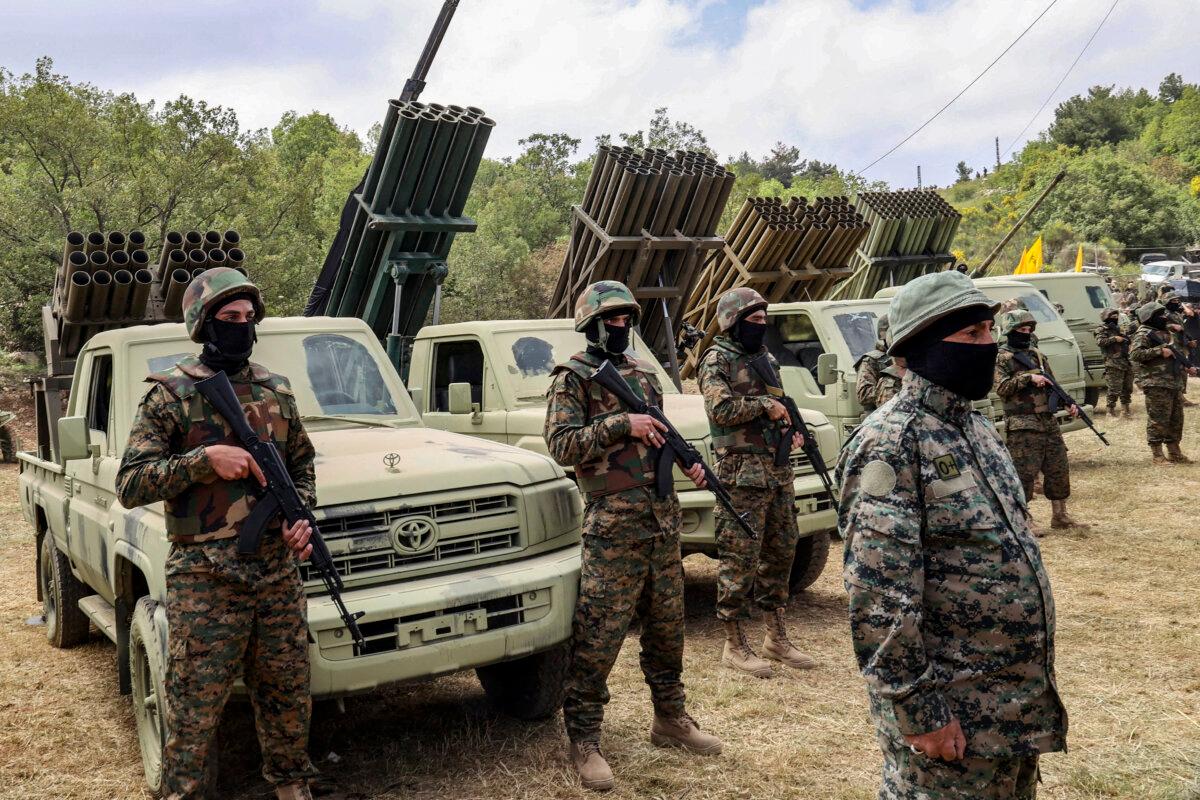
A month before Operation Midnight Hammer—the U.S. military’s attack on Iran’s nuclear facilities—the U.S. State Department offered a $10 million reward for information about the money-laundering operations of Hezbollah, a terrorist organization and key Iranian proxy.
The State Department said in May that it was seeking “information leading to the disruption of the financial mechanisms” of Hezbollah, specifically in the Tri-Border Area of Argentina, Brazil, and Paraguay.
The Simon Wiesenthal Center’s director for Latin America, Ariel Gelblung, told The Epoch Times: “The Tri-Border Area was one of the first places that Hezbollah worked in a clandestine way in Latin America. ... We think that the logistics for the bombing attacks [in Argentina] during the ‘90s were prepared and financed from there.”

Ilan Katz, a criminal defense attorney in Mexico who represents banks and other financial institutions, told The Epoch Times: “If they are operating in the Tri-Border Area, then it’s probably because that is a good place to hide some money, because of the lack of authority, because there’s so many money exchange houses. It’s probably a good place to deposit funds.”
The State Department said Hezbollah financiers and facilitators in Latin America generate revenue for the organization through a range of illicit activities, including drug trafficking, oil and charcoal smuggling, document forgery, counterfeiting U.S. dollars, and the trade in blood diamonds.
In May 2022, Paraguayan prosecutor Marcelo Pecci was assassinated while on his honeymoon in Colombia.
At the time, Pecci was heading up a huge probe into cocaine trafficking and money laundering.
Gelblung said he agreed with Ottolenghi, although he conceded he did not have any proof of Hezbollah’s involvement.
Iran–Venezuela Ties
“The most important activities of Hezbollah are not in the Tri-Border Area, but are in plain sight in Venezuela,” Gelblung said. “There’s a very strong tie between the Venezuelan government and Iran.”He said there were weekly flights between Caracas and Tehran, despite that there was no significant Iranian community in Venezuela or vice versa.
At the time, Venezuela’s foreign ministry said Shavit’s statement was absurd.
The U.S. State Department said Hezbollah also generates legitimate revenue by investing in a range of commercial activities across Latin America, including construction, real estate, and import-export businesses.
The department said it is offering rewards for information about Hezbollah front companies in Latin America, which are engaging in the international procurement of technology such as circuit boards, microprocessors, switches, oscillators, software, and radio equipment that can be used for military or terrorist purposes.
Katz said there had been some allegations, mostly emanating from the U.S. intelligence community, claiming that Hezbollah had a footprint in Mexico and was either arming the cartels or laundering money, but he said there had been no indictments naming them or their operatives.
He said he did not believe that Hezbollah was involved in drug smuggling in Mexico because it was “well-funded by Iran,” but he said Latin America was probably a “safe haven” for their money.
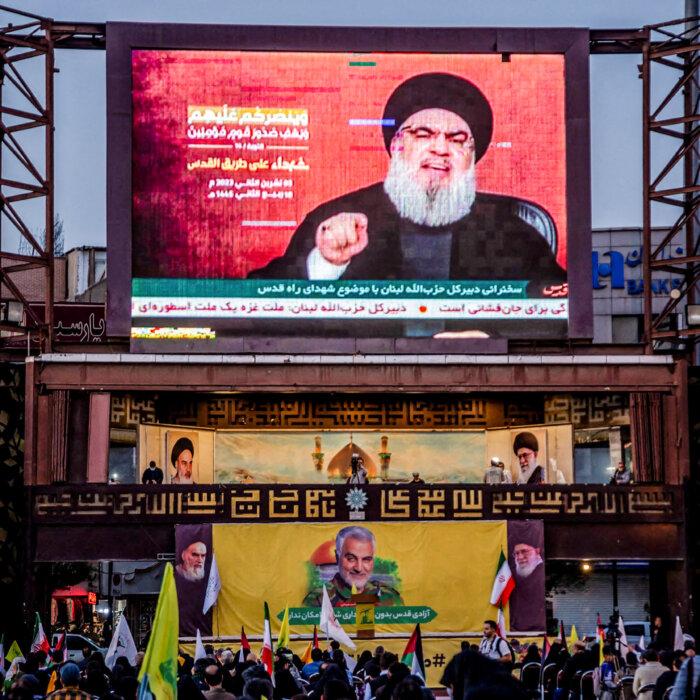
On Oct. 7, 2023, its strategic ally, Hamas, led a terrorist attack against Israel, killing 1,200 people and taking 250 Israelis hostage.
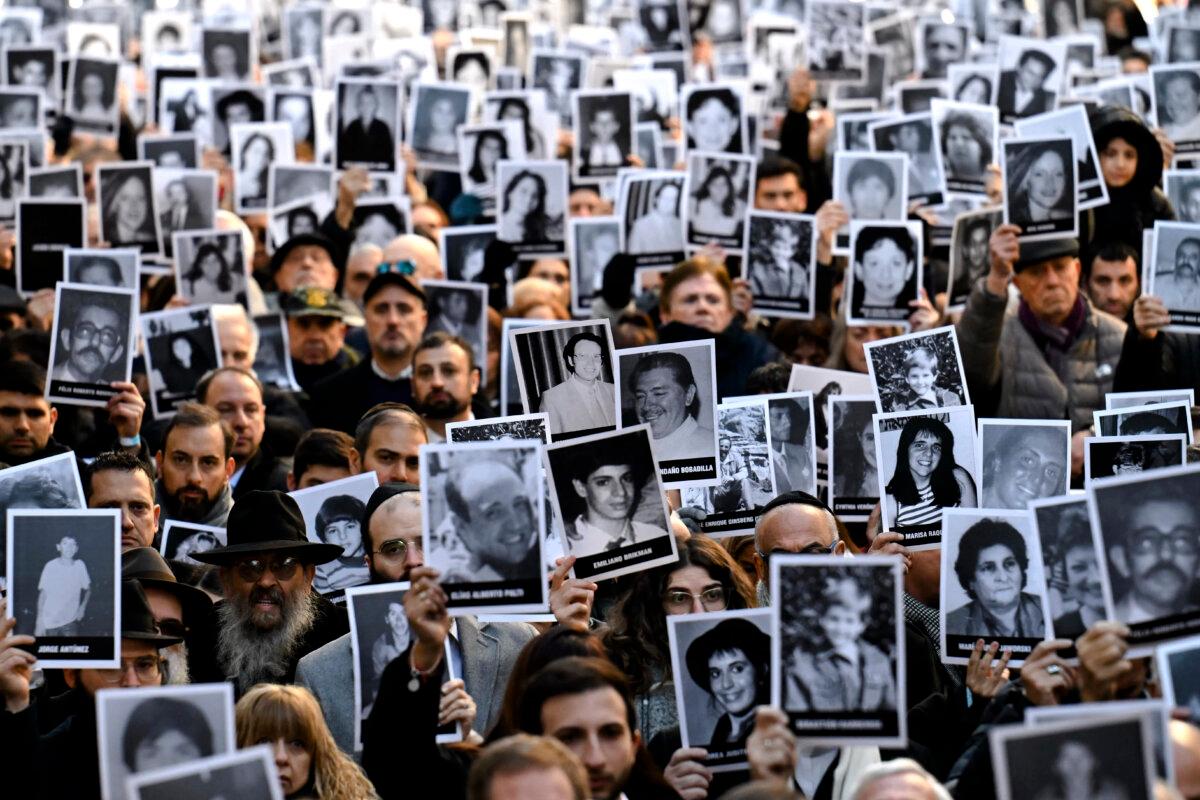
In 1994, the group was implicated in a terrorist attack in Argentina after a bomb exploded at the Asociación Mutual Israelita Argentina (AMIA), a Jewish community center in Buenos Aires, killing 85 people.
On June 26, 2025, Judge Daniel Rafecas, sitting in Buenos Aires, ruled that 10 men—all Iranian or Lebanese nationals—who were accused of planning and ordering the terrorist attack on the AMIA could be tried in absentia.
Alberto Nisman, a prosecutor investigating an alleged cover-up of the 1994 AMIA bombing, was found dead in his Buenos Aires apartment in 2015.
“We don’t know who did it, but there’s no doubt this was a murder,” Gelblung said.
Curtis and Rosen called for governments in Latin America to follow Argentina’s example and designate Hezbollah as a terrorist organization.
Gelblung said that Brazilian President Luiz Inácio Lula de Silva appeared on the surface to be opposed to Israel, but that did not mean he was supportive of Hezbollah.
“When Lula is speaking openly, he is very anti-Israel, but in the practical things, every time they find someone who is related to Hezbollah, they take him off and they take him to prison,” Gelblung said. “So it’s something they say in the open, but they are working against this manifestation of terrorism very hard.”