The Thai government said on Aug. 12 that it would bring in tighter gun control laws and crack down on illegal firearms after two high-profile fatal shootings within days.
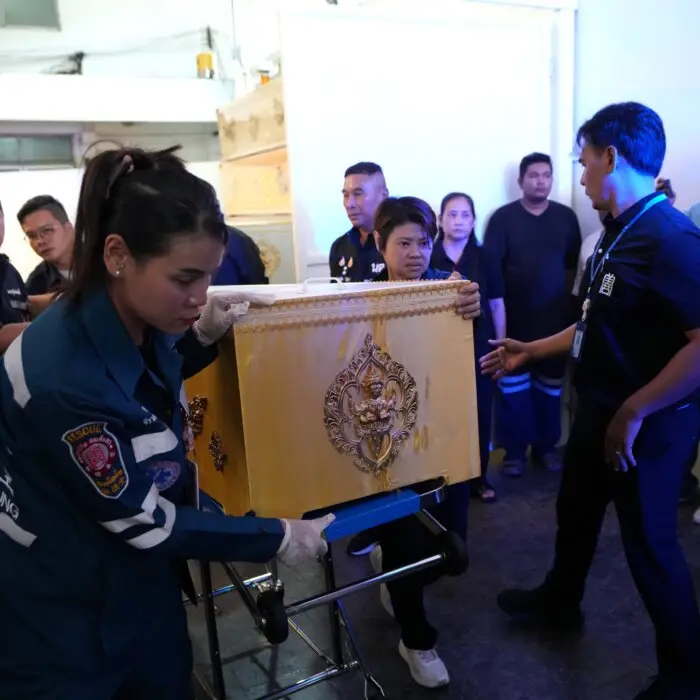
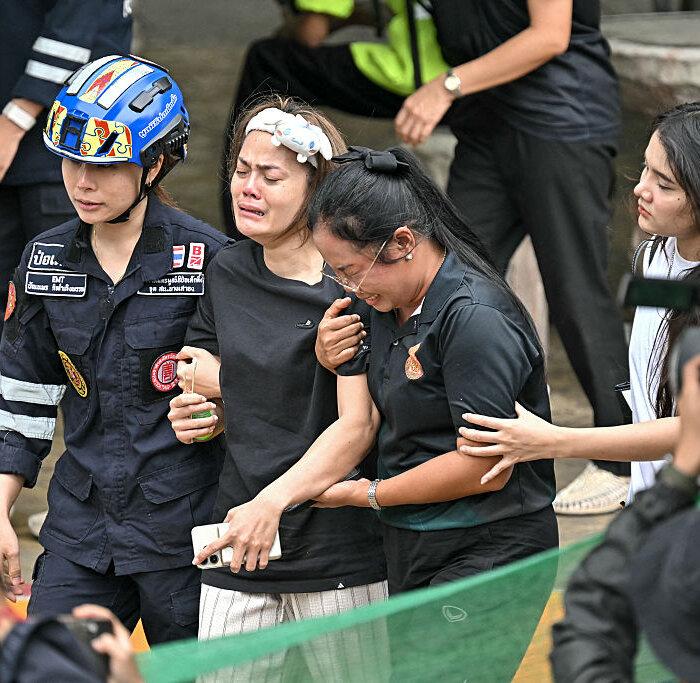
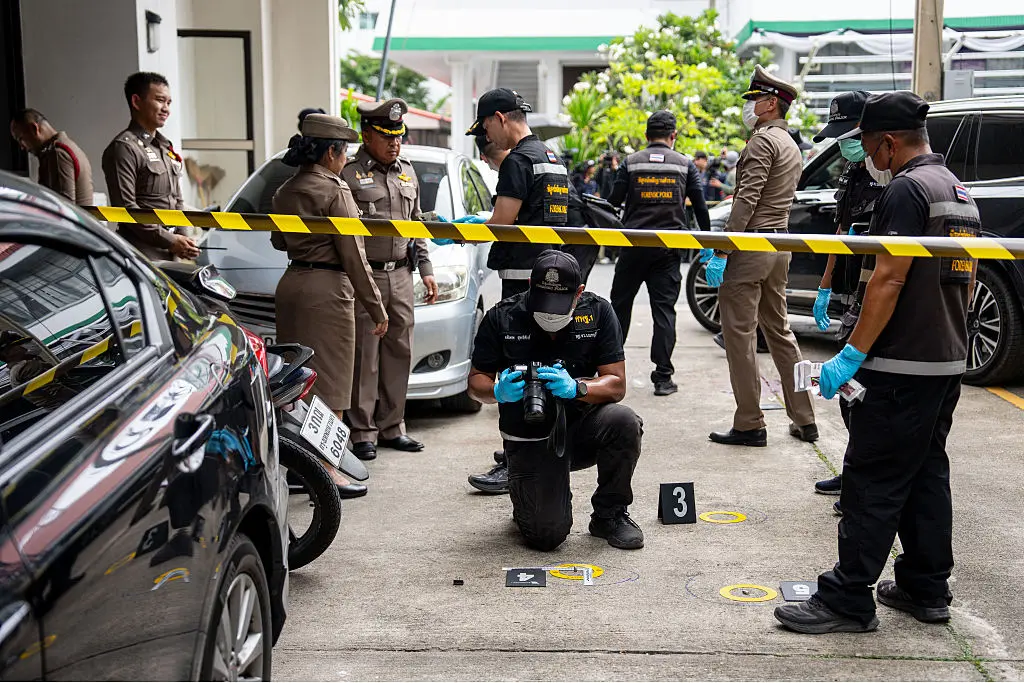
On Aug. 10, former lawmaker Chalong Riewraeng was arrested after a fatal shooting, also in Nonthaburi. A senior local government official was killed in the incident, and his driver was injured. Nonthaburi Provincial Administrative Organization Chief Executive Thongchai Yenprasert was shot in the face and neck at his office, and died later in hospital. His driver survived after being shot in the arm.
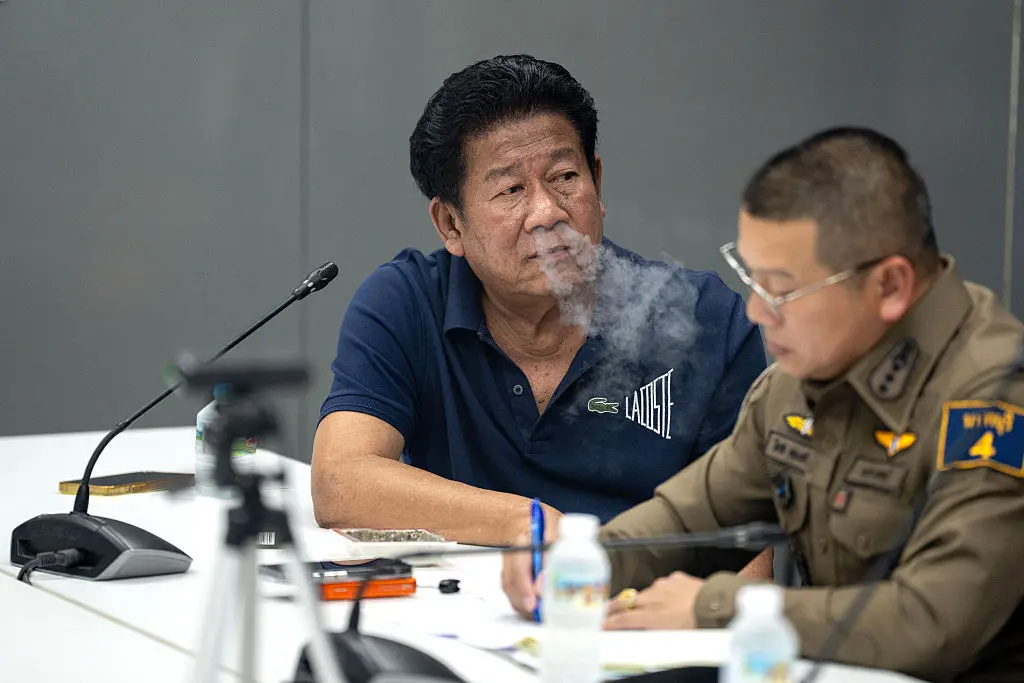
Chalong told reporters at a local police station that he was arguing with Thongchai over a debt he said the victim owed him. He said he pulled out his gun but did not intend to shoot Thongchai. Chalong said the chief executive’s driver then pulled a weapon on him, forcing him to open fire.
“I wanted to apologize to the people of Nonthaburi,” Chalong said. “I had no intention. We were friends, and I thought we could talk it out, but he wouldn’t talk to me.”
It was not immediately clear whether Chalong had legal representatives who could comment on his behalf.
The statement said new permits to purchase firearms would be suspended, and existing permits would be reviewed. Anutin instructed Thailand’s Interior Ministry to propose amendments to the country’s gun control laws within 60 days.
Thai government spokesman Lalida Persvivatana said the ultimate goal is “to find ways to remove guns from people’s daily lives as much as possible and make Thai society safer.”
She said they also wanted to raise awareness of the responsibilities of and limits on gun ownership.
In Thailand, the penalty for unlawful possession of firearms is imprisonment for up to 10 years, and fines of up to 20,000 baht ($600).
High Gun Ownership Rates
A survey in 2017 by Small Arms Survey suggested Thailand had one of the highest rates of gun ownership in Asia.
It said Thailand had an estimated 10.3 million firearms in the possession of civilians, or about 15 firearms per 100 people, compared to neighboring Cambodia, which had 4.5, and Malaysia, which had 0.7.
There have been several mass shootings in Thailand in recent years.
In 2020, a soldier killed 29 people in a shooting rampage in Nakhon Ratchasima that included a shopping mall, while in July last year, a gunman killed five people at a Bangkok market, among them security guards and a vendor, before turning the gun on himself.
In 2022, a sacked former policeman ran amok in a three-hour gun-and-knife attack in the northeast that killed 36 people, including his partner, her son, and 22 children stabbed as they slept at a daycare center.
The following year, a 14-year-old killed two people and wounded five others at a luxury Bangkok shopping center, using a modified handgun that police said was likely purchased online.