British Columbia, a province that has struggled with gang-related illicit funds and organized crime, may finally be turning the corner in its torturous, decades-long struggle to make headway in containing money laundering.
“With the first sentencing in a decade in a B.C. money laundering case,” the province’s anti-gang agency, part of the RCMP, says it has reached “a major milestone in its ongoing efforts to combat organized crime and financial criminality.”
In other words, the milestone does not lie in the significance of this specific money laundering prosecution, but rather in the fact that someone was sentenced at all.
One money laundering sentence in 10 years might seem surprising for a province with a reputation as a magnet for financial crime that’s known across Canada and the globe. But it speaks to the intricate and intractable nature of money laundering, a crime that has long caught B.C. and Canada on the back foot.

‘Wilful Blindness’
How did a province known for beaches, skiing, and environmentalism become Canada’s money laundering hot spot?The triads are transnational Chinese crime syndicates that originated as secret societies in the 18th and 19th centuries and are now involved in a wide range of organized crime, including drug trafficking and money laundering.
Leaked to the media several years after it was written, the explosive report alleged that many of the triads had secretly arrived in Canada amid an influx of immigration from Hong Kong in the 1990s, during the time before Hong Kong’s return to Chinese sovereignty from British rule. Thereafter, they collaborated with the Chinese Communist Party (CCP). The report described a mutually beneficial alliance with the goals of winning influence over politicians, stealing industrial secrets, laundering money, and gaining control of Canadian businesses.
‘Vancouver Model’
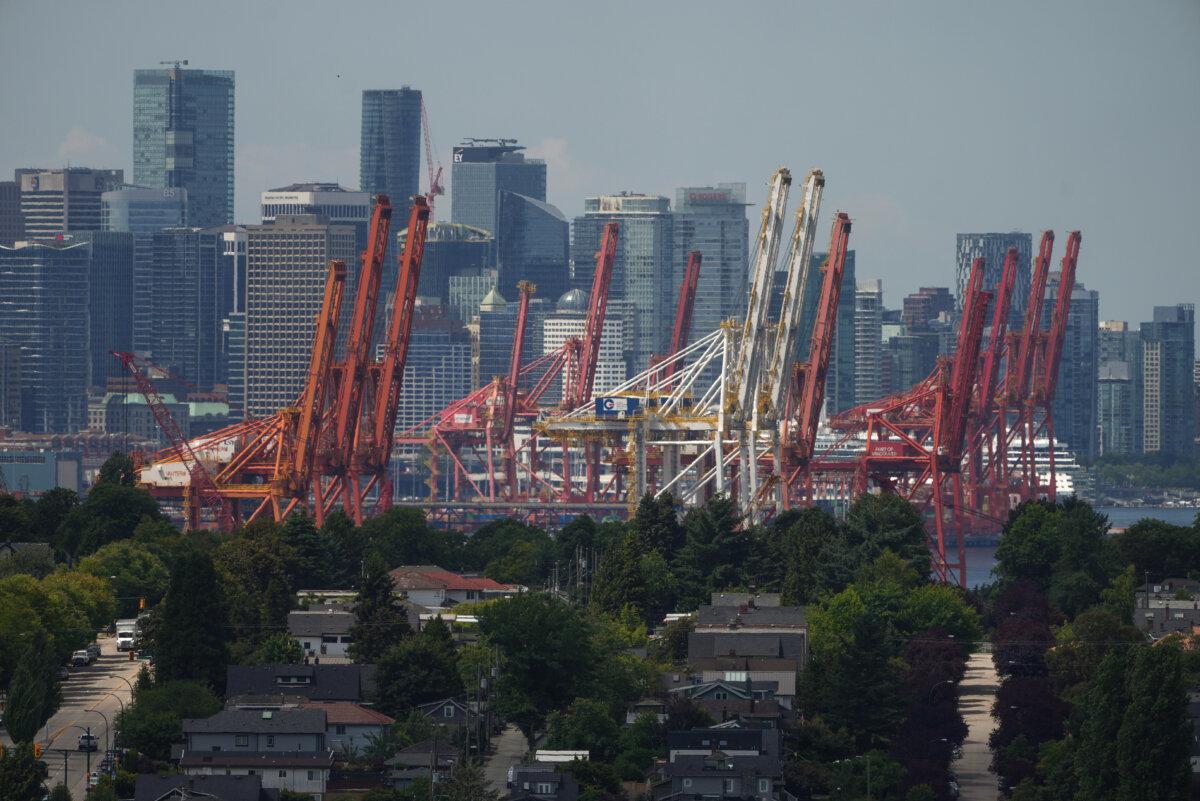
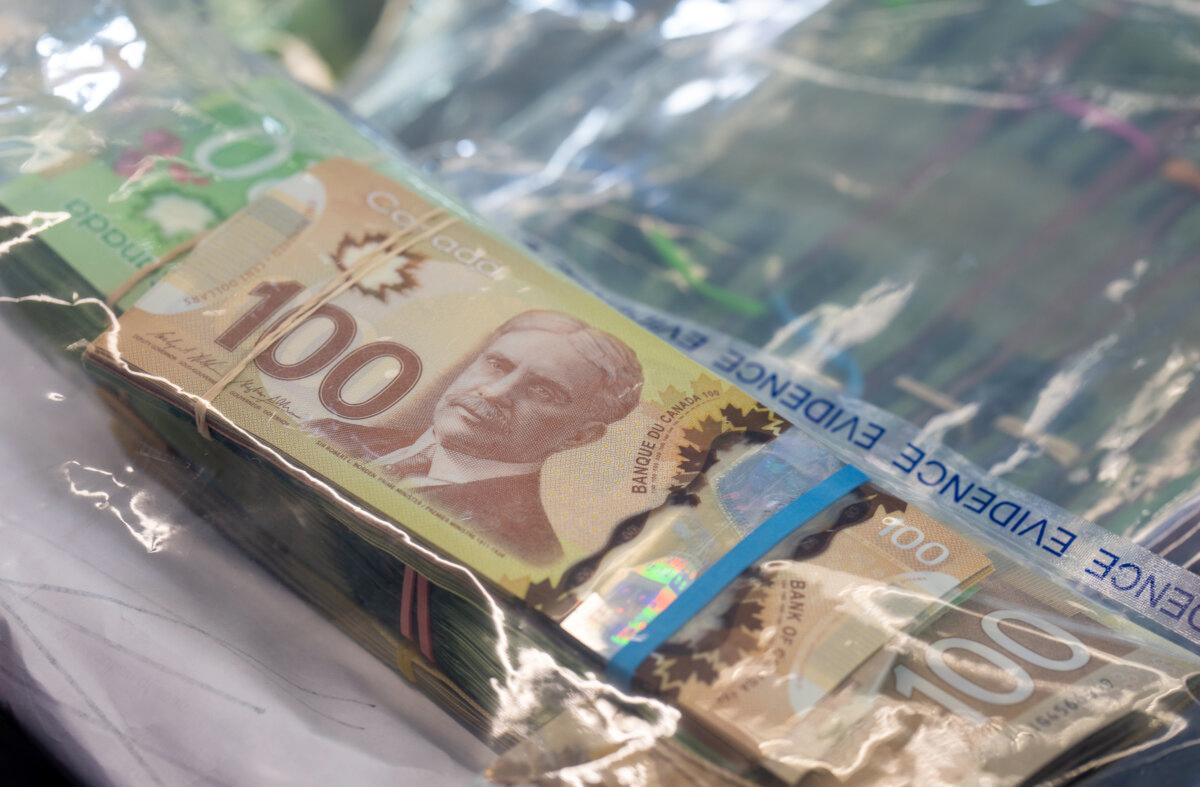
Vancouver, often touted as Canada’s “gateway to the Pacific,” was now open to more than just trade and tourism. The city became a landing pad for illicit funds from around the world, particularly China.At its core, the scheme operates as follows: Illicit funds, or “dirty” money—often the proceeds of drug sales or other organized crime—is brought to a casino to be exchanged for chips, which are cashed out for “clean” money. This clean money can then be used to buy real estate or other assets in a process known as “layering,” where the origins of the cash are further obscured.
Often, the model involves wealthy Chinese citizens flying to Vancouver to gamble, evading China’s controls on cash exports with the help of gangs that would give them large amounts of dirty cash upon arrival. Whether these casino patrons win or lose is irrelevant to the gangs. Either way, the gamblers pay them back with clean money.
‘Dirty Money’ Reports
Public concern over the rise in money laundering became so acute that B.C. commissioned a report authored by anti-money laundering expert Peter German. Aptly titled “Dirty Money,” the report was released to the public in two parts, in 2018 and then in 2019.For German, the fact that industrial-scale money laundering was happening right under the B.C. government’s nose was a “collective system failure.” He pointed out that officials had been long aware of the problem but had not acted.
At this point in 2019, B.C. had been the epicentre of money laundering for decades. It was a scandal that had captivated much of the B.C. media for the previous several years, and yet there was still not one federal RCMP officer dedicated to the problem.
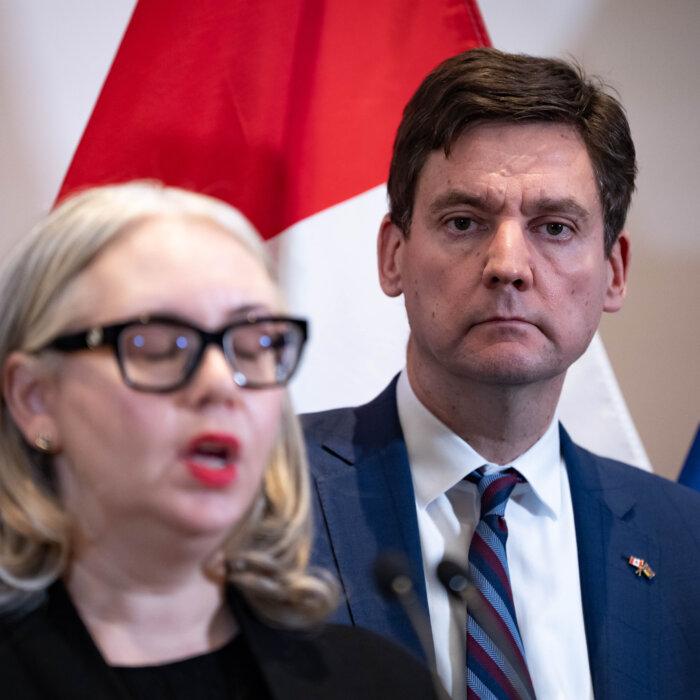
“We have accelerated the release of this portion of the report so that the federal government and the public are aware of what is happening to police the international crime groups laundering money through our provincial economy,” Eby said. “What is happening is nothing.”
The fact that practically “nothing” was being done to fight money laundering was only the tip of the iceberg of what Part II of German’s report revealed.
The report also noted that work by John Langdale—the Australian professor who coined the term the “Vancouver Model”—shows that “Greater Vancouver is a hub for Mainland Chinese organized crime” with a “complex network of criminal alliances” laundering money into and out of China and importing “methamphetamines and precursor chemicals” from China into North America.
In other words, money laundering is about more than just money; it intersects with organized crime of various kinds, especially drug trafficking.

Impact on B.C. House Prices
In March 2019, an expert panel released a report titled “Combatting Money Laundering in BC Real Estate,” estimating that as much as $5.3 billion in laundered funds was being funnelled into B.C. real estate—4.6 percent of the total volume of transactions in the province.B.C. real estate has proven to be attractive for money launderers because it is a relatively secure investment and one in which the identity of the true owner can be obscured in various ways. The panel estimated that, as a result of this influx of illicit funds into the housing market, B.C. house prices were inflated by as much as 7.5 percent.
At this point, much of the B.C. public was angry. Successive reports had linked rising housing costs and the deadly scourge of fentanyl to a vast money laundering scheme undertaken by transnational gangs. Concern was heightened by revelations in German’s report that officials had been warned but had not taken swift action.
Cullen Commission
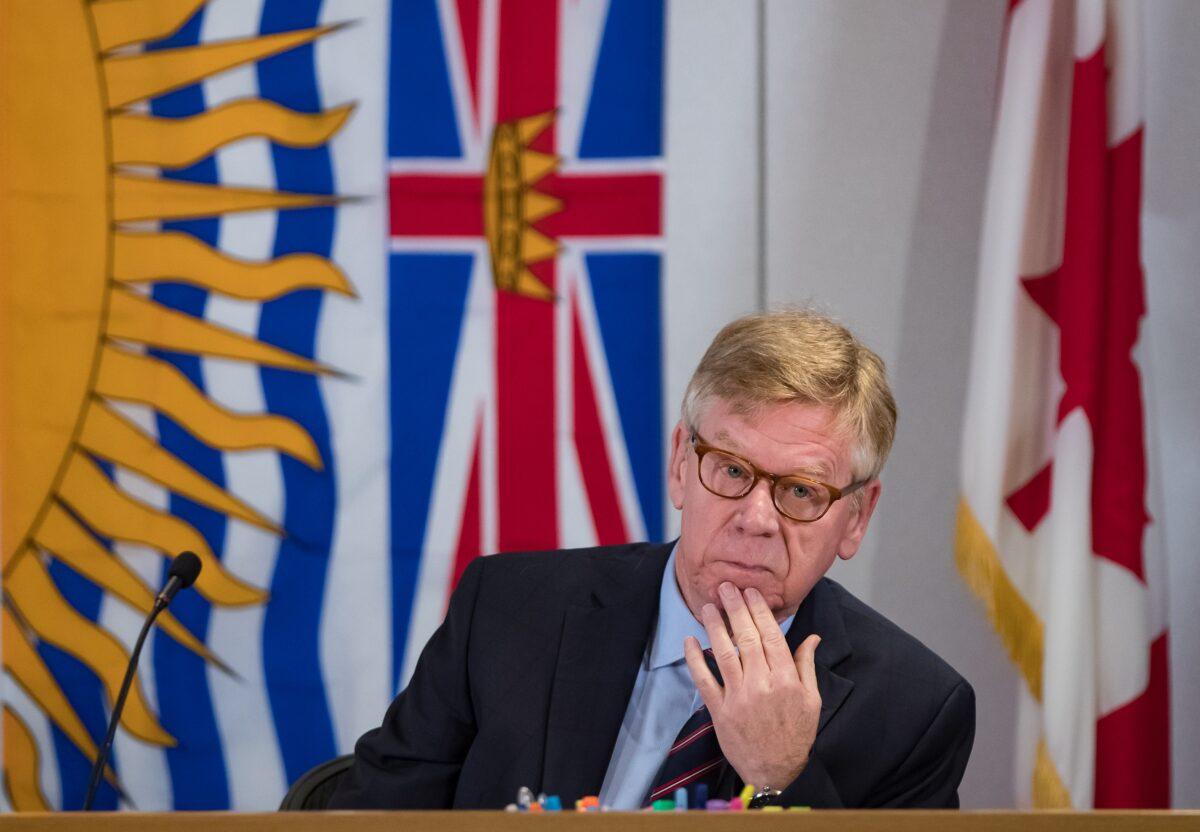
As media attention and public pressure grew, the B.C. government appointed B.C. Supreme Court justice Austin Cullen to lead a public inquiry into money laundering. While announcing the launch of the commission of inquiry in February 2020, Attorney General Eby said the goal was to get to the bottom of why so little had been done.“First, how was this problem allowed to grow?“ he said. ”Was it the negligence encouraged by large bureaucracies and people working in silos? Was it wilful blindness to the source of lucrative income for private and public accounts? Was it corruption, or was it something else entirely?”
Especially damning was the inquiry’s finding that B.C,’s Gaming Policy and Enforcement Branch, the BC Lottery Corporation (BCLC), and law enforcement were aware of “large and suspicious cash transactions” but nevertheless “failed to intervene effectively.” The BCLC in particular “continued to allow these transactions, almost without exception.”
Challenges in Prosecution
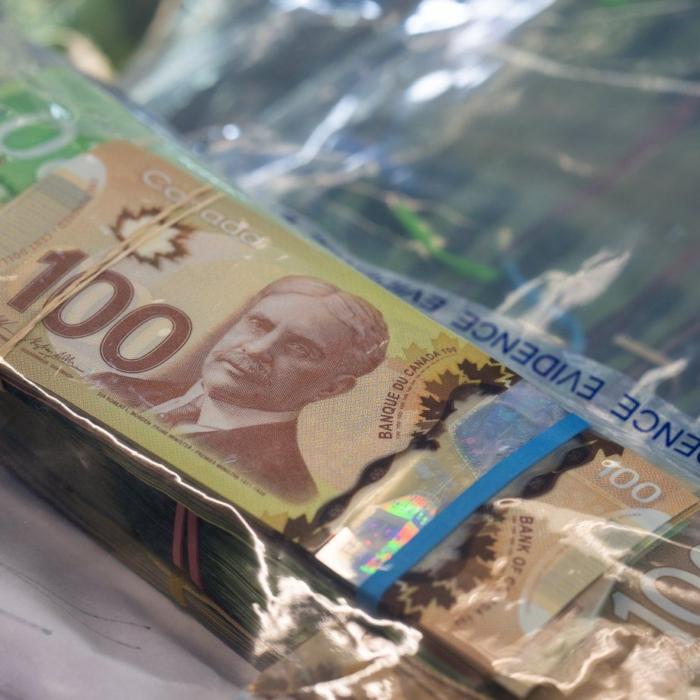
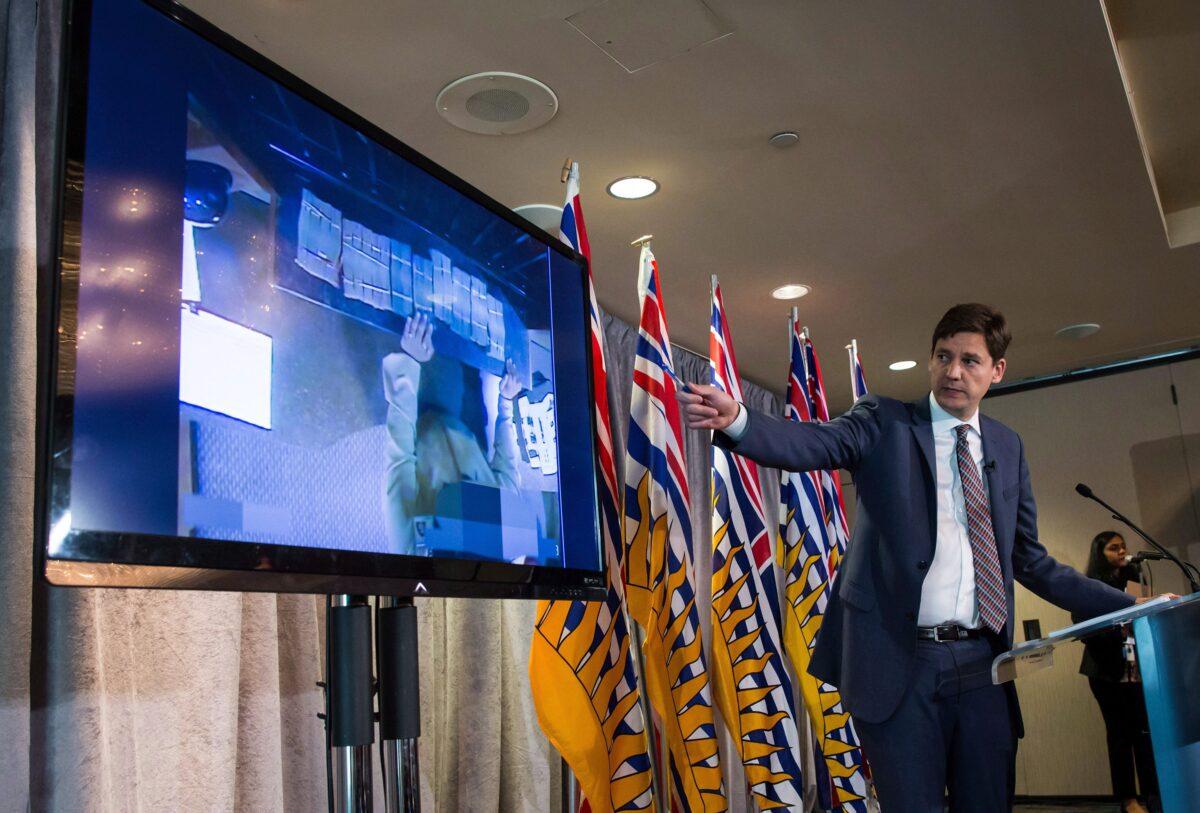
Despite this, the provincial government is struggling to prosecute money launderers. Eby, who was active on this file earlier as attorney general, is now struggling to cope with the problem as premier.“It’s probably shocking to British Columbians that you can have somebody in our province accepting suitcases full of bundled bills, operating in an unlicensed, illegal so-called money service business, receiving the money clandestinely, and that after teams of prosecutors have reviewed that conduct that there is no criminal charge that they can find that they can proceed with,” he said.
Considine went on to suggest federal legislative changes to make it easier to prosecute money laundering, including criminalizing the operation of unlicensed money service businesses to “bring Canadian law into harmony with the approach in both the UK and the United States.”
‘Unexplained Wealth Orders’
Encountering great difficulty in securing charges against money launderers, the B.C. government has turned to a tool called “unexplained wealth orders,” where individuals suspected—but not proven—to be engaged in criminal activity are compelled to explain how they acquired their wealth. These orders put a reverse onus on the defendant to prove that their wealth was not acquired illegally.These orders are likely to face constitutional challenges going forward, which will provide a test case for any other provinces seeking to use this tool to combat money laundering.
Federal Measures in Bill C-12
The federal government has included measures cracking down on money laundering in Bill C-12, the Strengthening Canada’s Immigration System and Borders Act, introduced in October. These measures include “a 40 times increase in administrative money penalties” on businesses that fail to uphold rules on the monitoring of financial crimes, such as reporting suspicious transactions.It remains to be seen whether the measures currently being pursued federally and in British Columbia will manage to contain money laundering and begin to shake off Canada’s reputation as a global hub for “snow-washing.”