The upcoming increase to the GST credit is meant to address rising living costs and is primarily targeted at lower-income Canadians.
What Is the Credit?
The Canada Groceries and Essentials Benefit is a 25 percent increase in the Goods and Services Tax (GST) credit and will be accompanied by an additional one-time payment this year worth 50 percent of the credit.Who Is Eligible?
Ottawa has yet to release a formula for assessing eligibility; however, its connection to the GST credit suggests similar criteria will likely be applied.That means the new benefit will be allocated only to individuals earning below a specific income level. This threshold fluctuates depending on household makeup.
Canadians must be at least 19 years old and a resident of Canada to qualify for the quarterly GST payments. Marital status, number of children, and income are all factors in determining eligibility.
How Much Will You Receive?
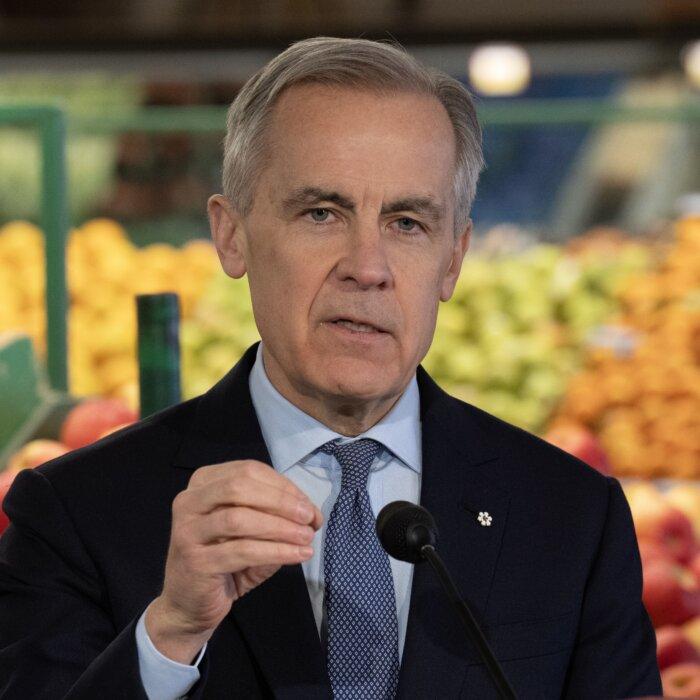
An average family of four currently receives roughly $1,100 per year from the GST credit, but Carney said the new credit will increase this amount to an average of $1,890 this year, followed by $1,400 per year for the subsequent four years.The increased credit will also grant an average of $950 for a qualifying single individual this year and $700 annually for the subsequent four years, in contrast to the existing average sum of $540.
How and When Will You Receive it?
The government has not announced any application process for the new benefit. Instead, the CRA will automatically issue payment if your tax return indicates eligibility. If you have not filed your tax return, you will not receive the credit.GST credit payments are issued by the CRA four times a year on the fifth of January, April, July, and October. If these dates fall on a weekend or holiday, payments are sent on the preceding business day.
Aside from the one-time 50 percent boost in June, the 2026 new benefit payment schedule for the remainder of the year will be July 3 and Oct. 5.
A GST payment was already processed on Jan. 5, and a subsequent payment will be made on April 2, prior to the benefit coming into effect.
The Canada Groceries and Essentials Benefit is not law yet, however. It must still be approved in Parliament and receive royal assent.
Past Benefits
The Canada Groceries and Essentials Benefit follows on the heels of a one-time extra GST payment to eligible recipients in 2023 by the administration of then-Prime Minister Justin Trudeau.Trudeau also implemented a GST/HST holiday before Christmas in 2024. The tax break between Dec. 14, and Feb. 15 exempted “holiday essentials” such as snacks and prepared foods from GST and HST at the grocery store. Restaurant meals, beer, wine, and certain items for children such as clothing, footwear, diapers, and toys were also tax-free during the two-month period.
Provincial and territorial governments in Canada have also previously offered direct payments and tax cuts to residents.
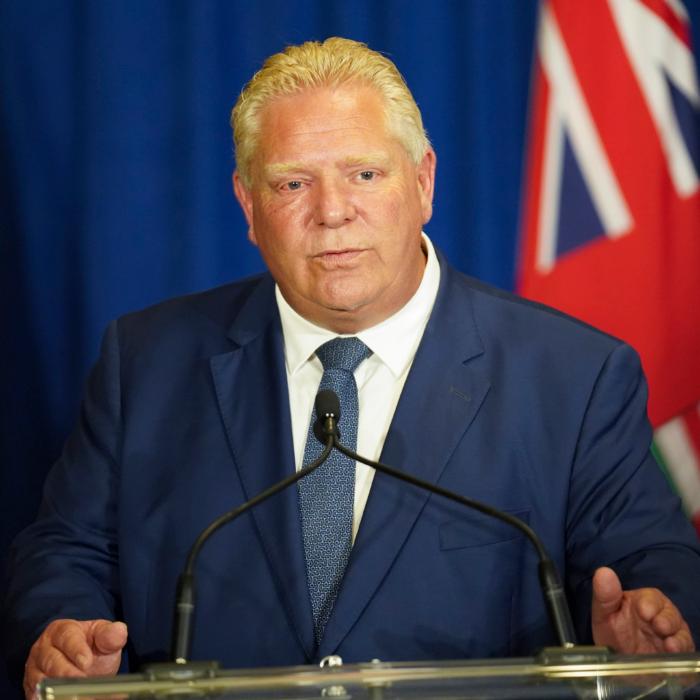
Premier Doug Ford told reporters at the time the government cheques were a bid to offset the “high costs of the federal carbon tax and interest rates.”
Alberta also offered relief to its residents, but in the form of fuel tax relief. The province suspended its provincial fuel tax starting April 1, 2022, to combat high gas prices. The tax suspension enabled drivers to save 13 cents per litre on gasoline and diesel and was effective throughout 2023. A partial reduction was implemented during the initial three months of 2024, before being restored to full or partially reduced rates, contingent upon oil prices.
The federal and provincial initiatives were designed to provide quick financial relief, though some were criticized for being a bid to buy votes.