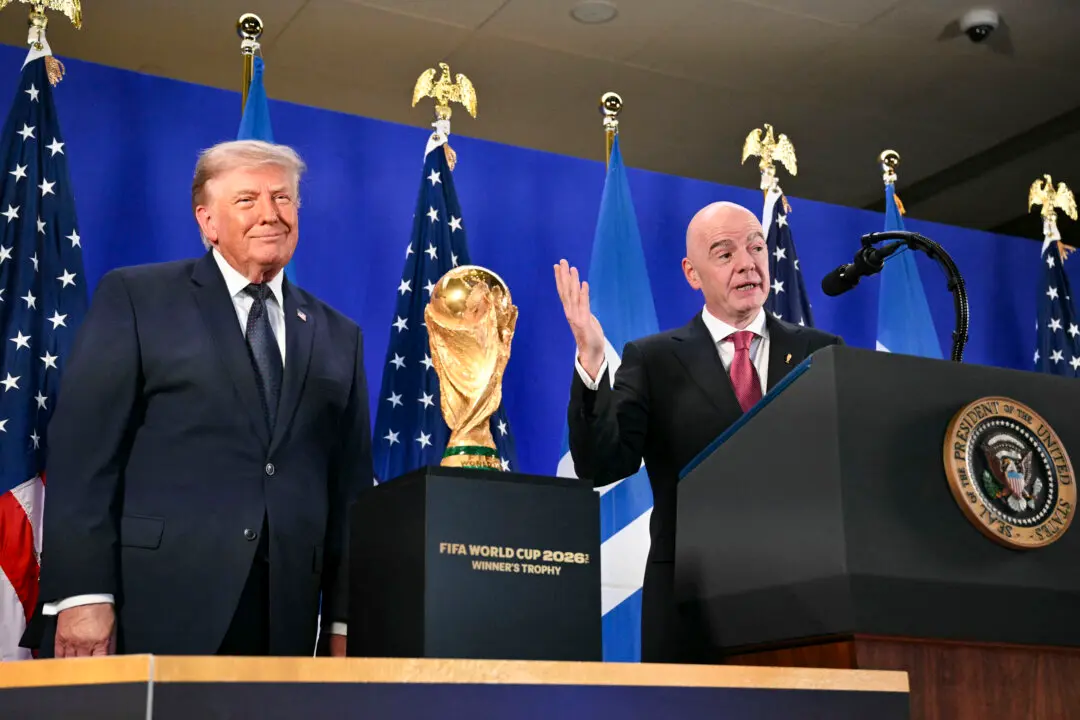
President Donald Trump on June 25 joined leaders of the 31 other NATO member countries at a summit where they endorsed a new defense spending target.
The alliance agreed to a target of 5 percent of each member country’s gross domestic product (GDP), a significant increase on paper from the 2 percent benchmark set during a summit in Wales in 2014.
What Is NATO?
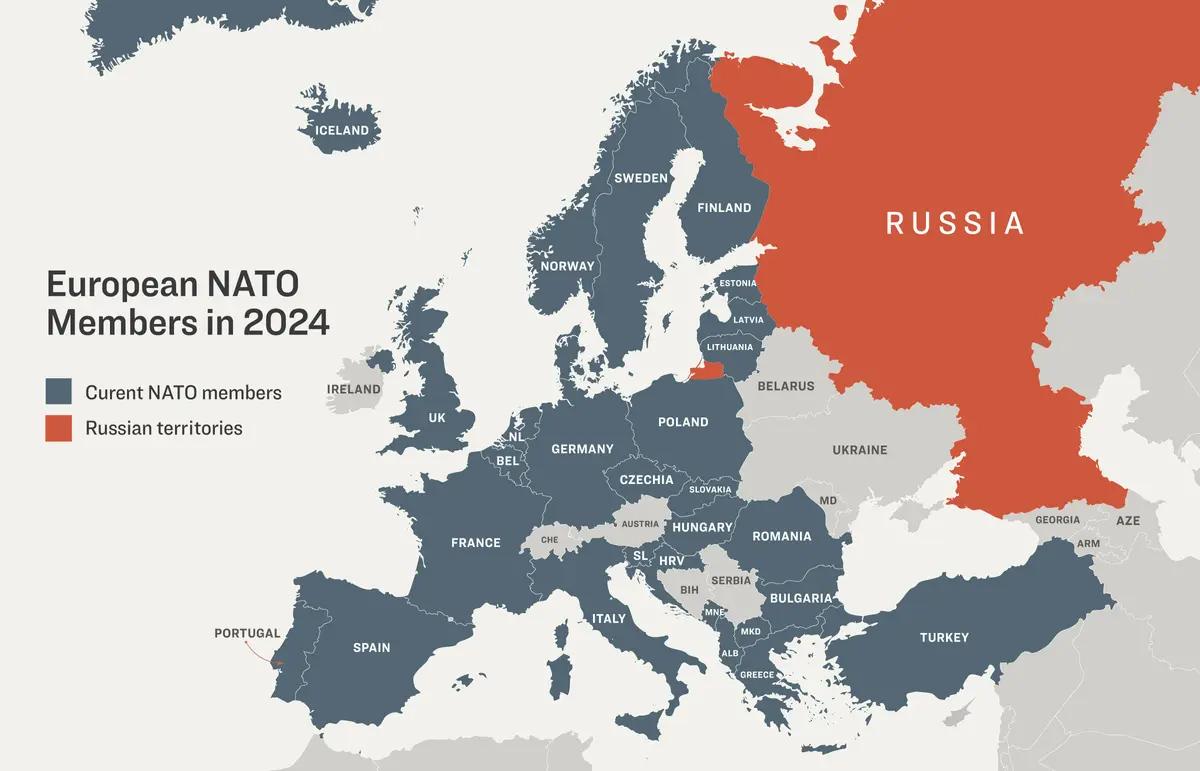
The North Atlantic Treaty Organization was founded in April 1949, after the Soviet Union began blockading Berlin, forcing the United States and its allies to airlift food and other necessities into the besieged German capital at the start of the Cold War.The United States, Britain, and the Netherlands were among the 12 founding members, along with Canada, Belgium, Denmark, France, Iceland, Italy, Luxembourg, Norway, and Portugal.
After the collapse of the Soviet Union and the fall of communism, Poland, Hungary, and the Czech Republic joined in 1999. Five years later, Bulgaria, Estonia, Latvia, Lithuania, Romania, Slovakia, and Slovenia signed up.
When Was a Target Last Set?
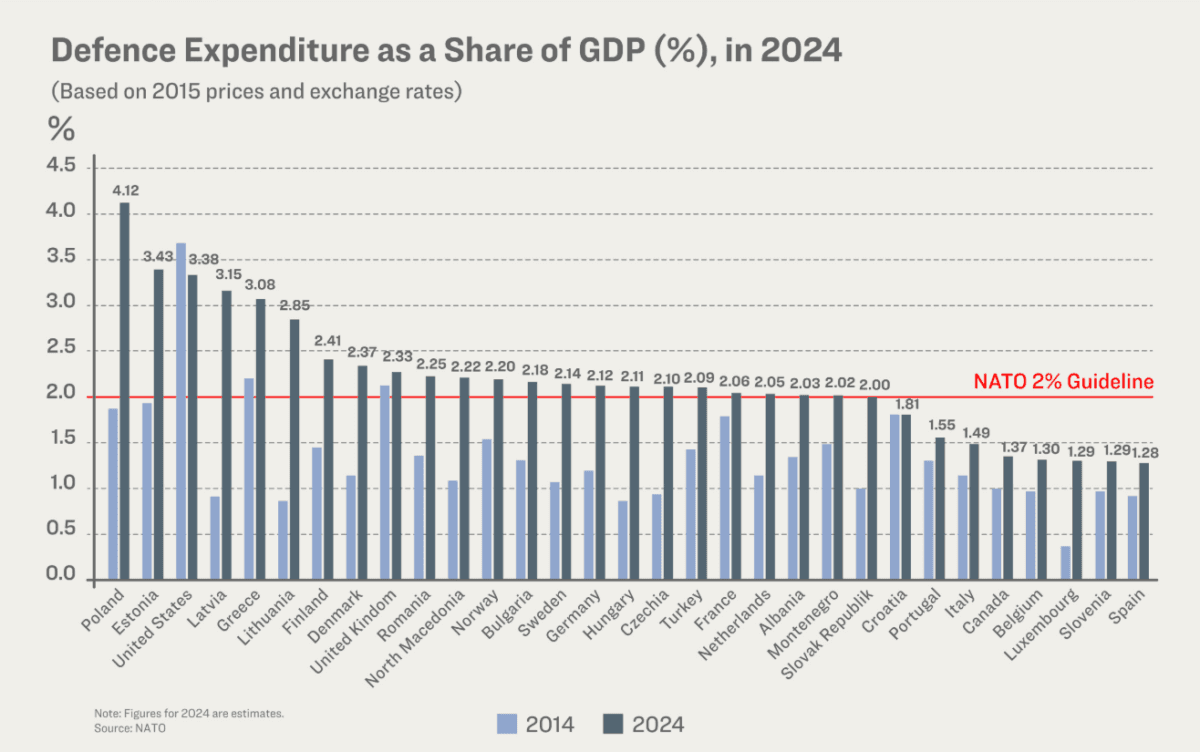
In October 2014, at a summit held at the Celtic Manor golf resort in Wales hosted by then-British Prime Minister David Cameron, the NATO heads of state agreed to commit 2 percent of their national GDP to defense spending by 2024.
Why Did Trump Want the Increase?
A document called Funding NATO on the alliance’s website states: “The combined wealth of the non-US Allies, measured in GDP, is almost equal to that of the United States. However, non-US Allies together spend less than half of what the United States spends on defence. This imbalance has been a constant, with variations, throughout the history of the Alliance and has grown more pronounced since the tragic events of 11 September 2001, after which the United States significantly increased its defence spending.”During his first term, Trump frequently brought up the imbalance, and the subject came up again during the 2024 presidential election.
Who Are the Lowest Spenders?
On Jan. 23, Trump addressed World Economic Forum attendees by video link and said, “I’m also going to ask all NATO nations to increase defense spending to 5 percent of GDP, which is what it should have been years ago—it was only at 2 percent, and most nations didn’t pay until I came along, I insisted that they pay, and they did.”The lowest spenders, measured as a percentage of GDP, in 2024 were Spain, Slovenia, Luxembourg, Belgium, Canada, and Italy, all below 2 percent.
Who Has Made Commitments?
In the run-up to June 25, several countries made pledges to meet the 5 percent of GDP target in various forms.What Has Been Agreed?
The new target formally endorsed by member states on June 25 is formulated differently from the agreement in 2014.All NATO members will be expected to spend 3.5 percent of their GDP on core defense, such as troops, weapons, and equipment. This is comparable to the 2 percent target in 2014.
That money is likely to be spent on adapting roads, bridges, and ports for use by the military; cyber-proofing civilian assets such as airports, computer servers, and banks; and protecting energy pipelines and undersea cables.
Are There Any Exemptions?
On June 22, Spanish Prime Minister Pedro Sánchez said he had reached a deal for his country to be given an exemption from the 5 percent spending target.“Spain will, therefore, not spend 5 percent of its GDP on defense, but its participation, weight, and legitimacy in NATO remain intact,” Sánchez said on June 22 in a televised address.
At a pre-summit press conference on June 23, a Greek journalist asked NATO Secretary-General Mark Rutte how, given the exemption for Spain, he was going to make sure the 5 percent pledge did not become an empty promise.
Rutte replied, “Alluding to Spain, NATO has no opt-out, and NATO doesn’t do side deals.”
The NATO communiqué announced on June 25 says all member states must “agree to submit annual plans showing a credible, incremental path” to reach the 5 percent goal by 2035.