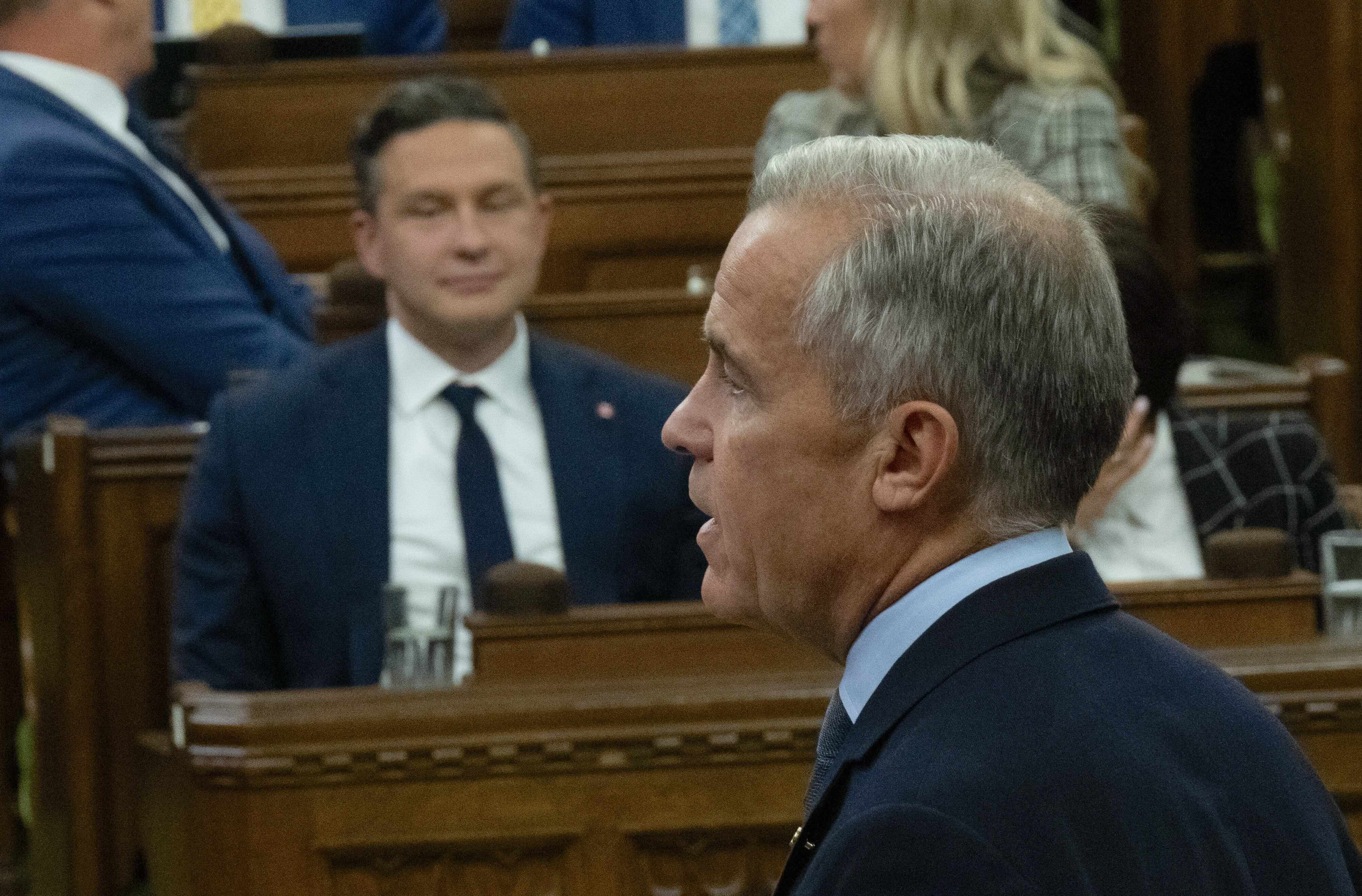
Prime Minister Mark Carney and Conservative Leader Pierre Poilievre offer starkly contrasting views on the state of the Canadian economy. For instance, while Carney says Canada is on track for the highest per capita foreign investment in the world and the economy is growing briskly, Poilievre says food inflation is escaping control and investment in productive equipment is the lowest in the G7.
And while Carney says his government is forging new paths to diversify away from the United States and implementing policies to spur domestic growth, Poilievre says the Liberal government should be careful not to alienate the United States as Canada’s largest trading partner, and should remove further barriers and taxes so industry can flourish.
The perspectives put forth by the two are based on different indicators, different time frames, and different measures of economic health.
Here’s a look at the numbers and the way they are presented.
Investment: Worst or Best?
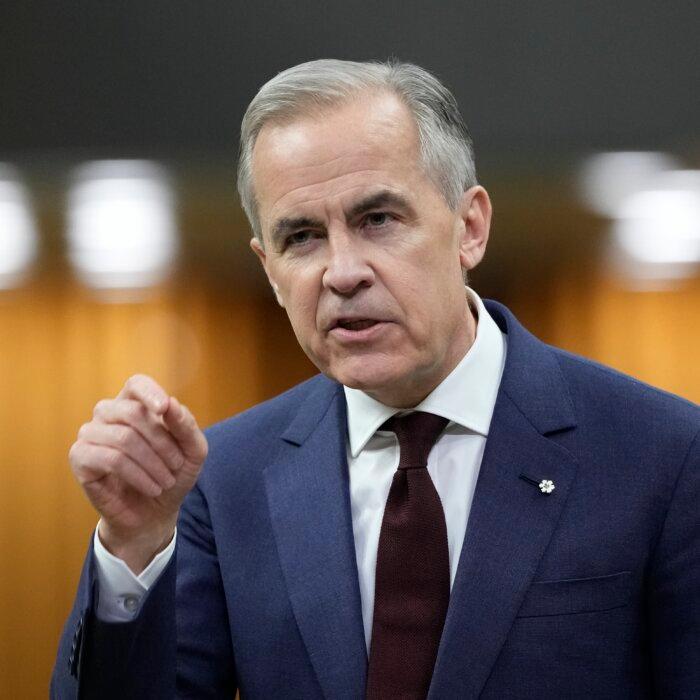
During question period in the House of Commons, Carney recently cited the International Monetary Fund (IMF) as projecting that Canada will post the second-fastest economic growth rate in the G7 in 2025–26. He also said Canada is on track for the highest foreign direct investment per capita in the world.
As for investment, a Statistics Canada report found foreign direct investment inflows reached $96.8 billion in 2025, the highest since 2007.
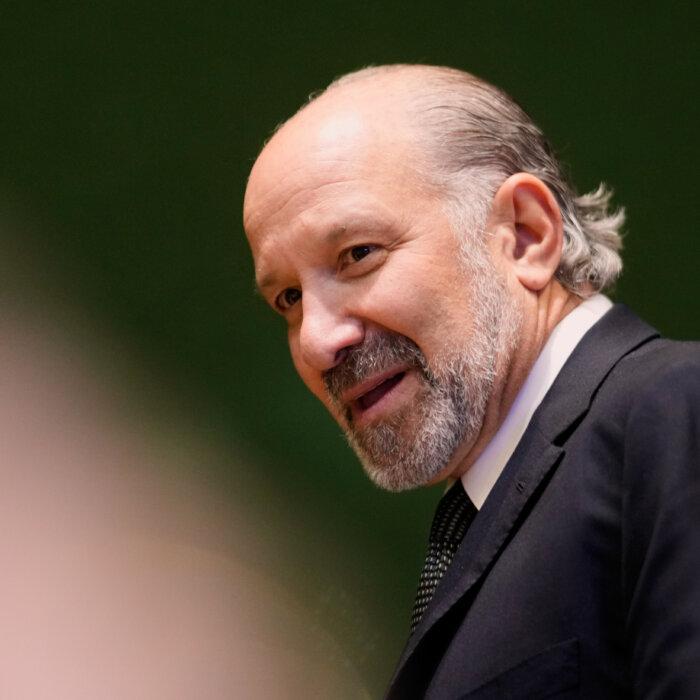
Poilievre, meanwhile, points to a different measure and says Canada had the “worst investment in the G7.”
The Economy: Growing or Shrinking?
Economic growth, the mother of all economic indicators in modern politics, is also debated.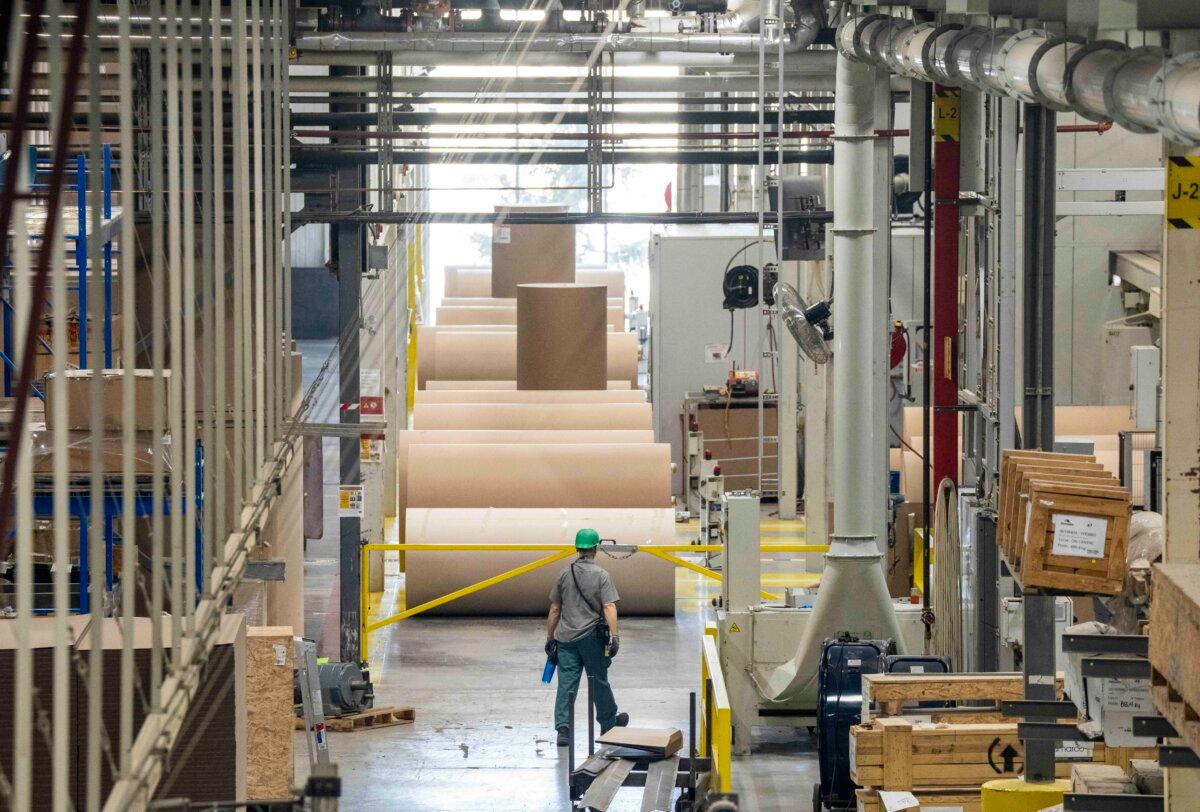
Poilievre also often says accelerating inflation has harmed Canadians struggling to afford food, and points to an election promise by Carney that Canadians would judge him by the price of food at the grocery store.
Wages: Soaring or Playing Catch-up?
The prime minister, meanwhile, says wages have been beating inflation. A Statistics Canada report found that average hourly wages among employees increased by 4.7 percent in the year through March 2026, almost twice the inflation rate of 2.4 percent in the same period.That feat, though, can be framed as a one-off period where wages are struggling to match previous inflation.
According to Jack Mintz, president’s fellow at the School of Public Policy at the University of Calgary, wages generally lag behind inflation during periods of rapid price increases, as Canada has seen in recent years. He also said public sector wages are higher than those in the private sector, by about 4.8 percent, and tend to rise by larger amounts, so wage increases are not necessarily even.
“We had such a high bout of inflation after 2021 that people got way behind, and they’re still feeling these high prices, and the fact that their incomes haven’t been able to keep up,” he said.
Carney, though, has argued that the biggest taxes on fuel are levied by provincial governments.
Kevin Milligan, a professor and director of the Vancouver School of Economics, said provincial taxes can indeed have a greater influence on gas prices than federal taxes.
“In British Columbia, there are transit taxes on gas that vary by city,“ he said. ”For cities with the higher tax rate, the provincial component is higher than federal.”
Housing: Costly or Improving?
On housing, the data is more consistent—housing is expensive. Still, while one points out the scale of the problem, the other highlights improvement.In an April 16 speech at the Canadian Club, Poilievre declared that Canada has the “most unaffordable housing in the G7.”
Data from the Organisation for Economic Co-operation and Development (OECD) shows that Canada saw the largest rise in the home-price-to-income ratio out of 23 countries measured—by more than 80 percent over the past two decades. The 2024 data showed that Canada had the worst affordability in the G7, with a ratio of 136.3, compared to the United States at 128.5.
The Canada Mortgage and Housing Corporation (CMHC) did report that housing starts rose 4.5 percent in February, but CMHC Deputy Chief Economist Kevin Hughes noted that the “six-month trend in housing starts was essentially flat.”
One Economy, Two Views
Overall, Carney offers a view of an economy that is strong and growing—and where it’s not strong, it’s getting better. He cites IMF projections, G7 comparisons, year-over-year figures, and, often, the direction of the data, rather than absolute numbers.Poilievre refers to a different set of measures. Rising food prices, expensive housing, signs of future slowdowns and other problems can be better illustrated, in this case, by long-term investment trends rather than recent inflows, and decade-long shifts in productivity and affordability rather than shorter-term improvements. His focus is on high food prices, weak business investment, and moments of economic contraction as signs of deeper strain.
Both views are grounded in real data from the same economy. The difference lies in what each one chooses to emphasize—and over what time frame.