Nauru’s Leader Says Climate Change a ‘Direct Threat’
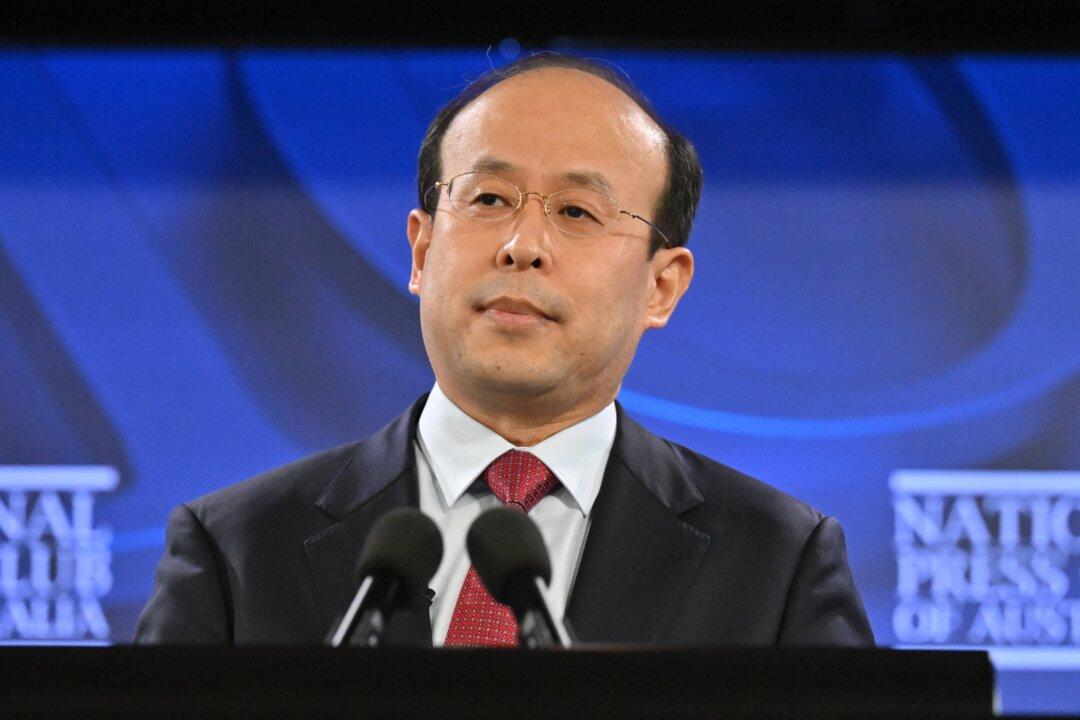
Nauru’s President David Adeang said climate change is a “direct threat” to his country’s peace, security and survival.
“Concrete climate action cannot be postponed any longer,” he said, adding that Nauru has placed hope in its Higher Ground Initiative, which would build climate-resilient communities on elevated land powered by renewable energy.Fiji Looking at How to Host Displaced Communities
Fijian Prime Minister Sitiveni Rabuka said G20 countries needed to lead the change, saying they were responsible for 80 percent of total carbon emissions.
He said that the fossil fuel industry continues to profit from its business activities, while “everyday people bear the costs of climate catastrophe—from rising insurance premiums to lost livelihoods.”
He said his government is looking at ways to host communities that may find it impossible to remain on their islands, and called for a new legal definition for these “displaced people.”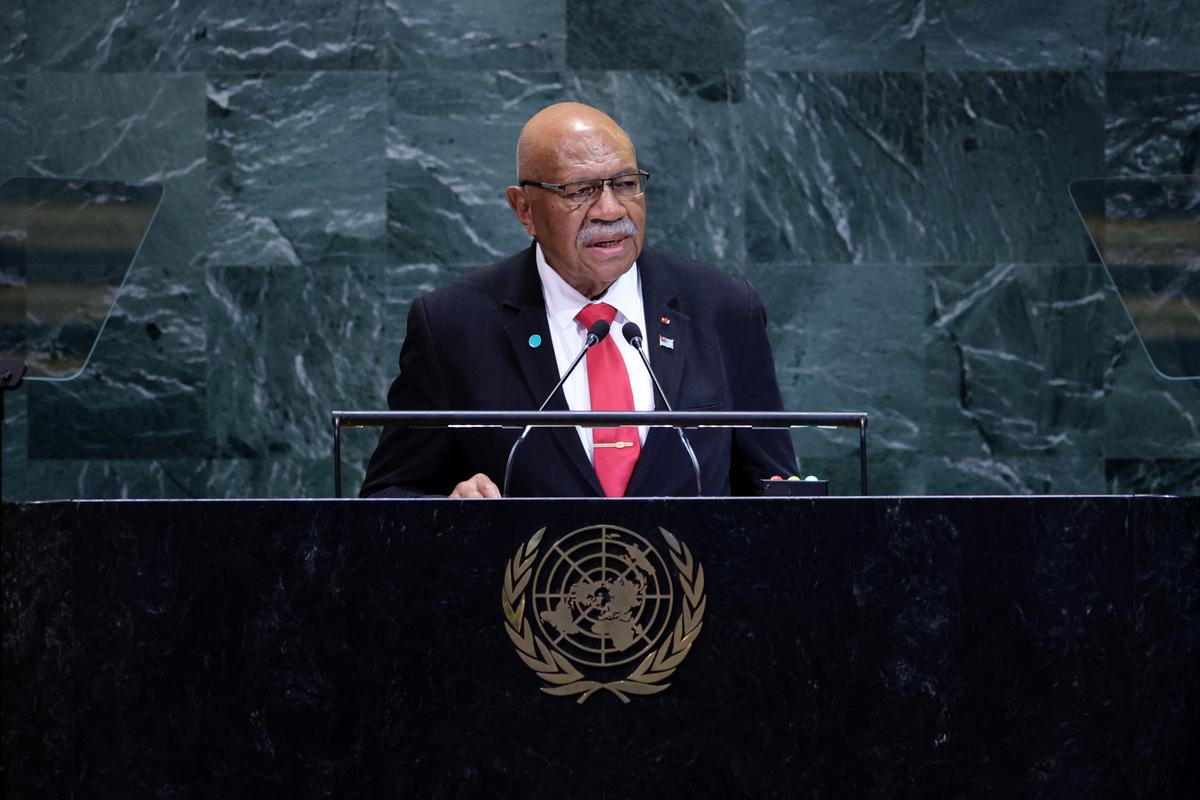
More Countries Should Join Fossil Fuel Non-Proliferation Treaty: Tuvalu
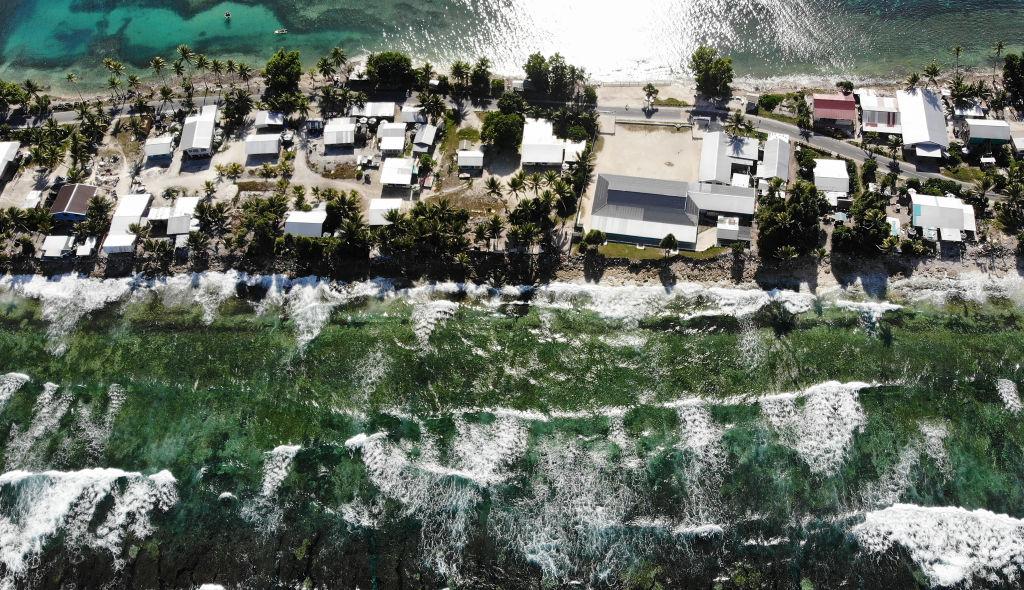
Tuvalu’s Feleti Teo said climate change and sea-level rises were the greatest security threats to his country, he reiterated his “strong international advocacy for the special case of Tuvalu as one of the most vulnerable countries.”He called on all nations “that are serious about confronting the climate crisis“ to join the Fossil Fuel Non-Proliferation Treaty, ”and to act decisively to protect our planet and future generations.”
Tonga Pushes for Australia to Host COP31
For Tonga, climate change “is not a remote threat but an unfolding reality that threatens to erase decades of development gains and imperils the very existence of our islands,” said Prime Minister ‘Aisake Eke.He voiced support for Australia’s bid to host the COP31 calling it “a unique opportunity to bring the voices of small island developing states to the forefront of the global climate agenda.”
Tonga has adopted a legal framework to conserve biodiversity, manage resources sustainably, and protect the marine environment.
Samoa’s Leader Says Communities Could Lose Homes
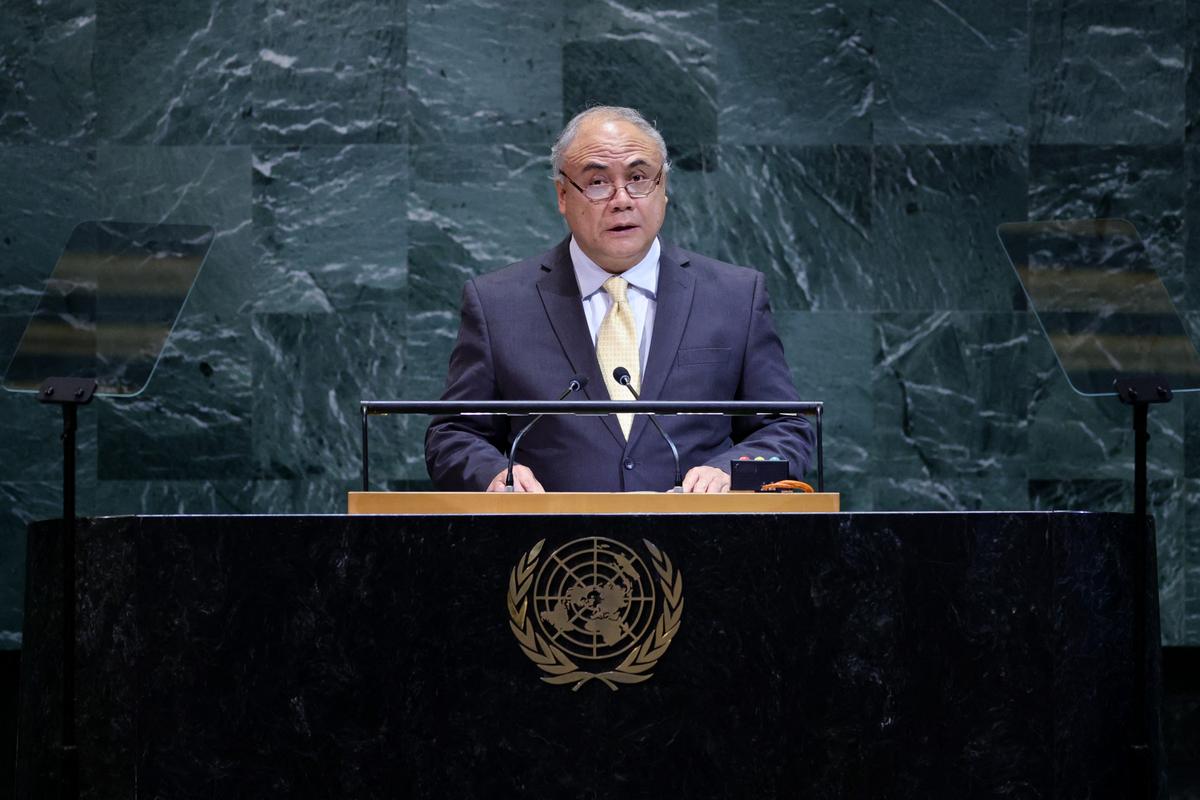
Samoa’s Deputy Prime Minister Toelupe Poumulinuku Onesemo said the effects of climate change may mean Samoan communities risk losing traditional homelands as shorelines.New nationally determined contributions must reflect maximum ambition and include a 50 percent reduction in global emissions by 2030, he said.
Kiribati Calls ICJ’s Climate Court Decision
Describing the recent ICJ decision as a “milestone” that ensures the existence of Kiribati and other vulnerable nations, Kiribati President Taneti Maamau said.Marshall Islands Leader the Only One to Mention China
“We need the world to better understand that our security is linked to our fragility,” Marshall Islands President Hilda Heine said.“It is past time for the rich world to meet its obligations and get money to where it’s needed most,” the president said, emphasising that the $1 trillion climate finance gap must be closed.
Palau Says Small Pacific Countries Fighting Their Own ‘War’
The world is at war as defence spending approaches an all-time high of $3 trillion annually, Palau’s Surangel Whipps said, with small island states like Palau fighting their own war.“Our shores are being invaded by seawater. Our homes are being blown away by storms. Our roads are being washed away by torrential rain. Our reefs are overheating. Our fish are disappearing. And our land is on fire,” he said. “This is our daily battle.”
He applauded Australia’s leadership in setting clear strategies to meet its net-zero emissions target by 2050 and supporting the Pacific Island countries in accelerating the energy transition, noting, “Ambition without implementation is an empty promise.”
Micronesia Says Climate Change Not Up for Debate
“The climate crisis is not up for debate, we all know that,” Micronesia’s Wesley Simina said.“The only question now is whether we as leaders will act with the urgency it demands. Cutting methane now could prevent 0.3 degrees Celsius of warming by the 2040s, slowing ocean heating and buying us time for long-term decarbonisation,” he stressed.

Solomon Islands Calls it a ‘Crisis Multiplier’
For the Solomon Islands climate change represents a “crisis multiplier that is defining our future,” said Solomon Islands’ Prime Minister Jeremiah Manele.He called for urgent action to put the world back on a track towards the agreed-upon goal of 1.5 degrees.
PNG Says Country’s Natural Resources a Great Asset
“Papua New Guinea is a forest nation and an ocean nation,” Papua New Guinea Prime Minister James Marape told the General Assembly.Vanuatu Pushes for Next Steps After ICJ Decision
“For vulnerable nations, including small island developing States, this [ICJ] opinion is a powerful affirmation of our long-standing call: that climate change is an existential threat, and the world has a legal duty to respond,” said Vanuatu’s Odo Tevi, in his address.Vanuatu will submit a follow-up resolution to the Assembly this year to affirm the Court’s findings and propose actions to give it practical effect.
But the ICJ is “only one tool to get us closer to the end goal of a safe planet for humanity,” he said, calling on all states to join those nations, which are proposing to include ecocide as the Rome Statute’s fifth independent crime.
Timor-Leste Calls for Global Cooperation
Timor Leste’s representative Dionisio Soares said that “climate change is undermining already fragile food security, striking our countries with natural disasters that divert vital resources to reconstruction and humanitarian relief.”Industrialised countries and major polluters must respect their commitments to the Paris Agreement on climate change and the Glasgow Climate Pact, he said.