



Alberta-based lawyer James Kitchen has been litigating for years. As a self-described libertarian lawyer focused on human rights and individual freedoms, he has taken on cases involving issues such as freedom of expression, Charter challenges, and parental rights.
For him, it has become an increasingly uphill battle. He says that although parental rights are protected by law, Canada’s justice system has become “highly politicized,” creating a gap between legal reality and what the law states on paper.
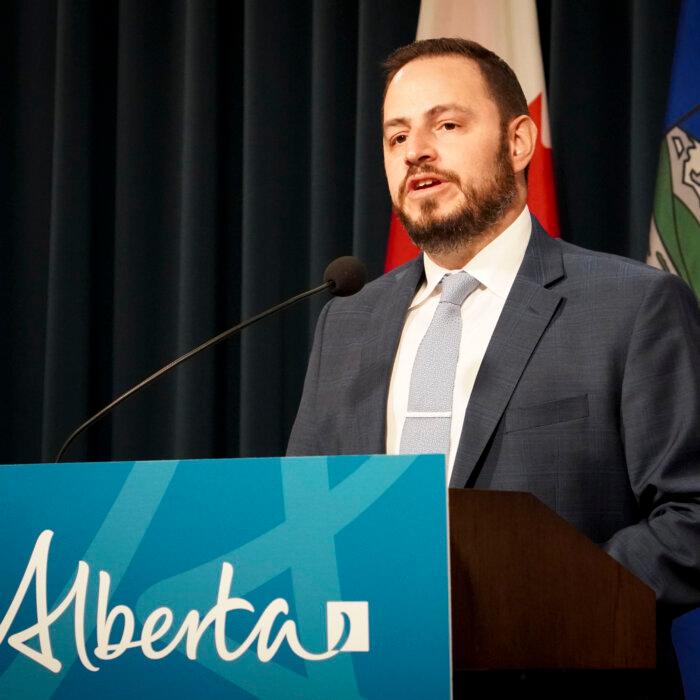

Hilton-O’Brien argues that parents may have a better chance of success if they shift away from arguments about potential harm to children and instead focus on administrative law, specifically, whether due process was followed.
He says if judges are tasked with deciding what is in a child’s best interest, they are left to rely on individuals deemed child experts, who in many cases may be at odds with parental rights.
The case did not focus on potential harm to children from exposure to possibly age-inappropriate content, but rather on issues of transparency, parental participation, and due process, Hilton-O’Brien said.
The advantage of focusing on administrative law is that it deals with “objective questions,” such as whether a decision involving a child was made transparently or whether the appropriate parties were consulted, he noted. If due process is properly followed, he said, the law is on the side of parents.
Varied Cases
Kitchen says that although focusing on procedural fairness—an element of administrative law—can increase the chances for parental rights groups to succeed, not every legal case involves this type of argument.“What if the decision was made in a procedurally fair manner?” Kitchen said. “It might still be a terrible decision, it might still be unlawful, it might still be very harmful.”
In such cases, parents may still have to resort to the harm argument, he said.
Experts in Court
Ontario-based lawyer Lisa Bildy, who specializes in civil liberties and individual freedoms, said the situation of expert witnesses in court can differ between parties, noting that advocacy groups often have more funding to hire experts, including some based in academic settings.Experts whose testimony may aid the side of parental rights advocates often face additional social pressure, including the risk of being labelled in certain ways, which may add to their hesitation to come forward, Bildy said.
“Experts with concerns about gender ideology tend to be clinicians or physicians on the front lines, who also face the possibility of regulatory discipline if they are seen to be ‘anti-trans,’ making them reluctant to get involved publicly,” she told The Epoch Times.
“Advocates will likely still bring their experts and studies and emotional arguments about harm to the court, and there’s no guarantee it won’t be persuaded by that,” she said.
Kitchen said it requires a good lawyer and strong convictions to make the case for parental rights.
“It’s tough. It’s not easy,” he said. “But first thing you have to do is get the right lawyer to be able to handle it, and recognize that when you are engaged in a case like this, it’s not purely legal.”


