Reaction to the U.S. capture of the contested Venezuelan leader Nicolás Maduro has been swift. But as Venezuelans around the world celebrate the removal of the authoritarian leader, some analysts have warned that the roots of “Chavismo”—a political ideology named after former President Hugo Chavez—run deep in Venezuela, and that much of the infrastructure supporting it remains in place.
Chavismo gained traction under Chavez in the late 1990s and was promoted as a blend of socialism and anti-imperialism that aimed to increase social welfare through oil revenue redistribution and state control over key sectors such as electricity, communications, manufacturing, agriculture, and banking.
Over the years under such policies, Venezuela’s economy began to nose-dive. In the wake of Chavez’s death in 2013 and Maduro’s sudden rise to power, policies became increasingly authoritarian as the economy worsened. Maduro has accumulated a laundry list of human rights violations, including the suppression of democratic elections, the arrest and killing of unarmed protesters, and the detention of political dissenters.
The watchdog group also noted that Maduro’s regime encouraged citizens to report on demonstrators through special phone apps, while security forces engaged in violent raids, particularly in low-income communities.
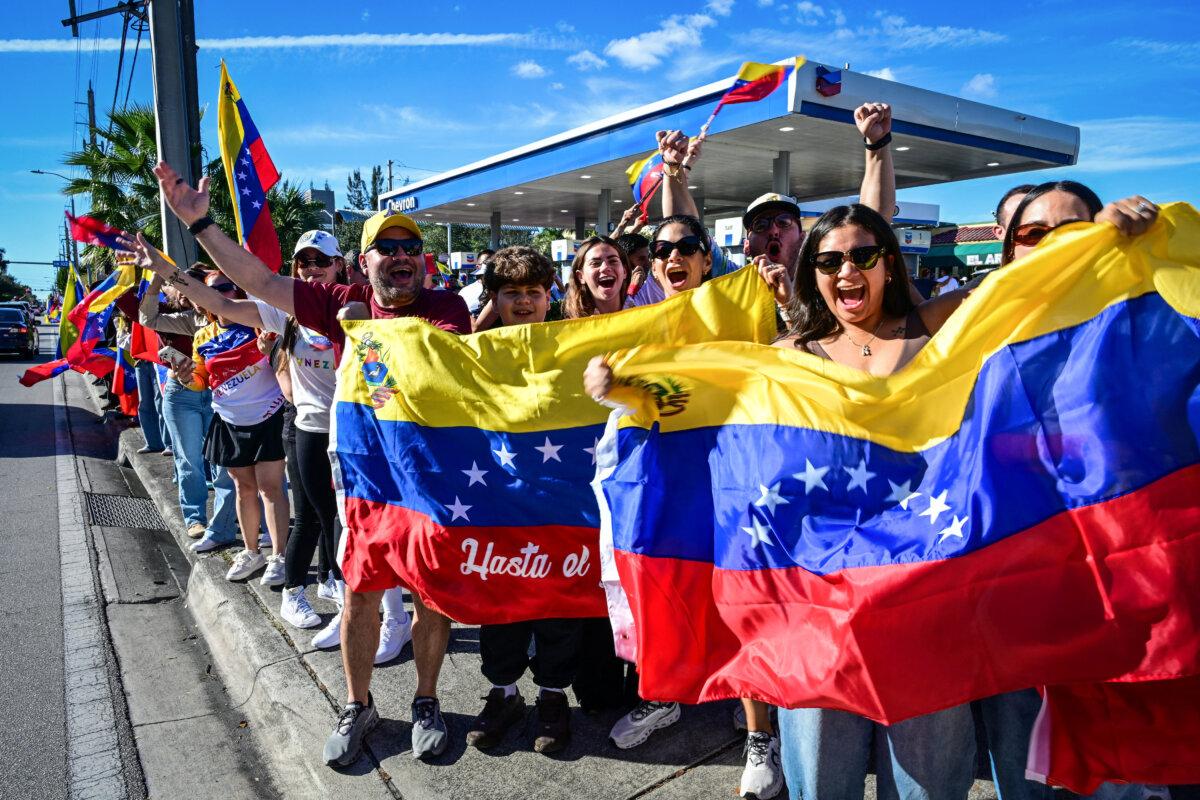
Despite the removal of Maduro, Latin Americans say the country’s recovery will take time.
Bolivian-based regional analyst Diego Hernandez told The Epoch Times to expect a “rough road ahead” for bringing stability back to Venezuela.
“This goes beyond cutting off the so-called head of a beast and then replacing it,” Hernandez said. “Getting rid of Maduro is a good start, but the people who profited from him and the former regime have a lot to lose. This includes the military, the police, and a lot of narco-traffickers.”
This sentiment is also shared by some Venezuelans. “Maduro being taken away is amazing, but it’s only the beginning,” a Venezuelan exile living in Lima, Peru, who asked only to be referred to as Carlos, told The Epoch Times.
As a former educator who left Venezuela during the early years of Maduro’s rule, Carlos watched his country spiral into poverty and oppression over time. He said people need to remember his home country’s current situation didn’t happen overnight.
Transition Challenges
On Jan. 3, Venezuelans around the world celebrated Maduro’s apprehension by U.S. special forces to face multiple U.S. charges related to narco-terrorism and destructive devices against the United States. However, the focus is shifting from the dramatic nature of Maduro’s capture to the far more complex question of what happens next.He pointed to hard—and expensive—lessons the United States learned during previous regime change operations in countries like Afghanistan, Iraq, and Libya.
DePetris said that in those countries, “Early tactical achievements failed to produce strategic success and instead, paved the way for expensive occupations and unintended consequences.”
He added that a “split in the Venezuelan military, an expansion of criminal groups in the country, civil war, and the emergence of an even worse autocrat” are among the possible unintended outcomes. “None of these would bode well for regional stability or U.S. interests in its sphere of influence.”
Evan Ellis, a Latin America research professor for the U.S. Army War College, told The Epoch Times that much work needs to be done before decades of damage under Chavismo can be reversed.
“There continues to be a whole Chavista government and a whole Chavista military in the country,” Ellis said, adding none of whom want to see a “return to a democratic government.”
O'Neil pointed to numerous armed groups in Venezuela that supported Maduro, which could make the transition difficult for democratic leadership and any continued U.S. presence.
“Edmundo González, who was on the ballot and won the last election, and [María Corina] Machado are out of the country. The United States can fly back in either or both, but it remains unclear how the opposition—which is unarmed—gains physical control of the streets, a basic prerequisite to governing,” O'Neil said.
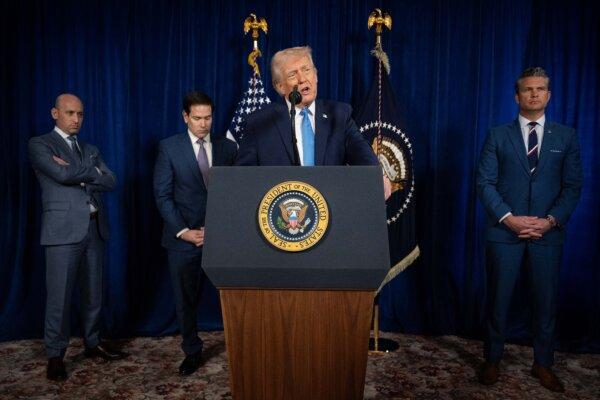
U.S. President Donald Trump acknowledged this challenge during a Jan. 3 press conference. “We’re going to be running it, we’re going to be bringing it back.”
Trump said, “Venezuela has a lot of bad people in there, people who shouldn’t be leading. We’re not going to take a chance at one of those people taking over for Maduro.”
Hernandez called it a “tricky time” for Venezuela. “Any sign of weakness with a transition regime and the [national] military could attempt to seize control and rule. They’ve tried it before.”
His warning echoes the 1992 failed attempt of Chavez, a former military commander, to oust the Venezuelan government at the time.
When asked if he'd be returning home to see his family in Venezuela now that Maduro is gone, Carlos was cautiously optimistic. “I see people flocking back to my country [on the news], but it’s still early. I’m celebrating the end of a dictator, but we have yet to see if it is the end of Chavismo.”