The United States is working with its Arab partners to bring an end to the conflict in Sudan, White House press secretary Karoline Leavitt said on Nov. 4, describing the situation as “very complicated.”
Speaking at a press briefing, Leavitt said Washington is “actively engaged in efforts” to mediate peace and remains “committed to working with ... international partners, including Quad members—Egypt, Saudi Arabia, the [United Arab Emirates]—as well as others, to lead a negotiated peace process that addresses both the immediate humanitarian crisis and the longer-term political challenges.”
The Quad refers to an informal diplomatic grouping of the United States and the three Arab countries that coordinate over shared regional interests.
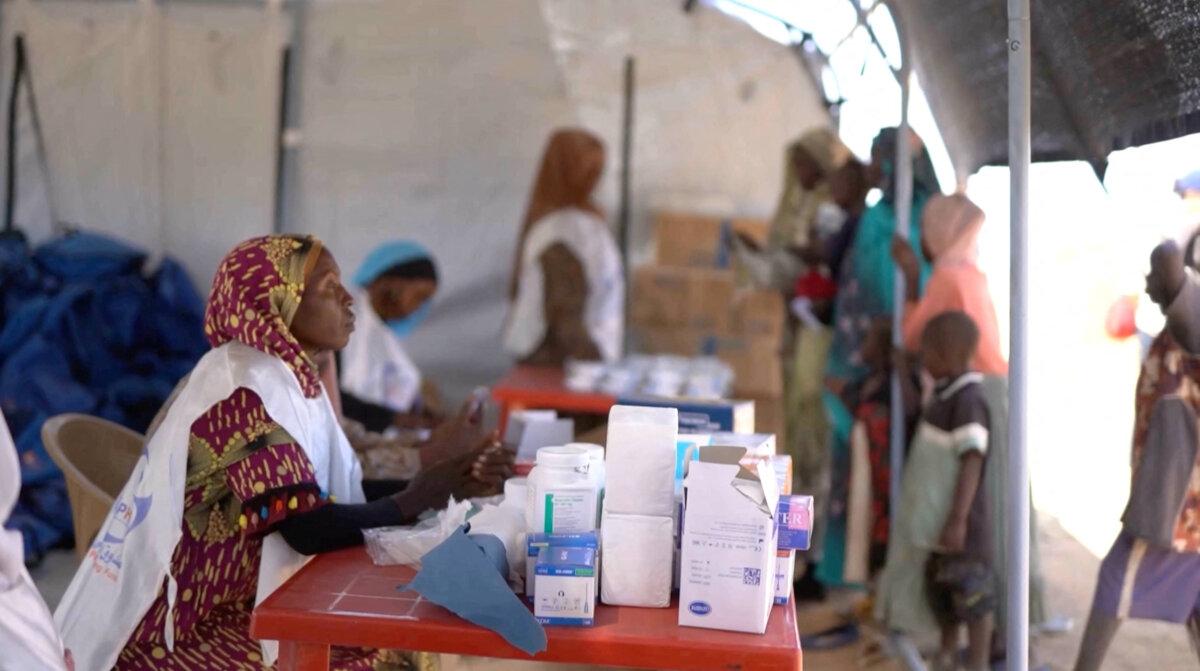
The patients and their companions were reportedly killed on Oct. 29 at Saudi Hospital by RSF members in the city of el-Fasher, WHO Director-General Tedros Adhanom Ghebreyesus said.
Tedros said that before this latest attack, the WHO had verified 285 attacks on health care facilities in Sudan with at least 1,204 deaths and more than 400 injuries of health workers and patients since the start of the conflict in 2023.

“The United States will continue working with partners to find a peaceful path forward. There isn’t a viable military solution, and external military support only prolongs the conflict. The United States urges both parties to pursue a negotiated path to end the suffering of the Sudanese people,” the State Department said in a Nov. 1 statement posted on X.
Leavitt acknowledged an uptick in reporting on the conflict and said she had discussed the developments with U.S. Secretary of State Marco Rubio earlier that day. She added the administration was in “pretty frequent communication” with its Arab partners about the conflict.
The war in Sudan has devastated Africa’s third-largest nation.
Diplomatic Push for Cease-Fire
In September, Washington and its Quad partners—Egypt, Saudi Arabia, and the United Arab Emirates—jointly proposed a three-month humanitarian truce in Sudan, to be followed by a permanent cease-fire and a nine-month transition to civilian rule. The Sudanese government rejected the proposal at the time.The group reaffirmed its commitment to the September plan and agreed to form a joint operational committee to coordinate urgent priorities, including humanitarian access, a cease-fire, and an end to external support for the warring sides.
Boulos has been leading the diplomatic outreach in the region. Over the weekend, he held talks with Egyptian Foreign Minister Badr Abdelatty, and he later met with Arab League officials in Cairo.
Escalating Atrocities and Global Reaction
The assault on el-Fasher in late October drew global condemnation. Reports from aid organizations and residents described mass killings, sexual violence, and attacks on humanitarian workers during the offensive.He said those responsible “must be held accountable” and urged RSF leaders to turn commitments to protect civilians into “concrete actions on the ground.”
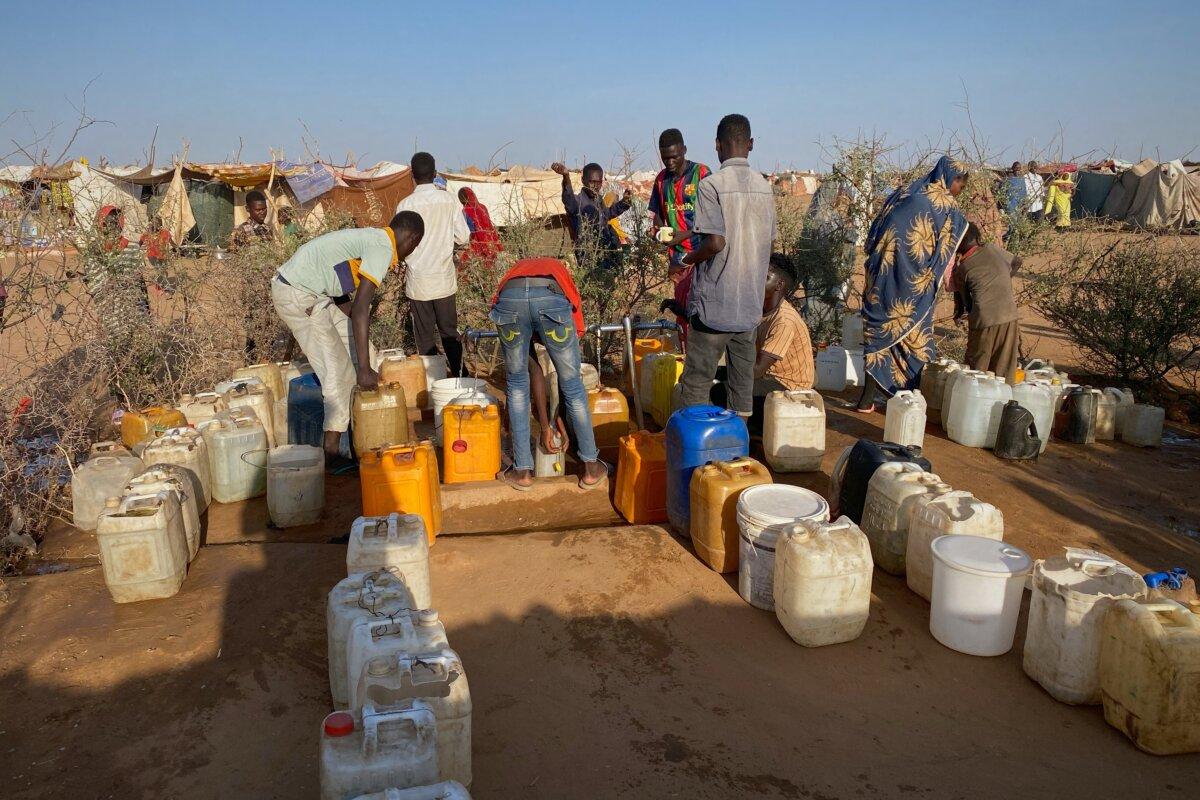
She pledged a further $6.5 million of humanitarian support in response to the violence in el-Fasher.