
Tensions between the United States and Venezuela have reached their highest point in decades, as the Trump administration intensifies its military and counter-narcotics campaign in the Caribbean while signaling that direct talks and even direct military action remain on the table.
The showdown is the product of years of deteriorating relations, disputed elections, drug trafficking allegations, and increasing U.S. pressure aimed at weakening Venezuelan leader Nicolás Maduro’s hold on power.
Years of Tension Come to a Head
The United States and much of the international community view Maduro’s presidency as illegitimate, citing evidence that his 2024 reelection—his third term—was marred by fraud and manipulation, while accusing Venezuela’s socialist regime of human rights abuses.Maduro denies involvement in organized crime, alleging that Washington has fabricated evidence to justify intervention and impose “regime change through military threat.”
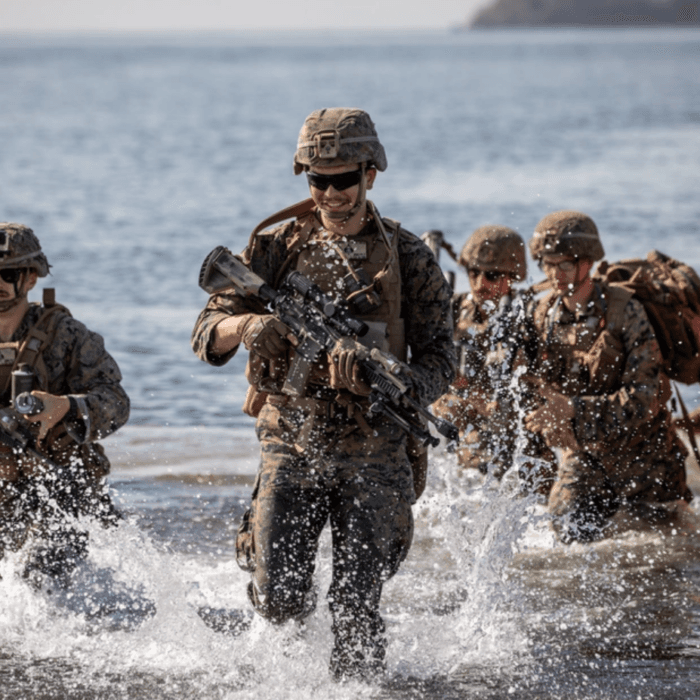
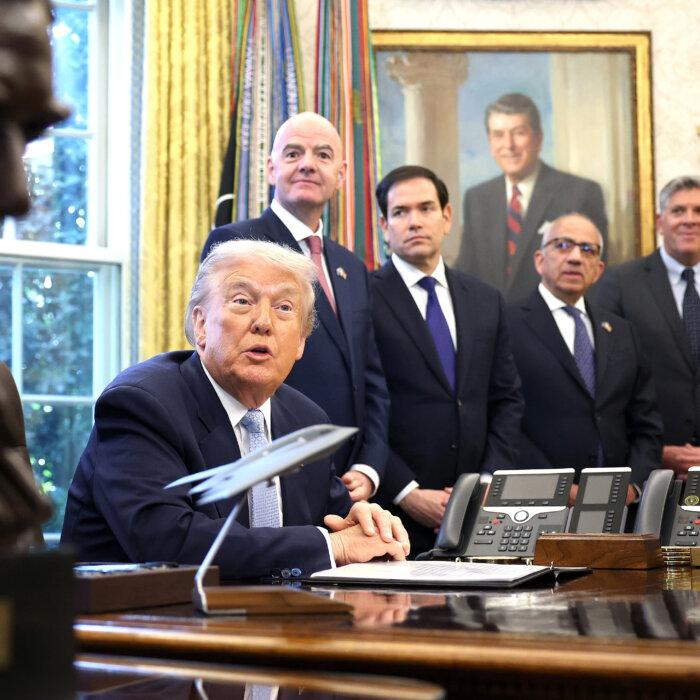
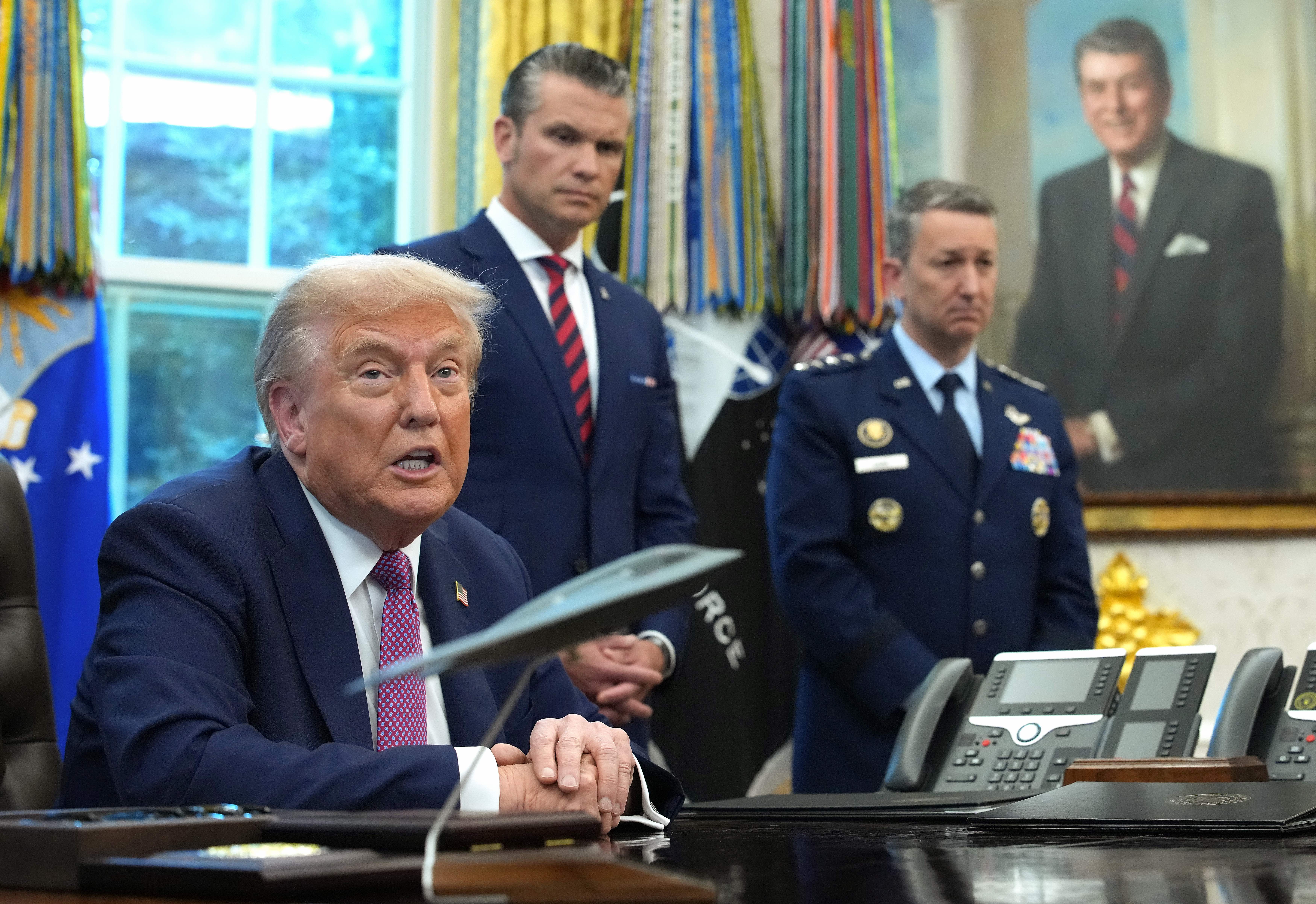
Against this backdrop, Washington’s military posture has shifted from pressure to outright force projection. Trump has expressed readiness to deploy U.S. military power to stop drug trafficking from Latin America, including land-based strikes or the insertion of U.S. ground forces if necessary.
The president also said on Oct. 22: “Something very serious is going to happen. The equivalent of what’s happening by sea.”
Deadly Strike Campaign at Sea
Since September, U.S. forces have launched at least 21 strikes against what officials describe as “narco-terrorist” drug vessels operating in the Caribbean and eastern Pacific. The most recent operation on Nov. 15 killed three people, while more than 80 have died overall.According to U.S. officials, the maritime strikes are aimed at dismantling drug-running networks that funnel narcotics to the United States. Critics, including some Republicans, say the actions risk sliding into a broader conflict and require congressional authorization.
A New FTO Designation
The situation escalated further after the U.S. State Department announced on Nov. 16 that the Cartel de los Soles would soon be designated as a foreign terrorist organization. The Treasury Department had already labeled the group a specially designated global terrorist entity earlier this year, barring Americans from doing business with it and enabling additional financial restrictions.U.S. Secretary of State Marco Rubio alleged on Nov. 16 that Maduro and other top officials sit at the apex of the cartel and work alongside Tren de Aragua to conduct drug trafficking “terrorist violence” throughout the Americas.
“The United States will continue using all available tools to protect our national security interests and deny funding and resources to narco-terrorists,” Rubio said in a statement.
Trump noted that the designation grants the United States the authority to target Maduro’s assets and infrastructure in Venezuela, although he said there were no immediate plans to conduct strikes inside Venezuela.
Talks With Maduro? Trump Says Maybe
Trump said this week that his administration may hold discussions with the Venezuelan leader.“We may be having some discussions with Maduro, and we’ll see how that turns out,” he said, noting that Venezuela had requested such talks.
When asked whether he would speak with Maduro personally, Trump said, “I’ll talk to anybody.”
Trump did not rule out sending U.S. ground forces into Venezuela.
Major US Military Buildup
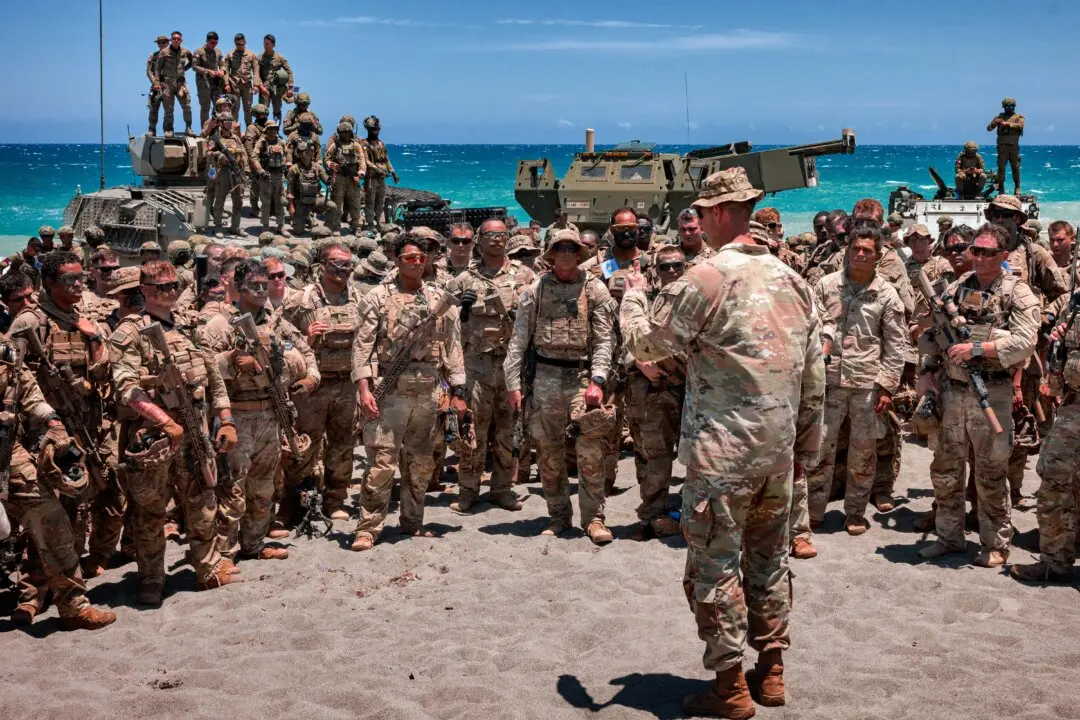
The stakes rose again on Nov. 16, when the USS Gerald R. Ford, the world’s largest aircraft carrier, entered the Caribbean Sea with more than 4,000 sailors and dozens of tactical aircraft aboard. The carrier joined 11 other U.S. Navy ships and about 12,000 personnel already deployed under Operation Southern Spear.Adm. Alvin Holsey, who leads U.S. Southern Command, said U.S. forces stand ready “to combat the transnational threats that seek to destabilize [the] region.”
Lawmakers Raise War Powers Alarms
Congressional reaction has been mixed. Democrats and some Republicans have said the administration is bypassing Congress as U.S. military operations expand.Rep. Gregory Meeks (D-N.Y.), along with a handful of House Democrats, said in a joint statement that the administration has “not provided a credible rationale” for the strikes or explained why an “invasion-level” force is deployed.
“This posture is wildly disproportionate to the stated objective and far more reminiscent of preparations for war,” the lawmakers said. “The Constitution grants Congress, not the president, the power to declare war.”
By contrast, Rep. Mike Rogers (R-Ala.), who chairs the House Armed Services Committee, said after attending a closed-door briefing on Capitol Hill at the end of October that he was satisfied with the legal justification given by administration officials for the drug boat strikes, and that he left convinced that Trump has both the authority and duty to act under the current circumstances.
He urged the administration to go public with its legal rationale for the operations.
White House Response
In response to a request for comment, the White House defended the president’s authority and the legality of the strikes.“While Democrats and the fake news have joined forces to push nonsense about President Trump’s authority as commander-in-chief, the president’s actions to halt the scourge of narcoterrorism are consistent with his responsibility to protect Americans and pursuant to his constitutional authority,” a White House spokesperson told The Epoch Times.
“All actions comply fully with the law of armed conflict. The president was elected with a resounding mandate to take on the cartels and stop illicit drugs from flooding into our country, and he is delivering.”
A Crisis With No Clear End
As of mid-November, Maduro continues to reject demands to step down, to accuse Washington of orchestrating coup attempts, and to warn that Venezuela will respond militarily if attacked.With the world’s largest aircraft carrier now stationed near Venezuelan waters, more than a dozen U.S. warships in the region, and both sides trading warnings, the standoff appears to have entered its most dangerous phase yet.