A Quebec union is calling on the provincial government to take action after an American commercial truck manufacturer laid off 300 more workers at its Quebec plant ahead of a 25 percent U.S. tariff that is set to take effect on Nov. 1.
Unifor Quebec, the union representing workers at truck manufacturer PACCAR, says the company has laid off 300 more workers at its Sainte-Thérèse factory in Quebec, which it says is the result of the ongoing tariff war between Canada and the United States.
Unifor Quebec director Daniel Cloutier called the cuts “a wake-up call” as the plant risks losing sales in the United States due to the tariffs on medium- and heavy-duty commercial trucks set to take effect next week.
The factory manufactures Kenworth and Peterbilt trucks and relies heavily on revenue from the United States. Cloutier said a “concerted strategy is immediately needed to help PACCAR weather the storm.” If the Quebec plant loses U.S. sales, he says “we must do everything in our power” to replenish the company’s sales with local customers.
Protect US Manufacturers
U.S. President Donald Trump signed a proclamation on Oct. 17 that will introduce the 25 percent tariff on imports of medium- and heavy-duty trucks, and he will also implement a 25 percent levy on parts of such trucks entering the United States. The tariff rates are expected to take effect on Nov. 1.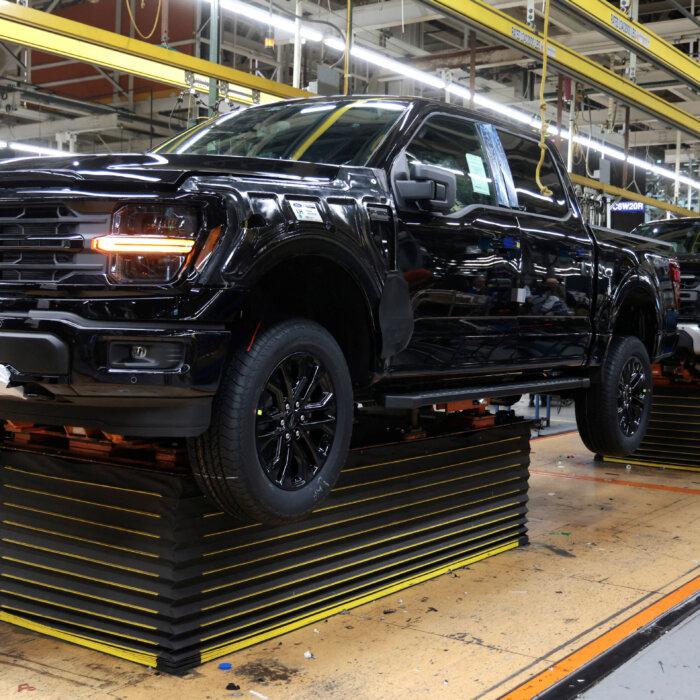
“Our great large truck company manufacturers, such as Peterbilt, Kenworth, Freightliner, Mack Trucks, and others, will be protected from the onslaught of outside interruptions,” Trump said in a series of Truth Social posts on Sept. 25.
The decision came after an investigation carried out by U.S. Commerce Secretary Howard Lutnick concluded imports of medium- and heavy-duty trucks and truck parts threaten national security.
PACCAR’s Quebec plant is its only manufacturing facility in Canada. The company has several plants in the United States and other countries around the world.
‘Decisive Measures’
Unifor is urging the Quebec government to take action to save jobs, saying the province has “direct leverage” to do so through local purchasing by state-owned companies.“Time is running out for negotiations between Canada and the United States to produce concrete results, but while awaiting the results of these talks, decisive measures can be put in place now to ensure the future of the plant,” the union said.
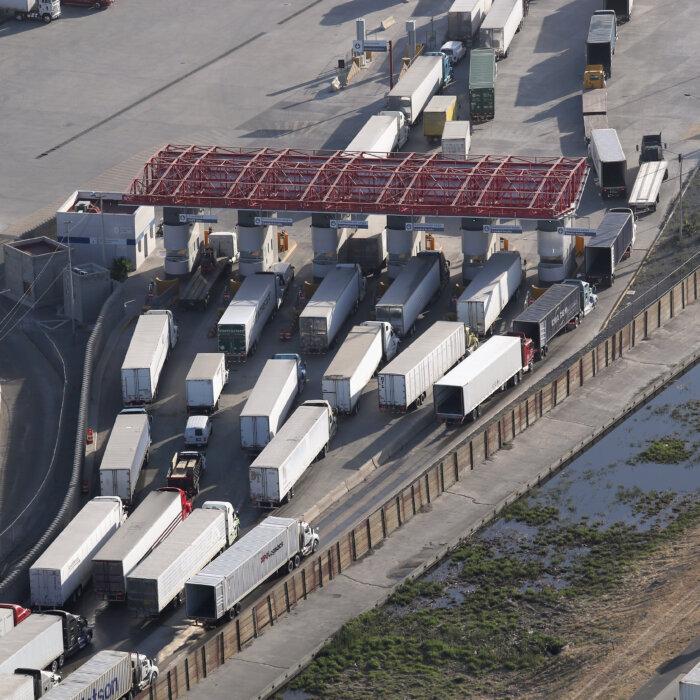
By comparison, Canada exported a total of $7.4 billion in overall vehicle exports to the United States in 2024.