This copy is for your personal, non-commercial use only. Distribution and use of this material are governed by our Subscriber Agreement and by copyright law. For non-personal use or to order multiple copies, please contact The Epoch Times Reprints.
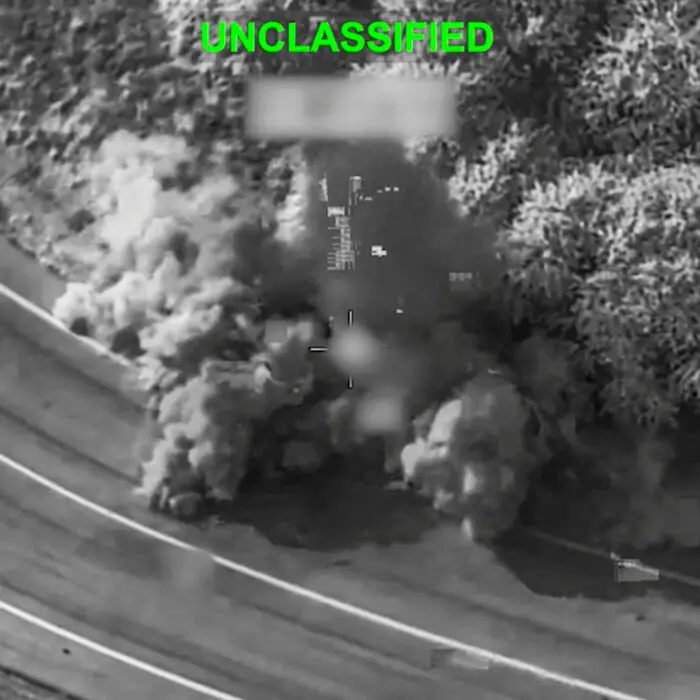
Smoke rises following a strike at an unknown location during what the U.S. military says is its latest wave of attacks on Iran in this image taken from video released on July 16, 2026. U.S. Central Command/Handout via Reuters
The U.S. military launched a wave of strikes against Iran for the seventh night in a row on July 17, as both sides traded blows, with Iran targeting U.S. bases across several Middle Eastern nations.
U.S. Central Command said the latest round of strikes concluded at around 9:30 p.m. ET, targeting Iranian surveillance sites, military logistics infrastructure, underground weapons storage, and maritime capabilities.
The U.S. military also deployed more fighter aircraft, aerial drones, and warships to the region as the United States seeks to hold Iran accountable for attacks on commercial shipping in the Strait of Hormuz.
“More than 50,000 American service members are operating across the Middle East and remain vigilant, lethal, and ready,” the command said in a post on X.
Tehran retaliated with attacks on Middle East nations hosting U.S. military assets. Kuwait’s military said its air defense systems responded to “hostile missile and drone threats” from Iran and urged residents to follow security instructions.
Jordan’s armed forces said the nation’s air defense units intercepted and shot down 10 Iranian missiles that targeted the kingdom’s territory on July 18, according to a statement carried by the Jordan News Agency.
The Iranian army said two oil tankers exploded and caught fire while attempting to pass through a mined route in the Strait of Hormuz, according to the state-run IRNA News Agency. The U.S. military later posted a statement on X dismissing the Iranian claim as false.
The two sides have traded strikes after Iran attacked several commercial ships in the Strait of Hormuz despite a ceasefire reached last month that called for the full reopening of the critical waterway through which a significant share of global oil and gas shipments passes.
The U.S. military on July 14 reimposed a naval blockade of Iranian ports following the renewed hostilities. The command said on July 17 that it had redirected four commercial vessels during the first three days after the blockade was reinstated.
U.S. forces also disabled one ship and boarded another to ensure they fully complied with the blockade, according to the command.
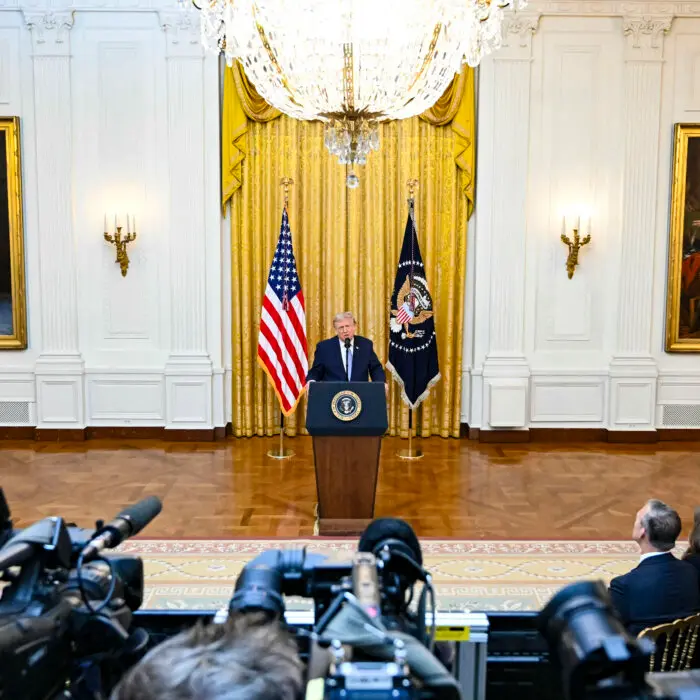
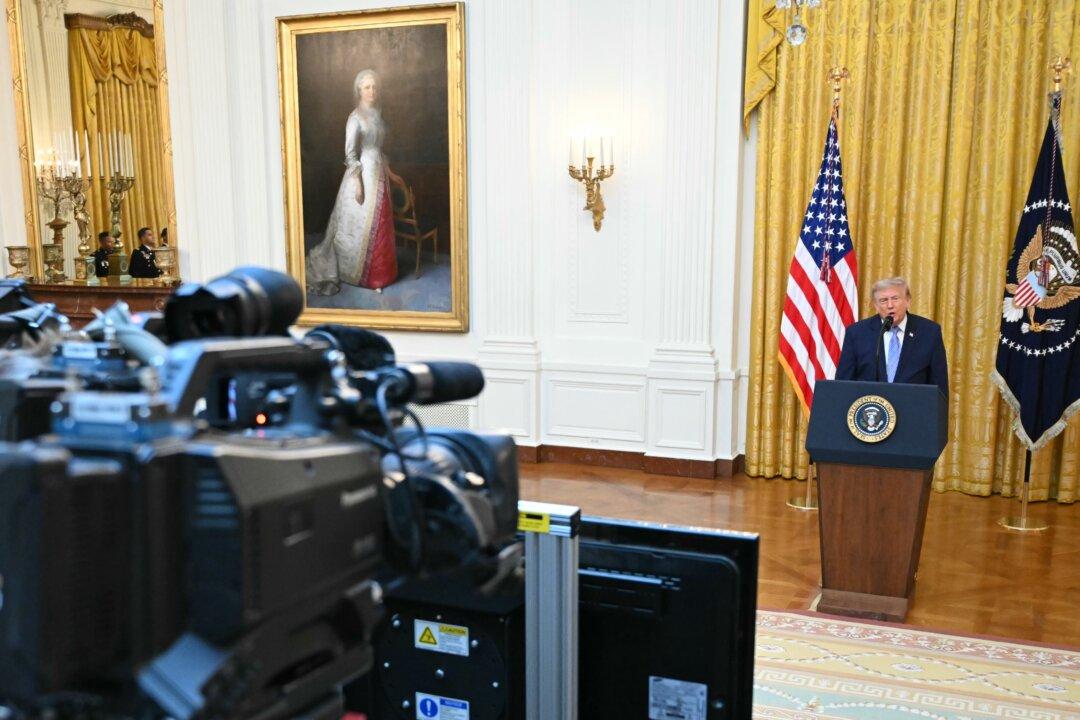
President Donald Trump said in a July 14 interview with Fox News that the U.S. military would target Iran’s critical infrastructure if the Iranian regime refused to return to negotiations on a deal to end the war and fully reopen the Strait of Hormuz.
“I’ll save the energy targets for last,” the president said. “Next week, it gets really bad for them because next week comes the power plants. Next week comes the bridges.”
When asked how long the military actions against Iran would last, Trump said: “They’ll continue until I say it’s enough.”
The president has said that any deal reached with Iran must guarantee that Tehran cannot develop nuclear weapons.
Meanwhile, Iranian media reported on July 18 that U.S. strikes had hit multiple bridges and tunnels in Iran’s southern Hormozgan province.