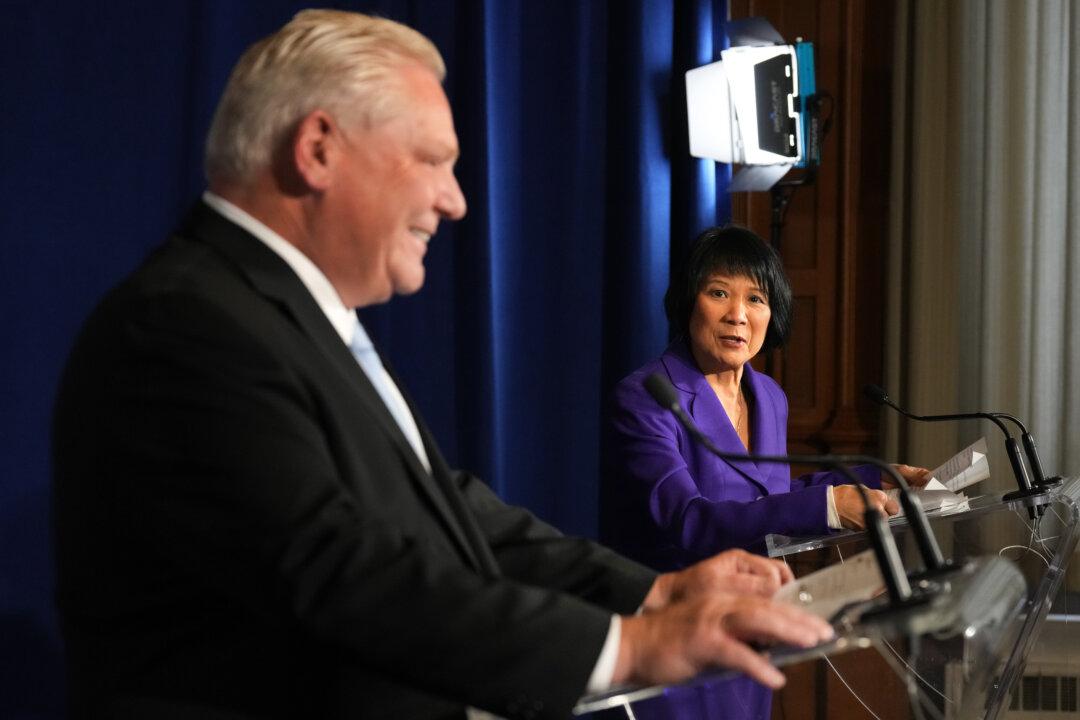
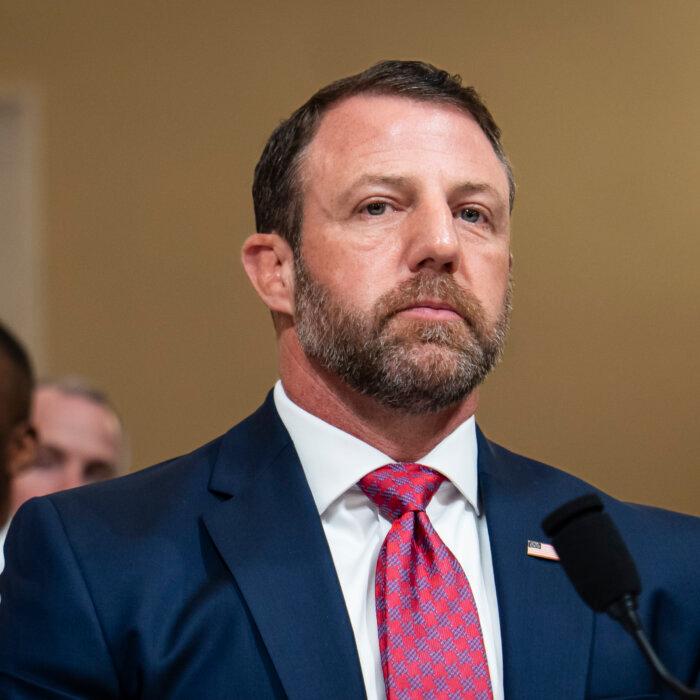
Mullin made the remarks June 17 during a fireside conversation with Canada’s Public Safety Minister Gary Anandasangaree at the Center for Strategic and International Studies in Washington. He added that the United States is concerned that many criminal organizations whose activity has been reduced due to enforcement at the U.S.-Mexico border are moving operations to the northern border.
“We arrest a terrorist—one either on the watch list or wanted terrorist—on our northern border almost weekly,” Mullin said. “Some of the fracturing we have right now between the countries, we’ve got to figure it out.”
‘Solid Foundation’
Mullin said improving Canada-U.S. relations and building a “solid foundation” is vital to ensuring that criminals don’t take advantage of a U.S.-Canada rupture in relations.“We’ve got to move past our differences so we can build that solid foundation, because we have criminals, we have cartels, we have organized crime that’s taken advantage of it,” he added.
While Mullin warned that criminal organizations along with terror suspects and illegal immigrants are increasingly targeting the U.S. northern border, Anandasangaree said Canada has already made considerable progress in tightening border security. Illegal migration from Canada into the United States has declined by 99 percent since Ottawa introduced a plan to boost border security in December 2024, the minister stated.

“The border plan that we introduced in 2024 December, which has been implemented now over the last 18 months, is bearing fruit,” he said.
Anandasangaree also highlighted close collaboration between Canadian and American authorities.
Concern About Cartels Moving North: Mullin
Mullin said that in addition to terrorist-related threats and illegal immigration, the U.S. government is highly concerned about the flow of fentanyl and cartel activity through its northern border.“Over the last year we’ve apprehended enough fentanyl that would kill 17 million Americans on our northern border,” he said.
Mullin said he believes an uptick in organized crime activity at the Canada-U.S. border is due to stricter enforcement at the U.S.-Mexico border and “pressure we’re putting on the cartels” that is causing them to seek out “other areas.”
“We see the amount of increase of criminal activity that’s happening. And we see the same techniques that were on the southern border that are moving to the northern border,” Mullin said.
He said that cooperation between the United States and Canada is “vitally important” and pointed to intelligence-sharing between the two nations as the top priority.
Canada-US Tensions
At one point, Mullin compared the Canada-U.S. relationship to marriage, saying that current tensions are similar to when he and his wife get into an argument.“It’s kind of like my wife and I when she gets really mad at me, and I’m well deserved to get mad at, sometimes I just have to stop and say, ‘love you,’” he said.
“Arguing doesn’t help; it only allows us to be more vulnerable for somebody else to sneak in and take my beautiful wife away from me.”
Anandasangaree also emphasized close U.S.-Canada ties, saying they go beyond government cooperation to economic prosperity.
“What differences we have is negligible compared to what we have in common and the work that we’re doing together,” Anandasangaree added.
Fentanyl
Mullin’s figures for fentanyl lethality appear to be based on the U.S. Drug Enforcement Administration’s calculation method for potential fentanyl deaths, which holds that 2 milligrams can be a potentially lethal dose for the average person.While Mullin emphasized the scale of fentanyl seizures at the northern border, Anandasangaree said the real source of the crisis is precursors manufactured overseas.
Looking Ahead
In terms of the future of the Canada-U.S. relationship, both officials said they are confident that cooperation will continue despite political disagreements.“If there are irritations, we need to just work through them. We will work through them,” Anandasangaree said.
Mullin echoed this, saying that despite current tensions, the two countries remain indispensable partners.
“What we have to do is quit focusing on our differences and start thinking about what we have in common,” Mullin said.