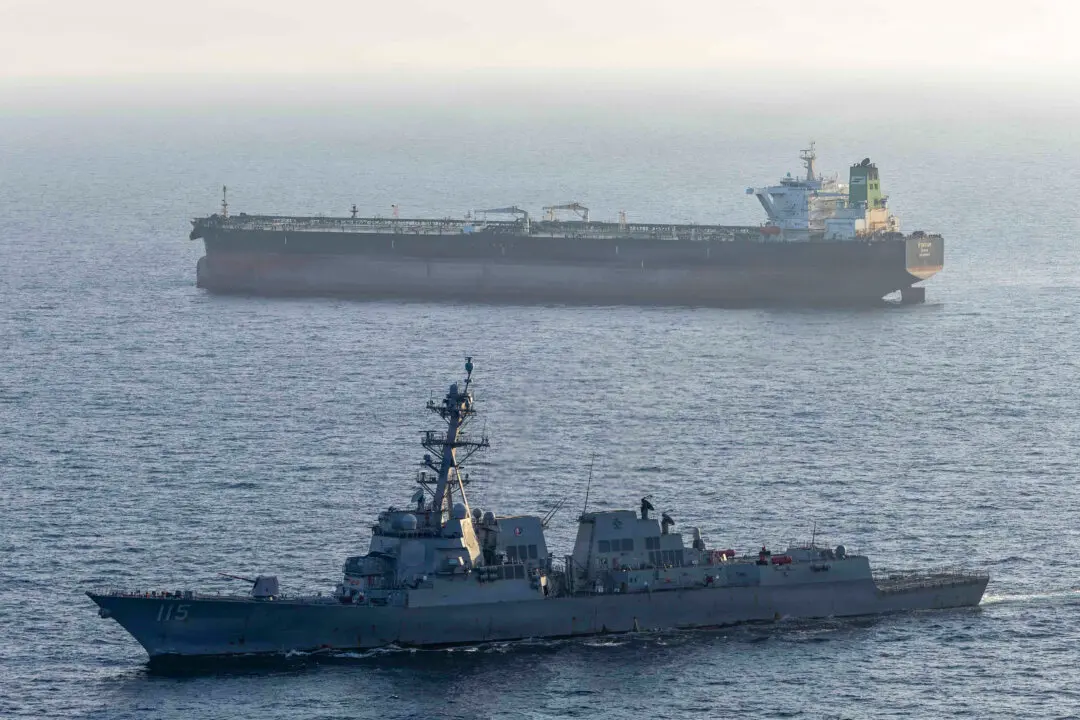
The U.S. military command overseeing operations against Iran said within 24 hours of reasserting its blockade of Iranian ports that it had already redirected two ships attempting to bypass U.S. forces and disabled a third.
“During the first 24 hours of enforcement, CENTCOM has redirected two compliant commercial vessels and disabled one non-compliant vessel,” U.S. Central Command (CENTCOM) said in a July 15 update.
U.S. forces resumed their blockade in and out of Iranian ports and coastal areas at 4 p.m. ET on July 14.
CENTCOM said that the two commercial vessels had attempted to run the blockade. The third non-compliant vessel was identified as Curacao-flagged M/T Belma. The unladen oil tanker was “attempting to sail” toward Kharg Island, Iran’s primary crude oil export hub.
“The U.S. military remains vigilant and prepared to ensure full compliance,” the command said.
CENTCOM did not provide details about the two compliant ships, such as where they were flagged or what cargo the vessels were carrying.
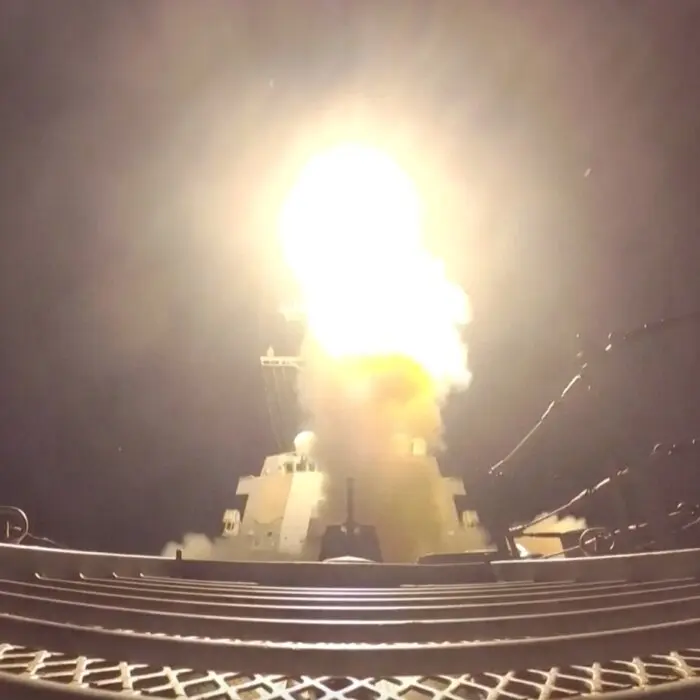
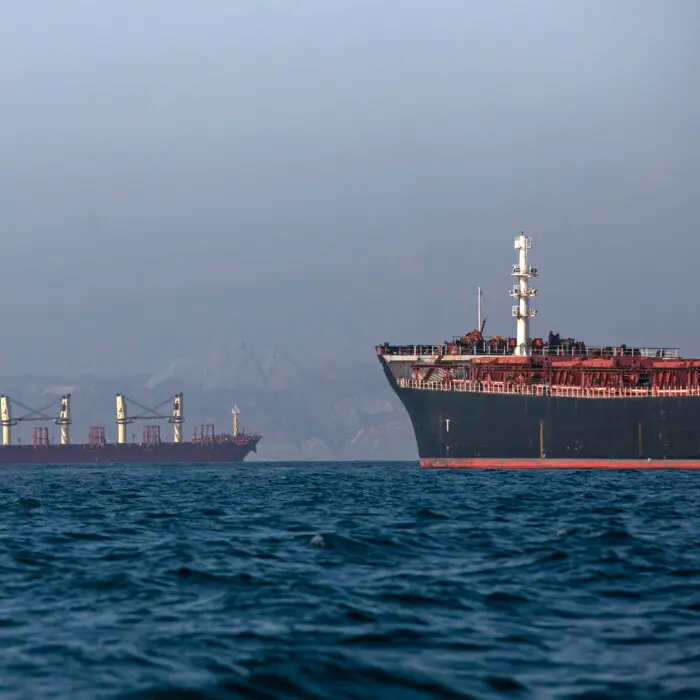
Earlier on July 15, CENTCOM stated that a new “wave of strikes” against Iran was launched at about 6 a.m. ET and ended at about 7:30 a.m. ET and involved attacks against Iranian coastal defense systems.
Also targeted was a cruise missile storage site on Iranian-controlled Greater Tunb Island.
Iran’s state-run media, citing Iranian officials, said that the United States struck what it described as “civilian infrastructure” in the southwestern part of Iran on July 15, including three locations in Ahvaz and strikes in Abadan.
Officials said that the United States hit a mineral water production plant near a village in Ilam Province, among other locations, according to state media.
The semi-official IRNA news agency on July 15 reported that U.S. forces struck an Iranian army base in southeastern Iran, killing seven military personnel and injuring 13 others.
At the same time, Iran’s Islamic Revolutionary Guards Corps (IRGC) stated that it fired what it called warning shots at two ships that were attempting to cross the Strait of Hormuz.
Iranian officials have said that only routes through the strait that are pre-approved by Tehran can be used by commercial ships.
The latest wave of U.S. strikes targeting Iran began after Tehran attacked several ships in the strait last week and over the past weekend.
It comes weeks after Iran and the United States signed a memorandum of understanding to end hostilities while opening the door to negotiations on Iran’s nuclear program, potential investment into the country, and reopening the strait.
U.S. President Donald Trump, on multiple occasions this week, said the memorandum is effectively over and that the United States would initiate new strikes and a naval blockade.
“We’re going to hit them very hard tonight,” he told Fox News. “We’re going to hit them very hard tomorrow night. We’re going to hit them very hard the night after.”
“We’re going to knock out all their power plants; we’re going to knock out all their bridges, unless they get to the table and negotiate.”