The U.N. Security Council on Nov. 17 approved a U.S.-drafted resolution that endorses President Donald Trump’s Gaza cease-fire plan, a central component of Washington’s push to end the two-year conflict between Israel and the Hamas terrorist group.
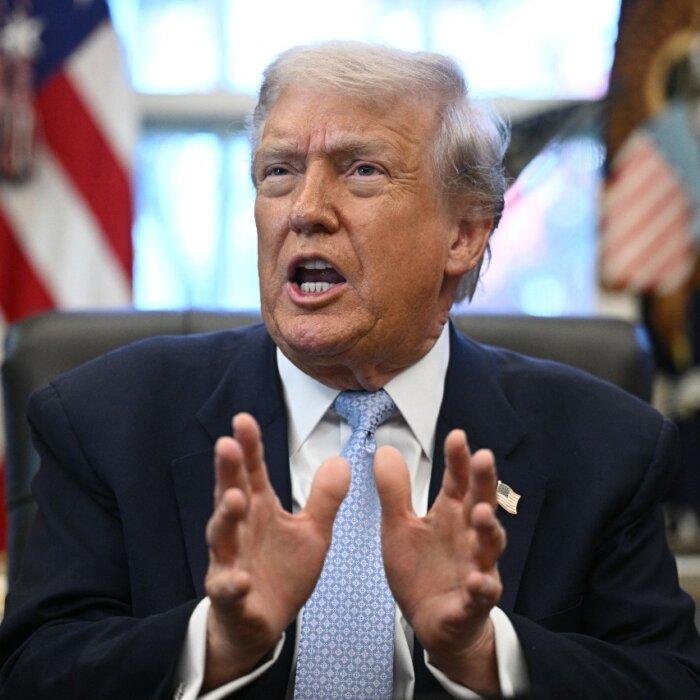
“Congratulations to the World on the incredible Vote of the United Nations Security Council, just moments ago, acknowledging and endorsing the BOARD OF PEACE, which will be chaired by me, and include the most powerful and respected Leaders throughout the World,” Trump wrote.
“This will go down as one of the biggest approvals in the History of the United Nations, will lead to further Peace all over the World, and is a moment of true Historic proportion!”
U.S. Ambassador to the U.N. Mike Waltz, who previously served as Trump’s national security adviser, said the resolution is “historic and constructive.”
“[The Nov. 17] resolution represents another significant step towards a stable Gaza that will be able to prosper and an environment that will allow Israel to live in security,” he said.
Waltz said the passage of the resolution is “just the beginning” as the United States seeks to carry out Trump’s plan to end the conflict between Israel and Hamas, which began in October 2023.
Russia and China—two veto-holding members of the U.N. Security Council—ultimately abstained from the vote on the evening of Nov. 17, following concerns that either might veto the resolution.
Russia had previously put forward an alternative draft, saying that the U.S. plan does not adequately reflect long-standing international legal principles, including the two-state framework.
Moscow’s proposal outlined clearer terms for deploying a peacekeeping contingent and administering the Gaza Strip.
The plan lays out a phased approach that began with the release of Israeli hostages and Palestinian detainees and expanded humanitarian aid for the Gaza Strip.
Under the second phase, Hamas would be required to decommission its weapons. The Israel Defense Forces would withdraw further from the enclave as security responsibilities were transferred to a new International Stabilization Force.
The plan also calls for the creation of an interim technocratic government consisting of Palestinian and international experts and overseen by a Board of Peace chaired by Trump.
The spokesperson wrote that the United States wants to “deliver results at the UN—not endless talk” and that regional actors had “seized this historic opportunity to finally end decades of bloodshed.”
Opposition From Hamas
Hamas has expressed opposition to the deal so far.Hamas spokesperson Hazem Qassem said on Nov. 17 that the group wants a resolution that stops what it described as Israel’s “aggression against Gaza, the West Bank, and Jerusalem,” stating that the United States is “trying to appease certain parties with non-binding wording.”
The group stated that it opposed any deployment of international or foreign forces inside the Gaza Strip and objected to what it described as U.S. oversight of Gaza Strip administration.
Maher Al-Taher, a senior official of the terrorist group Popular Front for the Liberation of Palestine, said the danger of establishing an international force in the Gaza Strip is that it could turn the enclave “into an area outside Palestinian governance,” according to Al-Aqsa TV.
Israeli Position
Israel maintains that Hamas is seeking to block Trump’s peace plan from advancing because the proposal requires the group to disarm.According to U.S. Secretary of State Marco Rubio, any international security force sent to the Gaza Strip under a cease-fire arrangement would need to consist of countries Israel is “comfortable with.”