High-level representatives at a U.N. conference on July 29 issued a declaration calling for terror group Hamas to disarm and for the international community to support a long-term resolution of the Israeli–Palestinian conflict by implementing a two-state solution.
The declaration expressly condemned the Oct. 7, 2023, attack across southern Israel, in which Hamas terrorists killed about 1,200 people and took 251 hostage.
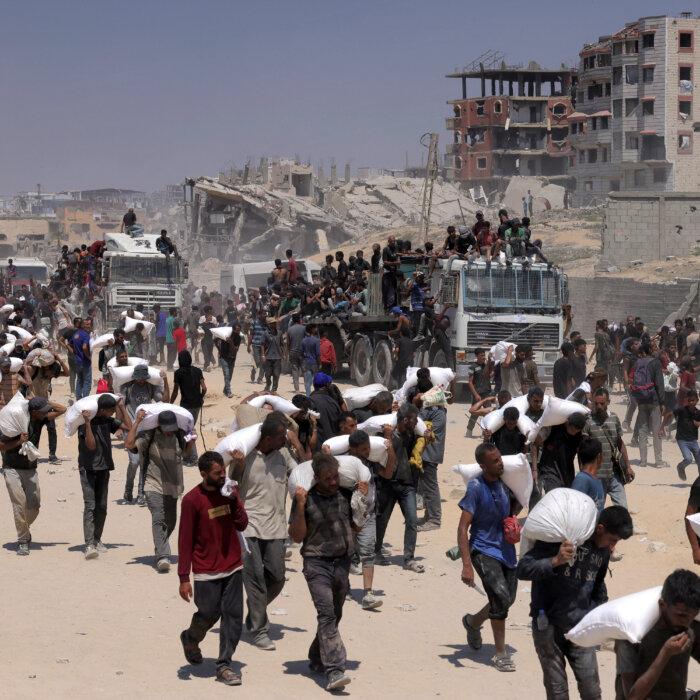
It also condemned the Israeli government’s conduct in the ensuing conflict in the Gaza Strip, blaming Israel for attacks on civilians, widespread destruction of civilian infrastructure, and worsening humanitarian conditions for Gaza’s civilian population.
The declaration calls for the Palestinian Authority to take charge of law enforcement and security across the Palestinian territories, and for Hamas to hand over its arms to the Palestinian Authority, “in line with the objective of a sovereign and independent Palestinian State.”
French Foreign Minister Jean-Nöel Barrot, speaking with the French newspaper La Tribune on July 29, noted the significance of the 22-nation Arab League’s involvement in the conference and subsequent declaration.
Barrot also touted the conference for renewing international interest in realizing a Palestinian state.
Barrot’s co-chair, Saudi Foreign Minister Prince Faisal bin Farhan, said the conference was a “historic stage” to end the conflict and “settle the international atmosphere towards a two-state solution.”
The UK was among the co-chairs of the conference working groups.
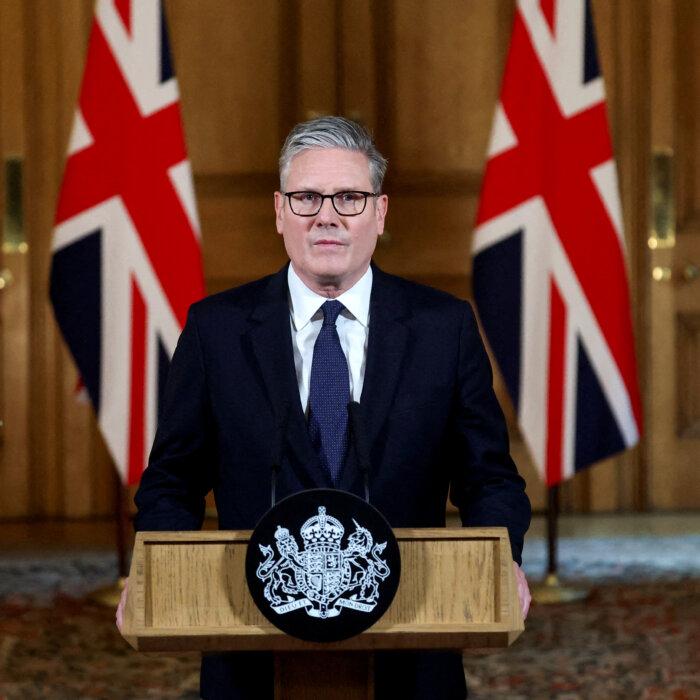
Speaking at the U.N. conference on July 29, British Foreign Secretary David Lammy listed off successive U.N. resolutions since 1947.
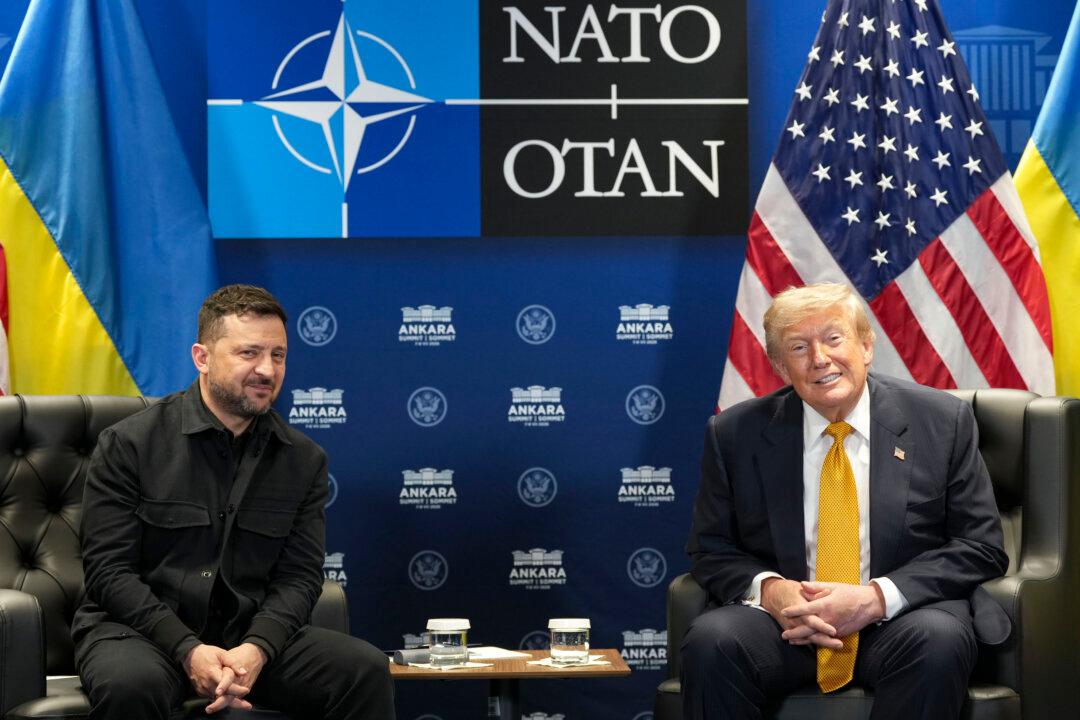
U.S. President Donald Trump, speaking with reporters aboard Air Force One on July 29, urged against a push for a two-state solution at this time.
“I am not in that camp because if you do that, you really are rewarding Hamas,” he said.
Israel and Hamas reached a cease-fire agreement in U.S. President Joe Biden’s final days in office. Biden said the truce was intended as a three-stage process that would eventually end the Gaza conflict.
The parties upheld the cease-fire through the first phase of the framework, but it collapsed in March amid disagreements over the next steps.
Israeli negotiators supported a proposal to extend the phase-one conditions. Hamas negotiators pushed to move on to phase two, which would have required the complete withdrawal of Israeli forces from Gaza in exchange for the return of all living hostages still held by Hamas.
U.S. special envoy to the Middle East Steve Witkoff initially planned to attend a new round of peace talks with Hamas earlier this month, but he pulled out and said Hamas showed “a lack of desire to reach a cease-fire in Gaza.”
Israeli Prime Minister Benjamin Netanyahu has pushed back on claims of a worsening humanitarian situation in the embattled territory.
“Israel is presented as though we are applying a campaign of starvation in Gaza,“ Netanyahu said on July 27. ”What a bald-faced lie. There is no policy of starvation in Gaza, and there is no starvation in Gaza.”