As peace talks to resolve the brutal Russia–Ukraine war drag on, experts say neither side is willing to back down, and Ukrainian resilience is key in the face of Russia’s strategy of attritional warfare.
Russia currently occupies about 20 percent of Ukraine’s territory, including the majority of the regions of Donetsk, Luhansk, Zaporizhzhia, and Kherson, as well as Crimea, a peninsula in the Black Sea.
‘Brutal War of Attrition’
“On the ground, Russia’s ongoing invasion is a brutal war of attrition with active fighting along a front that stretches roughly from Kharkiv in northeastern Ukraine through Luhansk and Donetsk in the east, and Zaporizhzhia and Kherson in the south,” Mark Temnycky, a nonresident fellow at the Atlantic Council’s Eurasia Center, told The Epoch Times.“Russia is trying to convert its larger pool of troops, artillery, and ammunition into small but steady territorial gains in eastern and southern Ukraine,” Temnycky, who is Ukrainian American, said in an email.
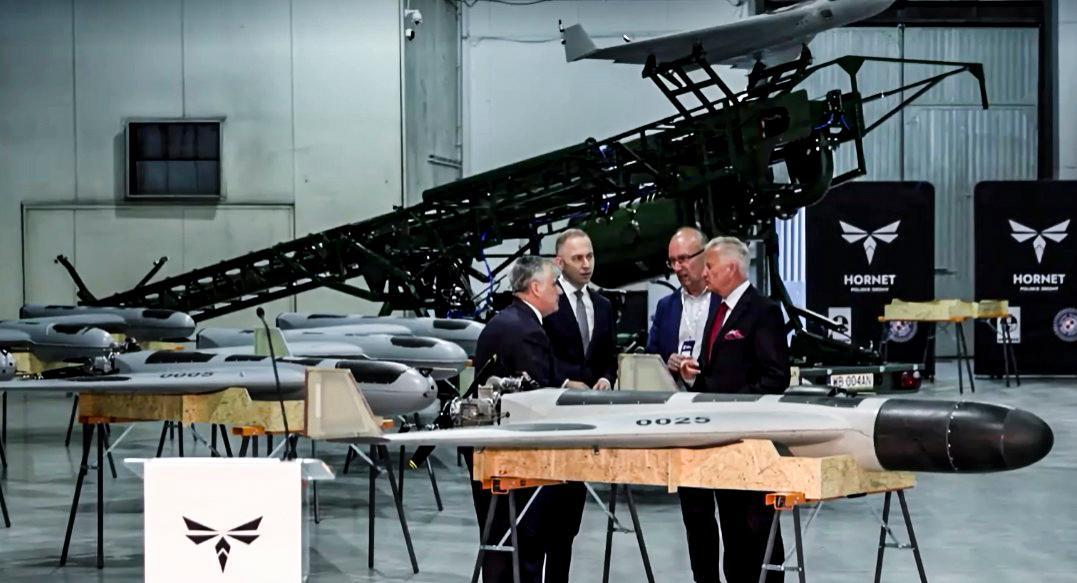
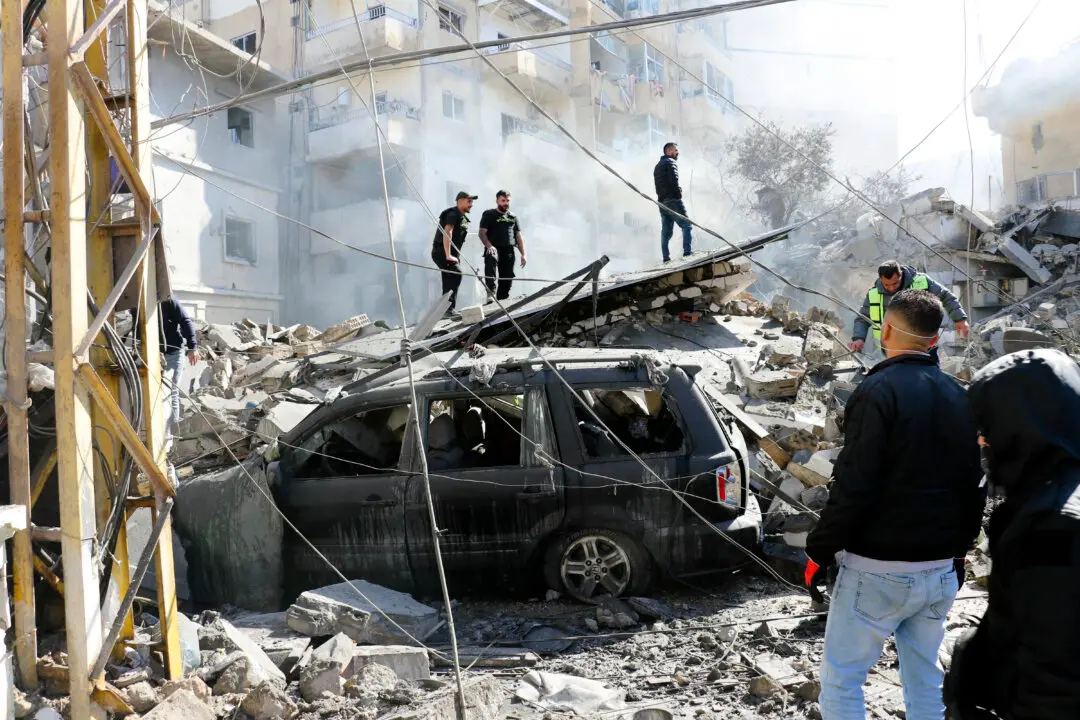
He said Ukraine is focused on holding key defensive lines and using drones and precision strikes to hit Russian ammunition depots, energy facilities, weapons factories, and logistics routes in Russian-occupied territory and within Russia itself.


After more than a year of trying to take Pokrovsk, Ukraine’s last stronghold in western Donetsk region, Russia announced earlier on Dec. 2 that it had captured the town.
Russia’s President Vladimir Putin welcomed the capture of Pokrovsk, which the Russians refer to as Krasnoarmeysk.
“I want to thank you. This is an important direction. We all understand just how important,” Putin, dressed in military uniform, told the Russian army’s senior officers. “It will ensure solutions going forward to the tasks that we initially set at the beginning of the special military operation.”
The Key Question
But how much land Russia occupies is not the key question, defense analyst Tim Ripley told The Epoch Times.“The main event is who’s killing more? Who can take it, and how long can they keep that up for?
“Neither side seems to have the technology or the forces to achieve a decisive breakthrough. So it’s whoever breaks first is the crucial question,” Ripley continued.
He said it was not just a question of troop losses, but also the damage to industrial infrastructure, air defenses, and “societal cohesion.”
After taking most of Pokrovsk, Ripley said, the Russians were switching their focus to three other towns—Huliaipole in Zaporizhzhia, and Kupyansk and Siversk, which are closer to Kharkiv.
They might soon become “tipping points,” he said.
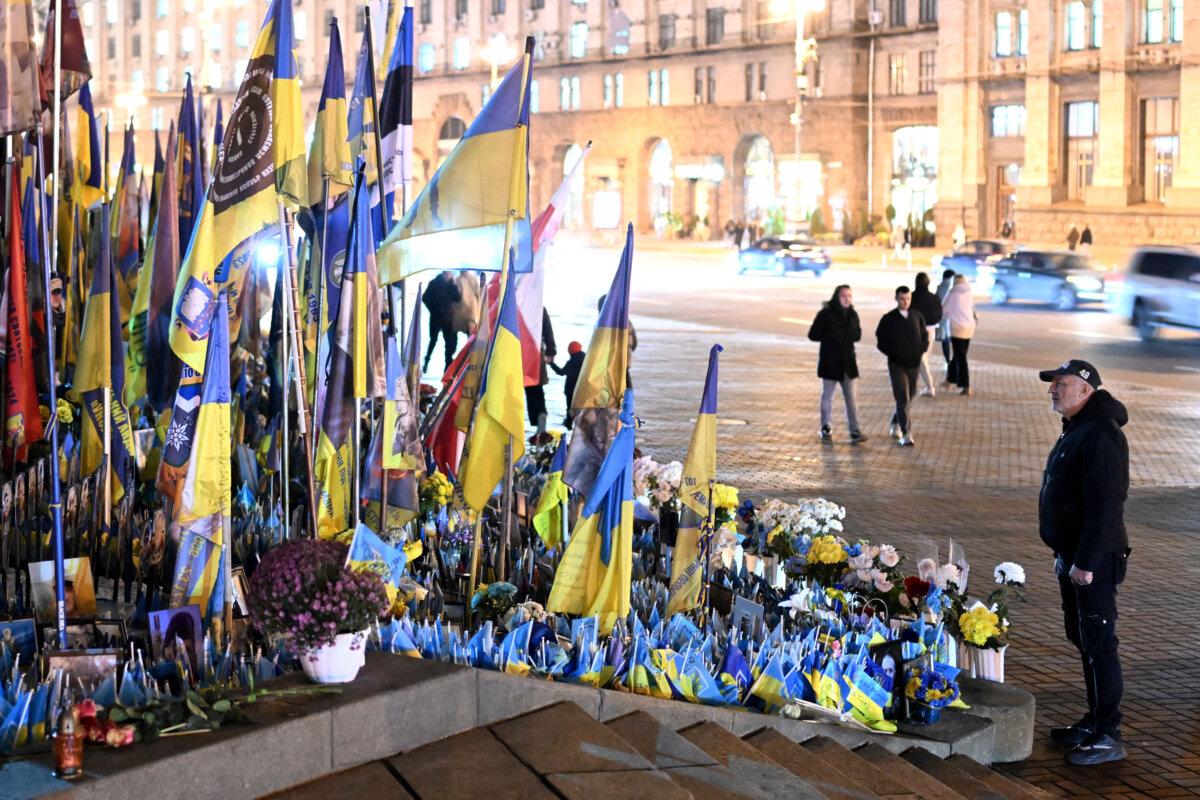
On Dec. 23, Ukrainian troops withdrew from Siversk.
“The invaders were able to advance due to a significant numerical advantage and constant pressure from small assault groups in difficult weather conditions,” the General Staff of the Ukrainian Armed Forces said in a statement.
Ripley said: “The Russians will capture some town. The Ukrainians send their reserves to try and stabilize it, and once they’re engaged, the Russians attack somewhere else.
“And the Ukrainians have got a challenge. Do they move their reserves back from there to somewhere else?”
“This a grinding, positional struggle, rather than a fixed stalemate,” Temnycky said, “Russia has captured some villages and territory in the east and south this year, but these advances often amount to hundreds of meters or a few kilometers at a time and come at a high cost in men and equipment.”
Drone Wars
Temnycky said the Ukrainians have successfully launched drone operations deep inside Russia, most spectacularly with Operation Spiderweb, which involved hiding 117 FPV drones in a truck and launching them against a Russian air base in Irkutsk, Siberia, in June.But Ripley said the Russians were able to mount more drone attacks on Ukraine, and on a much bigger scale.
Ripley said Sarvarov’s death made little concrete difference in the conflict.
Morale
Meanwhile, Temnycky said Ukrainian troops “remain motivated to defend their homeland.”“Morale among Ukrainian soldiers remains resilient despite the strain of prolonged fighting against Russian forces and Russia’s continued missile and drone strikes,” he said.
However, soldier morale is declining in many Russian units due to massive casualties, according to Temnycky.
“There are also reports of desertions, refusals to assault, and reliance on convicts and foreign recruits,” Temnycky said. “Russian propaganda claims momentum, but underlying cracks in willingness to sustain losses weaken Putin’s position over time.”
Both sides are also engaged in a cyber war, where state-employed hackers try to take down their enemy’s infrastructure, but so far there has been no sign of either side being able to land a knockout blow.
Russia’s Goals
But what are Russia’s ultimate war aims?“From the very start, the ultimate objective of the Russian president and his military campaign, is to return Ukraine to the Russian orbit. They call it the Russian mir, the Russian world,” Ripley said.
“Now, whether that means incorporated into Russia, or you have a friendly, pro-Russian government that is aligned to Russia, is not certain,” Ripley said, but he said Moscow ideally wanted to return to the situation prior to 2014 when Kyiv was friendly to Russian business interests, and had no relationship with NATO or the European Union.
But conquering or neutralizing Ukraine may not be the end of the story.
“The intelligence has always been that Putin wants more,” said Rep. Mike Quigley (D-Ill.), who serves on the House Intelligence Committee, “The Europeans are convinced of it. The Poles are absolutely convinced of it. The Baltics think they’re first.”