Amnesty International is accusing Israel of killing two dozen people, including children, during three air strikes in Lebanon in March, urging them to be investigated for war crimes.
The human rights organization, in a July 9 statement, said it investigated the air strikes on the al-Thakana neighborhood in Tyre, the village of Irkay, and the al-Rahbat neighborhood in Nabatieh, on March 6, 12, and 13, respectively.
Amnesty stated that 12 children, ranging from ages 5 to 16; six women, including one who was pregnant; and six men were killed in the three air strikes.
Amnesty stated that a Nabatieh resident told it that “there’s absolutely no military presence in the area; this is a residential neighbourhood, and there were no weapons at the site of the targeted house.”
Kristine Beckerle, Amnesty’s deputy regional director for the Middle East and North Africa, said the Israeli military had displayed a “callous disregard for civilian lives.”
“These three devastating attacks are part of a well-documented pattern of unlawful Israeli attacks carried out in Lebanon, amidst a total vacuum of accountability,” Beckerle said.
In its July 9 statement, Amnesty said it was reasonable to conclude that during the three air strikes in March, Israeli forces violated international humanitarian law by failing to distinguish between civilians and military objectives and failing to take all feasible precautions to minimize harm to civilians.
“The persistent impunity for unlawful attacks risks normalizing serious violations of international humanitarian law and sends a dangerous message that Israeli forces can continue to unlawfully kill and injure civilians unchecked, without any prospect for justice or reparation,” Beckerle said.
She said the Lebanese government must grant the International Criminal Court (ICC) jurisdiction over crimes in their country and initiate “credible, independent domestic investigations into crimes under international law.”
In an emailed statement to The Epoch Times, the Israel Defense Forces (IDF) said it was operating in Lebanon as part of a campaign against the Hezbollah terrorist organization, which it said chose to launch attacks against Israel.
“The IDF directs its strikes solely against Hezbollah military objectives and military operatives, and does not operate against Lebanese civilians, the Lebanese Armed Forces, or the Lebanese state,” the IDF said. “The IDF is committed to mitigating harm to civilians during operational activity and takes feasible measures to minimize harm in accordance with international law.”
The IDF said Hezbollah deliberately operated from within and near civilian areas, “knowingly endangering the Lebanese civilian population.”
Referring to the incidents in the Amnesty International report, the IDF said it had reviewed the allegations submitted.
“In some cases, the strikes were carried out against Hezbollah military objectives of the type described, while other allegations have been referred for examination,” the IDF said. “The IDF regrets any harm caused to uninvolved individuals, and any specific allegation concerning harm to civilians or civilian objects is examined in accordance with established procedures.”
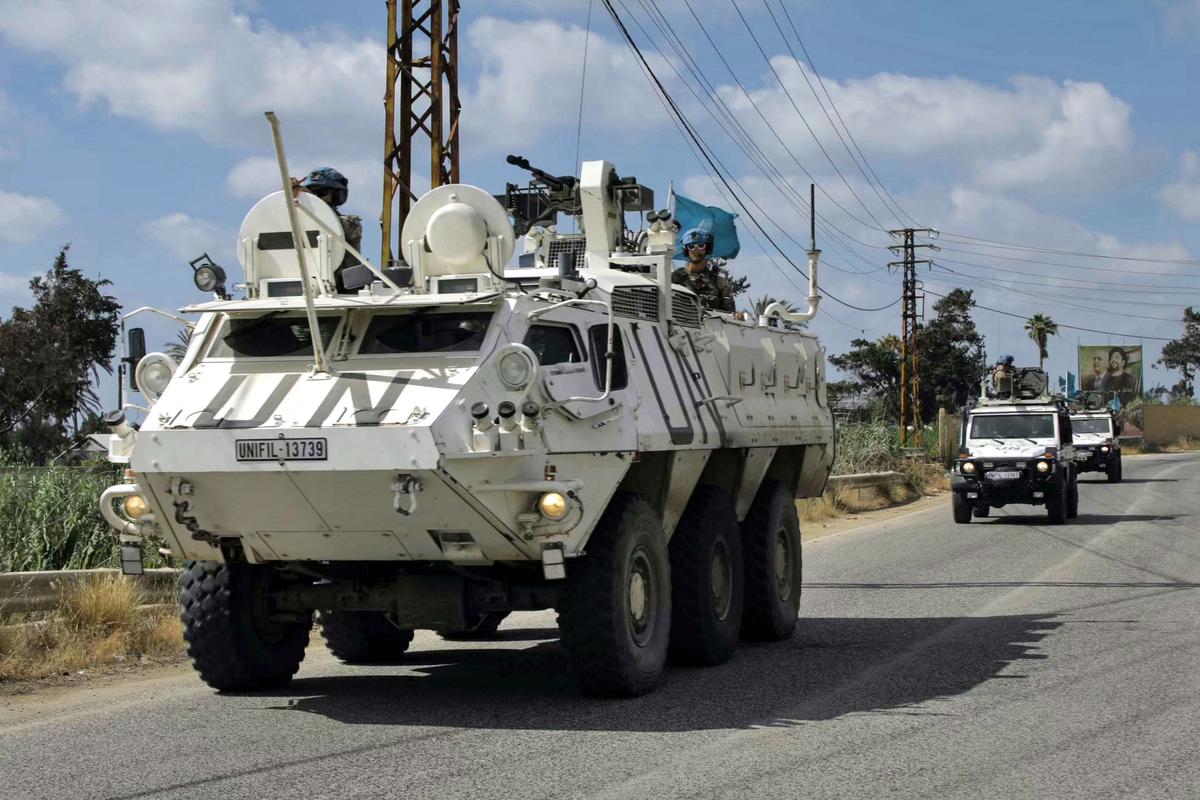
The conflict escalated after U.S. and Israeli forces attacked Iran on Feb. 28, prompting Tehran-aligned Hezbollah to target Israel with a fresh wave of rocket and drone attacks, setting off a new chapter of fighting in the longer-running conflict along the Israel–Lebanon border.
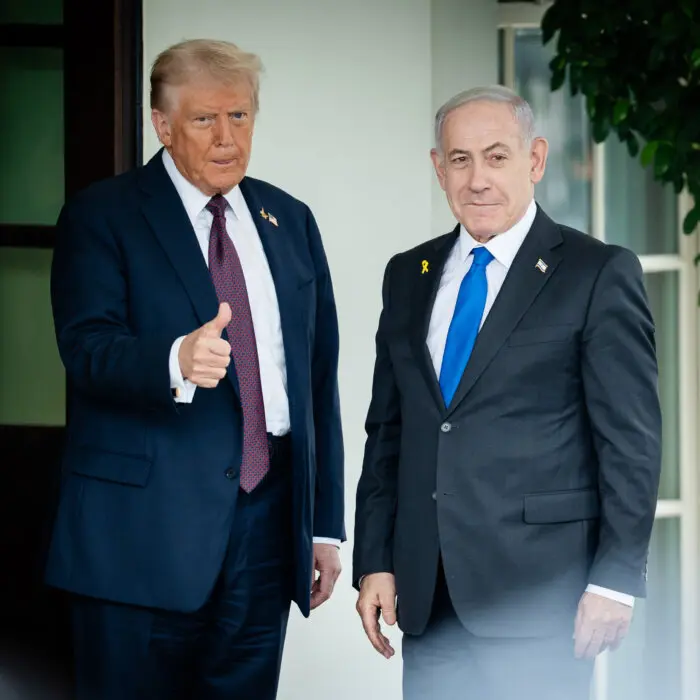
Israeli Prime Minister Benjamin Netanyahu recently said Israeli troops would remain in a security zone in southern Lebanon to protect northern Israeli communities from Hezbollah.
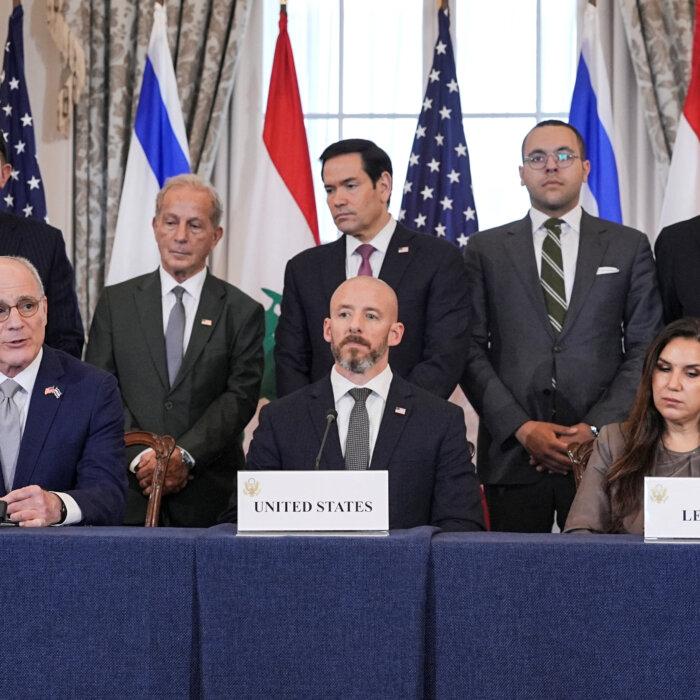
Once disarmament is verified, Lebanese troops will assume security responsibility, reconstruction will begin, and displaced civilians will be allowed to return to their homes.
Lebanese President to Meet Trump
Lebanese President Joseph Aoun is due to visit U.S. President Donald Trump at the White House later this month.
He is expected to face pressure from Trump to restore the Lebanese state’s sovereignty over parts of the country that Hezbollah considers its personal fiefdom.
Lebanese Prime Minister Nawaf Salam has pushed back against Hezbollah.
“I am not looking for a confrontation with Hezbollah, but neither myself nor anyone in the government will accept to be blackmailed by Hezbollah,” Salam recently told the LBC TV station.
The ICC in The Hague, Netherlands, would be the body responsible for pursuing any investigation into alleged Israeli war crimes in southern Lebanon.
Israel and the United States are not members of the ICC.
Netanyahu had previously condemned ICC chief prosecutor Karim Khan’s request for warrants against him and Gallant as disgraceful and anti-Semitic.
The Epoch Times reached out to the Office of the Prosecutor at the International Criminal Court in The Hague for comment but did not receive a response by publication time.