If the U.N. Security Council does not back a resolution to end hostilities by Russia, Ukraine may review its offer of a ceasefire, a top Ukrainian official has said.
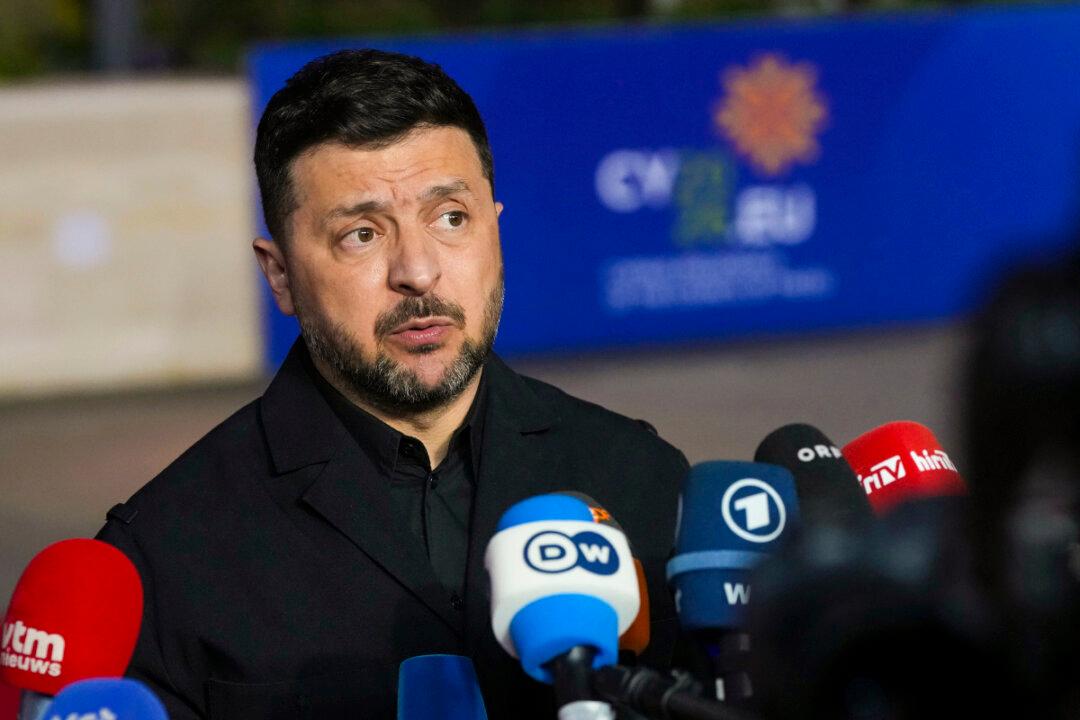
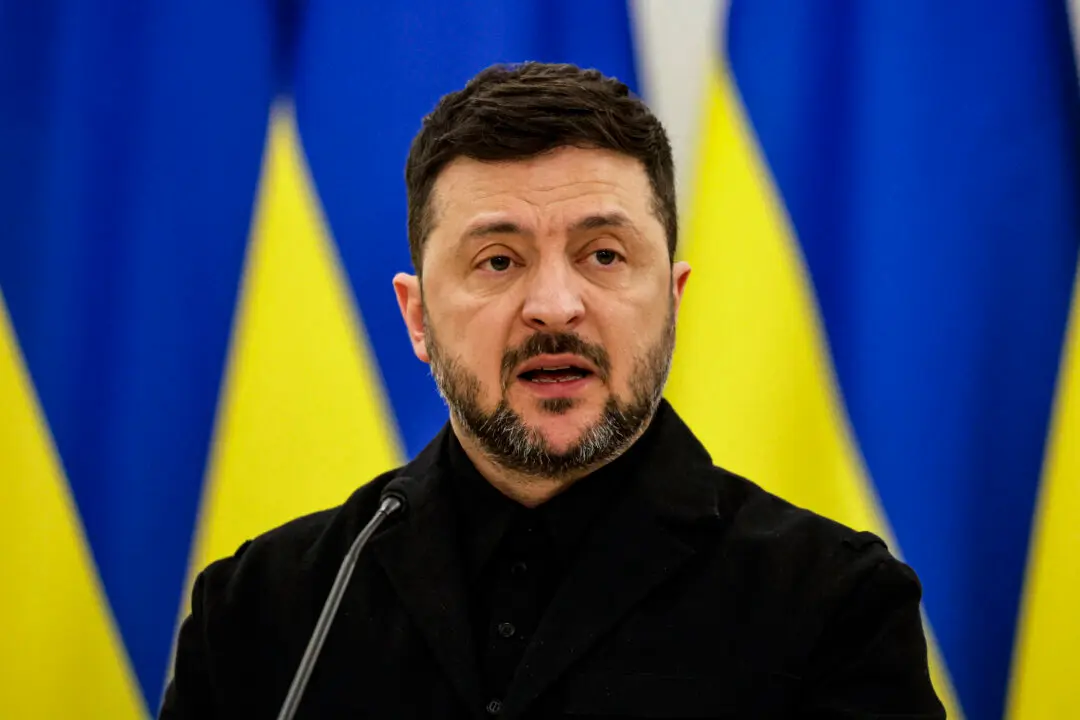
Ukrainian Ambassador to the United Nations Andrii Melnyk said during a Security Council session on June 22 that Kyiv has repeatedly asked the group to adopt a resolution calling for a full and unconditional end to the conflict.
“Ukraine stands ready to engage in direct negotiations with Russia to secure a just and lasting peace in accordance with the U.N. Charter, but our patience is not endless,” Melnyk said.
“If the Security Council would further choose a wait-and-see approach, I cannot exclude that Ukraine may recalibrate and modify its offer. Ceasefire along the de facto front line is already a great compromise.”
There are five permanent members of the U.N. Security Council—China, France, the Russian Federation, the UK, and the United States—all of whom have veto-wielding powers.
Joined by other members of the council, Melynk condemned the attack on a historic monastery in Kyiv, which has been blamed on Russia.

Last week, the roof of the Dormition Cathedral in the Kyiv-Pechersk Lavra monastery was damaged and caught on fire following an alleged Russian attack. The Lavra is a UNESCO World Heritage site and was founded in 1051.
Though firefighters were able to stop the blaze from spreading to the rest of the building, 80 percent of the cathedral’s roof had been damaged, and it could take two years to repair, officials said.
Moscow has denied striking the monastery, saying it had been damaged by a U.S.-made Patriot air defense missile, which is used by Ukraine in its air defense systems—a claim repeated by a top Russian official during the U.N. session.
Russia said its attack had targeted and struck drone manufacturing facilities.
Crimean Fuel Shortages
The Ukrainian envoy to the U.N. also said that with recent strikes on Russian locations, Kyiv has changed the dynamic of the war.
Ukraine has been targeting oil refineries, sites for building weaponry, and fuel supply routes.
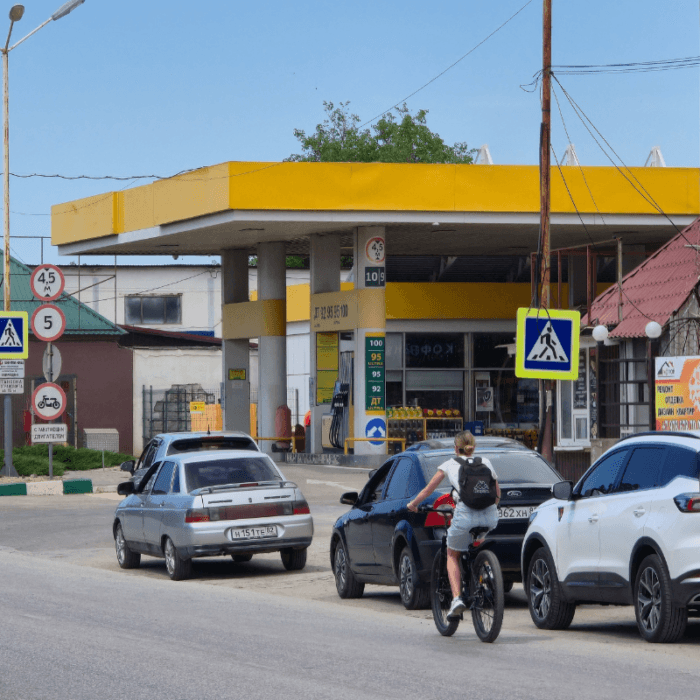
Recent drone attacks on Crimea, which was annexed by Russian forces in 2014, have triggered a fuel crisis on the peninsula, prompting authorities to suspend the sale of fuel to citizens and limit it only to government agencies responsible for security and other essential services.
Crimea has also been forced to shut down some retail spaces and has taken other measures to limit fuel use.
Mikhail Razvozhayev, the governor of Sevastopol, home to the Russian Black Sea Fleet, on Monday evening announced “enforced temporary measures,” including large shops and cafes shutting at 8 p.m., street lights being dimmed, and the closure of public transport at 10 p.m.
Russian, Ukrainian Strikes
The Ukrainian military said that it had struck a plant producing electronic components for missiles in the Voronezh region in Russia on June 22, with the region’s governor saying that the attack resulted in the deaths of five people and injuries to dozens of others.
The attack was conducted using air-launched cruise missiles, the Ukrainian General Staff said, describing the facility as a “critical component” in Moscow’s defense production.
Moscow also conducted strikes on Ukraine overnight, with Russian forces striking the southeastern region of Zaporizhzhia, Sumy in the north, and Kharkiv in the northeast.
The Ukraine–Russia war is now in its fifth year.
According to a June war report card from Russia Matters, a project of the Harvard Kennedy School’s Belfer Center for Science and International Affairs, Russian forces control about 20 percent of Ukraine—more than 45,600 square miles, roughly the size of the state of Pennsylvania.
This includes Crimea and parts of Donbas that Russia had seized prior to the full-scale invasion on Feb. 24, 2022.
Reuters contributed to this report.