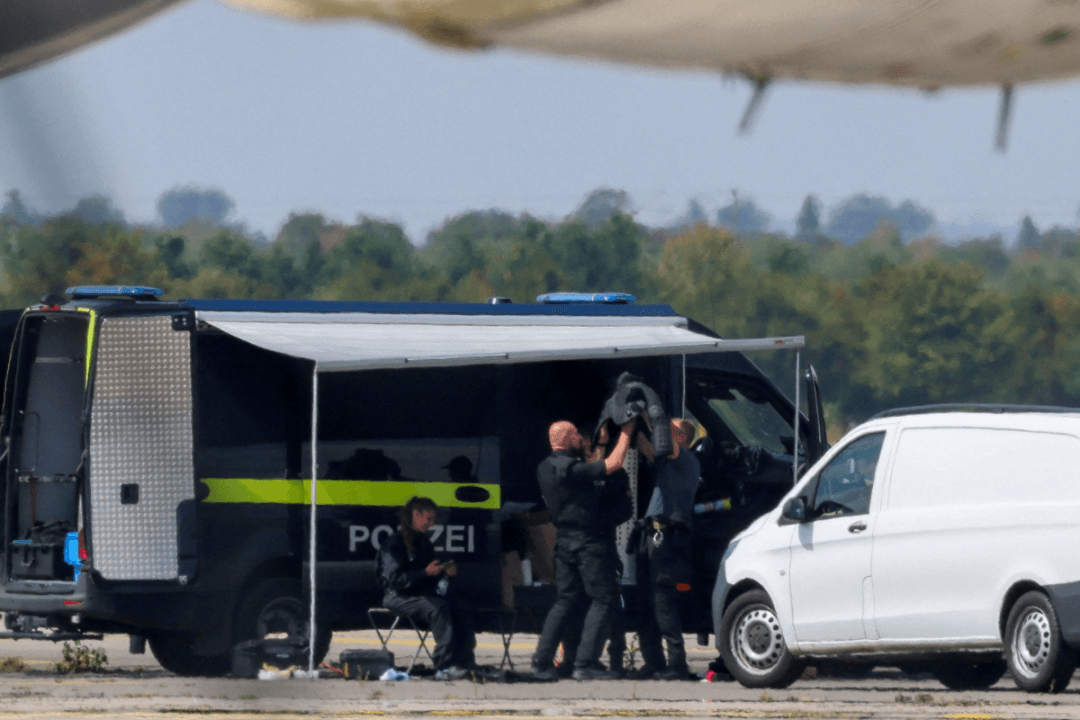
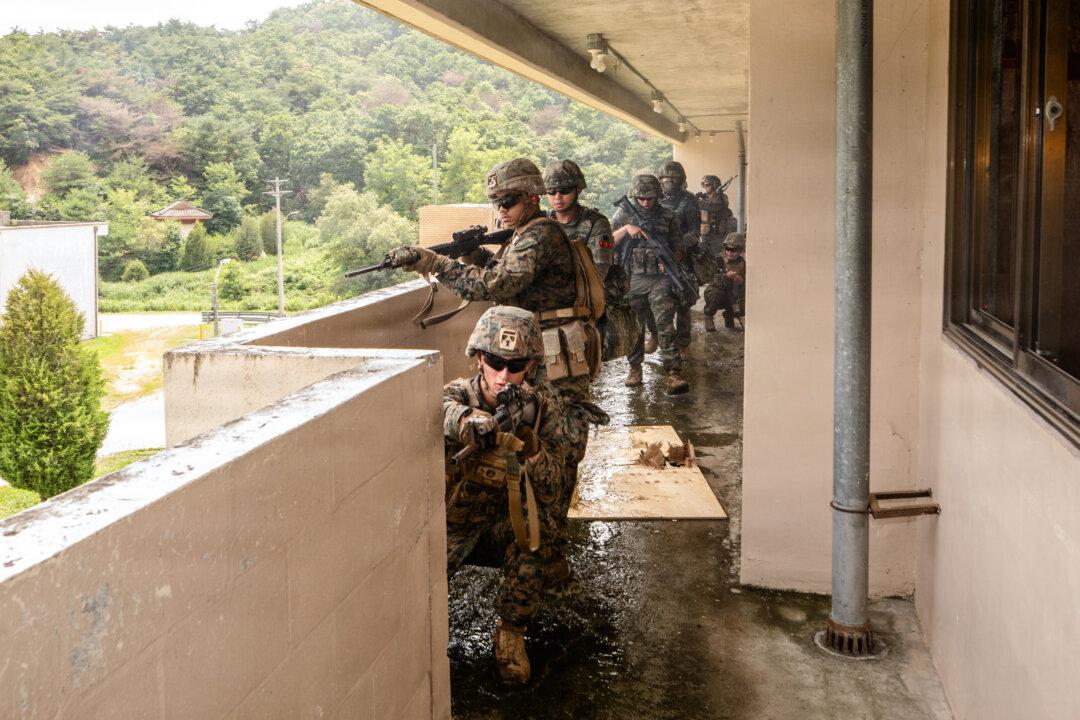
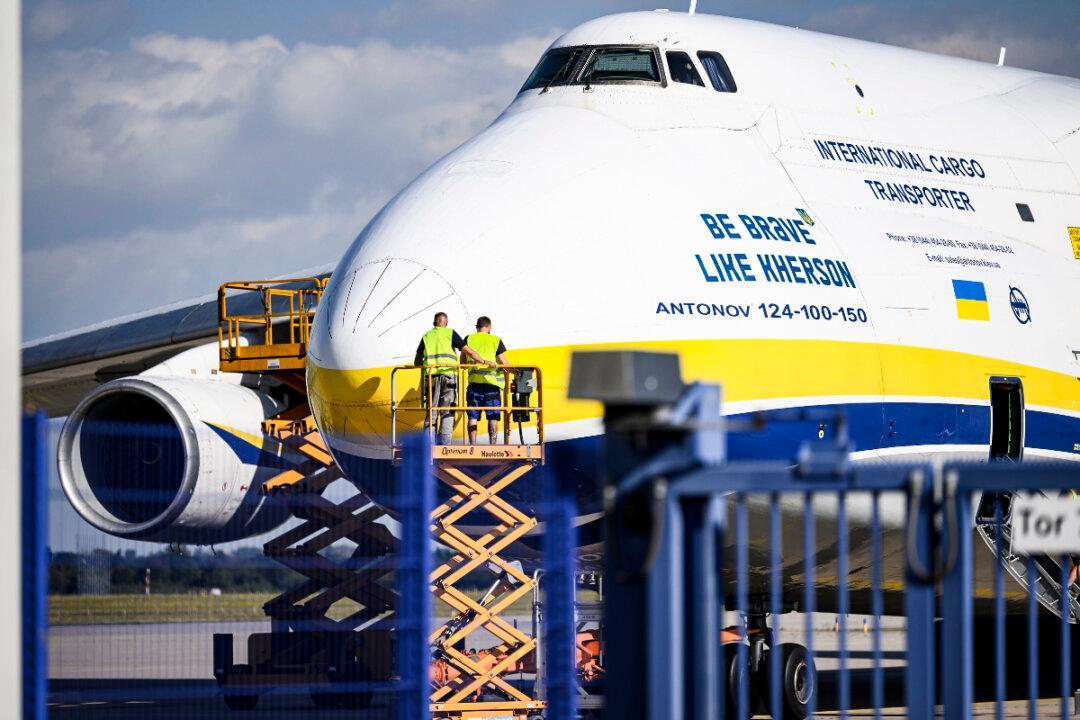
“Defence Secretary [John Healey] and I agreed at the end of last week that we would deploy our people, our equipment, to Belgium to help them,” Knighton said.
“Working with NATO allies, we stand ready to counter hybrid threats [and] keep skies safe,” the department stated.

“The deployment of a UK anti-drone team in Belgium strengthens our collective security and showcases our unity in countering hybrid threats,” he said.
The UK is following France and Germany in offering support to Belgium.
Several Drone Sightings
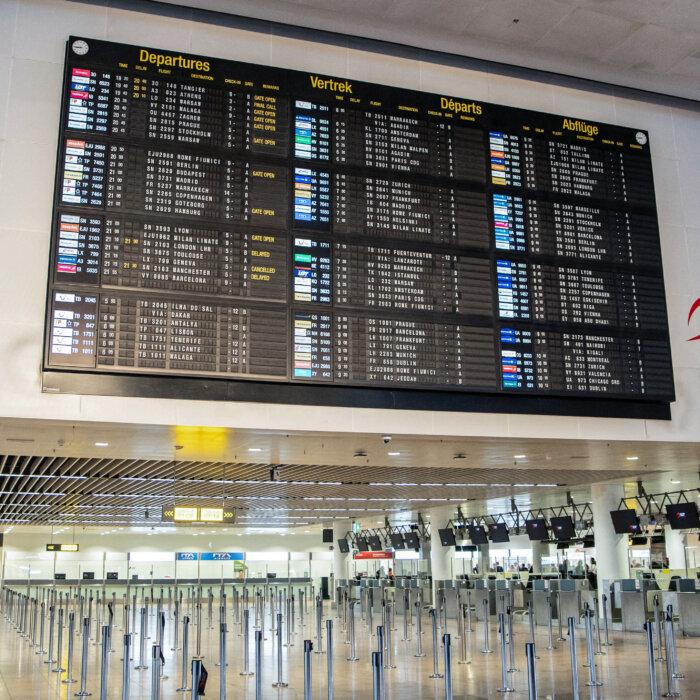
On two separate occasions last week, Belgium’s Liège Bierset Airport and Brussels Airport had to close their skies and ground flights following sightings of UAVs.UAVs were also spotted over two Belgian military bases, Kleine-Brogel and Florennes, on Nov. 4. These came a day after similar sightings over Kleine-Brogel, which houses U.S. nuclear weapons.
Some European officials have blamed the incursions on Russia, although Moscow has denied any connection to the incidents.
Knighton would not apportion blame for the UAV sightings over Belgium when it was suggested that they could be of Russian origin.
Growing Threats
Knighton cited the UK’s Strategic Defence Review, an assessment of the UK’s current defense and security capabilities, which he said “sets out quite clearly that we face a future or present that is more volatile, more uncertain, and there are growing threats to the alliance and to the UK.”“That’s why we need to modernize. That’s why we need to ensure that we are—to use the term—‘war-fighting ready,’ and that’s why the government has committed to invest unprecedented amounts in defense spending over the next few years, more than I’ve ever known in my career,” he said.
Earlier this year, almost all NATO members agreed to increase defense spending to 5 percent of gross domestic product by 2035.
Europe’s Defense Projects
Last month, the European Commission stated that Europe must prepare to combat new forms of warfare, including sabotage of undersea cables, cyber attacks, and drone incursions.Defense experts have said that the European Union’s rapid move to counter threats could redefine how Europe defends its airspace and strengthen its role within NATO’s framework.
Bartosz Grodecki and Maciej Romanow, from the security team at Polish think tank Sobieski Institute, recently told The Epoch Times that Brussels’ plans show “that Europe is not passively relying on the United States, but actively investing in its own defense.”
“[This shift] changes Europe’s position from being a security receiver to becoming a security provider.
“For the United States, this means a more balanced partnership in which European allies take on part of the financial and technological burden.”