Retail conditions in the UK deteriorated in April as sales volumes fell sharply and consumer demand remained weak, according to a closely watched business survey.
Data published by the Confederation of British Industry (CBI) on April 27 showed that more retailers reported falling sales than rising sales, by a margin of 68 percentage points in April.
The measure dropped from a 52-point negative balance in March. Retailers expected conditions to remain weak in May, with a negative balance of 60 percentage points.
Online retail sales also fell at their fastest pace since January 2024, while wholesale and total distribution sales continued to contract.
The data added to signs that higher business costs and geopolitical uncertainty are weighing on the UK economy at a time when policymakers are increasingly focused on supply disruptions linked to the Middle East.
Martin Sartorius, CBI’s lead economist, said the survey pointed to worsening momentum across the distribution sector.

“Activity remained subdued in the wholesale sector, with firms reporting headwinds from high costs and muted demand,” he said in a statement.
“With the economic impact of the Iran conflict becoming clearer, firms will be looking to [the] government to recognize that easing cost-of-living pressures depends on tackling the cost of doing business.”
He specifically pointed to business rates reform, electricity-related costs, and the implementation of the Employment Rights Act as areas where firms sought relief.
Additional survey data suggested businesses were reducing orders placed with suppliers at a sharp pace, while stock levels remained modestly elevated relative to expected sales.
Hormuz Disruptions
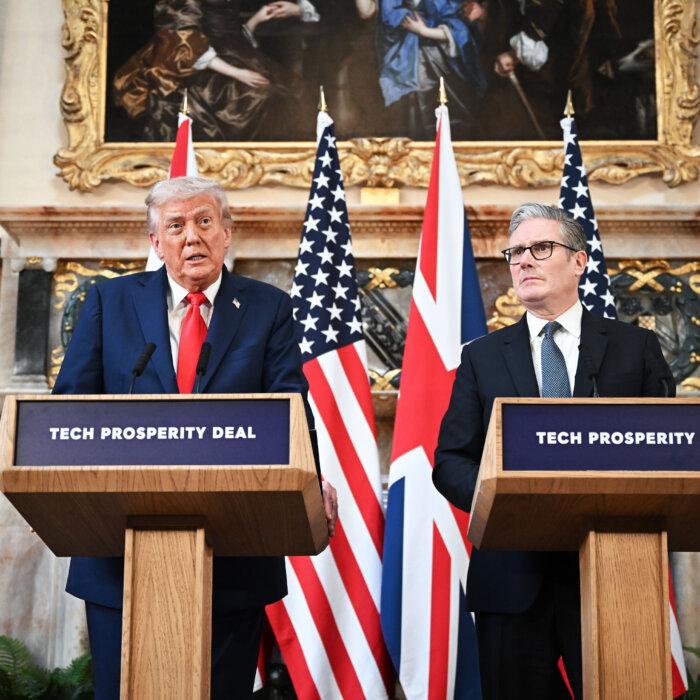
The retail survey was released as governments continued monitoring the economic effects of conflict-related shipping disruptions in the Strait of Hormuz, a route critical to global energy supplies.On April 26, British Prime Minister Keir Starmer spoke with U.S. President Donald Trump and discussed what the UK government called the urgent need to restore shipping through the waterway.
According to a Downing Street readout, the leaders discussed “the severe consequences for the global economy and cost of living for people in the UK and globally” if disruption persists.
The statement said Starmer also updated Trump on a joint initiative with French President Emmanuel Macron to restore freedom of navigation following military planning discussions at Northwood.
The White House said on April 27 that Trump met with national security advisers after Iran submitted a new proposal intended to resolve the conflict.
“I wouldn’t say they’re considering it. I would just say that there was a discussion this morning that I don’t want to get ahead of,” Leavitt told reporters, adding that an Iranian “proposal was being discussed.”