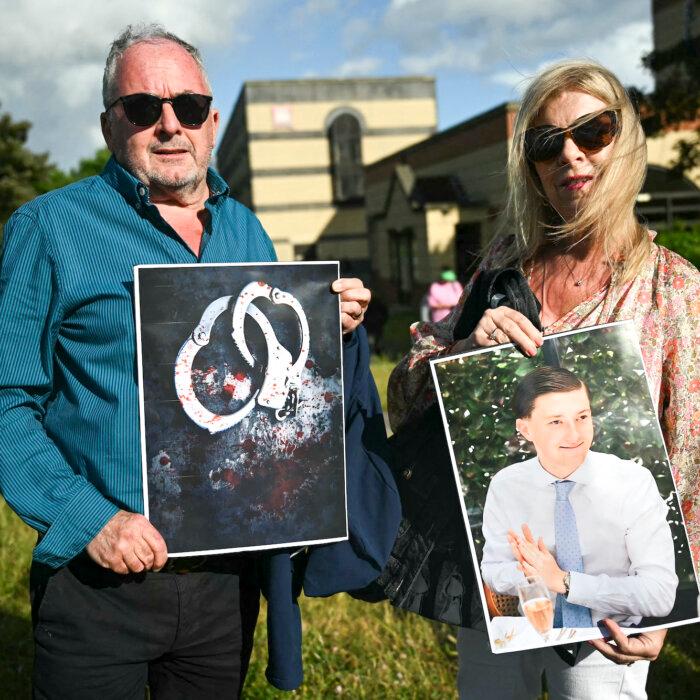
The British policing watchdog announced on July 1 that it was investigating two officers for “potential gross misconduct” over their handling of the arrest of Henry Nowak, who was handcuffed as he bled to death from stab wounds after his murderer falsely accused him of a racist attack.
The Independent Office for Police Conduct (IOPC) said that “evidence indicates that both officers—who were the first to arrive at the scene late in the evening of 3 December 2025—may have potentially breached the professional behaviour standards of duties and responsibilities, use of force, and discreditable conduct,” in a statement released on Wednesday.
The case of the 18-year-old student, who was filmed being arrested and handcuffed by officers as he lay dying in Southampton, England, in December, sparked international outrage and protests. Political debate ensued within the UK about how police treat different ethnicities, after the sentencing of Nowak’s killer, Vickrum Digwa, in June.
Nowak told officers he had been stabbed and could not breathe. His pleas for help were dismissed by the arresting officers, with one of them heard saying, “Don’t think you have, mate.” The release of the police bodycam footage prompted widespread outcry.
The IOPC said in its statement that the investigation relates to “potential failures by the officers to recognise that Henry needed urgent medical attention, to immediately act after he said he had been stabbed and he couldn’t breathe, and the decision to arrest and handcuff Henry rather than provide immediate first aid.”
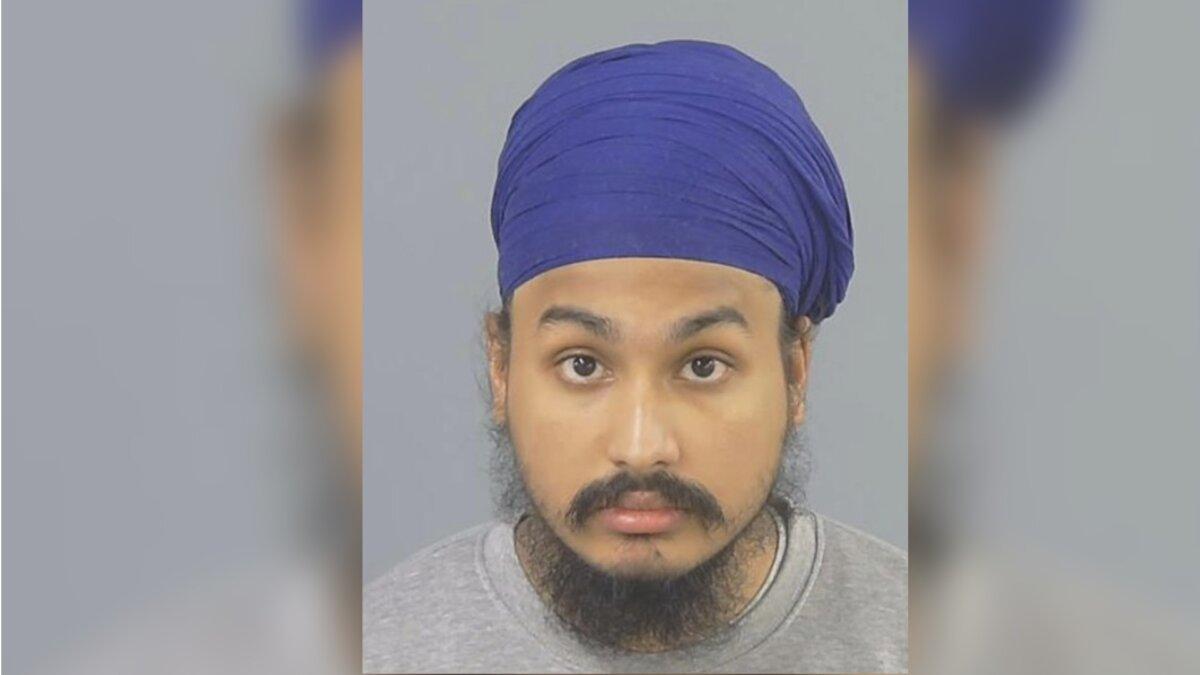
Digwa, a 23-year-old British-born Sikh, was sentenced to life with a minimum of 21 years in prison on June 1.
He had told police that he was the victim of a racist attack after he had stabbed Nowak, a white Briton, multiple times with his kirpan, a ceremonial dagger carried by Sikhs as a symbol of their faith.
Though carrying knives in public is banned under British law, Sikhs have a special religious exemption to carry the kirpan, another point of controversy in the wake of the case.
“There is clear evidence that public confidence in the force may have been seriously harmed by this incident, and that is a factor we must consider when assessing the evidence,” said Derrick Campbell, the Independent Office for Police Conduct’s director of engagement.
The watchdog also said one officer may have failed to treat Nowak with appropriate respect by apparently dismissing his claim that he had been stabbed.
“It is also an important part of our role to identify whether any changes are needed to national or force policies or procedures, to improve police practice,” Campbell added.
Another facet of the case being probed by the IOPC is “whether the race or religion of either Henry or the Digwa family impacted on the actions and decision making of the officers, whether officers’ decisions were influenced by assumptions or prejudice relating to community tensions at the time, and complaints made by Henry’s family about differences in how Henry was treated by officers compared to how Digwa and his family members were treated upon their arrests.”
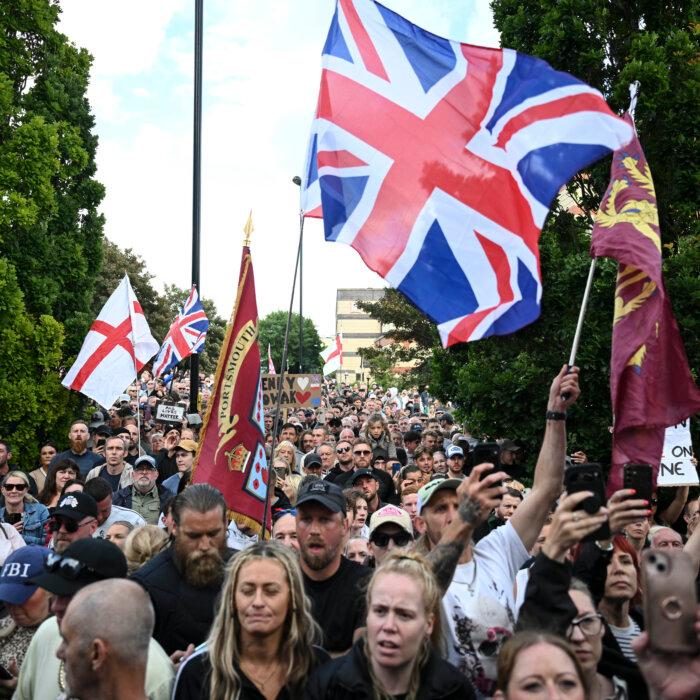
This particular issue was high on the agenda of the hundreds of protesters who took to the streets of Southampton following Digwa’s conviction, and also drew criticism from the administration of U.S. President Donald Trump.
“Ideological conditioning and two-tiered policing are glaring symptoms of civilizational decline. They must be rejected across the West,” the U.S. State Department wrote in a June 4 post on X.
“The United States sends our condolences to the family of Henry Nowak and the people of the United Kingdom at this troubling time.”
The phrase “two-tier policing” was originally coined in Northern Ireland in the 1990s to refer to allegedly different levels of policing for the Catholic/nationalist community and the Protestant/unionist community.
In the summer of 2024, the term came into common usage in England when protests and riots broke out in the wake of the murder of three young white girls in Southport by Axel Rudakubana, the British-born son of Rwandan immigrants.
Politicians from both sides of the divide have criticized the Hampshire Police’s handling of the Nowak murder.
British Home Secretary Shabana Mahmood described footage of the 18-year-old student being handcuffed by police while he lay dying as “disturbing and tragic” after it emerged that his killer had falsely claimed victimhood from a racist attack.
In the House of Commons on June 2, Mahmood said the murder was “evil” and that Nowak’s family had gone through an “unimaginable” ordeal.
She said the bodycam footage was “a disturbing and tragic thing to see.”
“People are rightly asking questions about how the situation was handled, and they are shocked and disquieted to hear Henry’s words: ‘I can’t breathe,'” Mahmood said.
In a June 3 post on X, Nigel Farage, the leader of the Reform UK party, said everyone except British Prime Minister Keir Starmer could see that a two-tier state of policing existed in the UK.
In another post, Farage said the UK’s police were obsessed with diversity, equity, and inclusion (DEI).
“White people are not being treated fairly or equally under the law,” Farage said. “We must end two-tier policing.”
Chris Summers contributed to this report.