The UK has moved to accelerate a major expansion of nuclear energy, unveiling plans to overhaul regulation and speed up project approvals.
The Labour government on May 13 proposed the Nuclear Regulation Bill, which it said would modernize an overly bureaucratic regulatory system that has slowed new nuclear development across the UK.
Unveiled in the King’s Speech 2026, the legislative agenda for the year, the measures include streamlined approvals for large nuclear projects such as Sizewell C in Suffolk and Hinkley Point C in Somerset.
The bill would also introduce measures to support small modular reactors at Wylfa in North Wales.
The proposed Nuclear Regulation Bill forms part of Prime Minister Keir Starmer’s broader energy strategy to boost domestic electricity generation and lower exposure to volatile global gas markets.
“Nuclear power is safe, reliable, and clean,” the government said in the King’s Speech background briefing notes. “A more secure supply of homegrown power helps reduce exposure to the fossil fuel rollercoaster and is essential for stability in our electricity grid.”
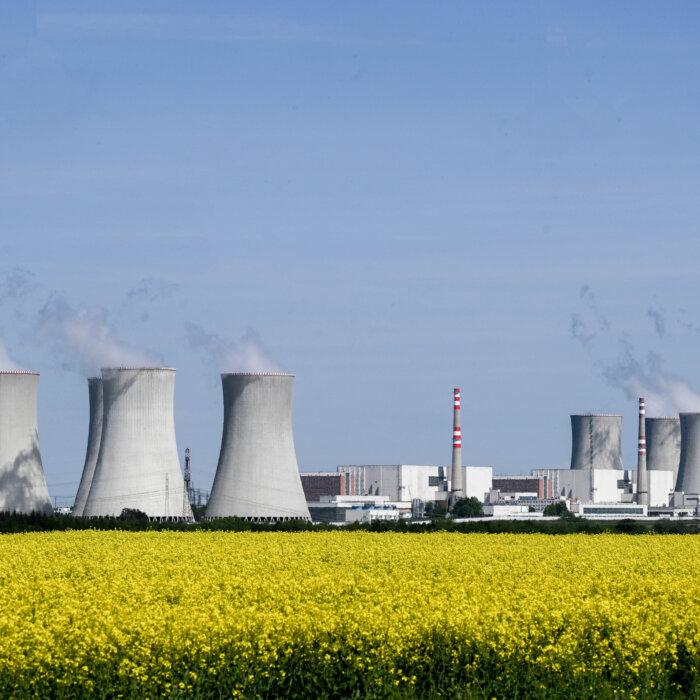

The legislation would implement recommendations from the Nuclear Regulatory Review 2025. The review concluded that the UK’s nuclear approval process had become excessively complex and contributed to some of the highest nuclear construction costs in the world.
Shift to Nuclear
The legislation was proposed as the UK attempts to strengthen energy resilience following several years of market instability linked to the war in Ukraine, disruptions in global shipping routes, and rising geopolitical tensions in the Middle East.
The agreement, known as the Atlantic Partnership for Advanced Nuclear Energy, expanded cooperation on advanced reactors, investment, and nuclear supply chains.
UK officials said at the time that the deal would support the construction of new nuclear projects and increase market access for both UK and American nuclear companies.
While the King’s Speech focused on legislation and regulatory restructuring inside the UK, the earlier UK–U.S. agreement established the international investment and technology partnerships needed to support that expansion.
France approved legislation in February expanding its nuclear program with plans to construct six new EPR2 reactors and potentially eight more in the future.
Regulation
The bill proposes a new Commission for Nuclear Regulation designed to coordinate oversight and reduce duplication between agencies.UK officials also pledged to increase the use of international standards and move toward what they described as a more “outcomes-focused” regulatory model.
The government said the reforms would maintain “world-class safety and environmental standards” while reducing delays and lowering costs over time.
“The current volatility in global fossil fuel markets underlines the benefit of homegrown nuclear electricity to Britain,” EDF Energy UK Chair Sir Alex Chisholm said in comments included in the briefing notes.
Chisholm said regulation should remain “timely, predictable and proportionate” and argued there was “no need to choose between protecting nature and the delivery of essential national infrastructure.”