The announcement comes after the STC’s seizure in December of two southern provinces from Saudi-backed forces, which involved taking control of the presidential palace in Aden, Yemen, a port city in the south. Members of Yemen’s internationally recognized government, previously based in Aden, fled to Riyadh, Saudi Arabia’s capital.
The head of the STC, Aidarous al-Zubaidi, released a video statement on Jan. 2 stating that the constitution his group created would remain in effect for two years, whereafter a referendum would take place on “exercising the right to self-determination for the people of the South.”
During those two years, he said, the “relevant parties” in north and south Yemen should discuss “a path and mechanisms that guarantee the right of the people of the South.”
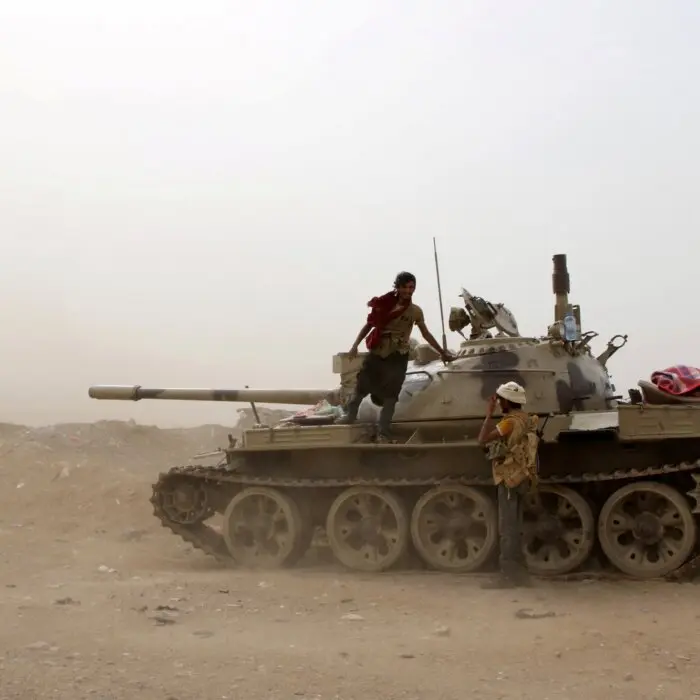

He said that if the other factions do not agree to his call or if they take military action, “all options remain open.”
Saudi Jets Strike
Saudi warplanes bombed camps and military positions held by the STC in Hadramout Province on Jan. 2 as Saudi-backed fighters tried to take over the facilities, a separatist official claimed. This represented the most recent Saudi intervention, following recent bombings of STC forces and an attack on what was portrayed as an Emirati weapons shipment for the separatists.Saudi Arabia and the UAE, as well as Yemeni allies, once formed part of a Saudi-led coalition in 2015 to combat Iranian-backed rebels from the Houthi terrorist group in control of northern Yemen. The coalition’s goal was to restore the internationally recognized government overthrown by the Houthis.
The UAE’s Foreign Ministry stated on Jan. 2 that the nation was acting “with restraint, coordination, and a deliberate commitment to de-escalation, guided by a foreign policy that consistently prioritizes regional stability over impulsive action.”
In Hadramout Province, Saudi-backed National Shield Forces moved on two STC camps, said Ahmed bin Breik, a senior STC official and former governor. Separatist forces did not withdraw, leading to Saudi airstrikes, he said.
Hadramout Province’s governor, Salem al-Khanbashi, appointed on Jan. 2 by the internationally recognized government to lead Saudi-led forces there, said the operation was “not a declaration of war and is not seeking an escalation.” He called it a “pre-emptive measure to remove weapons.”
The Saudi-led coalition demands that STC-tied Southern Shield forces withdraw from seized provinces, including Hadramout and Mahra, as part of de-escalation. The STC has not relinquished arms or camps.
Saudi Ambassador to Yemen Mohammed al-Jaber posted on X that the kingdom had run out of options with the STC to prevent escalation and urged withdrawal from Hadramout and Mahra provinces because of “continued intransigence and rejection from Aidarous al-Zubaidi.” He highlighted the fact that the STC, despite a previous agreement, stopped a Saudi delegation’s jet from landing in Aden.