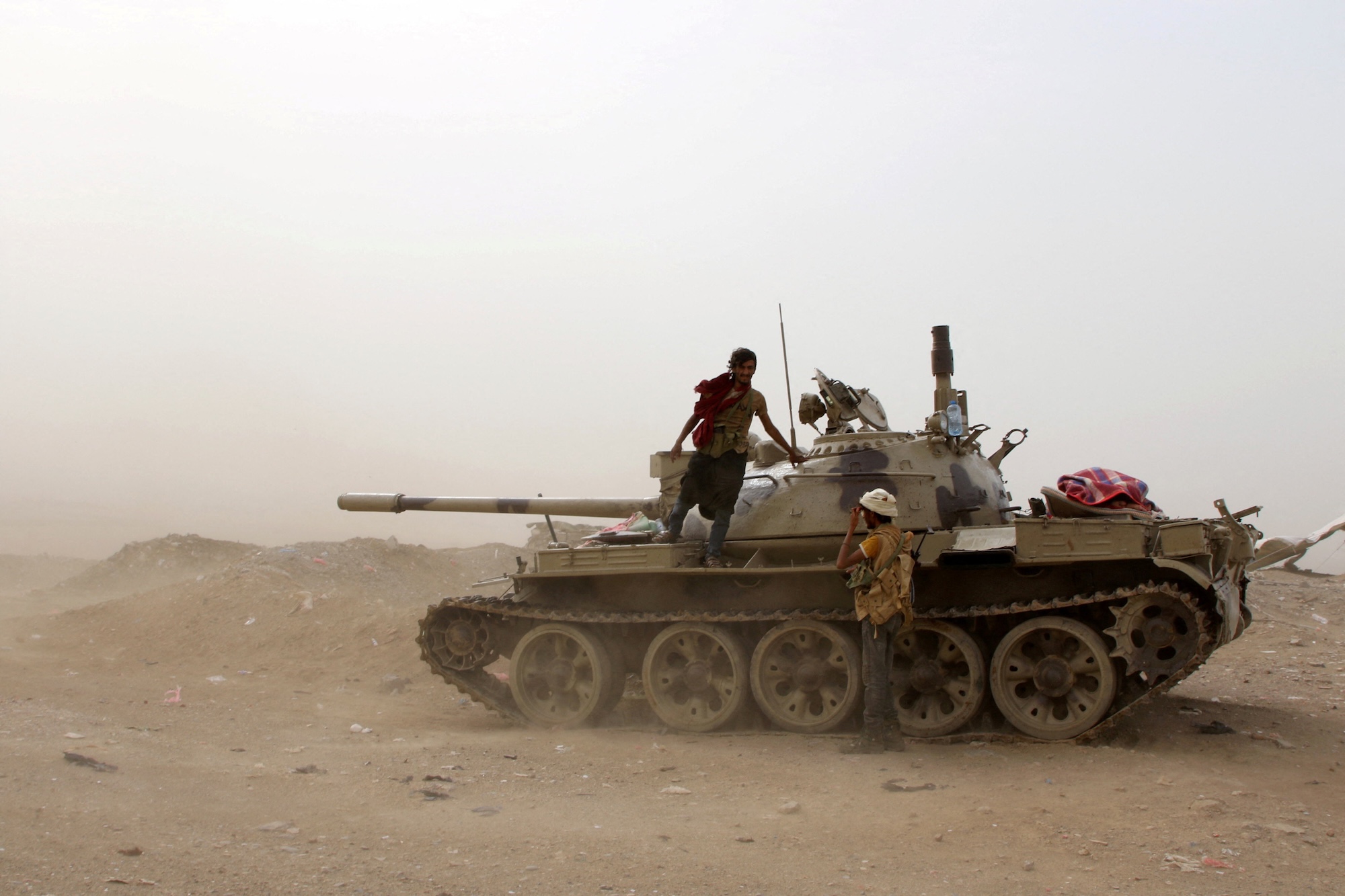

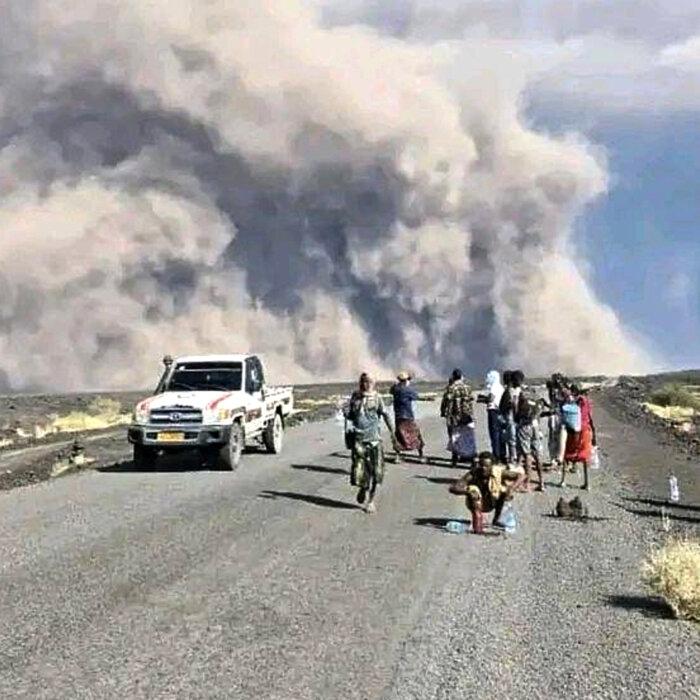
A Saudi airstrike on Yemen’s southern port city of Mukalla this week, which Riyadh said targeted a weapons shipment from the United Arab Emirates (UAE) to Yemeni separatist forces, marked a major escalation of tensions between Saudi Arabia and the UAE, widely regarded as the Gulf’s two most powerful states.
From Unified Front to Strategic Rivalry
The modern Saudi–UAE partnership was forged during the upheavals of the 2011 Arab Spring, when both countries moved aggressively to counter Islamist movements they viewed as existential threats. They deployed joint forces to Bahrain to suppress unrest and later coordinated support for Egypt’s 2013 military overthrow of the Muslim Brotherhood government.That alignment deepened in 2015, when Riyadh and Abu Dhabi launched a joint military intervention in Yemen after the Iran-aligned Houthis seized the capital, Sanaa, forcing the internationally recognized government into exile. Saudi Arabia provided air power, while Emirati forces spearheaded ground operations in the south.
The partnership appeared strongest in 2017, when both led a regional boycott of Qatar amid allegations that Doha was supporting terrorism. Amid the boycott, Saudi Crown Prince Mohammed bin Salman and UAE leader Sheikh Mohammed bin Zayed emerged as closely aligned regional power brokers.
“Since its independence in 1971, the UAE’s relations with Saudi Arabia were plagued by mistrust that was the product of a long history of conflict during the eighteenth and nineteenth centuries, as well [as] the legacy of mutual suspicion that was rooted in a longstanding territorial dispute over the Buraimi Oasis,” Friedman wrote.

“Nevertheless, in recent years, a shared threat perception and a new generation of leadership have led the two states to build a stronger foundation for future coordination and collaboration.”
The strong working relationship between the leaders of the UAE and Saudi Arabia, Friedman wrote, contributed to a deepening of the two states’ military coordination in Libya, Syria, and Yemen.
“The UAE’s multidimensional involvement in Libya has received strong political backing and diplomatic support from Saudi Arabia, owing to their shared interests in preventing an Islamist government in Libya and limiting Qatar’s regional influence,” Friedman wrote.
“This was made most clear through the establishment of a joint Saudi–UAE high-level committee focused on coordinating regional efforts, with Libya said to be ’topping the agenda.'”
Saudi–UAE Partnership Frays in Yemen
Cracks in relations between the two Gulf allies began to show in 2018, when Saudi Arabia gave its full backing to the internationally recognized Hadi government in Yemen and the UAE started funding a network of local proxy militias whose aims diverged from those of the Yemeni government.In 2019, the UAE drew most of its troops from Yemen as part of a “strategic redeployment,” recalibrating its strategy while maintaining influence through local proxies. Saudi Arabia, meanwhile, remained deeply engaged in a costly and inconclusive war against the Houthi terrorist group.
At the time, the UAE threw its weight behind the Southern Transitional Council (STC), a powerful separatist organization that seeks to restore an independent South Yemen.
“The UAE’s support of the STC undermined both the Saudi-led coalition’s war effort and the legitimacy of the Saudi-backed Hadi government, placing Abu Dhabi and Riyadh at loggerheads,” Baabood wrote, noting that UAE backing for the STC enabled the secessionist faction to wrest control of the key port city of Aden from the Hadi government several times before returning control of the city to the government at Saudi Arabia’s request.
Economic and Diplomatic Competition
Beyond Yemen, Saudi–UAE ties were increasingly strained by economic rivalry. In 2021, Riyadh challenged Dubai’s role as the region’s commercial hub, requiring foreign companies to relocate regional headquarters to Saudi Arabia or risk losing state contracts. That same year, a rare public dispute erupted at OPEC—of which the two states are both members—when the UAE blocked a Saudi-backed oil deal, demanding a higher production baseline.Diplomatically, the UAE moved faster than Saudi Arabia in normalizing ties with Israel under the 2020 Abraham Accords, giving Abu Dhabi a unique channel to Washington that Riyadh, constrained by its role as custodian of Islam’s holiest sites, chose not to pursue.
Differences also surfaced elsewhere. In Sudan’s civil war, Saudi Arabia hosted cease-fire talks backing the national army while U.N. experts accused the UAE of supporting the rival Rapid Support Forces, allegations Abu Dhabi denies. Across the Red Sea region, the two states increasingly found themselves at odds, backing different actors in overlapping conflicts.
Tensions escalated further this month when UAE-backed STC forces advanced across southern Yemen, seizing facilities in Yemen’s oil-rich province of Hadramout, where Saudi-backed forces had previously held sway. The STC and allied forces now control much of southern Yemen, including key ports, islands, and energy infrastructure.
Riyadh followed the strike by backing a demand that Emirati forces leave Yemen within 24 hours and warning that Saudi Arabia’s national security remained an inviolable “red line.” Hours later, the UAE said it would withdraw its remaining forces from the country, while rejecting Saudi claims that the shipment contained weapons or was intended for Yemeni factions.