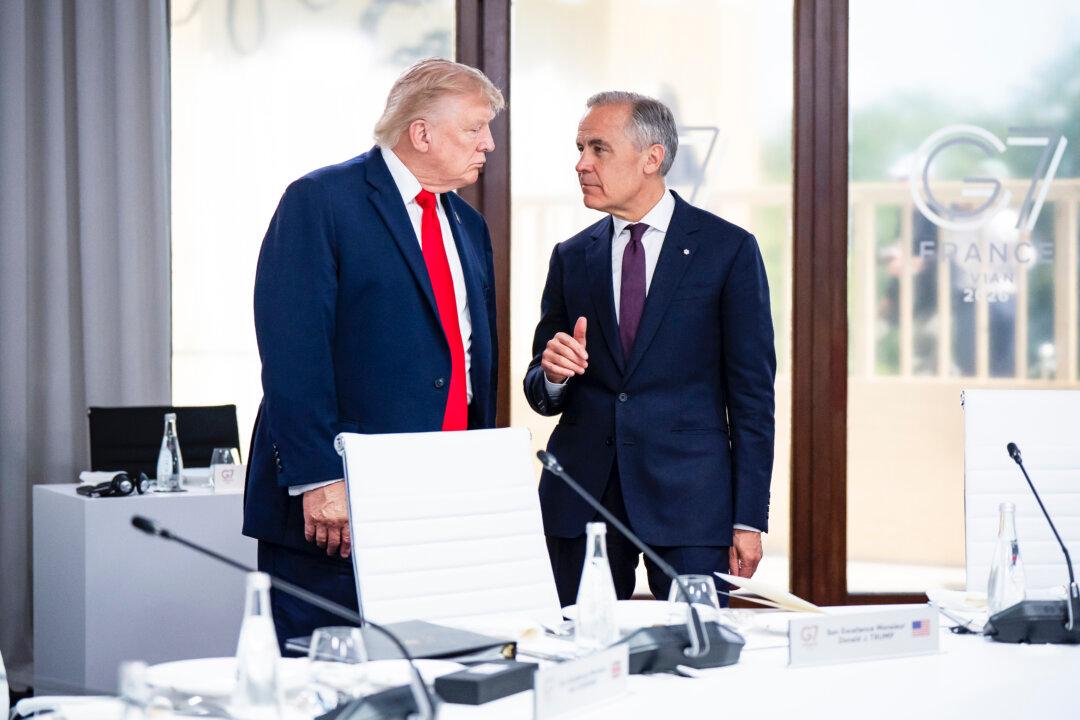
The chief negotiator for the United States on North American free trade said Canada’s policy on China explains in part why the continental trade agreement was not renewed this week.
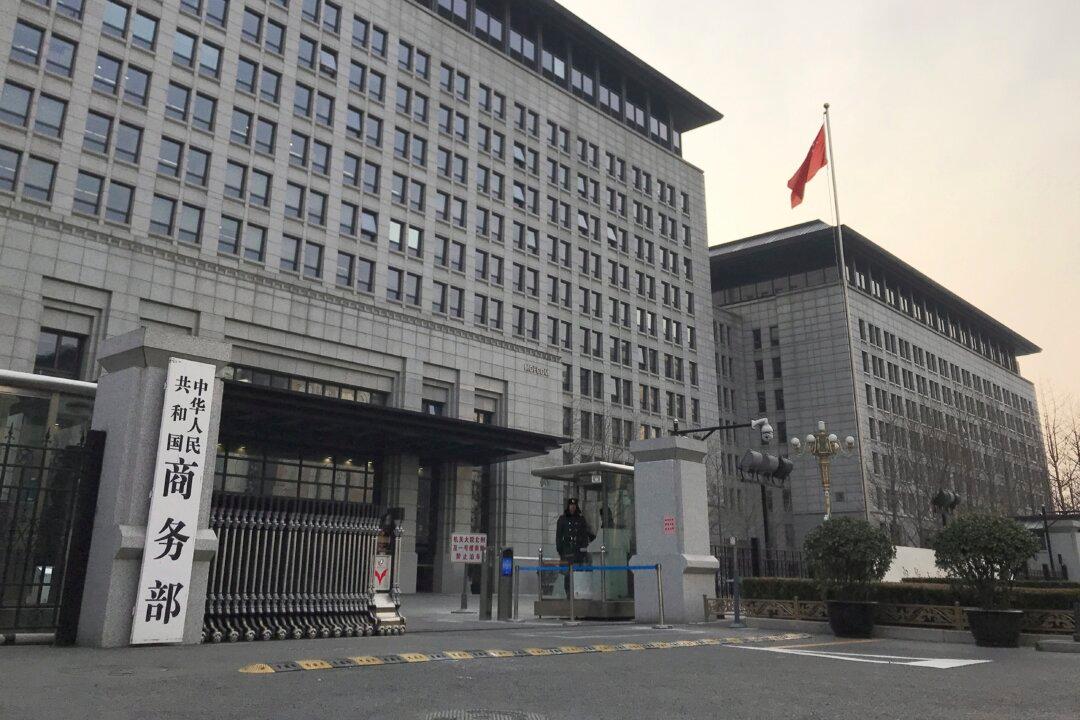
United States Trade Representative Jamieson Greer specifically identified Ottawa’s deal with Beijing to bring in Chinese electric vehicles (EVs) and investments for their production in Canada.
Greer made the comments a day after he met virtually with Canada-U.S. Trade Minister Dominic LeBlanc and Mexico Secretary of Economy Marcelo Ebrard for the July 1 review of CUSMA.
The absence of renewal means CUSMA will remain in force with annual reviews until 2036, or for longer if the parties agree to an extension. One party could also withdraw from the pact after giving six months’ notice.
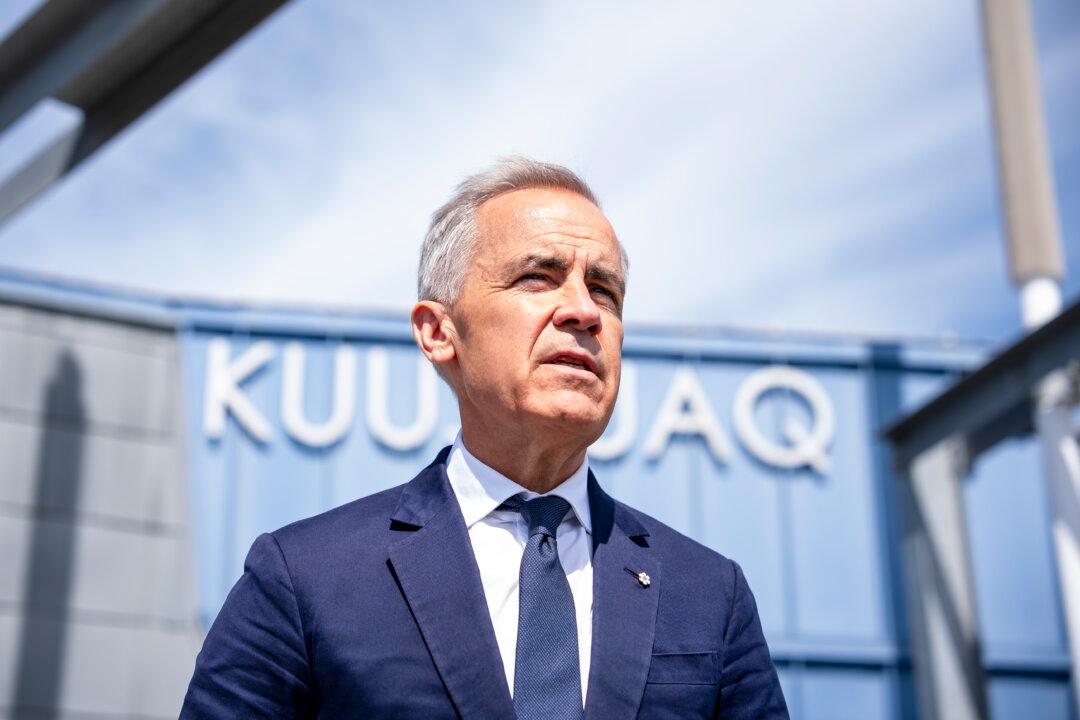
Greer’s concerns about Canada’s China policies refer to a deal made by Prime Minister Mark Carney when visiting Beijing in January. Carney agreed to drop the 100 percent tariff on Chinese EVs to 6.1 percent on 278,989 units over five years.
“The China deal is a disaster for them. Will go down as one of the worst deals, of any kind, in history,” he said.
“I was explaining the actual structure of the deal… He likes the structure,” Carney told reporters afterwards.
Along with bringing in Chinese EVs, the Carney government is seeking investments in Canada from Chinese carmakers. Two cabinet ministers have met with Chinese car companies in recent weeks.
Joly said the four conditions for Chinese carmakers to establish production in Canada include that the joint ventures must be majority Canadian-owned, labour standards must be at the Canadian level, supply chains have to be local, and there must be safeguards around software and data security.
‘Don’t Fit’ Well
Greer’s comments about Canada being “totally at odds” with policies pursued by the United States echo what he said during congressional testimony in April.Greer told U.S. lawmakers at the time that the economic models of Canada and the United States “don’t fit together very well.”
“They’re doubling down on globalization when we’re trying to correct for the problems of globalization,” he said.
The Carney government says it aims to double non-U.S. exports over the next decade as it pursues trade diversification in light of U.S. tariffs. Carney has touted multiple international deals with that purpose.
Along with Canada’s China policy and its economic approach, Greer identified other trade irritants in comments to Global News.
The United States has longstanding grievances with the supply management system for dairy and poultry products, and its opposition to Canada taxing U.S. tech companies is well established. Greer said these irritants are “a little hard to get past.”
“We have seen the Canadians threaten some actions on digital. They’ve paused on that for a variety of reasons. Obviously that’s good, it’s good not to do something you shouldn’t have done to begin with,” he said.
Canada pledged to rescind its nascent Digital Services Tax in June last year to facilitate trade talks. The tax was fully repealed in March of this year.