U.S. President Donald Trump said Wednesday that the ceasefire with Iran is effectively over but that he will allow negotiations between Washington and Tehran to continue.
“For me, I think it’s over,” Trump responded when asked by reporters about the status of the ceasefire, which was extended when the two sides signed a memorandum of understanding last month to give a window for talks on a broader U.S.–Iran peace deal.
“It’s just a waste of time dealing with them,” Trump added, with his remarks coming on the sidelines of the two-day NATO summit in Ankara, Turkey, just hours after U.S. forces struck Iranian targets in what the United States described as retaliation for attacks on tankers in the Strait of Hormuz.
Trump added that American representatives can continue to talk with Iranian negotiators, but he cast doubt on the prospects of a successful outcome.
“They can talk, but I think they’re wasting their time,” Trump said.
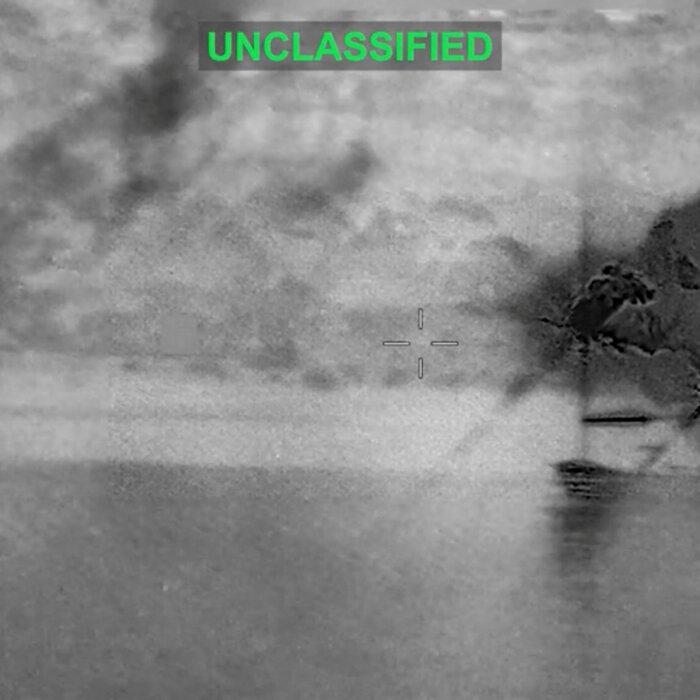
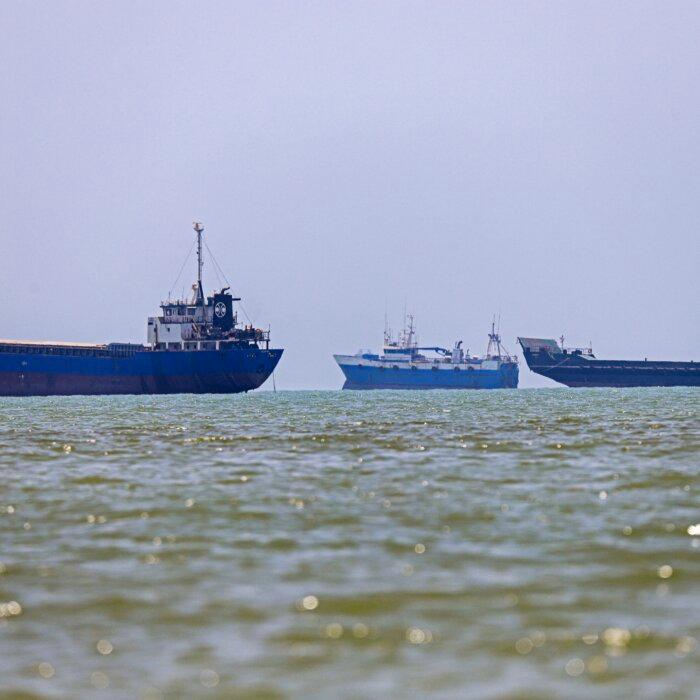
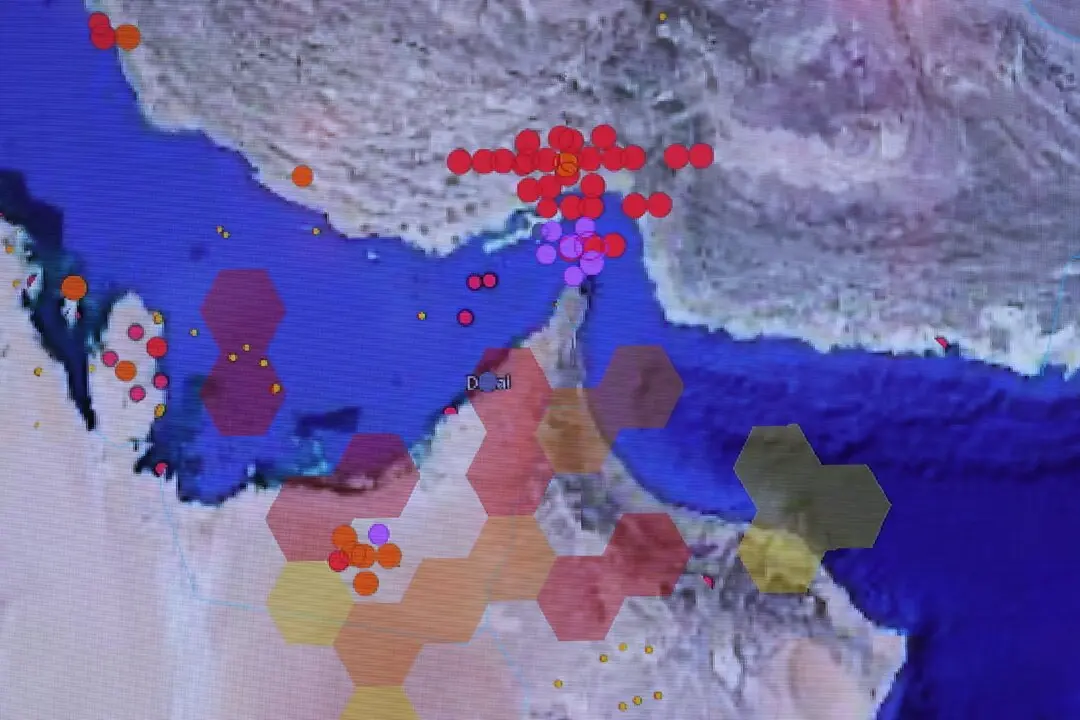
In response, Iran’s Revolutionary Guard Corps said it targeted 85 key U.S. military sites in Bahrain and Kuwait on July 8, while Iran’s state-run news agency stated that Tehran would continue “maintaining restrictions on navigation” in Hormuz.
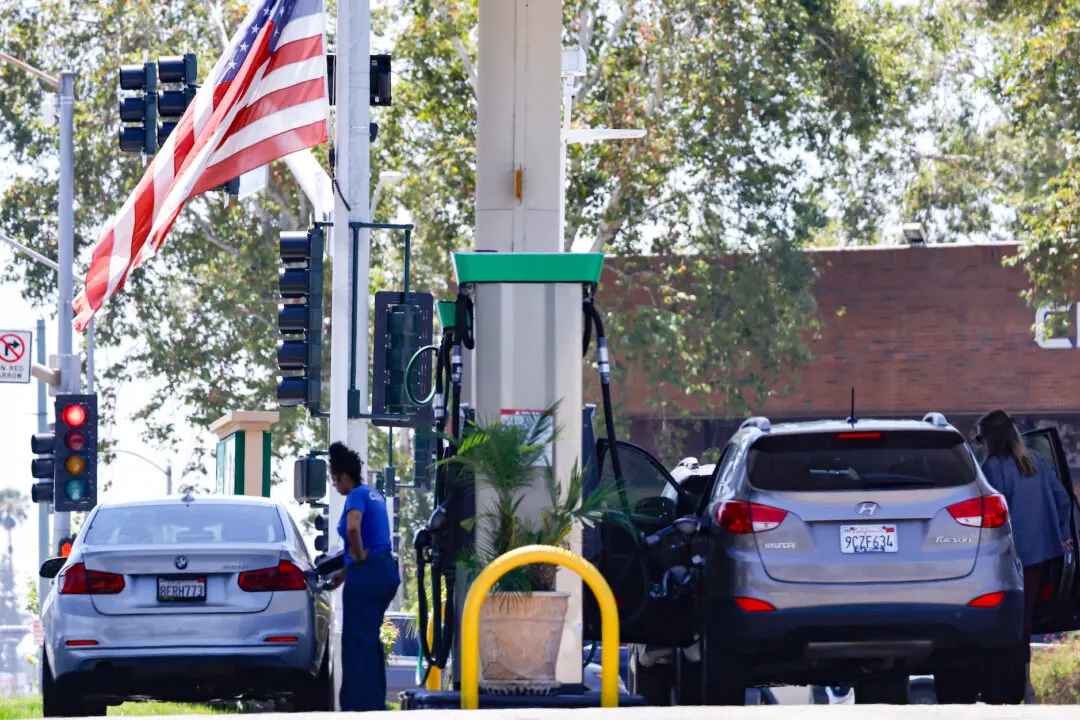
Brent crude oil prices jumped around 5 percent after Trump’s remarks to over $78 per barrel before extending gains later in the session.
Trump Suggests Diplomacy Has Little Chance
Trump’s comments marked his clearest indication yet that he sees the U.S.–Iran memorandum of understanding as basically defunct, even if formal diplomatic contacts continue.
“As far as I’m concerned, it’s over,” Trump said, adding that while special envoy Steve Witkoff and Jared Kushner could continue engaging Iranian negotiators, “they have to come back to me.”
“I think they’re wasting their time. They’re a bunch of lying guys,” Trump said, accusing Iranian officials of repeatedly reneging on understandings reached during negotiations.
Trump said Iran had repeatedly agreed in private discussions not to pursue nuclear weapons, only to publicly deny those commitments afterward.
“We make a deal ... everyone’s agreed, no nuclear weapons ... they go outside, talk to the press, they say we never even talked about it,” Trump said. “They’re liars. They’re cheats. They’re sick people.”
Trump also defended Tuesday night’s military operation, saying Washington had warned Tehran to focus on funeral proceedings rather than military action before Iran launched attacks against commercial shipping.
“We attacked very powerfully last night,” Trump said, adding that the United States had responded “20 to 120 times tougher” than Iran’s attacks.
Tehran Condemns U.S. Strikes
There was no immediate reaction in Iran to Trump’s latest remarks. A period of national mourning is underway in the country following the funeral of Iranian Supreme Leader Ayatollah Ali Khamenei, who was killed at the start of the war.
Iranian officials condemned Tuesday’s U.S. strikes, saying they violated both the ceasefire and the memorandum of understanding reached last month.
Iran’s Foreign Ministry similarly described the U.S. operation as a “flagrant violation” of the memorandum of understanding and warned of “dangerous consequences” resulting from what it characterized as an American escalation.
The ministry also warned neighboring Gulf states against assisting U.S. military operations.
“Any cooperation in committing the crime of aggression against Iran amounts to complicity and participation in that crime,” the ministry said, adding that governments in the Persian Gulf have an international legal obligation not to allow their territories or facilities to be used for hostile actions against Iran.
Escalation Jolts Oil Markets
Oil markets reacted sharply as investors weighed the possibility that the unwinding of diplomatic progress could trigger renewed disruptions to global energy supplies.
By early U.S. trading, Brent crude futures had climbed more than 6 percent to roughly $78.70 per barrel, while U.S. West Texas Intermediate crude rose about 6 percent to around $74.70, leaving both benchmarks at their highest levels since late June.
An analysts said Trump’s declaration that the memorandum of understanding was effectively over raised the risk of escalation and further disruption of energy flows.
“Trump’s assertion that the MOU is over raises the prospect of a re-closing of the Strait as an escalatory cycle begins again,” said Sauk Kavonic, head of research at MST Marquee.
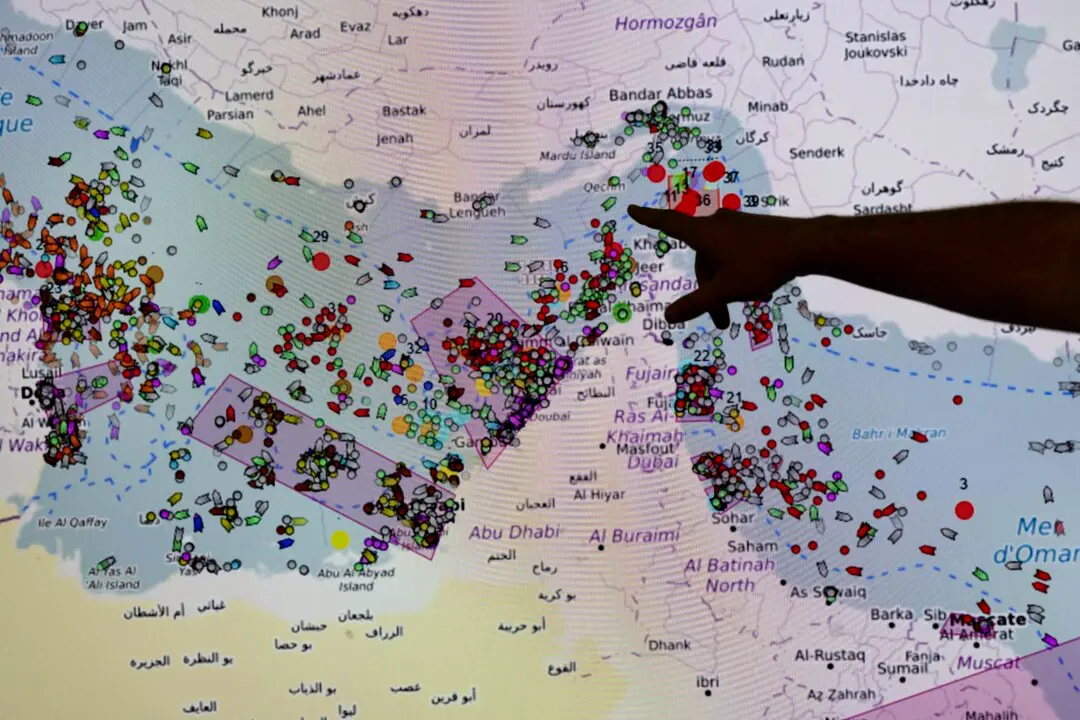
Ship-tracking data showed that at least four oil and gas tankers turned back after attempting to transit the Strait following the latest attacks on commercial vessels, which heightened security concerns.