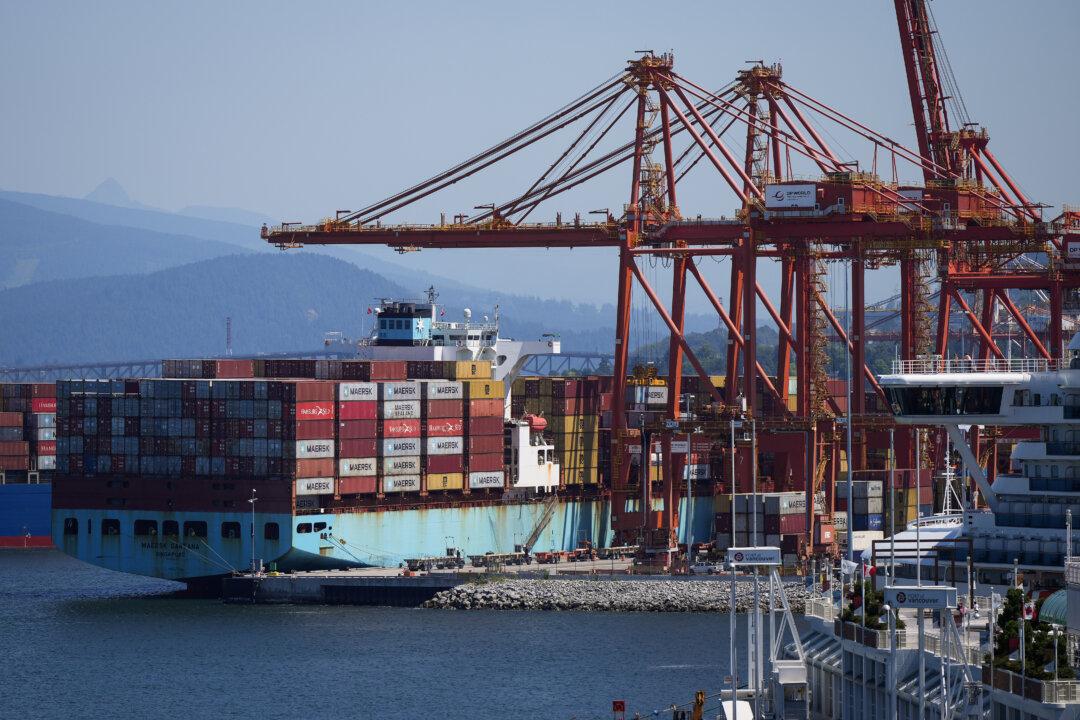
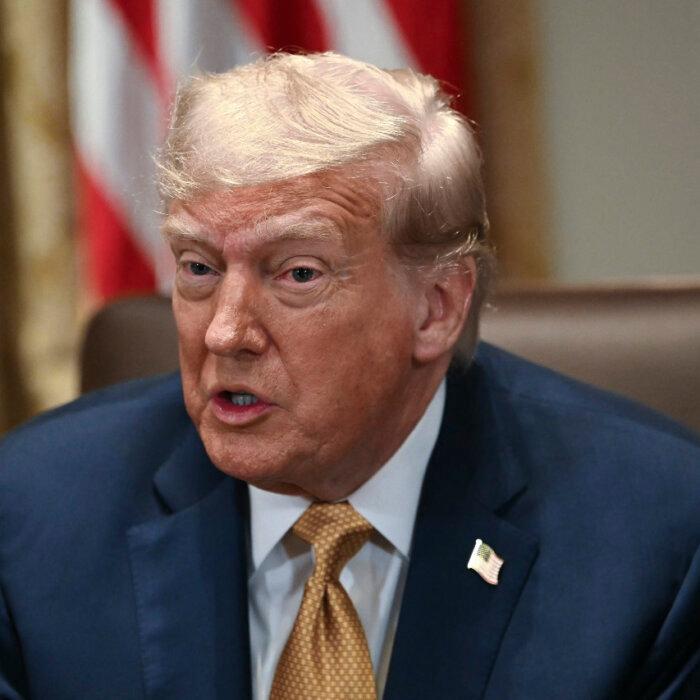
U.S. President Donald Trump said July 8 that he plans to put a 50 percent tariff on copper imports into the United States. With the U.S. market accounting for over half of Canada’s copper exports, the tariffs could have a significant impact on the Canadian copper industry.
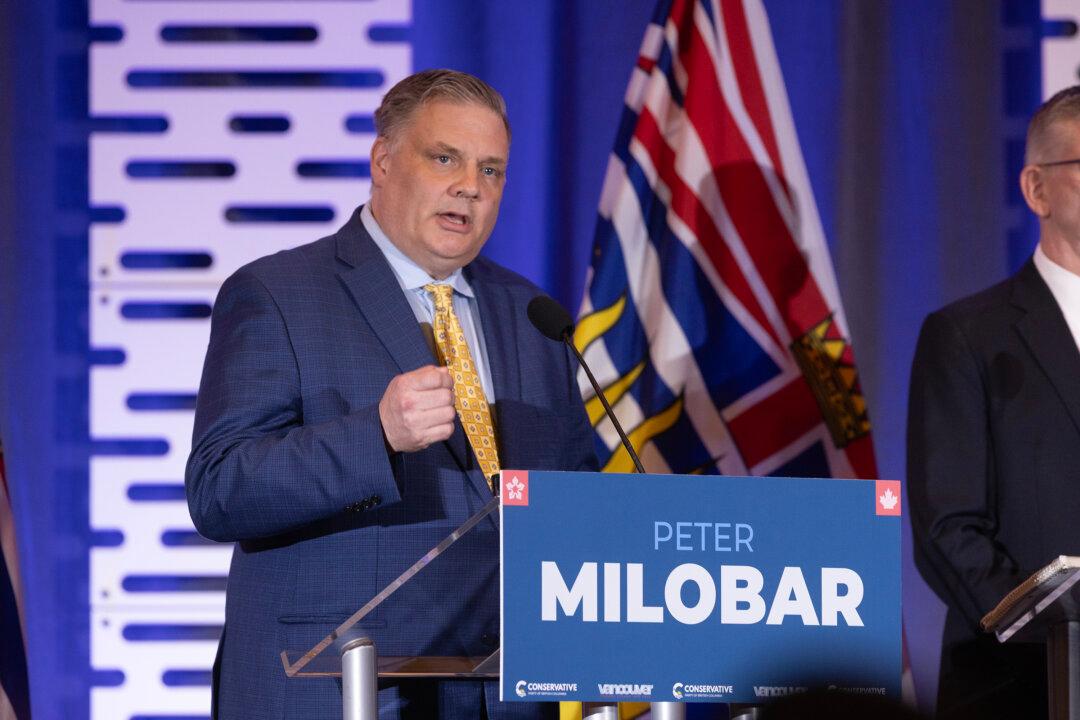
Trump’s announcement is “very concerning” for Quebec’s copper industry, ” said Pierre Gratton, CEO of the Mining Association of Canada, in an email to The Epoch Times.
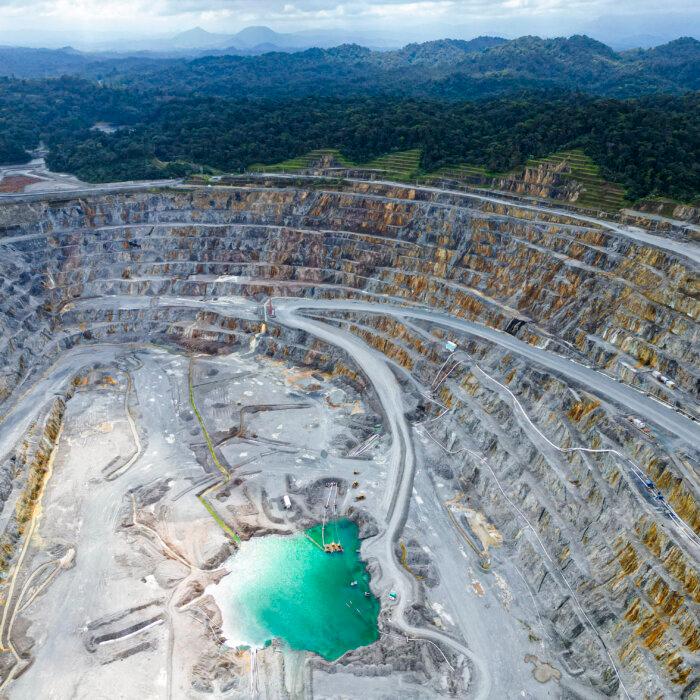
The world’s largest copper producers are Chile, the Democratic Republic of Congo, Peru, and China.
Canada is currently subject to a 25 percent tariff on all products that don’t fall under the United States-Mexico-Canada Trade agreement. It has also been hit with blanket 50 percent tariffs on steel and aluminum. The premiers of Ontario and Quebec, Canada’s major metal producers, say the tariffs are having a major negative impact on their economies, leading to job losses.
“The U.S. was a destination market for 6.5 million tonnes of Canadian steel,“ Canadian Steel Producers Association CEO Catherine Cobden said on June 26. ”Consequently, we have significantly dropped shipments and have experienced close to one thousand job losses to date and are preparing for thousands more.”
“Copper smelters are actually shutting down around the world because there’s no business, and so Canada will not be able to switch,” Lifton told The Epoch Times.
US-Canada Negotiations Ongoing
The threat of copper tariffs comes amid ongoing trade negotiations between Canada and the United States, with Prime Minister Mark Carney warning in May that more “unjustified” tariffs could be coming.On the same day Trump announced the potential copper tariffs, he also said tariffs on pharmaceuticals could reach up to 200 percent.
The mining association’s Gratton says it remains to be seen whether copper will be part of the negotiations with the United States.
“We need to find out what this means, whether our trade talks include copper, and how it will be applied,” he said.
Canada cancelled its digital services tax on June 29, two days after Trump said he would end trade negotiations due to the levy, which applied to U.S.-based tech companies such as Amazon, Google, and Netflix.
From Proposal to Policy
Trump has used the threat of tariffs as a bargaining tool with the stated aim of ensuring the United States is treated fairly in having access to foreign markets, and for incentivizing companies to engage in “onshoring” and moving operations to the United States.“[The tariff] doesn’t take into account the enormous amount of time to bring projects to production. And then it’s not about just producing copper,” Lifton said. “We have to have the capacity in the United States to change that copper ore to wire, and this is a multiple step supply chain, and I don’t know that we have that existing capacity.”
Lifton said the United States has two large copper projects under development in Arizona and Alaska, but that getting copper ore to the stage of producing wire and usable copper for industry will take two to five years.
“I have to assume that the purpose of this tariff is somehow to negotiate a price,” Lifton said.
In February, Trump ordered a Section 232 review of copper imports, allowing him to put tariffs in place if they’re determined to be necessary to protect national security. Copper is key in the production of electronics, computer chips, industrial machinery, and cars, as well as military technology and telecommunications.
U.S. Commerce Secretary Howard Lutnick has said the purpose of the proposed copper tariffs is to increase domestic production.
“With pharmaceuticals and semiconductors, those studies are being completed at the end of the month, and so the president will then set his policies then, and I’m going to let him wait to decide how he’s going to do it,” Lutnick told CNBC.