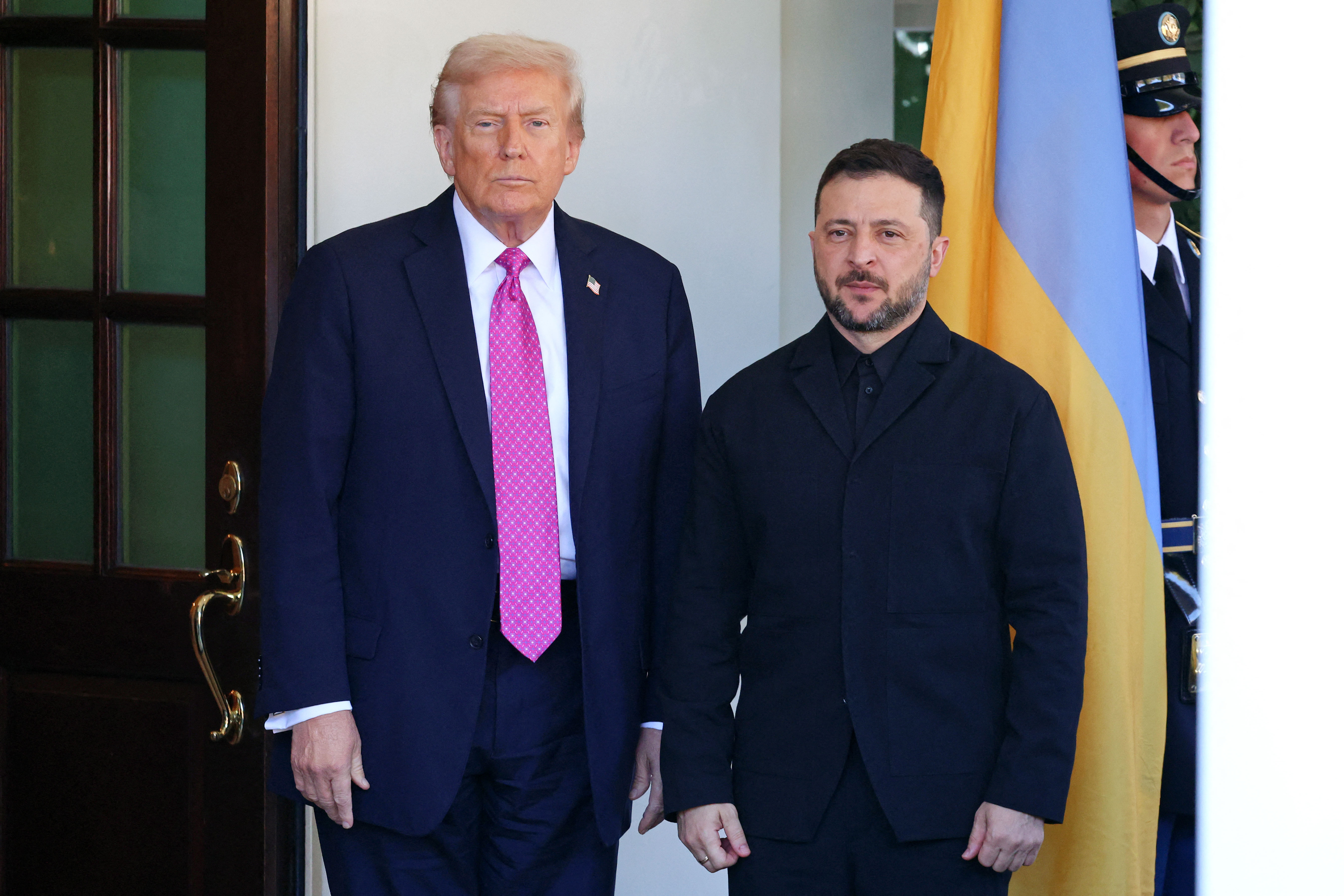

The Trump administration confirmed on Nov. 20 that it had been working on a peace plan to bring an end to the war between Ukraine and Russia. The statement came after numerous media reports of a leaked proposal began circulating.
What Is in the plan?
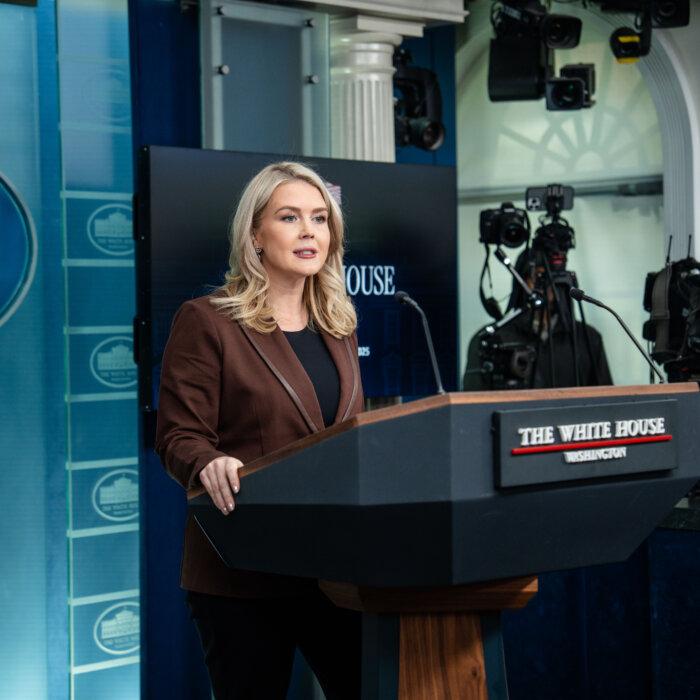
The plan was drafted by Special Envoy for Peace Missions Steve Witkoff and Secretary of State Marco Rubio, who have been working on it “quietly” for the past month, White House press secretary Karoline Leavitt told a news briefing.It has 28 points, according to The Associated Press, covering an array of topics, including territory, the military, future international relations, post-war reconstruction funding, and internal politics.
The first three points confirm Ukraine’s sovereignty, a comprehensive non-aggression agreement to be concluded between Russia, Ukraine, and Europe, and the expectation that Russia will cease invading its neighbors, and an end to NATO expansion.
However, the parts of the plan that have sparked the most controversy are that Ukraine will cede the regions of Crimea, Luhansk, and Donetsk to Russia, and that Kherson and Zaporizhzhia will be frozen along the line of contact, meaning de facto recognition.
The plan also includes the provision that Ukraine will enshrine in its constitution that it will not join NATO, and the alliance will include in its statutes a provision that Ukraine will not be admitted in the future; Kyiv, however, would still have the opportunity to join the European Union, should it meet the entry requirements.
Both these points are diametrically opposed to the previously stated aims of both Ukraine and numerous NATO member states.
How Has Ukraine Responded?
“Now is one of the most difficult moments of our history. Now, the pressure on Ukraine is one of the heaviest. Now, Ukraine can face a very difficult choice—either losing dignity or risk losing a major partner,” Ukrainian President Volodymyr Zelenskyy said in an address to the nation on Nov. 21.“Either 28 difficult points (of the framework), or an extremely harsh winter—the harshest ever—and further risks. Life without freedom, without dignity, without justice.”
Zelenskyy went on to say that Ukraine “will work calmly with America and all our partners,” and seek “constructive solutions.”
Umerov, however, said on Friday he had not discussed the plan or its terms, as he had no authority to do so.
Additionally, Ukrainian lawmaker Oleksiy Goncharenko said that the United States had threatened to stop arms supplies and intelligence sharing if Kyiv did not sign the plan by Nov. 27.
How Has Europe Responded?
Earlier in the day, Zelenskyy said he had discussed the plan with French President Emmanuel Macron, British Prime Minister Keir Starmer, and German Chancellor Friedrich Merz.Following the call, Starmer said Ukraine must be allowed to determine its own matters.
“The contact line must remain the basis for any talks,” he added.
EU foreign policy chief Kaja Kallas said that neither Brussels nor Kyiv would give in to Russian aggression.
“This is a very dangerous moment for all”, Kallas said.