Three months after Australia’s under-16 social media ban began, more than 85 percent of surveyed teenagers were still using restricted platforms, with researchers finding no clear evidence the law had significantly reduced use.
The study, published in the British Medical Journal, found no “immediate substantive reductions” in adolescents’ access to platforms affected by the restrictions.
The researchers surveyed 436 young people aged between 12 and 16 immediately before the ban was introduced and again about three months afterwards.
Participants were asked how many days in the previous week they had accessed restricted social media platforms and how much time they spent using them.
The law, which came into force in December of 2025, required social media sites such as TikTok, X, Facebook, Instagram, YouTube, Snapchat, Reddit, and Twitch to check the age of Australian users and ban those aged under 16.
Majority Still Access Social Media
More than 85 percent of participants reported using one or more of the restricted social media platforms three months after the law was introduced, with the majority continuing to use their own accounts.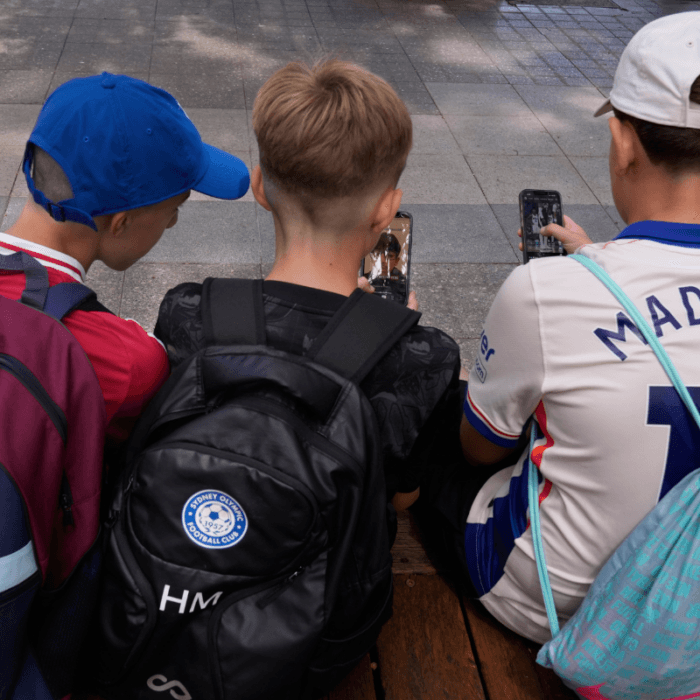

Around two-thirds of that group reported they had encountered age-verification measures, with the most common method involving users declaring their age. Some platforms required users to provide a photograph or use facial analysis technology to estimate their age.
Daily social media use remained largely unchanged among 12 and 13-year-olds.
Among 14 and 15-year-olds, the proportion using social media every day fell from 78 percent before the restrictions to 69 percent afterward.
However, researchers said the overall changes were not large enough to conclude that the legislation had reduced social media use among under-16s.
A statistical analysis designed to identify behavioural change at the age threshold created by the law found insufficient evidence of a significant reduction.
“Social media use is ubiquitous and habitual among adolescents and serves core social functions, including supporting peer interaction, identity formation, and social connectedness,” the researchers concluded.
Teenagers Report Attempts to Bypass Restrictions
The study found some teenagers had attempted to avoid the restrictions.Between 15 and 19 percent of participants, depending on age group, reported using a fake account, while between 6 and 11 percent said they had accessed social media through private browsing tools.
The researchers cautioned that the study examined only the first few months after the law took effect and that longer-term effects may emerge as platforms strengthen enforcement measures.
“The intent of the Act was to reduce (or delay) exposure to online mental health and other harms and support healthier development during adolescence,” the researchers said.
“As we found little difference in social media use, such outcomes are unlikely, particularly in the short term, given the [delay] between reductions in exposure to social media and any improvements in health and wellbeing.
“Substantive and sustained reductions in exposure to social media use will be needed if these ambitions are to be achieved.”