British Prime Minister Sir Keir Starmer said on May 4 that there needs to be a stronger European element in NATO, as the United States reconsiders its relationship with the defense alliance and pivots toward other security priorities domestically and globally.
Starmer acknowledged during a panel discussion at the European Political Community summit in Yerevan, Armenia, that, in terms of defense and security, Europe has “got behind over many years, now.”
“We’re not where we need to be,” he said.
The British prime minister alluded to the impact of the Ukraine–Russia war and, more recently, the Iran conflict on global security and economic stability, saying that Europe, especially, had to come together around these issues.
“There needs to be a stronger European element in NATO. I have no doubt about that,” he said.
Starmer said that while there needed to be a stronger European element in defense and security, “we’ve been behind the curve for too long: over dependencies, over reliance, and assumptions about the world that we live in—they’ve gone.”
“We now need to lead out of this, and we need to do it at pace because these impacts are real,” Starmer said.
US Reorients Defense Priorities
U.S. President Donald Trump has long maintained that Europe should rely less on the United States for its security and that European NATO allies should increase their defense spending. This approach was formally accepted by NATO when, in June 2025, allies agreed to raise defense spending targets from 2 percent of gross domestic product to 5 percent by 2035.The United States has also reoriented its defense and security priorities.
Tension Over Support in Iran Conflict
In recent weeks, Trump has expressed frustration with the lack of support from NATO allies during the Iran war, prompting him to consider pulling out of the alliance.The president’s remarks followed similar comments from Secretary of State Marco Rubio.
Rubio said on March 30 that one of the benefits of U.S. membership in the alliance is that it gives Washington access to station troops, aircraft, and arms in other parts of the world—including much of Europe.
Rubio said that while he supported NATO, his backing of the alliance was based on the assumption that there are reciprocal arrangements.
“But if NATO is just about us defending Europe if they’re attacked, but then denying us basing rights when we need them, that’s not a very good arrangement,” he said.
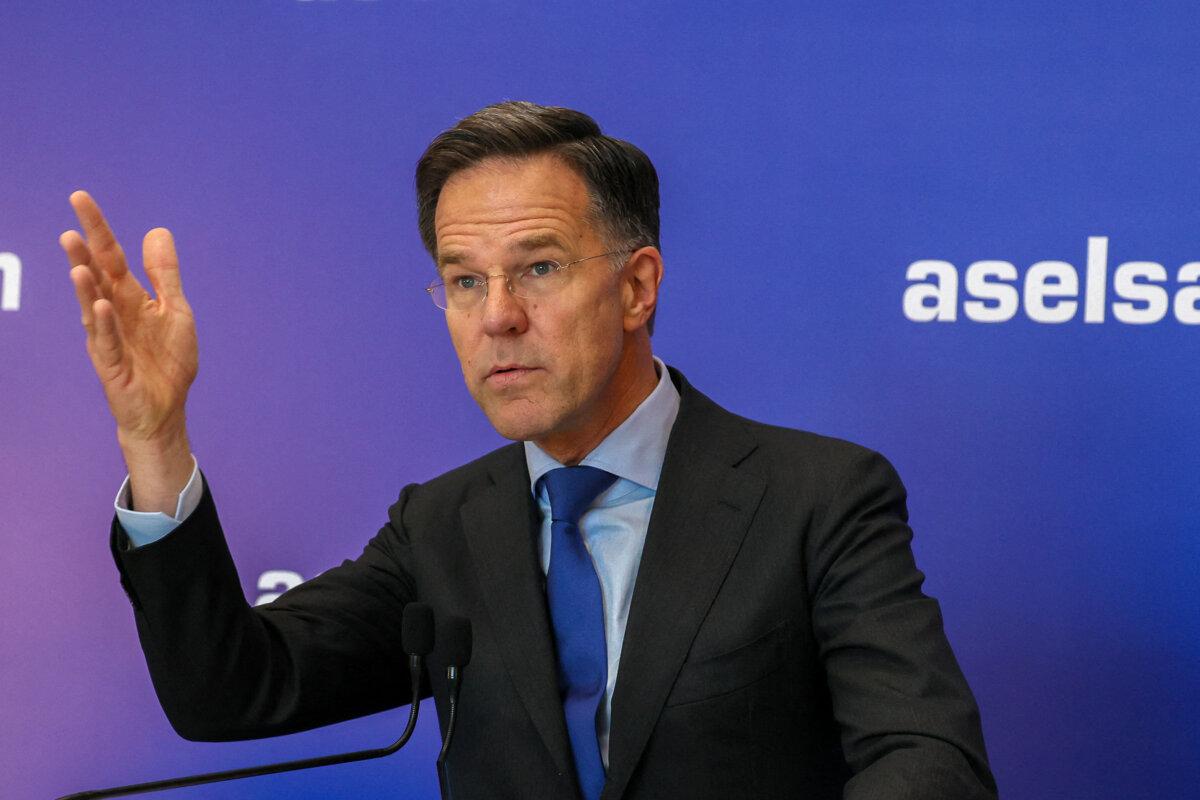
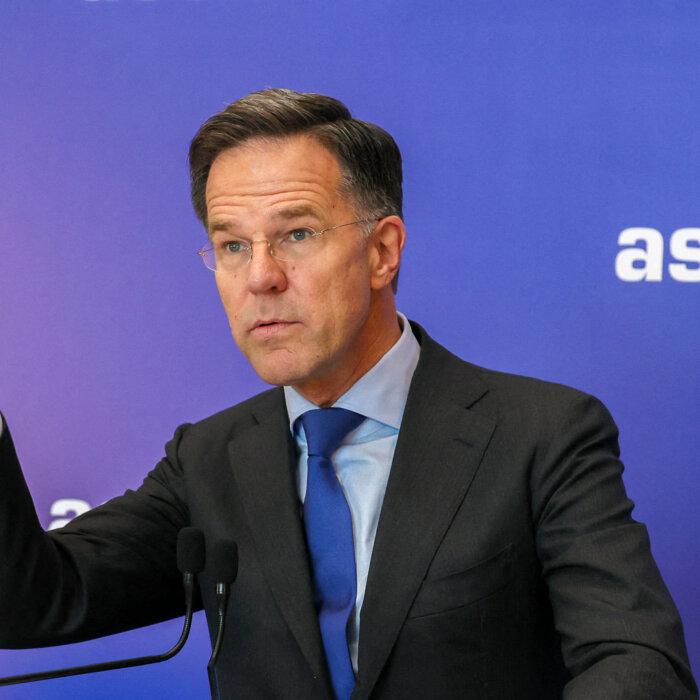
This week, NATO Secretary-General Mark Rutte said that NATO members had received Trump’s message about agreements allowing the United States to access European bases.
“They are now making sure that all the bilateral basing agreements are being implemented.”