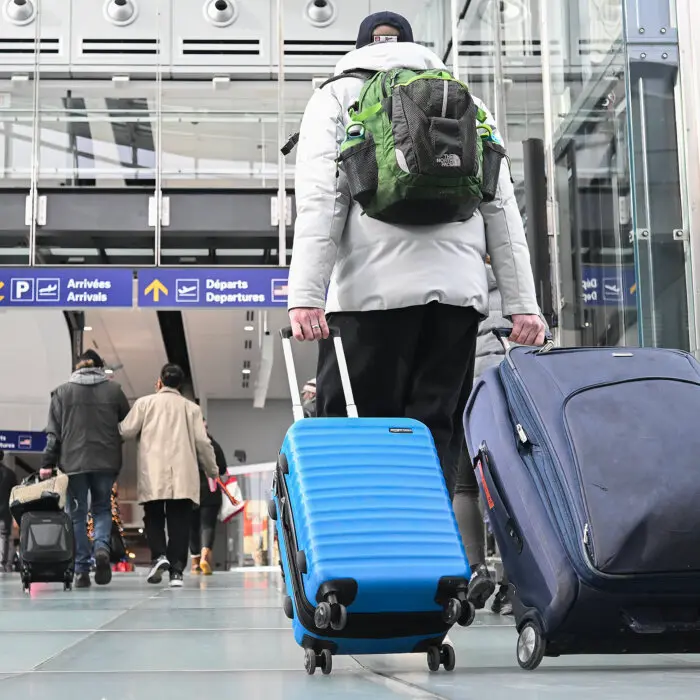
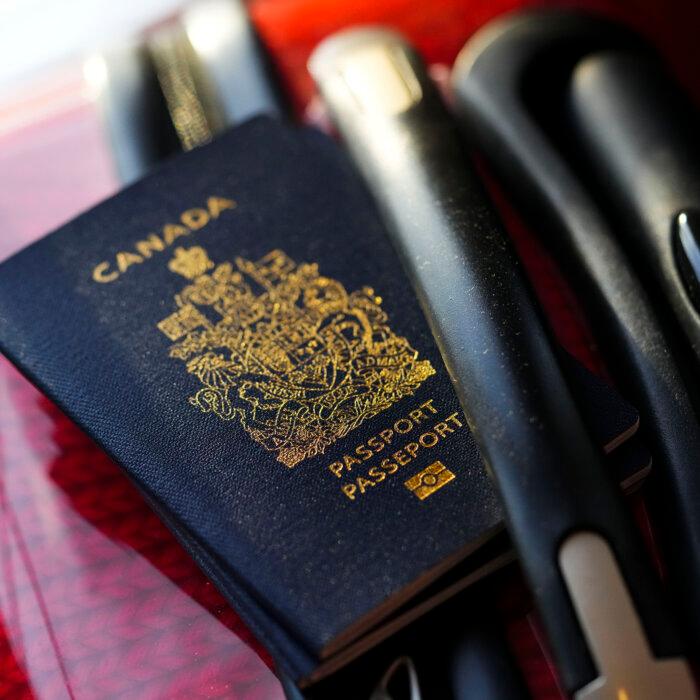
A growing number of natural-born Canadians are applying for second—and sometimes third or fourth—passports, even though they have no immediate plans to travel.
Many say they want a “Plan B” passport: another citizenship that would give them the option to relocate if political, economic, or personal circumstances change.
Industry experts interviewed by The Epoch Times say interest in acquiring additional citizenships has risen sharply since the COVID-19 pandemic, with recent demand also fuelled by concerns about taxation, health-care wait times, affordability, and geopolitical uncertainty.
‘From Niche to Mainstream’
Industry experts interviewed by The Epoch Times say interest among Canadians in acquiring additional citizenships surged after the pandemic lockdowns. Demand has remained elevated, with recent spikes driven by concerns such as affordability, government policy, health care issues, and geopolitical shifts.Basil Mohr-Elzeki, head of private clients for the Americas at Henley & Partners, a global advisory firm specializing in residence and citizenship planning, said many Canadian clients are seeking second passports even if they don’t plan to relocate anytime soon.
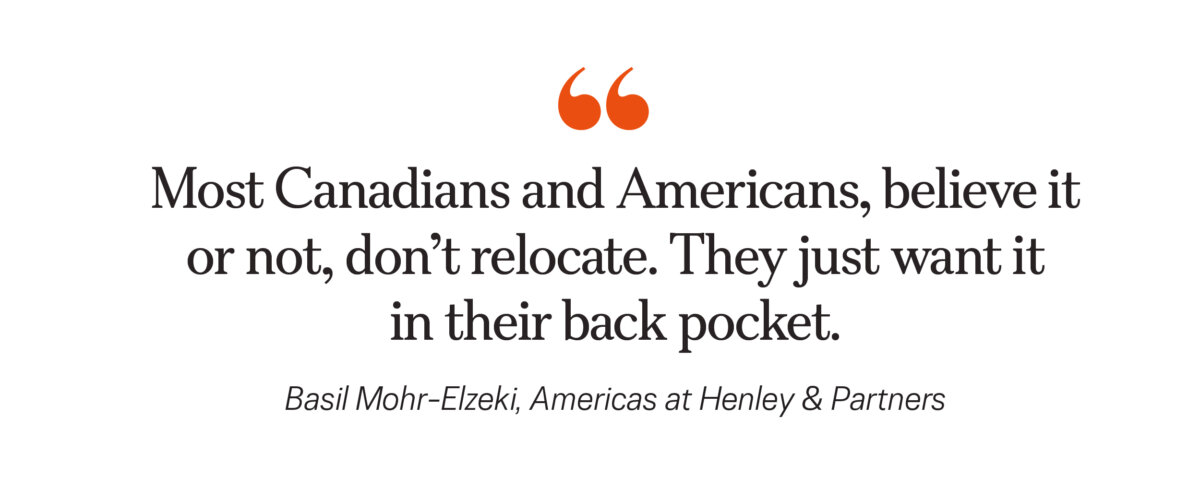
“Most Canadians and Americans, believe it or not, don’t relocate,” Mohr-Elzeki told The Epoch Times. “They just want it in their back pocket.”
Mohr-Elzeki said Canadians now rank ninth among nationalities applying through the firm, up from 34th in 2018. He said inquiries from Canada roughly doubled between 2021 and 2022 during the pandemic and rose another 11 to 12 percent between 2024 and 2025.
“It’s been at a pretty elevated level since COVID,” he said.
Mo Bennis, senior vice-president at Arton Capital, which helps people secure alternative residency or citizenship, said seeking an additional passport has “gone from niche to mainstream,” with the company seeing substantial growth in demand from North Americans since the pandemic.
“North America just woke up to the fact that these kinds of programs exist, whereas they’ve been there since the ‘80s,” he said.
What Are Canadians Hedging Against?
Khatia Gelbakhiani, head of product at Nomad Capitalist, a company that advises high-net-worth individuals on international residency, said her Canadian clients most often cite concerns over the erosion of personal freedoms, declining trust in government, high taxes, health-care wait times, and housing affordability as reasons for seeking additional passports.She said others are drawn by warmer climates, foreign business opportunities, and the ability to pass citizenship on to future generations.
Clients rarely seek a second citizenship for just one reason.
“It’s an array of concerns. It’s very rare that someone comes and has a specific reason,” Bennis said. “They usually have more of a global portrait of why they want to do [it] or have a Plan B.”
The COVID-19 pandemic also fundamentally changed how many people viewed the value of a second passport, Bennis said.
“With COVID they saw that no matter how much wealth or what second residency or actual house you owned in Greece or in Portugal, if a government shutdown happens, all of a sudden people that had second passports could get on the plane and the others had to stay home,” Bennis added.
Mohr-Elzeki said the pandemic’s travel restrictions similarly changed how some Canadians think about mobility.
“Having that alternative passport, even though it doesn’t have the passport power of Canada, it provides an alternative travel document you can use,” he said.
Gelbakhiani said additional passports have become a permanent “Plan B” for some individuals, giving them the option of relocating quickly if political, economic, health-care, or personal circumstances change.
David Lesperance, a lawyer who has advised clients on citizenship, residency, and expatriation for more than three decades, said clients are not necessarily expecting Canada to cease functioning or suffer an economic collapse, but many want options if government policies or other conditions become incompatible with their priorities.
“They may say, ‘I don’t like pandemic policy. I don’t like gun policy. I don’t like tax policy. I don’t like whatever policy,’” he said.
Reduced ‘Life Inertia’
Bennis said getting a backup passport is no longer limited to the ultra-wealthy and has become increasingly attractive to upper-middle-class Canadians.“Before it used to be ultra-high-net-worth and really high-net-worth individuals that were clients,” Bennis said. “Now I would say 80 percent of our clients have between two and five million net worth.”
Remote work has also reduced what Lesperance calls “life inertia”—the family, professional, and financial ties that make relocating difficult.
Which Passports Are Canadians Getting?
Citizenship by descent is often the simplest and least expensive option for Canadians seeking a second passport, industry professionals say.Lesperance says citizenship in a European country can open opportunities across the European Union.
“Our ancestors moving to Canada had not only a tremendous impact on them and their families, but on future generations,” he said. “Likewise, getting another citizenship, especially European citizenship, because that opens up 27 different countries.”
However, he cautioned that genealogy websites alone are generally not enough to establish eligibility. Applicants typically need official government records, such as birth, marriage, death, and citizenship documents.
An Irish grandparent, for example, may provide a pathway to citizenship, but applicants can face lengthy searches for records and long processing times.
“It’s not like you dial ‘1-800-I-am-Irish’ and the leprechaun delivers a passport to you,” Lesperance said.
For Canadians without ancestral claims, another option is citizenship by investment, in which applicants make a qualifying investment in exchange for citizenship. Other pathways include retirement visas, digital nomad visas, remote-worker visas, and passive-income residency programs.
Gelbakhiani said Nomad Capitalist sees the strongest interest from Canadian clients in Caribbean citizenship programs offered by countries such as Saint Lucia and Saint Kitts and Nevis, as well as Türkiye, where real estate investment can provide a relatively quick path to citizenship. She added that Panama, Costa Rica, and Uruguay are also popular among Canadians seeking residency in Latin America.
Mohr-Elzeki said Henley’s Canadian clients most commonly pursue Portugal, Saint Kitts and Nevis, Grenada, and the United States, while residencies in the Bahamas and the Cayman Islands appeal to those seeking warmer climates and different tax regimes.
Citizenship by Investment
Lesperance cautioned that some citizenship-by-investment programs, particularly those in the Caribbean, may not provide the financial advantages some applicants expect.Tightening Rules
Lesperance said some pathways to second citizenship have become more restrictive in recent years, including so-called digital nomad visas. He also said citizenship-by-investment options have become more limited in Europe. Last year, the European Union’s highest court ruled that Malta’s investor-citizenship program violated EU law, finding that nationality could not be commercialized through predetermined payments or investments.
Gelbakhiani said changing policies are one reason prospective applicants should not delay pursuing a second citizenship if they are interested, although Lesperance cautioned that creating a sense of urgency can also be a sales tactic used by commission-driven firms.
Bennis said he expects global mobility to become more restricted in the years ahead, making second citizenships increasingly attractive for some Canadians.
“We take our mobility for granted,” Bennis said. “And I think that it will tighten up as the years go by.”