He became one of the country’s most recognisable media figures through a combative style that combined aggressive campaigning on social issues with a willingness to challenge authority.
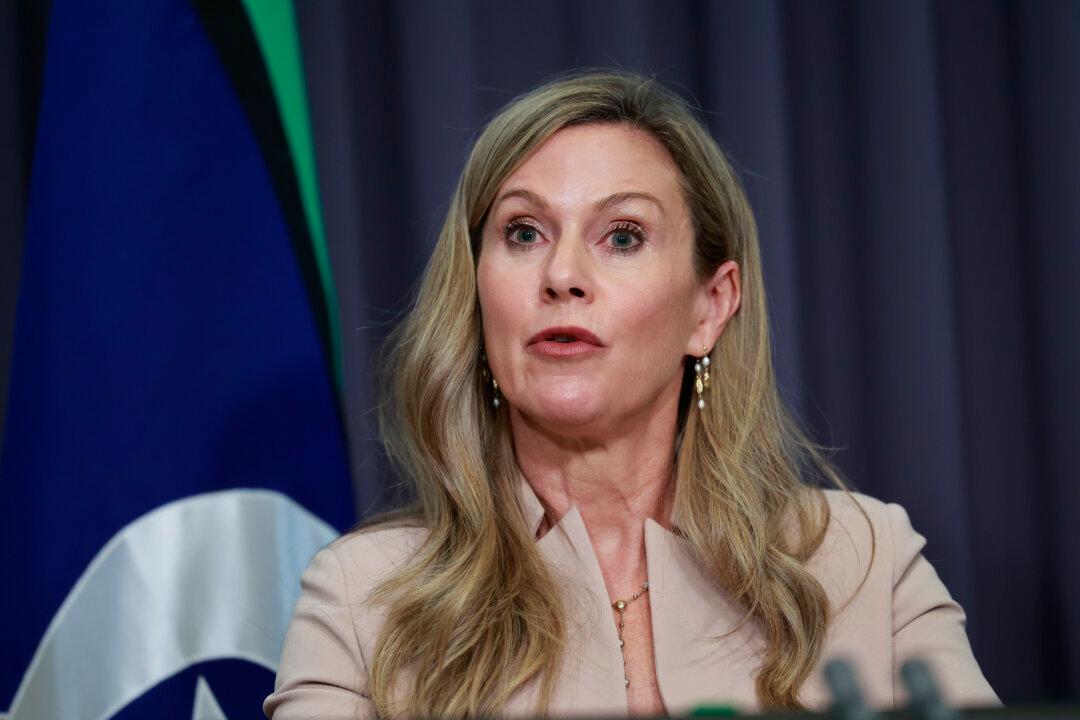
“As an interviewer, investigator, and presenter, he was much more than ’the Human Headline'; he had a sense of the deeper story and the courage to cover it, come what may.”
“He held to those same instincts as a senator and he fought illness with that same bravery.”
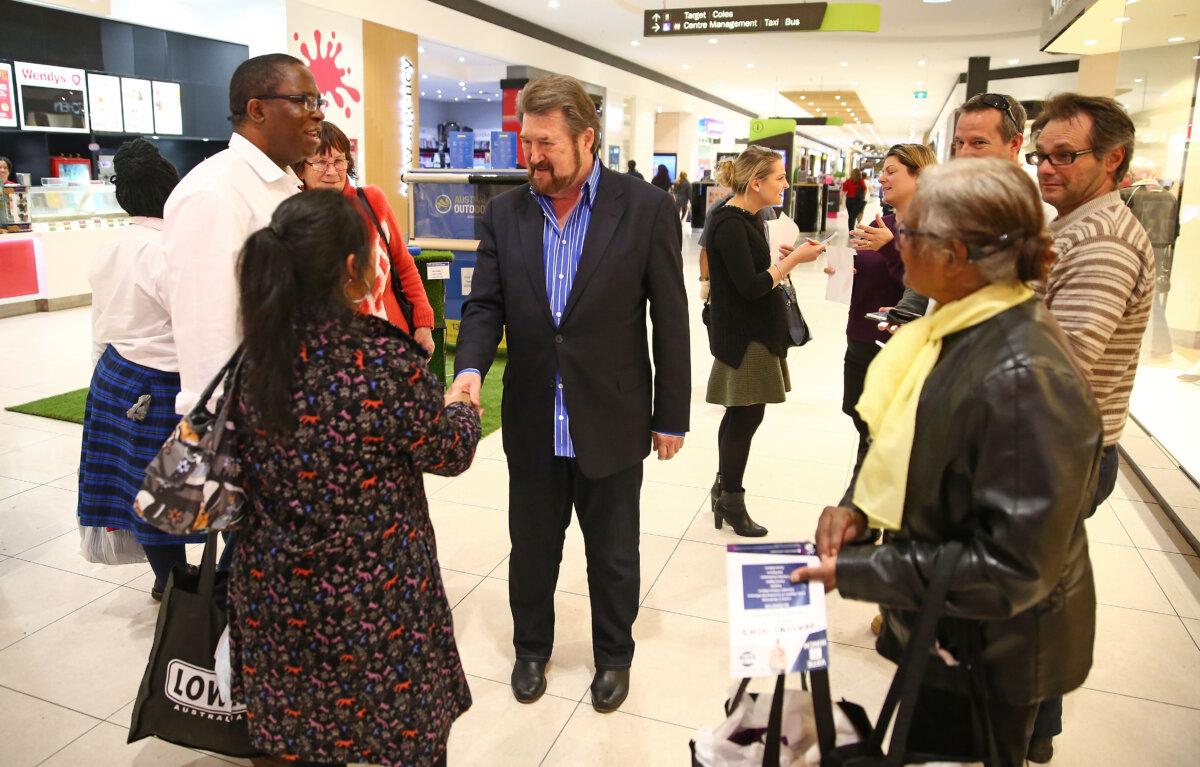
Born in New Plymouth, New Zealand, on 9 February 1944, Hinch worked for newspapers in his home country before moving to Australia in the 1960s.
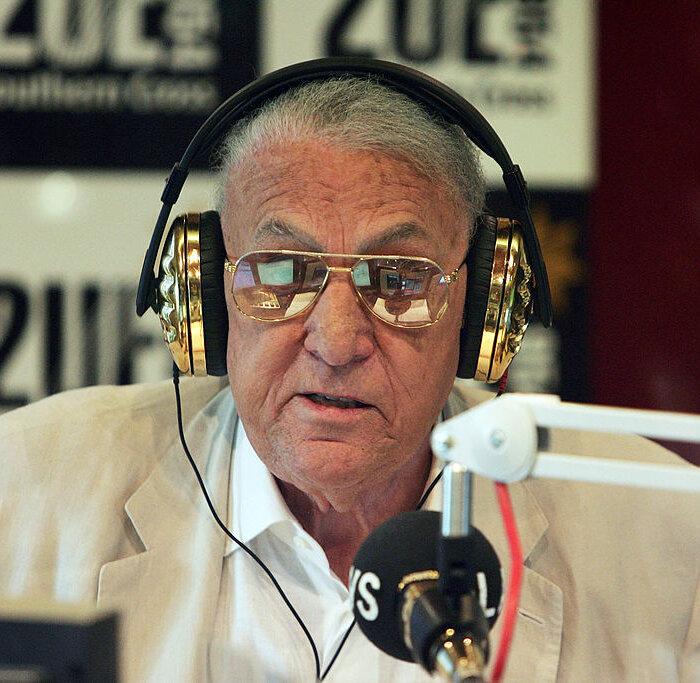
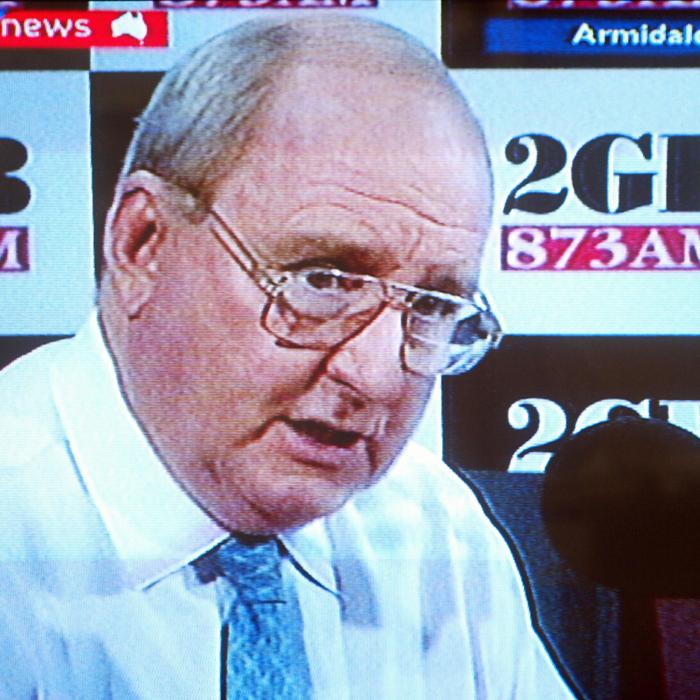
Move to Radio and Television
In 1979, Hinch began hosting the morning programme on Melbourne talkback station 3AW, where he remained for 8 years.He rose to national prominence in the late 1980s with the launch of his eponymous current affairs television programme, Hinch, on the Seven Network.
The programme mixed hard-hitting investigations with interviews featuring leading political figures, celebrities, and people at the centre of major news events.
His distinctive, uncompromising interviewing style quickly earned him the nickname “the Human Headline,” coined by screenwriter Terry Hayes.
Worked for Seven, Nine and Ten
After four years at Seven, the programme moved to Network Ten (1992–1994).Channel Nine then hired Hinch to replace the relaxed and affable Ray Martin on its Midday show, rechristened Midday with Derryn Hinch.
His acerbic style failed to win over an audience more accustomed to chummy chats with celebrities, and the ratings began to suffer. The network even asked him to shave off his trademark beard to look more “trustworthy,” but the viewer numbers continued to plummet, and the show was cancelled at the end of the year.
In 2000, he returned to 3AW to host Nightline, then moved to the Drive programme in 2003, cementing his status as a permanent fixture in the Melbourne media landscape. In 2010 he was inducted into the Australian Commercial Radio Hall of Fame.
He returned to television five years later, as host of Hinch Live on Sky News, a weekend current affairs programme. However, he left a year later to launch what was a successful campaign to contest the 2016 federal election. Running for the Derryn Hinch’s Justice Party, he became the oldest person elected to parliament for the first time, at age 72.
Parliament and Later Years
In parliament, he campaigned for a national sex offenders register and used parliamentary privilege in his maiden speech to publicly name convicted sex offenders.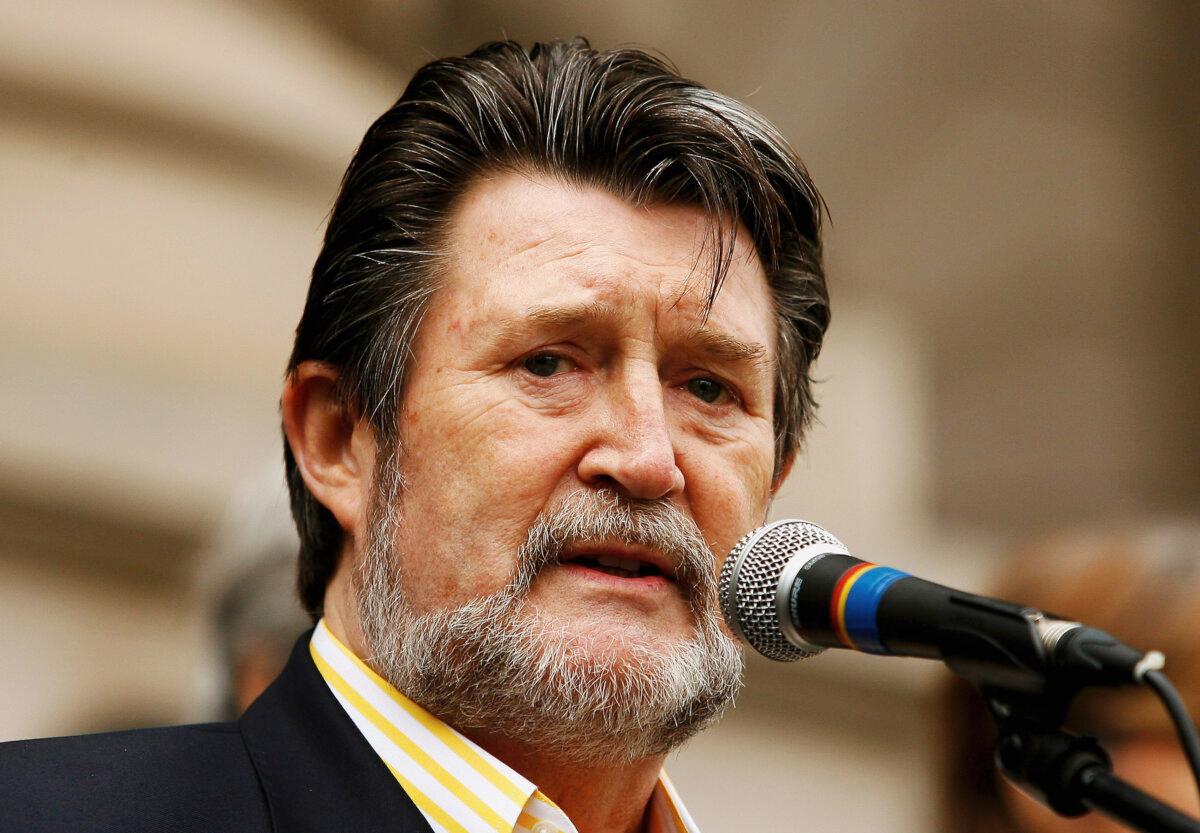
After losing his Senate seat, Hinch returned to Sky News but the programme was cancelled at the end of 2019. He later said the network felt he “wasn’t right-wing enough.”
Hinch died at his Melbourne home after a series of infections following a fall last year.
3AW said in statement: “Throughout his tenure, Hinch was never a broadcaster to stand still. Whether championing a cause, challenging authority, or navigating the intense controversies that occasionally marked his career, Hinch remained steadfast in his commitment to his craft.”
“Listeners, even those who did not always agree with his stance, held a deep respect for his unwavering dedication and the palpable passion he brought to every issue.
“He leaves behind a legacy of uncompromising, compelling broadcasting that fundamentally shaped the station he called home for so many years.”
Asked in 2025 what words he would like inscribed on his tombstone, Hinch replied simply: “He tried.”