Tehran Attacks Kuwait Desalination Plant as Infrastructure Targeting Expands in US-Iran War

Iran launched attacks against Kuwait, Bahrain, and Qatar on Friday in response to U.S. strikes on targets in southern Iran.
Tehran Attacks Kuwait Desalination Plant as Infrastructure Targeting Expands in US-Iran War
The Mina Al-Ahmadi oil refinery operates in Kuwait, March 20, 2026. AP Photo, File
Tom Ozimek
Tom Ozimek
Reporter
|Updated:
0:00

Iranian strikes hit a power and water desalination plant in Kuwait on Friday, damaging a critical source of drinking water as the United States and Iran expanded attacks on infrastructure across the Middle East.

Kuwaiti authorities said the strikes damaged a large number of power-generation units and sparked a fire at the facility, with Kuwait’s state-run news agency describing the targeting of the country’s critical infrastructure as an act of “criminal Iranian aggression.”

The attack underscored the vulnerability of water supplies in one of the world’s driest regions. Kuwait produces about 90 percent of its drinking water through desalination, a process that removes salt from seawater.

Hundreds of desalination plants line the Persian Gulf coast, placing facilities that supply water to millions of people within range of Iranian missiles and drones.

The strike came a day after a spokesman for Iran’s top military command warned that Tehran would attack infrastructure across the region if President Donald Trump followed through on threats to target Iranian power plants and bridges.

Infrastructure Attacks Expand

Iran launched attacks against Kuwait, Bahrain, and Qatar on Friday in response to U.S. strikes on targets in southern Iran, according to Iranian state-affiliated media.

Qatar twice warned residents to take shelter as Iranian missiles approached the country, which has served with Pakistan as a mediator in efforts to end the war.

U.S. strikes overnight hit several bridges in Iran’s southern Hormozgan province, killing at least seven people, according to Iranian state-run television. The attacks also destroyed the Kohorestan Bridge, which connects Hormozgan and Fars provinces, and hit a railway junction in Bandar Abbas, injuring two people, according to Iranian state-affiliated news outlet Mehr.

U.S. Central Command (CENTCOM) said its latest wave of attacks ended at 9:40 p.m. ET on July 16 and marked the sixth consecutive night of U.S. strikes against Iran.

CENTCOM said fighter jets, drones, and warships used precision weapons against dozens of military targets, including coastal surveillance and air defense sites, military logistics infrastructure, and maritime capabilities. Its statement did not mention bridges, railways, or other civilian infrastructure.

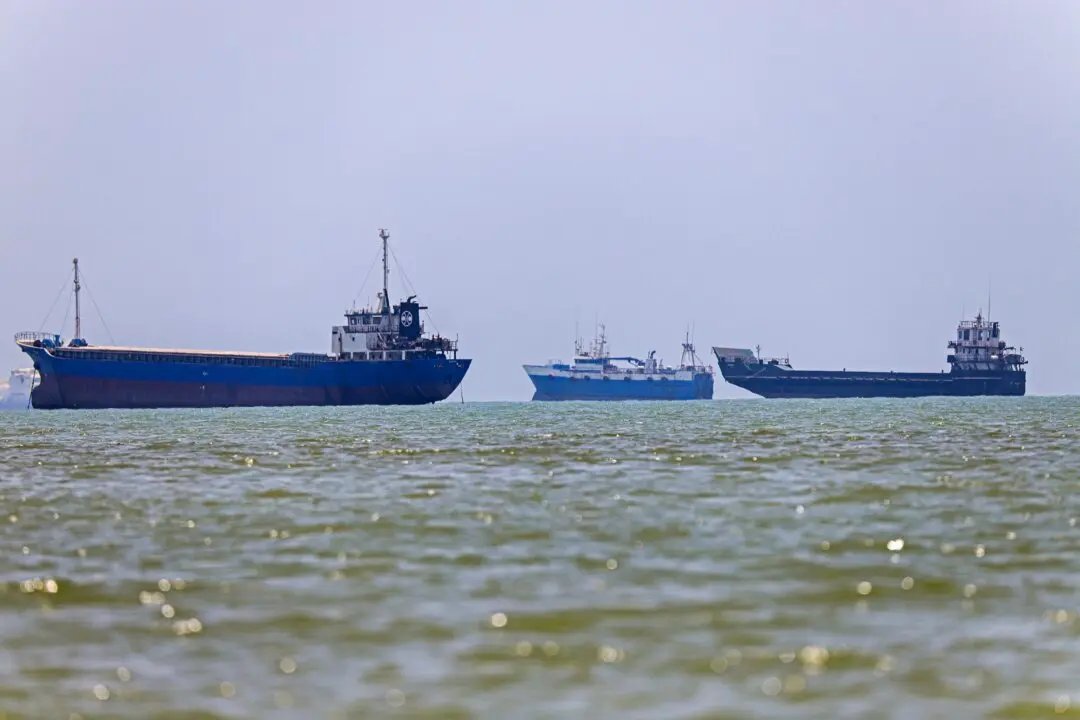
“At the Commander in Chief’s direction, CENTCOM is further degrading Iranian military capabilities and holding Iran accountable for recent attacks on commercial shipping,” the command said, referring to a spate of recent Iranian attacks against vessels trying to transit the Strait of Hormuz.
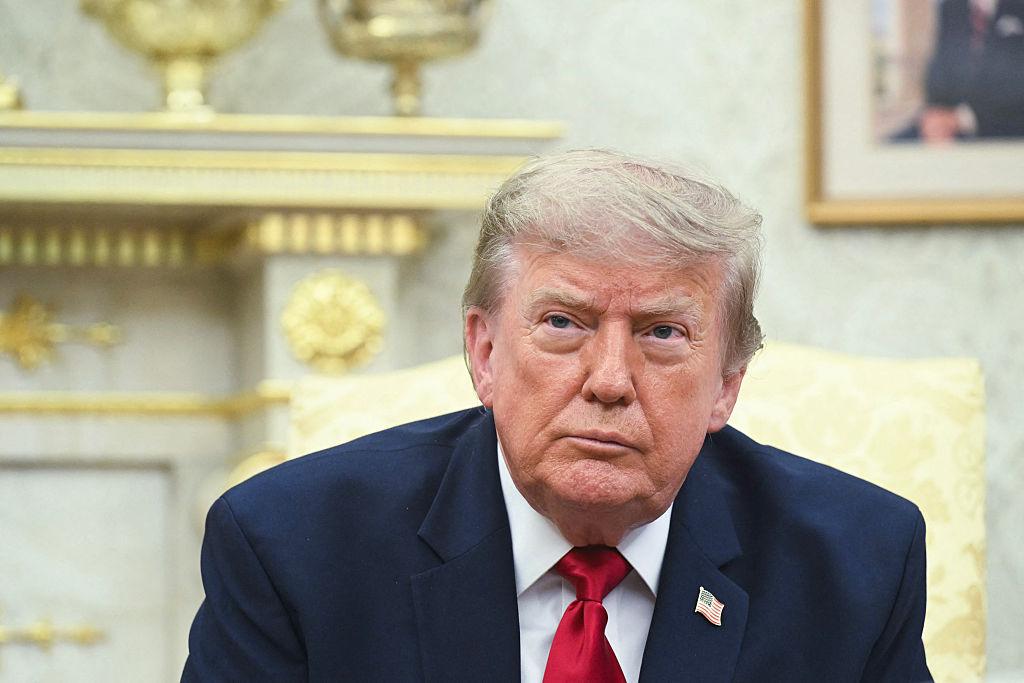
Trump had warned in a July 14 interview with Fox News that the United States would begin targeting Iranian infrastructure unless Tehran returned to negotiations and loosened its hold on Hormuz, a strategic waterway that normally carries about one-fifth of global oil and liquefied natural gas trade.

“Next week comes the power plants. Next week comes the bridges,” Trump said. “We’re going to knock out all their power plants. We’re going to knock out all their bridges unless they get to the table and negotiate.”

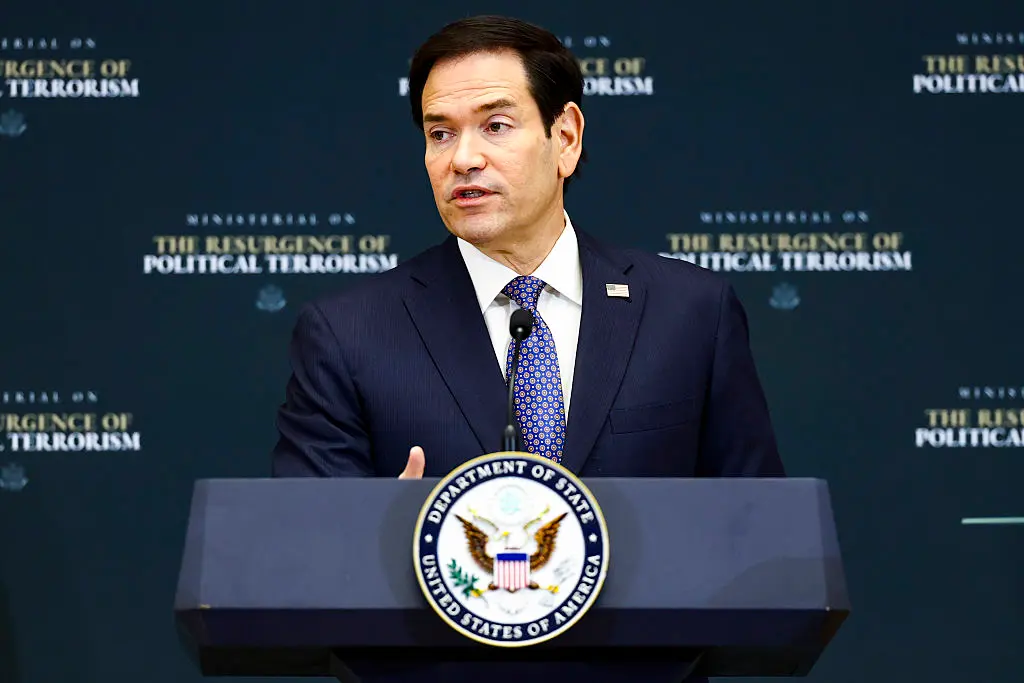
Iranian military spokesman Ebrahim Zolfaqari responded Thursday by threatening attacks on “all infrastructure throughout the region” if the United States carried out Trump’s warning.
The expanding infrastructure attacks follow the collapse of a temporary ceasefire reached on June 17, when Washington and Tehran signed a memorandum of understanding that temporarily reopened the Strait of Hormuz and opened a 60-day window for the sides to try to negotiate a lasting peace deal.
Trump declared the agreement over on July 7 after Iran resumed attacks on commercial vessels in Hormuz, which Tehran has been seeking to control. Iranian forces have been firing at ships trying to circumvent the northern Iran-controlled route and instead sail through a U.S. Navy-supported lane along the southern coast near Oman.
Google LogoMark Us Preferred on Google
Tom Ozimek
Tom Ozimek
Reporter
Tom Ozimek is a senior reporter for The Epoch Times. He has a broad background in journalism, deposit insurance, marketing and communications, and adult education.
twitter