Taiwanese President Lai Ching-te on Feb. 11 urged parliament to pass a $40 billion special military budget, and the country’s defense minister warned that any delay could rupture Taiwan’s line of defense against China.
The Taiwanese government’s opposition has put forward its own, less expensive proposals, which would only fund some U.S. weapons.
Kuomintang, the main opposition party, said that it must fully scrutinize the legislation and that although it supports defense spending, it will not sign “blank cheques.”
Lai said that his government will provide detailed plans for the opposition to consider and that he had not asked parliamentarians to pass the spending bill unconditionally.
“But national defence, so closely tied to national security, sovereignty, and our very survival, should be an area where we unite and present a common front to the outside,” Lai told reporters at the presidential palace.
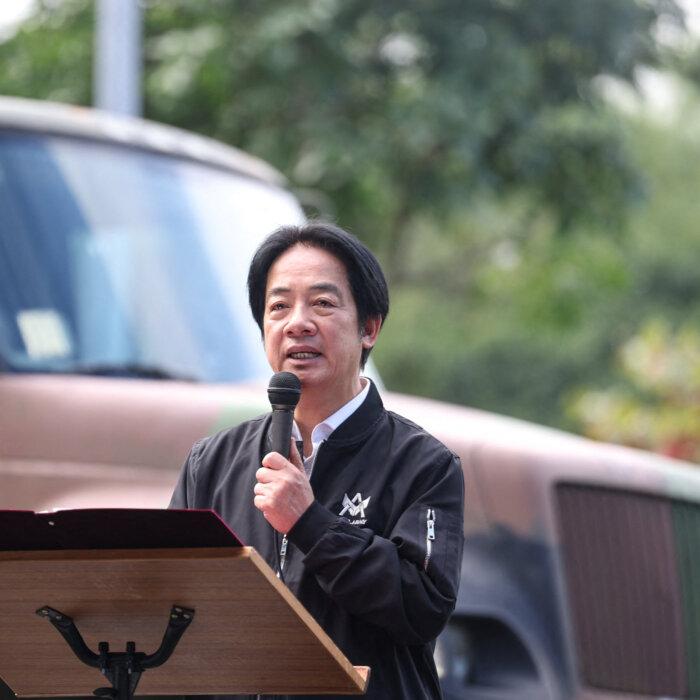
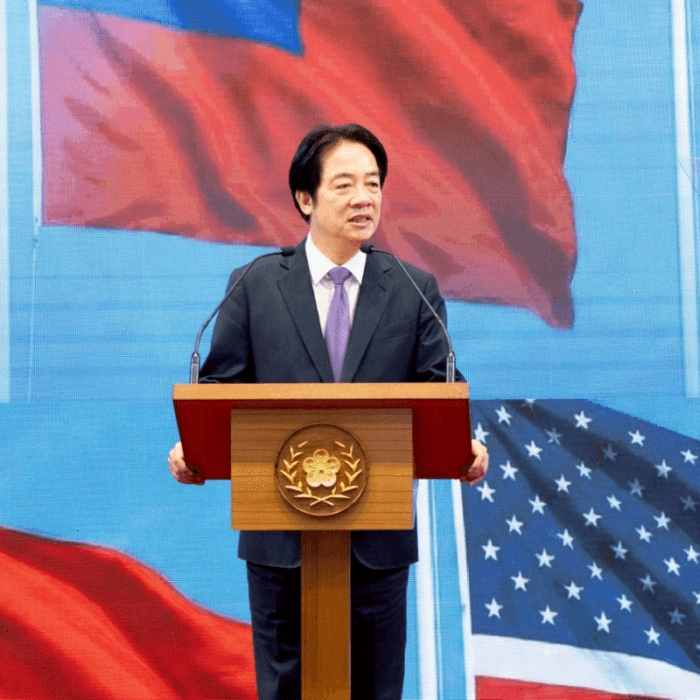
“China’s threat is becoming increasingly serious. Taiwan’s defence budget must be passed smoothly. This represents Taiwan’s resolve, and it also shows that Taiwan is fulfilling its responsibilities as a member of the international community.”
Beijing considers the democratic, self-governing nation of Taiwan its own territory and has not ruled out taking control of the island by force. Taipei rejects Beijing’s territorial claim.
Speaking at the same news conference attended by Lai on Feb. 11, Taiwanese Defense Minister Wellington Koo said he had been discussing with the United States what weapons Taiwan needed to purchase.
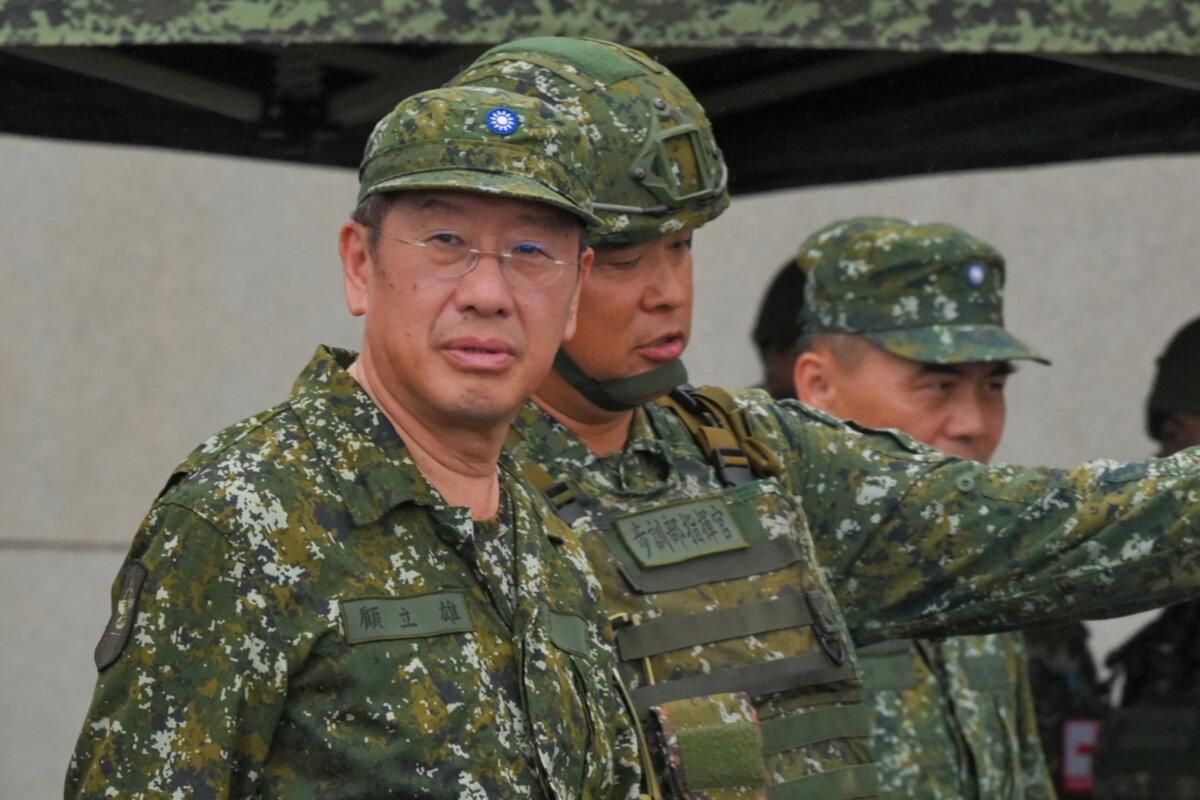
“In the Indo-Pacific, especially among the countries along the first island chain, Taiwan plays a uniquely critical, almost fated, role,” Koo said, referring to the major string of Pacific archipelagos that moves through Japan, Taiwan, and the Philippines.
“We do not want Taiwan to become the rupture in the Indo-Pacific collective deterrence posture.”
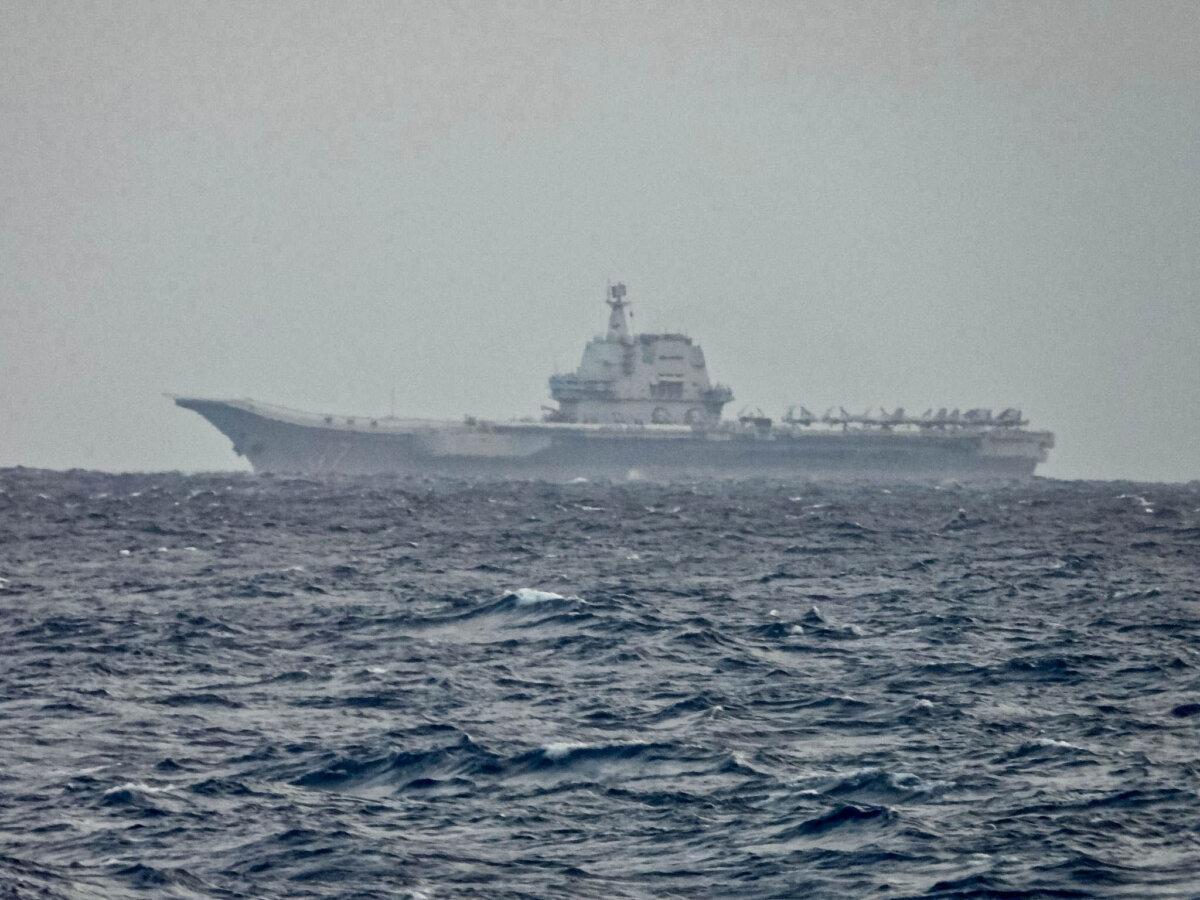
US Commitment to Taiwan
Following the call between Trump and Xi, Lai reaffirmed Taipei’s strong relationship with Washington.“This Administration has been very clear that the enduring U.S. commitment to Taiwan continues, as it has for over four decades,” the spokesperson said.
“We urge Beijing to cease its military, diplomatic, and economic pressure against Taiwan and instead engage in meaningful dialogue with Taiwan.”