Swedish Prime Minister Ulf Kristersson has called the Spanish government’s amnesty for illegal immigrants a “very bad idea,” warning that it could spark another migrant crisis akin to the one that beset the continent in 2015.
The center-right politician, who is running for reelection next month, told the Financial Times in an interview published on Aug. 11 that the Spanish amnesty for more than a million illegal immigrants had caused a “pretty big outcry” at the last summit of EU leaders.
Spanish Prime Minister Pedro Sánchez’s government granted a royal decree on April 14, launching the regularization of people living illegally in the country.
The proposal was first presented on Jan. 27 to allow about 500,000 illegal immigrants already living and working in Spain to obtain legal status through an accelerated process. According to figures from the Spanish government, almost 1.2 million applications for regularization were received.
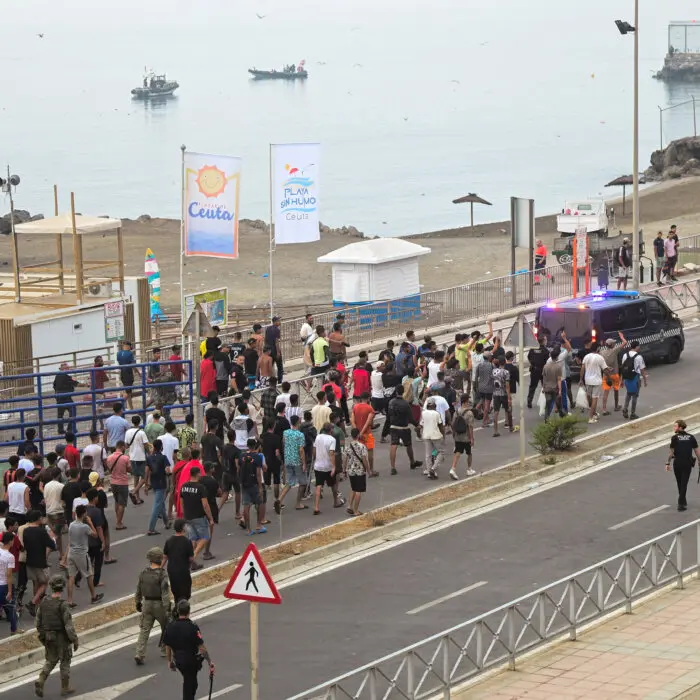
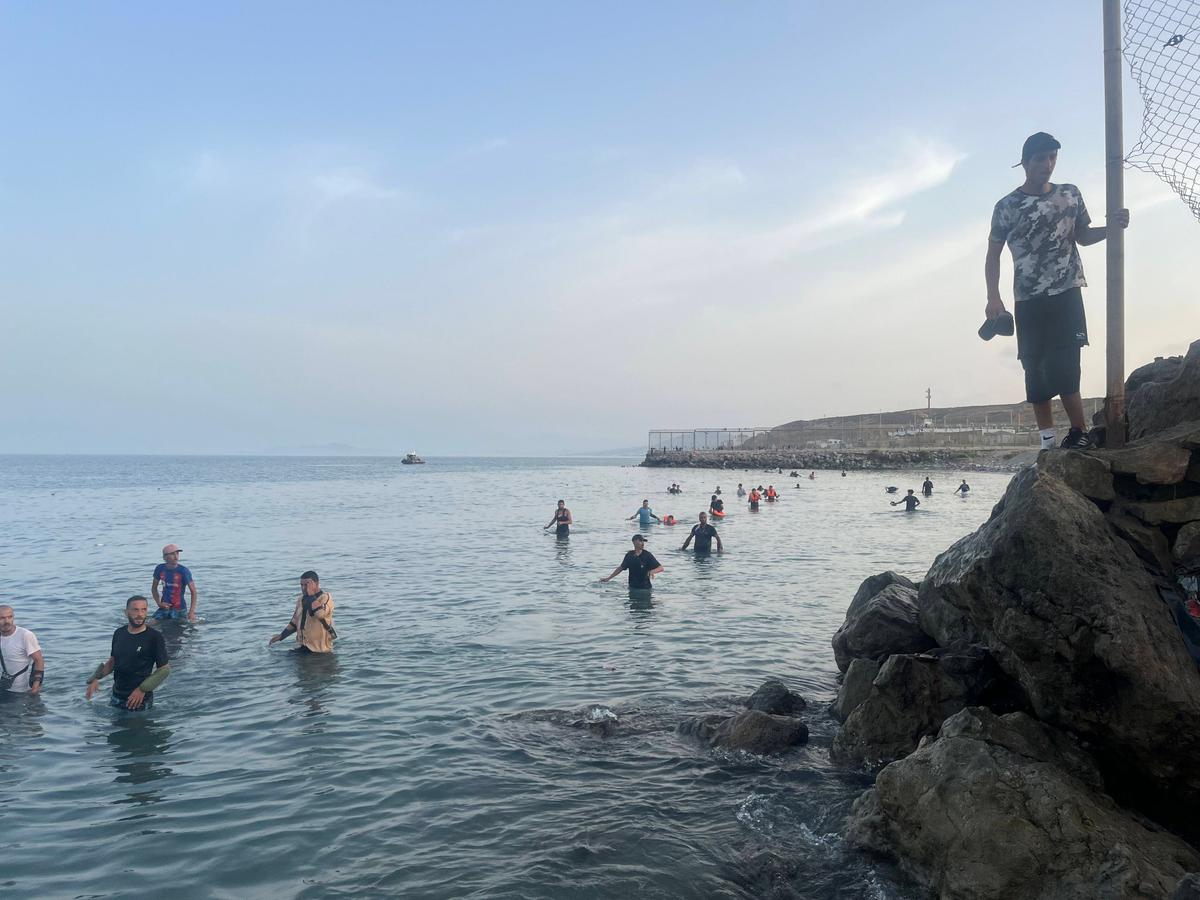
The move was controversial, but the migrant surge in Ceuta, a Spanish exclave on the North African side of the Mediterranean at the end of July, compounded concerns.
Kristersson said a knock-on effect from Madrid’s move could pose a serious threat to the European Union’s free movement zone, known as the Schengen Area.

“It symbolizes that we still have to be very, very careful not to act in a way that could even come close to what happened in 2015,” Kristersson said. “I think Spain got the message … but it shows the vulnerability.”
He said he had told Sánchez that he disapproved of the move.
“Having [the amnesty] also creates a possibility for you to use European territory. That is specifically damaging for us because we know from experience that many people coming to Europe prefer to go north. Exactly that happened in 2015,” Kristersson said.
“It is not the time to get relaxed on this … there is a huge majority in Sweden saying they cannot go back to an uncontrolled situation. … Doing things that could jeopardize a stable situation would be a very bad idea.”
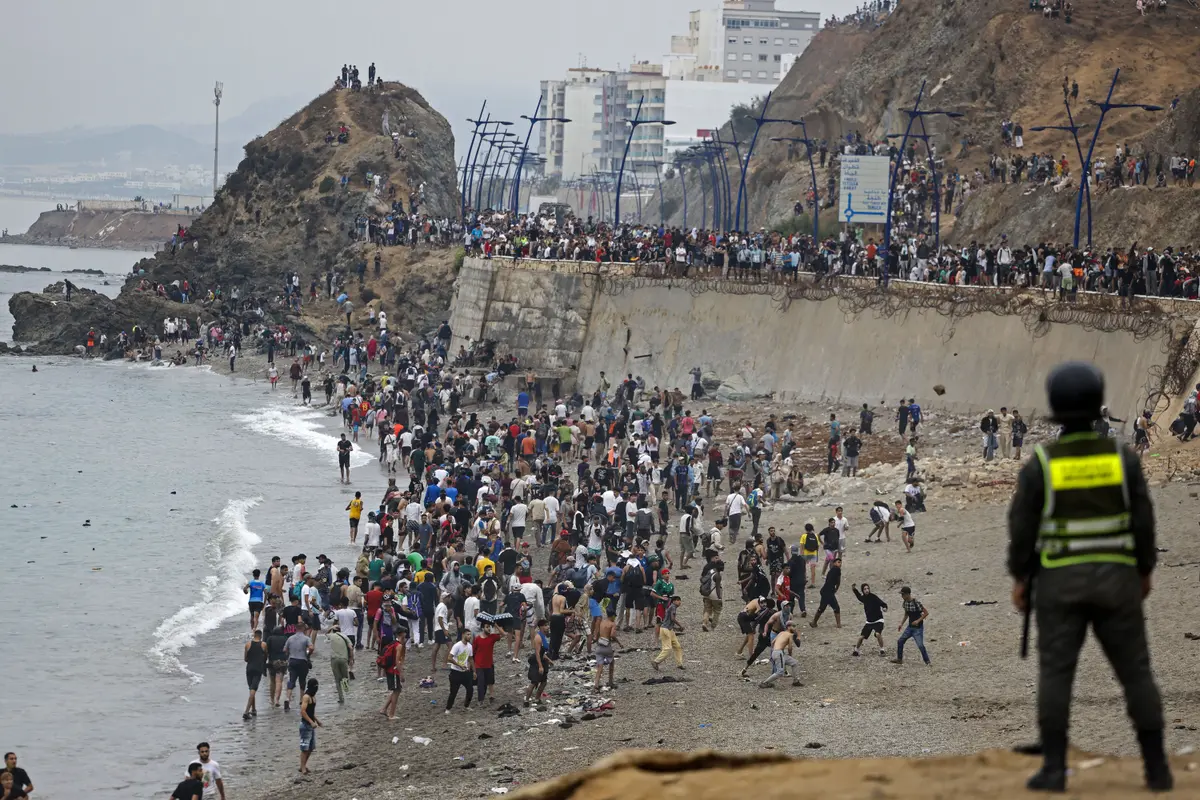
More than 80 people died on both sides of the border, according to figures released by Spanish and Moroccan authorities. Some drowned while attempting to swim to Ceuta, while others were crushed or trampled during chaotic efforts to climb a breakwater and border fence.
The one-month suspension of border-free travel between Italy and Spain was announced on July 31 by Italian Prime Minister Giorgia Meloni and Deputy Prime Ministers Antonio Tajani and Matteo Salvini, who described the move as necessary for security.
France, which shares a land border with the Spanish mainland, also announced an intensification of controls along the border.
Italy’s move was supported by a number of EU member states, including Finland, Denmark, and the Czech Republic, with the governments of all three saying that Brussels should consider closing the Schengen Area to Spain.
Kristersson faces an election on Sept. 13, having led the Scandinavian nation since 2022 as head of a coalition comprising his Moderate Party, the Christian Democrats, and the Liberals with additional support from the Sweden Democrats.
Swedish polling company Novus’s poll of 5,726 eligible voters, conducted 6–9 July, gave the Social Democrats 32 percent, the Sweden Democrats 20 percent, and Moderates 17 percent.
In November, Stockholm launched an inquiry to investigate “parallel social structures” that had emerged in the country.
Swedish Minister for Education and Integration Simona Mohamsson said in a statement at the time that these structures, consisting of “clans and family-based networks,” undermine “the rule of law, threaten democracy, and hamper integration.”
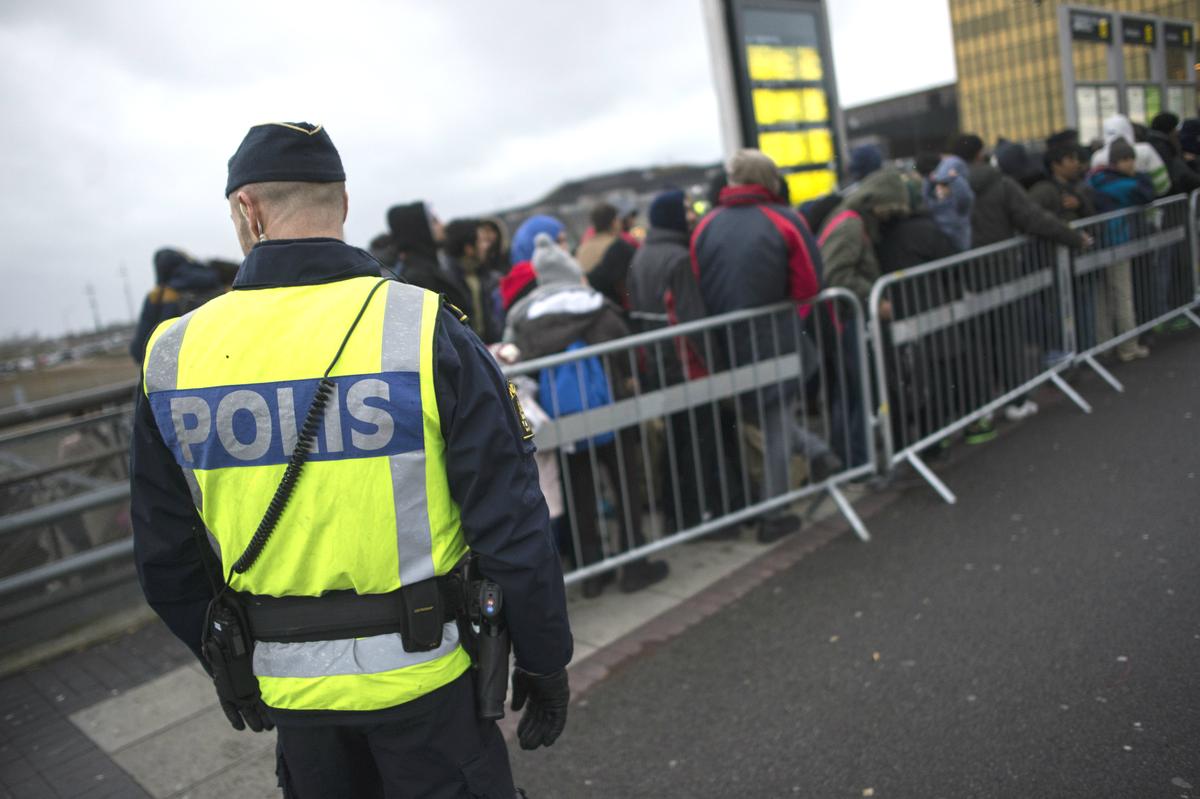
“It is unacceptable that people in Sweden live under social control, are subjected to honour-based violence and oppression or are prevented from fully participating in society,” she said. “With this inquiry, we are taking an important step towards addressing these problems.”
The inquiry’s report is due to be presented on Aug. 20.
Residency permits can now be revoked for conduct including unpaid debts, undeclared work, organizing begging, and more, even where the behavior falls short of a criminal conviction.