A lawyer assisting the Royal Commission into the Bondi Beach mass shooting has described the year ending 2024 as the “summer of terror,” which stemmed from the Oct. 7, 2023 attacks and eventuated in Australia’s worst terror incident.
Zelie Heger said anti-Semitism is “recognised as one of society’s oldest hatreds,” but that expressions of it in Australia had increased markedly after terror group Hamas attacked an Israeli music festival on Oct. 7, killing 1,200 and capturing 250 hostages.
This, she said, “marked a significant turning point for anti-Semitism in Australia.”
Two days later, as the sails of the Sydney Opera House were lit up in the colours of the Israeli flag, a pro-Palestine protest took place on the steps of the landmark with some yelling, “Where are the Jews?”
“We'll hear evidence about that event and the fear and anxiety it created in the community,” Heger said.
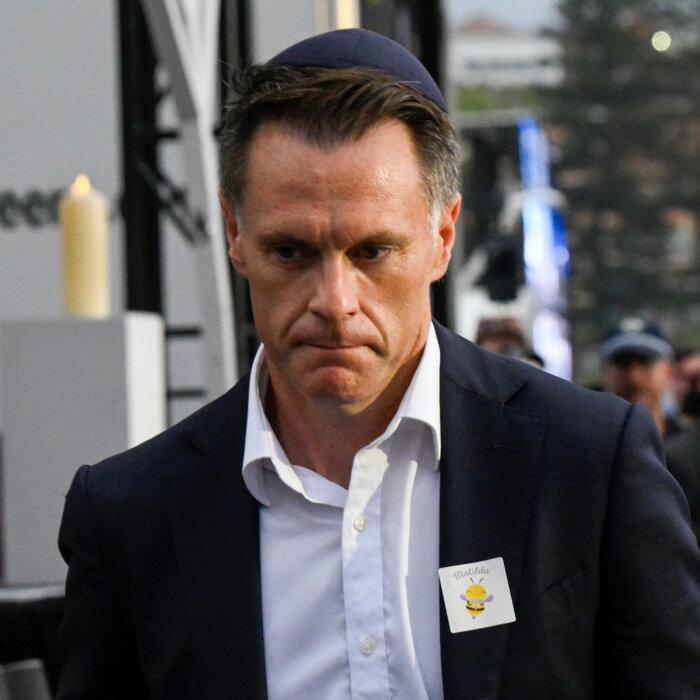

‘Deeply Traumatic’ for Jews
Heger went on to detail some of the incidents experienced by Jewish families or individuals, which she said ranged from “overt verbal attacks to more flippant and casual and subtle anti-Semitism, which is not directed at anyone in particular, necessarily, but is nevertheless deeply traumatic for the Jewish community to witness.”Hegel said that the Commission would hear stories of children subjected to abuse in public spaces “simply for being recognisably Jewish.
Commissioner Notes ‘Sharp Spike’ in Anti-Semitism
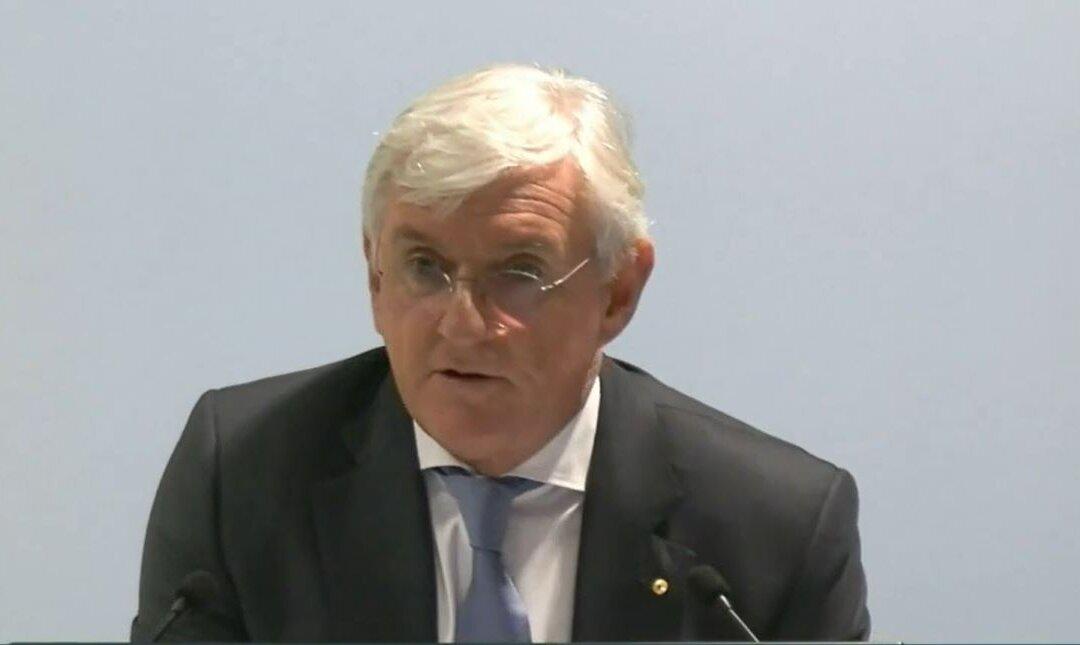
Former High Court Judge Virginia Bell, the commissioner heading the Bondi Beach terror attack Royal Commission, says the “sharp spike in anti-Semitism” across the country “seems clearly linked to events in the Middle East.”“It’s important that people understand how quickly those events can prompt ugly displays of hostility towards Jewish Australians simply because they’re Jews.”
Many witnesses, she said, had asked to share their experiences anonymously out of fear they might be subjected to more hostile attention in person or online, and the Commission would allow them to do so.
A small group would give evidence in a closed, non-public session.
Bell also noted that there were differences of opinion among Australian Jews on many issues, including on Middle East politics.
Right to a Homeland a ‘Core Value’
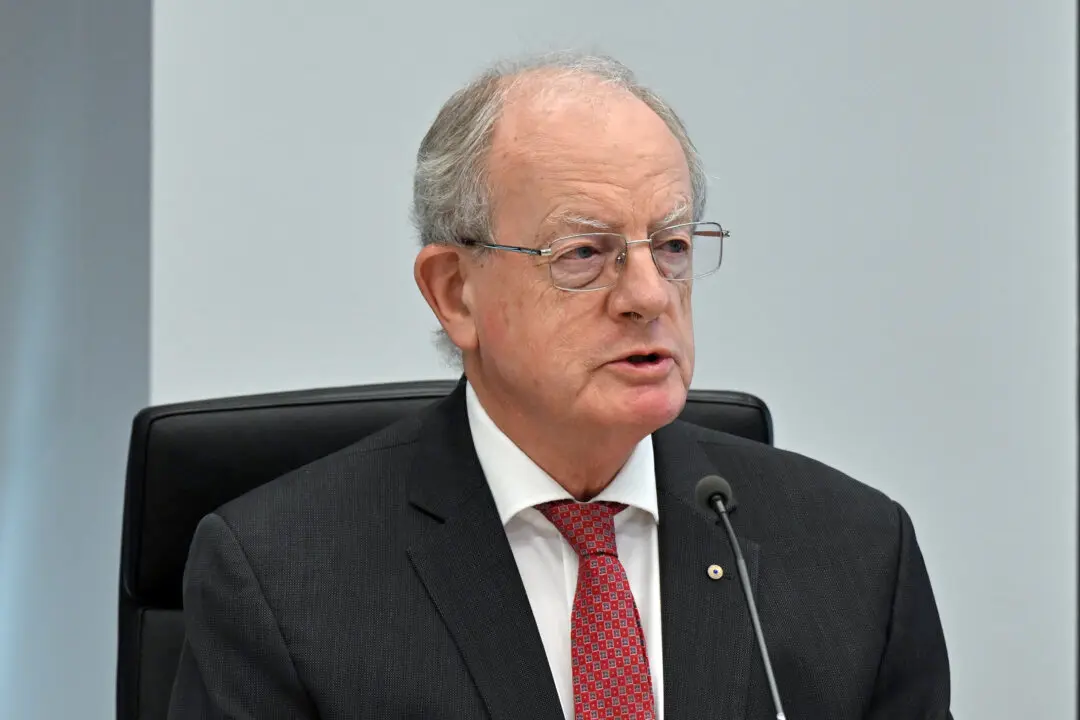
That was also mentioned by one of the counsel assisting the Commission, Richard Lancaster.“One aspect of the inquiry ... is to identify when anti-Zionism becomes anti-Semitism,” he said. “Zionism is the belief in the [right of] Jewish people to self-determination in their ancestral and biblical homeland of Israel, a right that was achieved by the creation of the State of Israel in 1948. For many Australian Jews, this is a core value.
“Some of the examples in the IHRA definition suggest that, depending on the overall context in which words are spoken or other conduct occurs, it could be anti-Semitic to deny that right to self-determination or to express hatred toward individual Jews, or Jewish people as a community, on the basis of perceived loyalty to Israel above all else, or to attribute to Jews generally a collective responsibility for the actions of the State of Israel.
“Anti-Semitism is not a belief. It is a virus, and like a virus, it mutates,” he added.
The Commission is holding hearings in three “blocks,” each with different objectives. May 4 is the first day of Block 1, which aims to define anti-Semitism, hear the lived experience of those subjected to it, and look at metrics for measuring its prevalence. That phase will conclude on May 15.
Submissions are still open, and will remain so until Jun. 16.