The Squamish Nation says it may challenge a recent agreement between Ottawa and the Musqueam Indian Band recognizing aboriginal rights within the band’s territory in B.C.
However, the Squamish Nation, whose territory is adjacent to Musqueam’s, has said that some of the maps and materials that have come out since the Musqueam–Ottawa agreements actually overlap areas of ancestral Squamish land.
“Any implication that another Nation’s agreement could extend into Squamish Territory will be challenged.”
“While the federal government has stated that this agreement does not affect the rights of other First Nations, we are independently verifying that claim and will take all necessary steps to protect Squamish Nation’s rights and title,” Williams wrote.
Cowichan Decision
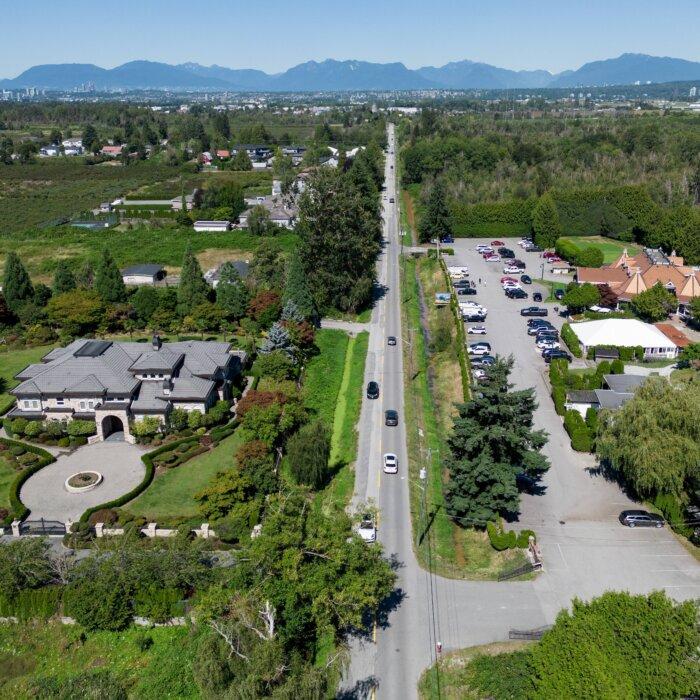
In a separate case, the Musqueam Indian Band and the Tsawwassen First Nation were both opposing parties in a lawsuit brought by the Cowichan Nation that sought aboriginal title over an area of southeast Richmond, B.C., that the Cowichan argued was its ancestral territory.B.C. Supreme Court Justice Barbara Young issued a decision on Aug. 7 of last year holding that the Cowichan had title to approximately 800 acres of land in the Richmond area. Young’s decision found that fee simple private property ownership and aboriginal title can coexist but held that aboriginal title is the “senior” interest out of the two.
Although no private owners’ titles were immediately invalidated, the ruling has created serious uncertainty around the future of private title in B.C., which adopted the United Nations Declaration on the Rights of Indigenous Peoples into provincial law in 2019.
The legislation commits to align B.C. law with the declaration’s principles, including recognizing indigenous peoples’ rights to their traditional lands, territories, and resources and requiring full consultation and cooperation with First Nations on decisions affecting those lands.
Musqueam opposed Cowichan’s claim because it argued the area in question overlaps Musqueam’s own traditional territory. It filed a notice of appeal on Sept. 5 of last year challenging Young’s decision. The B.C. government has also filed a notice to appeal for the Cowichan decision, along with the federal government, the City of Richmond, the Vancouver Fraser Port Authority, and Tsawwassen First Nation.
However, the language of the land recognition agreement leaves questions about how it would be implemented legally if Musqueam leadership were ever to pursue fee simple title or ownership of private lands in areas where it holds title.
At the First Nations level, Ottawa’s recognition of aboriginal title over land can be used later in treaty and land-use negotiations as well as affecting consultation requirements and negotiations in later cases involving matters such as ports, fisheries, or development projects.