An investigation into former South Korean President Yoon Suk Yeol, released on Dec. 15, states that he spent more than a year planning to impose martial law in an effort to eliminate political opponents and consolidate power.
Yoon and 23 others, including a former defense minister and senior cabinet members, face charges tied to the December 2024 declaration of emergency military rule.
Probe Findings
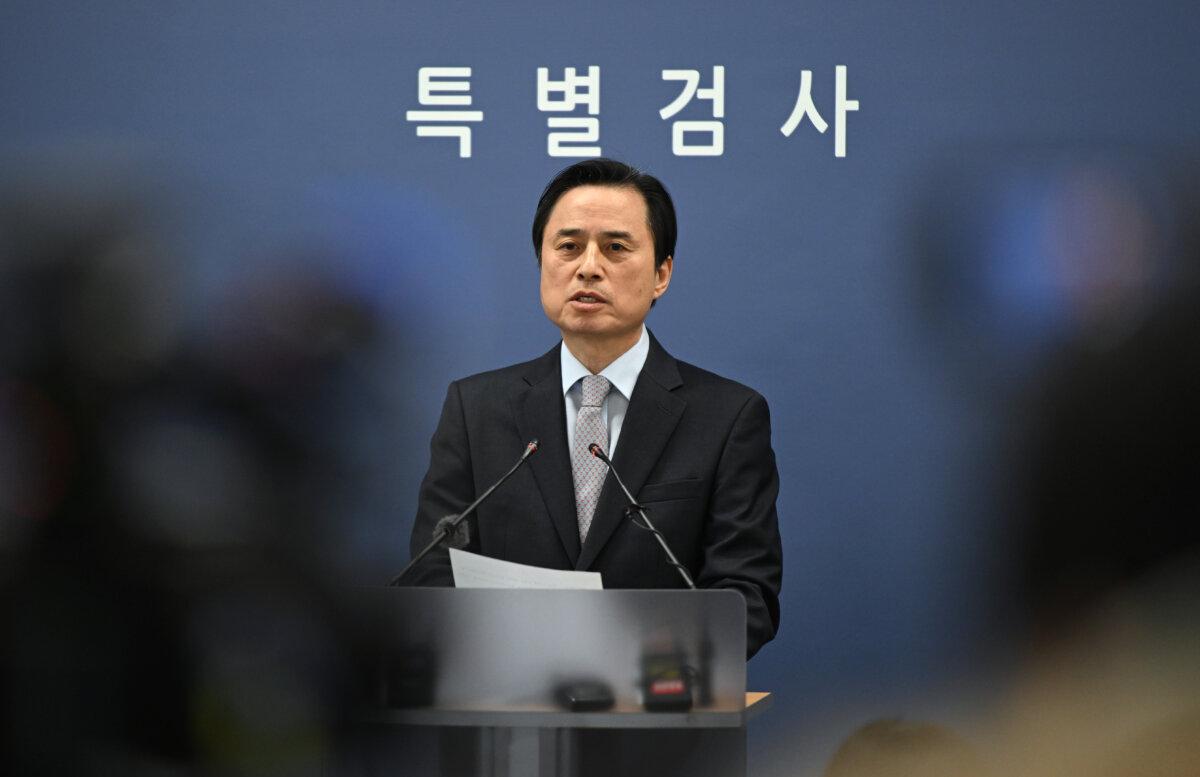
Delivering the findings at the Seoul Prosecutors’ Office, independent counsel Cho Eun-suk said the six-month probe found that preparations for martial law began well before the crisis erupted, with planning underway as early as 2023.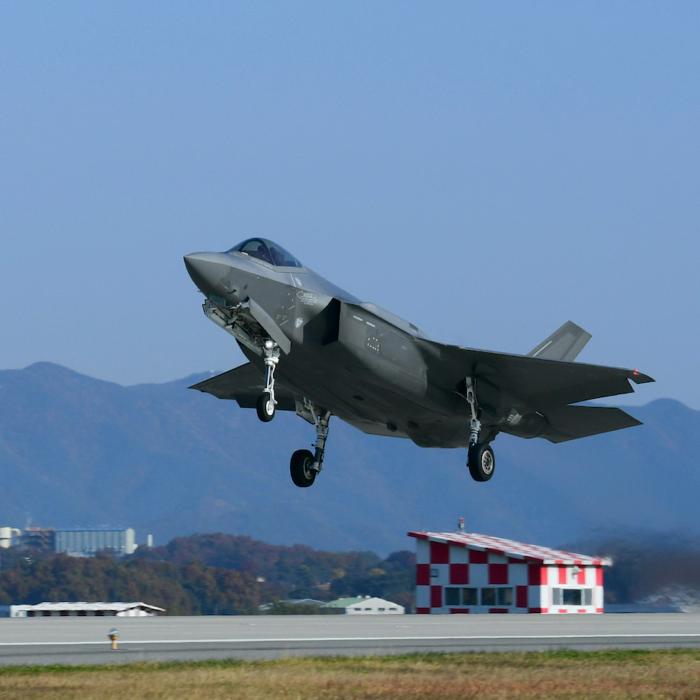
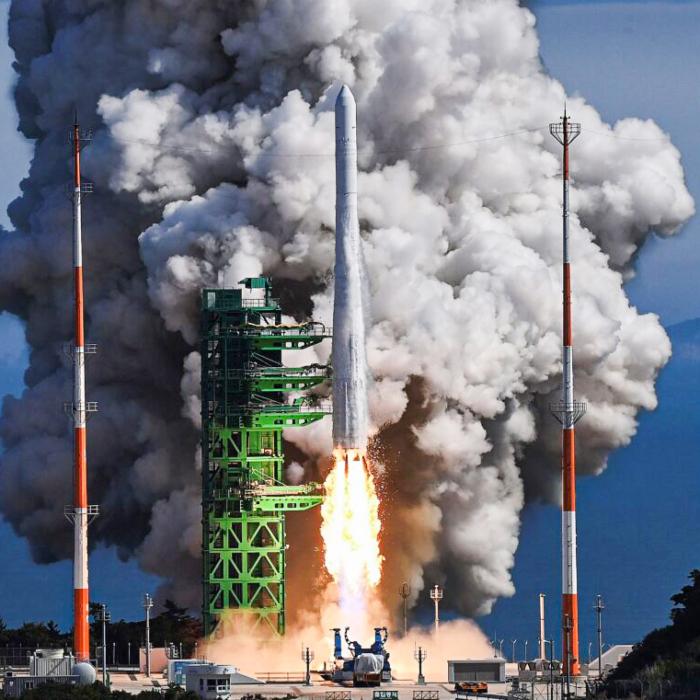
A central finding of the investigation focused on alleged efforts to justify martial law by escalating tensions with North Korea.
Cho said Yoon worked with then-Defense Minister Kim Yong Hyun and Yeo In-hyung, the former head of the military’s counterintelligence agency, to authorize a series of military actions beginning in October 2024.
These included operations that investigators believe were intended to provoke a response from Pyongyang.
North Korea did not respond in a way that would legally justify emergency military rule, Cho said, likely because it was focused on providing support to Russia in its war with Ukraine. Despite this, Yoon moved ahead with the decree by framing Parliament as an internal threat.
According to investigators, Yoon and close military allies reshuffled top military officials to place their associates in key posts while removing a defense minister who opposed their plan.
Yoon, former leading figure in the South Korean conservative People Power Party (PPP), has yet to respond to the report.
The probe also found that Yoon and his inner circle sought to build informal backing for the plan through repeated private meetings with top military commanders, Cho said, noting that these efforts were aimed at ensuring rapid compliance once martial law was declared.
“Yoon Suk Yeol ... tried to declare martial law by inciting military provocations by North Korea, but that plan failed,” Cho said. “Yoon declared emergency martial law to monopolize and maintain power by taking control of the legislative and judiciary branches and eliminating his political opponents.”
Political Response
The PPP’s senior spokesperson, Park Sung-hoon, said on Dec. 15 that the report will be remembered by history as a “targeted special prosecution for oppression of the opposition party.”He said that the aim of the investigation was to brand the opposition as an “unconstitutional party.”
Park also took issue with how parts of the announcement were phrased.
Park questioned “how persuasive such so-called ‘mind-reading investigations,’ unsupported by verifiable evidence, could be in a court of law.”
He said that it is doubtful that this so-called interest law investigation, lacking verifiable evidence, will be persuasive in court.

He said the investigation failed to properly examine allegations of foreign collusion and the identities of co-conspirators in the insurrection plot, according to the newspaper.
Separate Corruption Probe
Police on Dec. 15 raided the headquarters of the Unification Church as part of an expanding bribery probe that has implicated politicians from multiple parties.Yoon’s wife, Kim Keon Hee, was earlier arrested and indicted on charges unrelated to martial law, including allegations that she accepted bribes through an intermediary from a senior church official seeking business favors.
Police said searches were conducted at church facilities in Seoul and Gapyeong, as well as a detention center holding the church’s 82-year-old leader, Hak Ja Han. Officers also searched the homes and offices of several current and former lawmakers.
Chun Jae-soo, a former oceans and fisheries minister under Lee, denied receiving bribes but resigned last week, saying he did not want to distract from the new administration’s work.
Lee has called for a full investigation into alleged improper ties between religious groups and politicians.