South Australia Becomes First State to Outlaw AI Deepfakes in Political Advertising

Fines of up to $10,000 now apply to the use of AI-generated fakes, as well as intrusive robocalls and robopolls.
South Australia Becomes First State to Outlaw AI Deepfakes in Political Advertising
This photo illustration taken on Dec. 22, 2023, shows a user on an AI video generator website on a laptop computer in Taipei. I-HWA CHENG/AFP via Getty Images
|Updated:
0:00

The South Australian government has passed new laws banning the use of robocalls, robopolls, and AI-generated “deepfakes” in political advertisements, ahead of the March 2026 state election.

Robocalls are unsolicited, automated calls containing a pre-recorded message relating to a state election; robopolling involves automated opinion polls conducted using a recorded script played by a computer, rather than questions read by a person who then enters the answers into a database.
The ban relates solely to the use of these techniques for political purposes.

Anyone using robocalling or robopolling will face penalties of up to $5,000 for individuals or $10,000 for bodies corporate.

AI-generated deepfakes are videos or photographs that depict acts that a person did not perform. Using them without the permission of the person shown will incur penalties of up to $5,000.

That still leaves candidates and party leaders free to deepfake images of themselves—any person will be able to consent to their image being used in a deepfake advertisement, but those advertisements, and any others that use AI, must be clearly labelled as such.

The government’s announcement of the new laws said “deepfakes, which have been designed to mislead voters,” have been used in “recent interstate and overseas elections.”

Last year, the Queensland LNP used AI to create a fake video of former Premier Steven Miles dancing and posted it to social media.

In 2020, the lobby group Advance Australia posted a fake video of then Queensland Premier Annastacia Palaszczuk. It was labelled as a “fake press conference from Pannastacia Alaszczuk.”

Down to Parliament to Change Laws

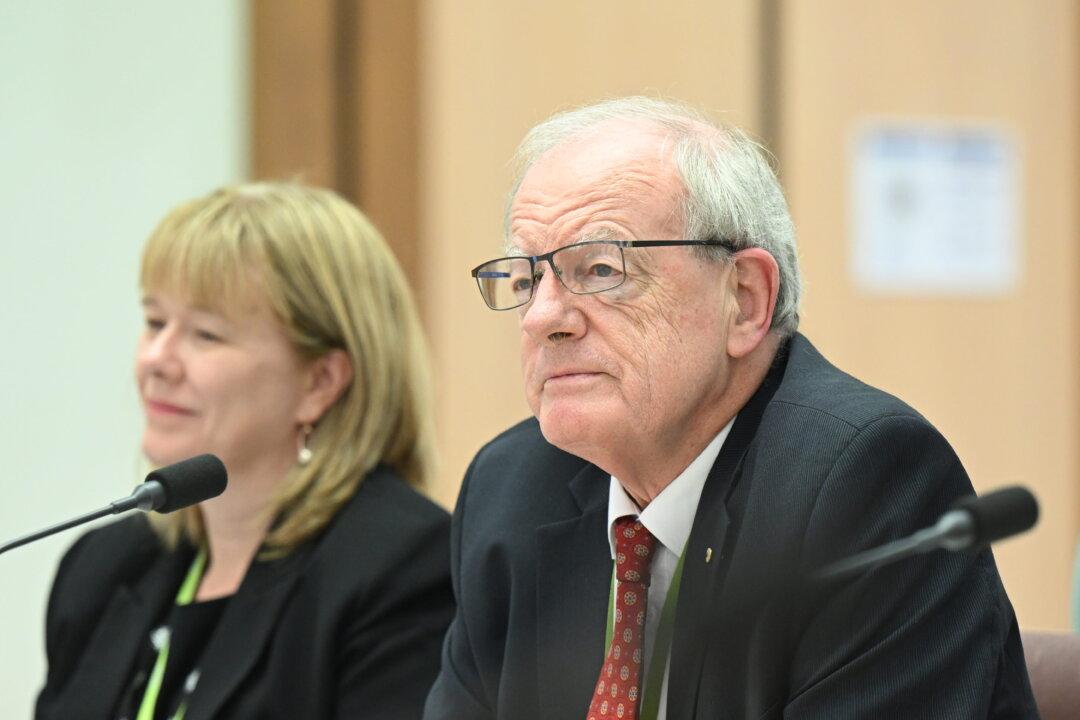
In May of 2024, Australian Electoral Commissioner Tom Rogers told a parliamentary inquiry into AI that its use was “lawful … and so whether or not that law changes, it’s a matter for parliament, not for me,” but agreed it was “absolutely happening at an accelerated rate, particularly as our understanding of this technology increases.”

He said a blanket ban on AI-related material during elections would be “very impractical,” but the Commission would like to see some legislative changes, particularly making watermarking (a “stamp” over the video saying it was AI-generated) mandatory.

However, he argued the AEC was not the appropriate body to enforce any such laws.

“We will do whatever parliament asks us to do … but there is a real risk of ruining the AEC’s neutrality if that is put upon us,” he told the inquiry.

“As I stated in other forums, the AEC does not possess the legislative tools or the internal technical capability to deter, detect or adequately deal with false AI-generated content concerning the electoral process.”

South Australian Deputy Premier Kyam Maher said it was “becoming more apparent by the day” that there needed to be protections against misinformation online.

“Our laws banning the use of misleading deepfakes in political advertising are an important step in keeping up with this technology,” he said.

“We know that South Australians are sick and tired of political robocalls, which are becoming all too frequent. Our reforms mean that political robocalls and robopolls are now banned for state elections.”

The state is undertaking a major reform of its electoral laws, and in July introduced a total ban on donations to a registered political party, member of Parliament, candidate or group of candidates.

However, certain new entrants and non-incumbents are still allowed to accept donations, subject to donation caps, including an individual donation limit of $5,000.

Instead, parties receive public funding, within strict expenditure caps, as well as administrative funding to support their day-to-day operations.

The reforms also regulate the political expenditure of third parties, including businesses, unions, and think tanks, with groups wanting to influence the outcome of an election subject to a cap of $450,000.

Significant penalties, including fines of up to $50,000 or a term of 10 years imprisonment, can be imposed on anyone who seeks to circumvent the laws.

Google LogoMark Us Preferred on Google
Rex Widerstrom
Rex Widerstrom
Author
Rex Widerstrom is a New Zealand-based reporter with over 40 years of experience in media, including radio and print. He is currently a presenter for Hutt Radio.